

I · This watch
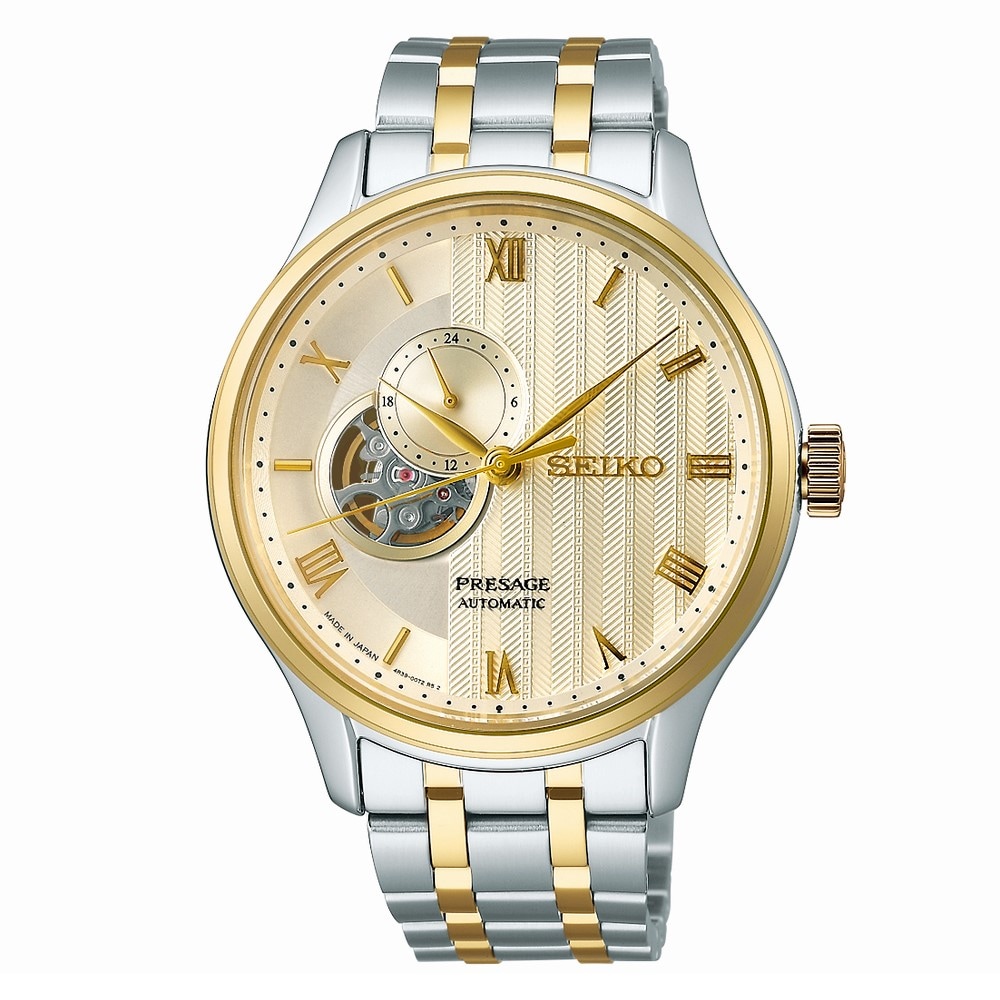
Seiko Presage 'Japanese Zen Gardens' (new condition) pairs a 41.8 mm case in stainless steel with a stainless steel bracelet. It uses an automatic movement.
Models
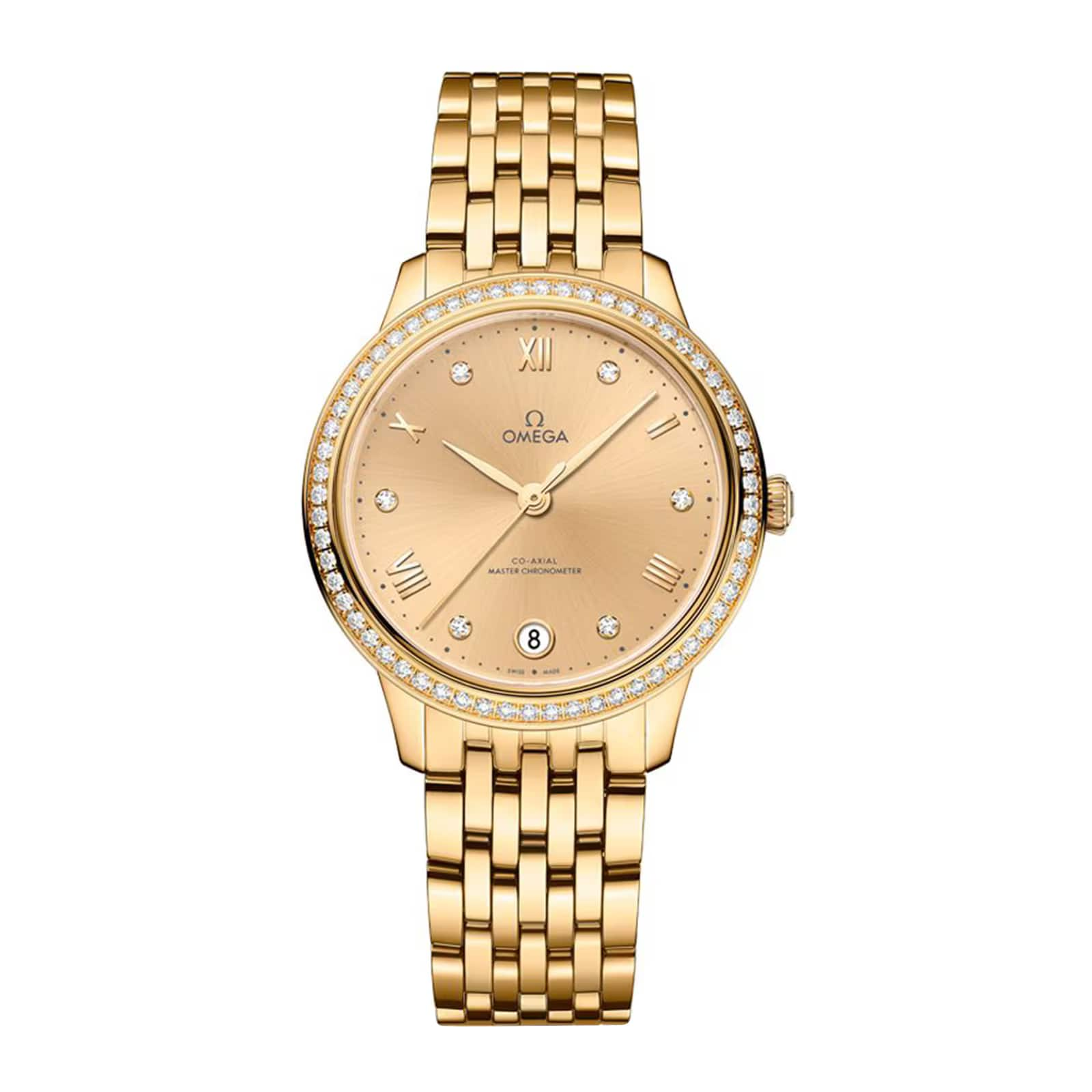 De Ville96 pcs · from 2 488.59 €
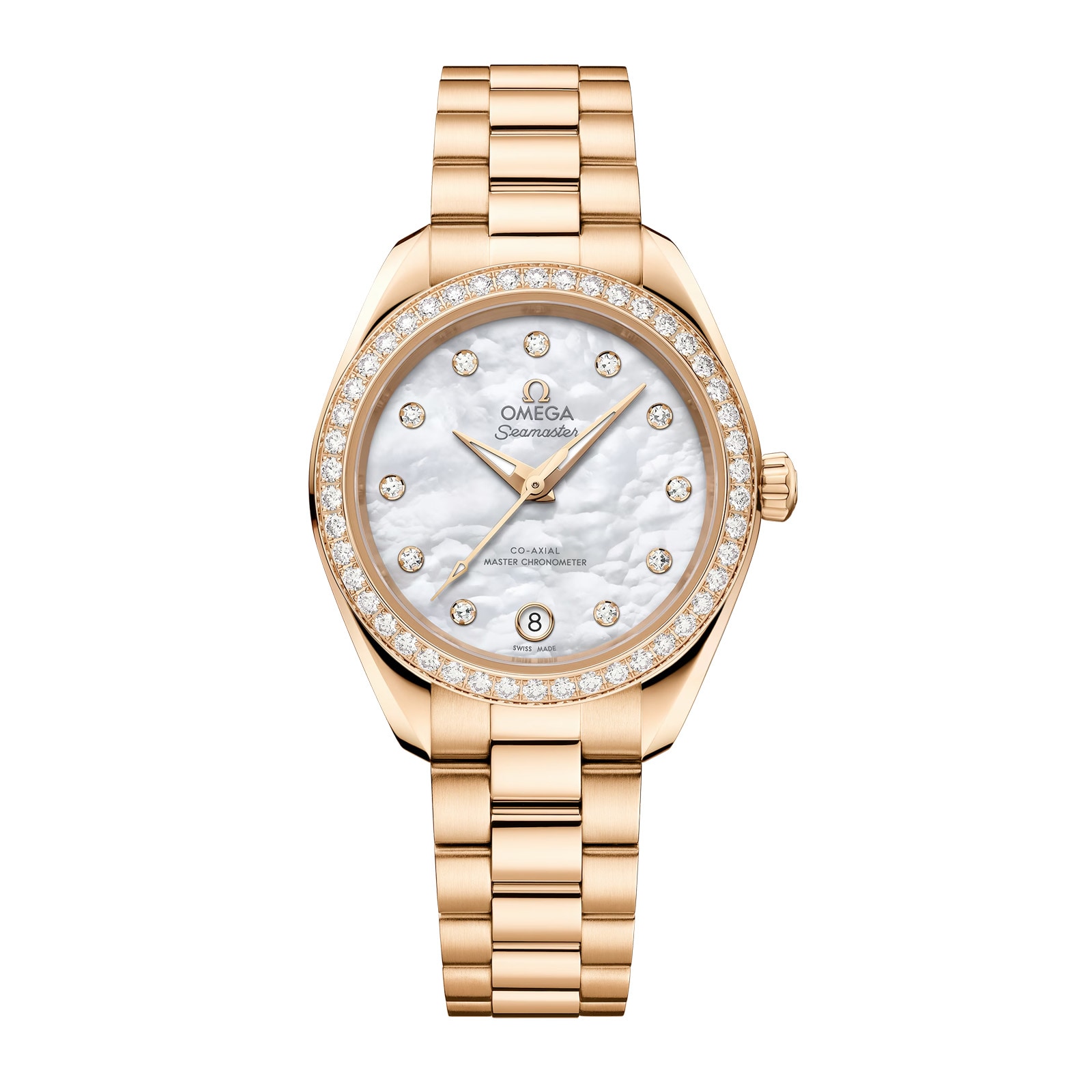 Seamaster Aqua91 pcs · from 3 199.62 €
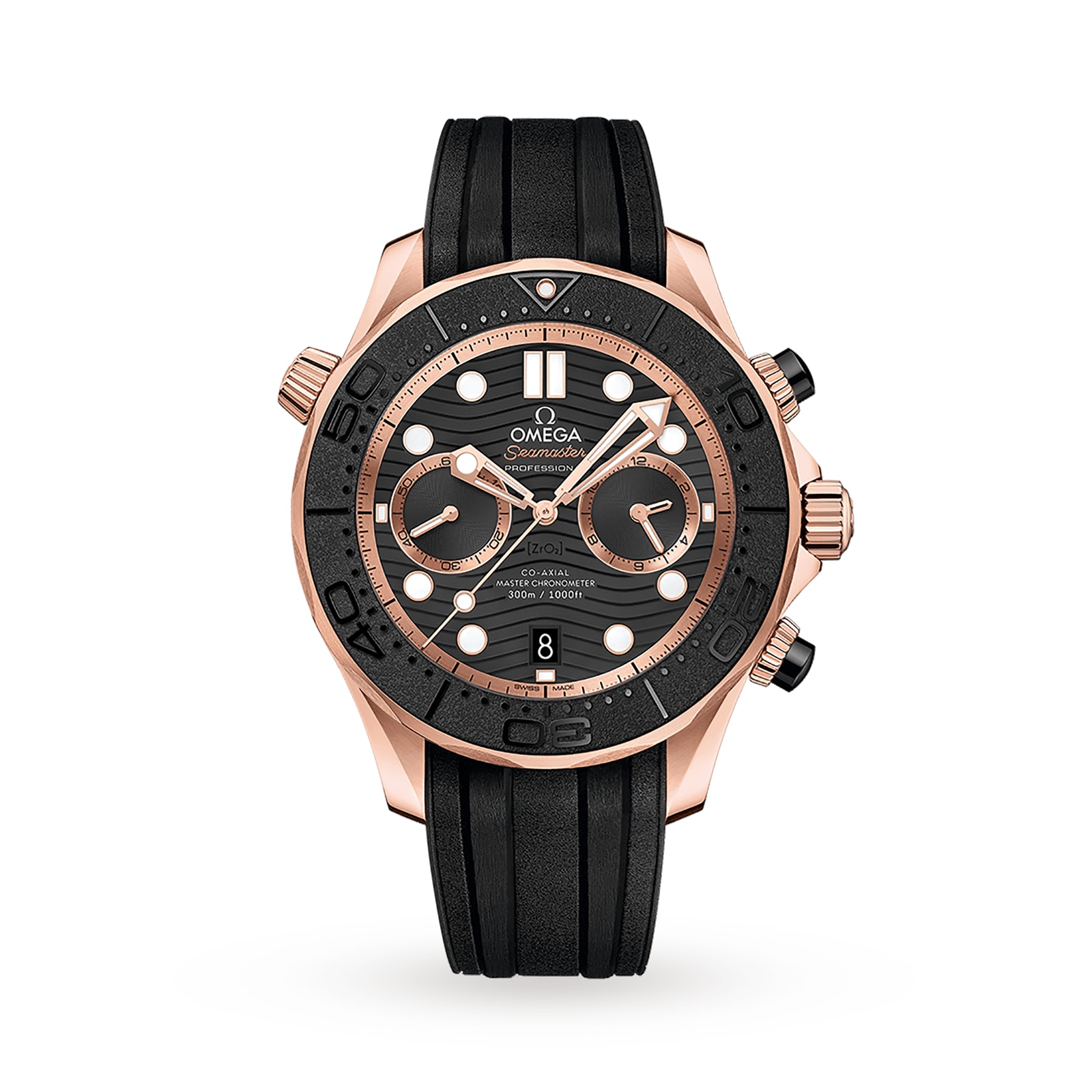 Seamaster Diver85 pcs · from 4 740.00 €
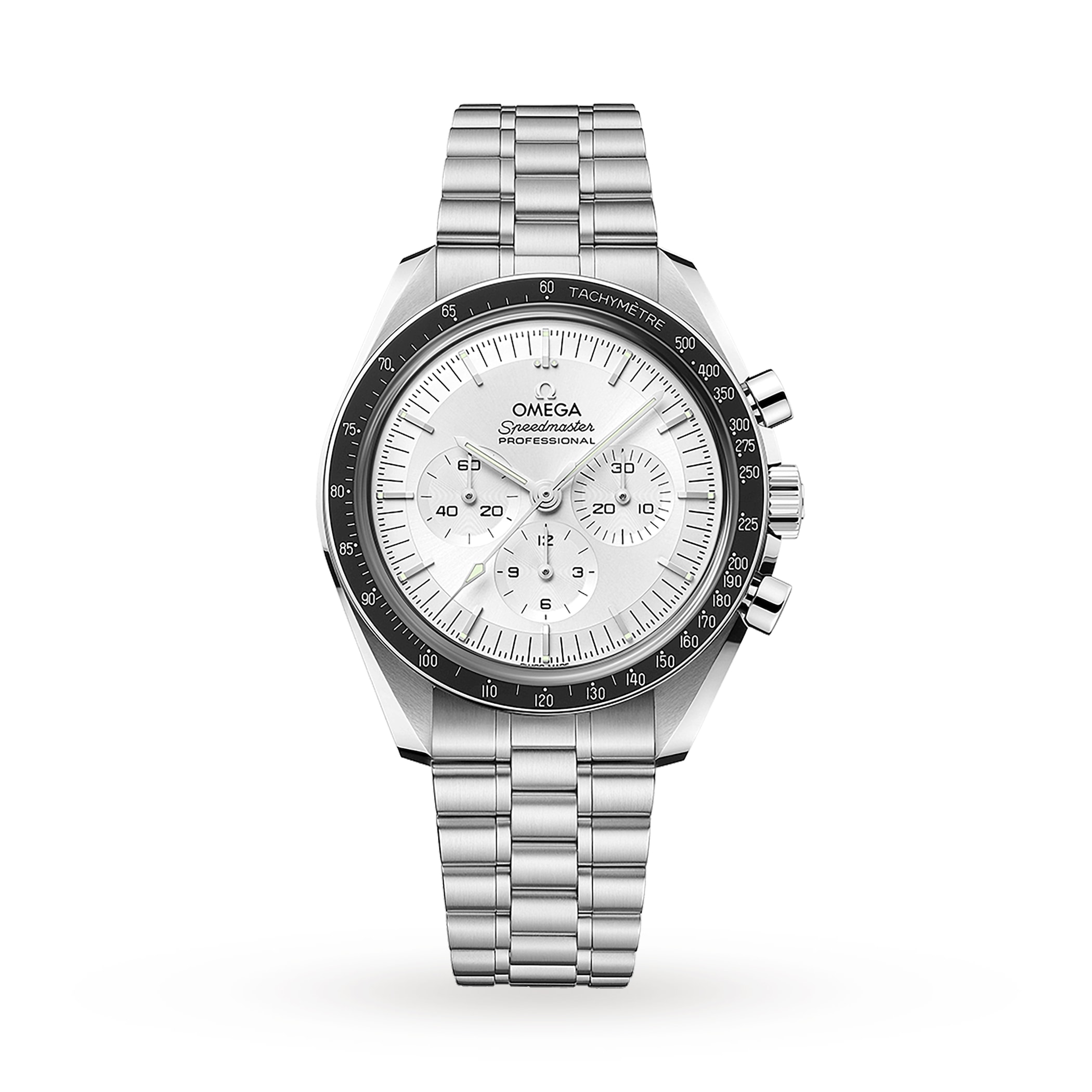 Speedmaster Moonwatch41 pcs · from 5 946.00 €
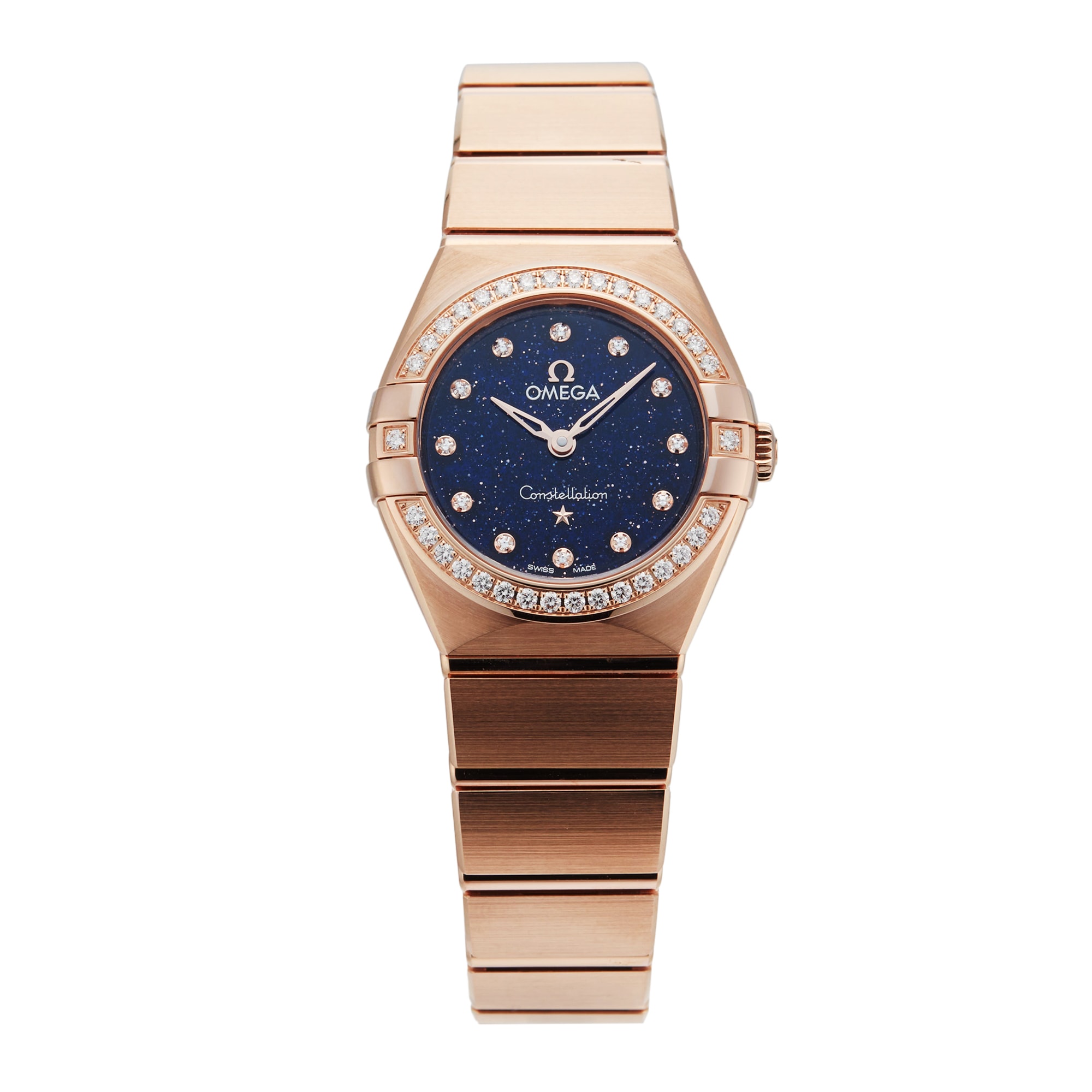 Constellation35 pcs · from 1 919.77 €
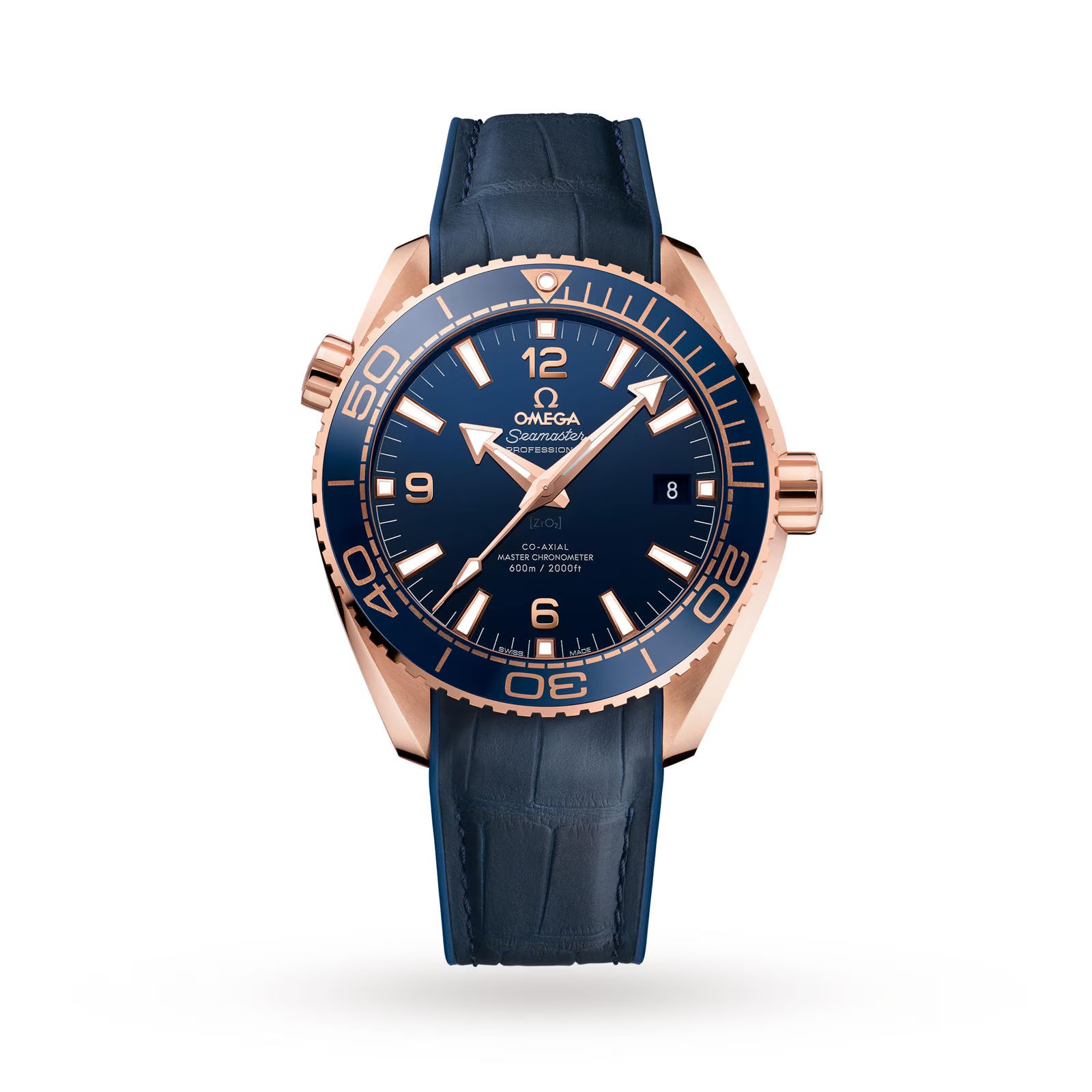 Seamaster Planet34 pcs · from 6 043.73 €
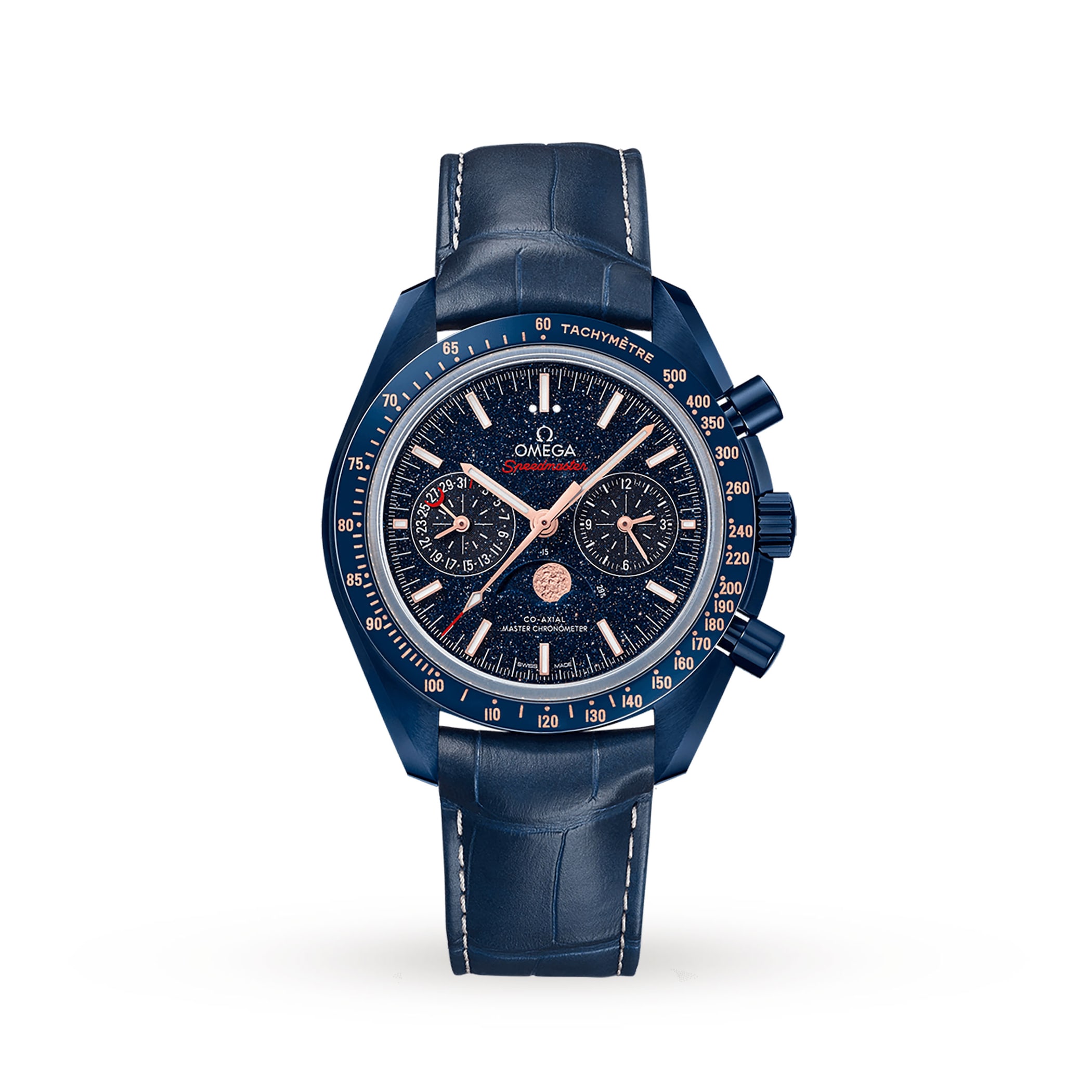 Speedmaster29 pcs · from 4 746.00 €
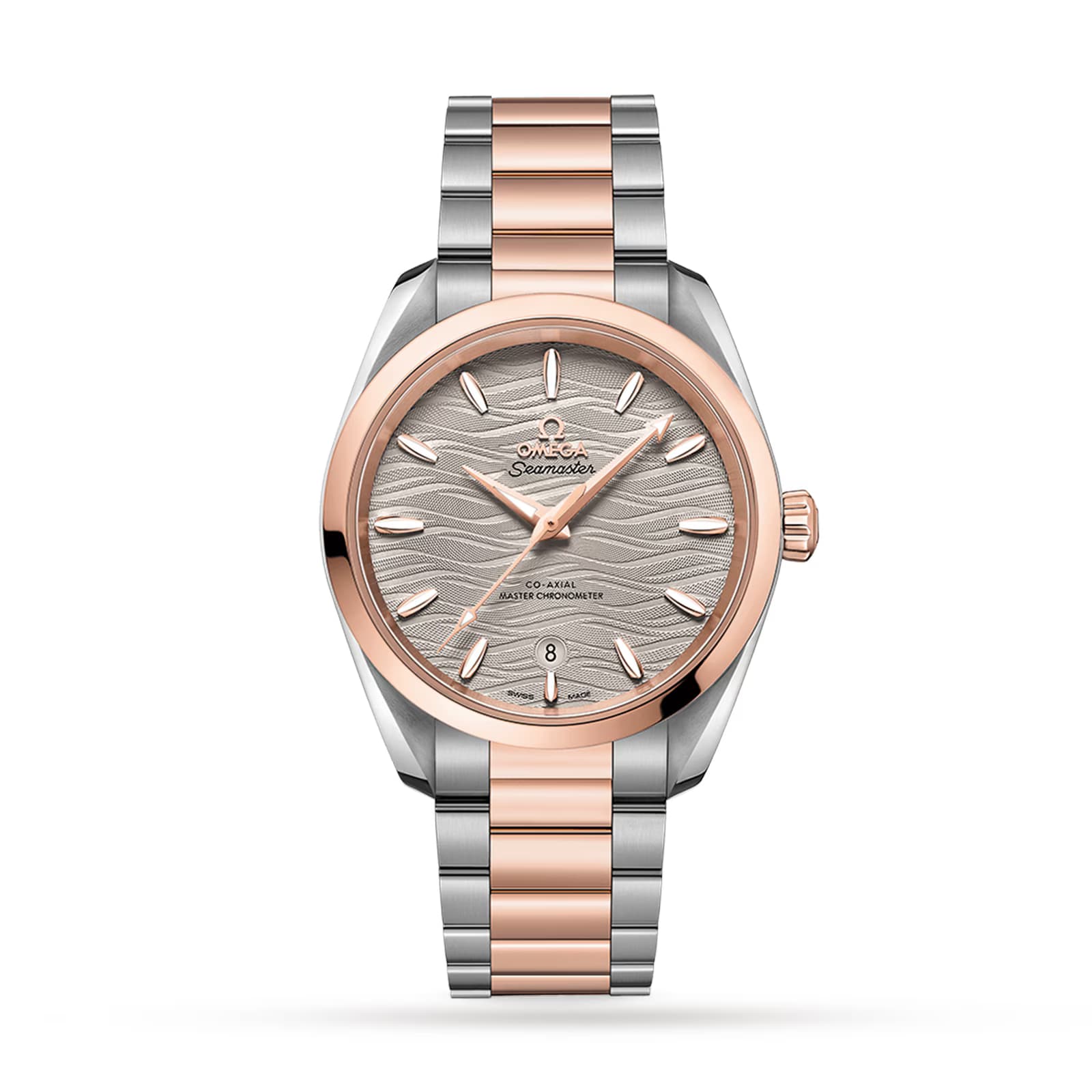 Aqua Terra28 pcs · from 3 540.00 €
 Seamaster23 pcs · from 2 052.00 €
 Planet Ocean21 pcs · from 4 086.00 €
Models
 Sub31 pcs · from 1 635.36 €
 H. Moser30 pcs · from 21 757.43 €
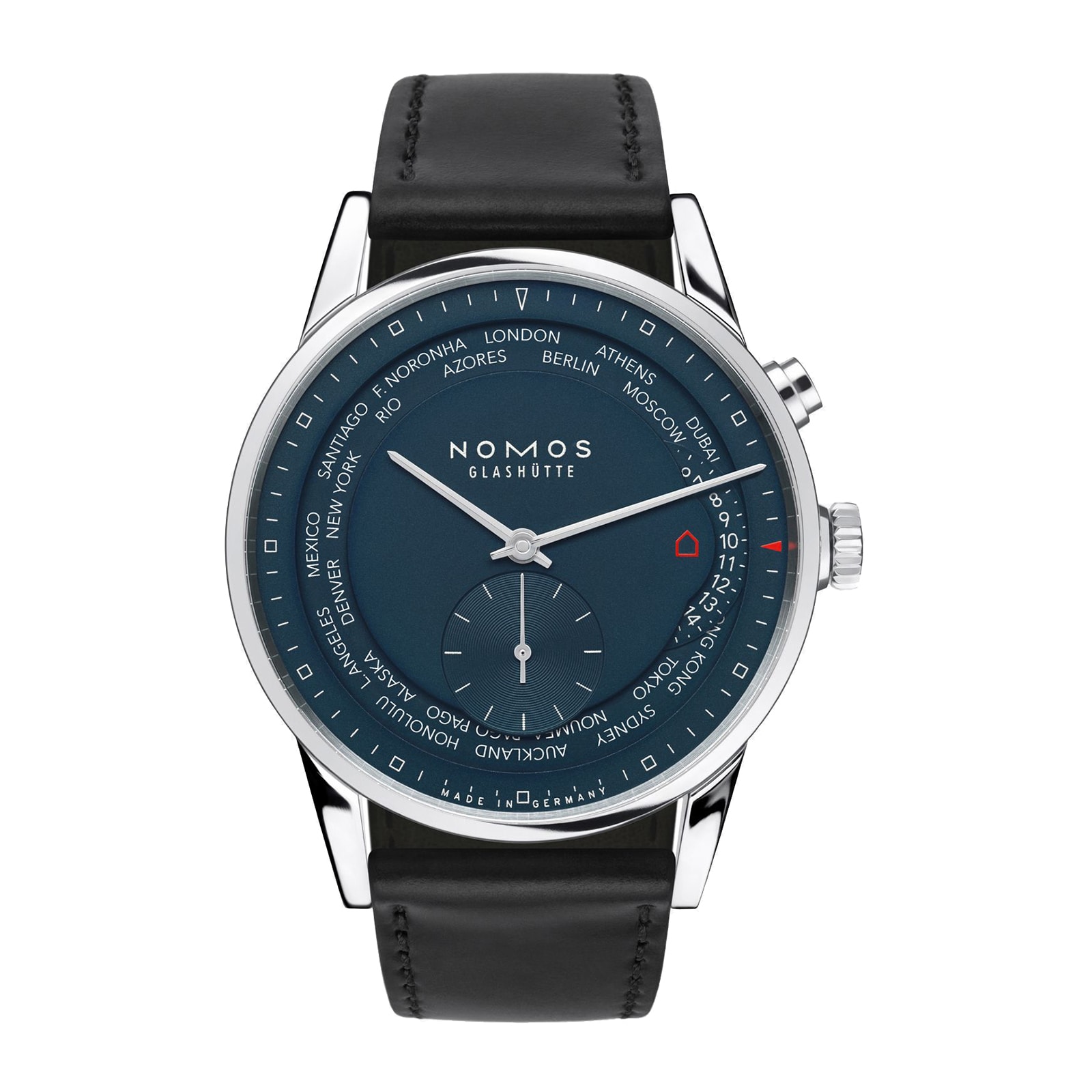 Nomos Glashutte29 pcs · from 2 104.64 €
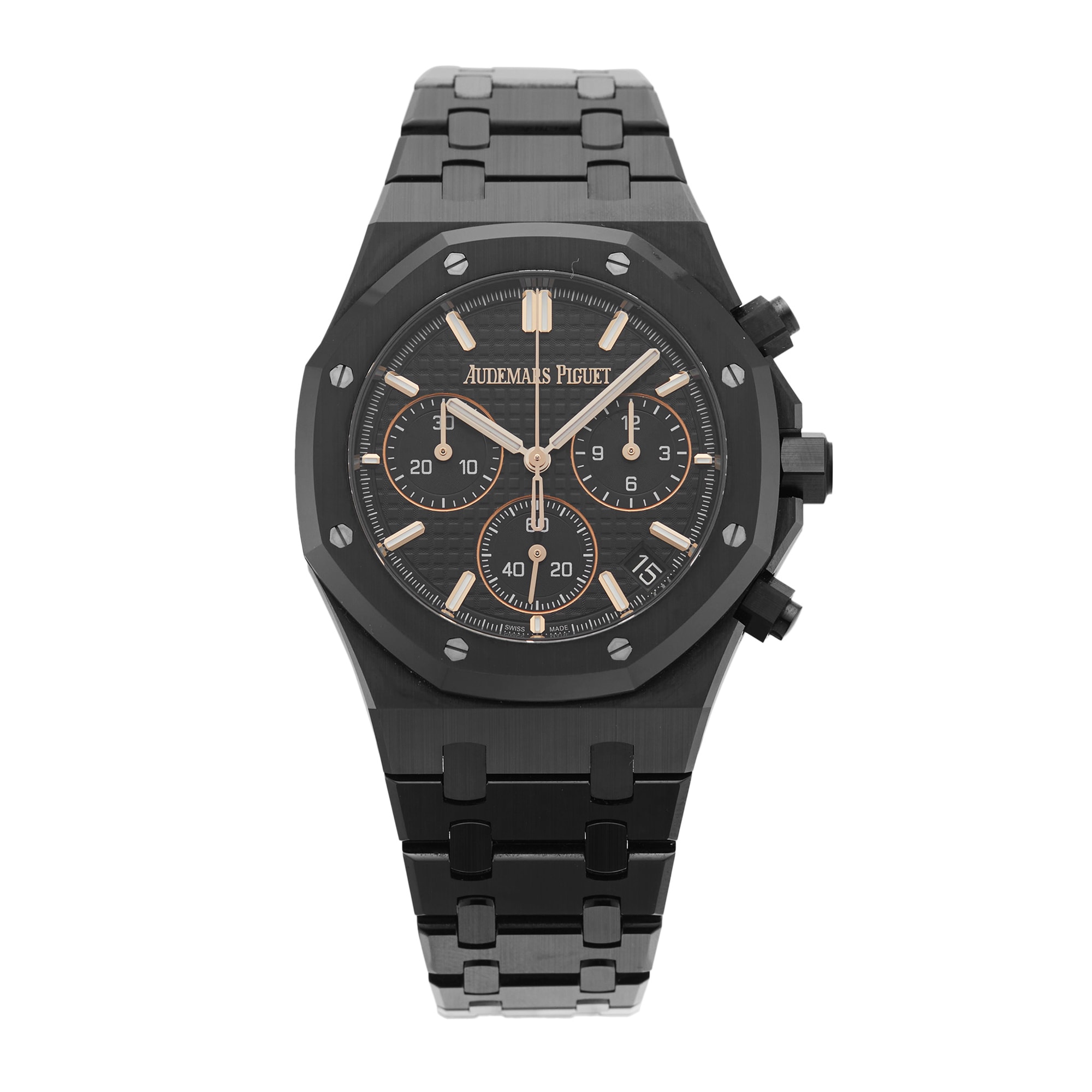 Royal Oak22 pcs · from 21 240.00 €
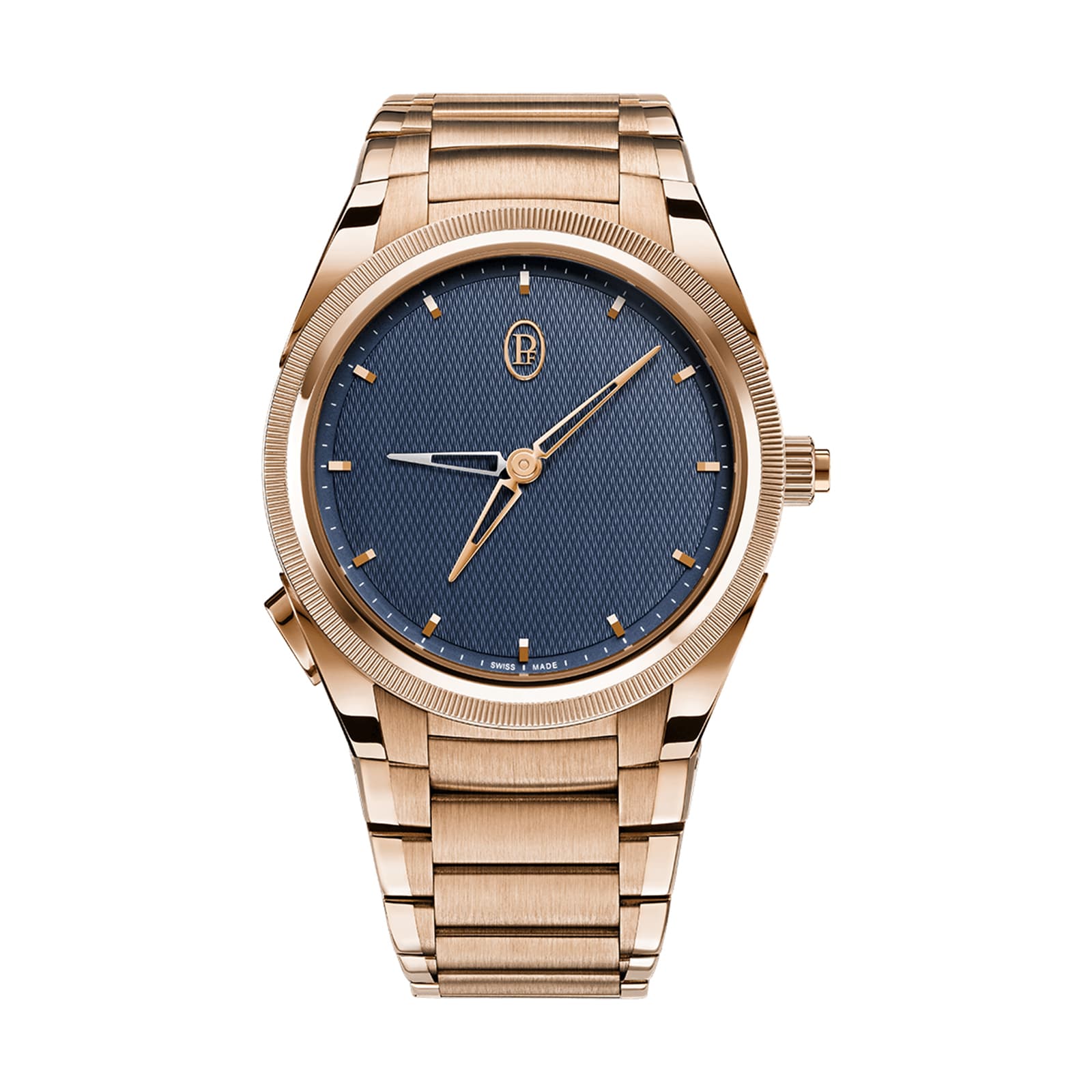 Tonda PF18 pcs · from 28 298.87 €
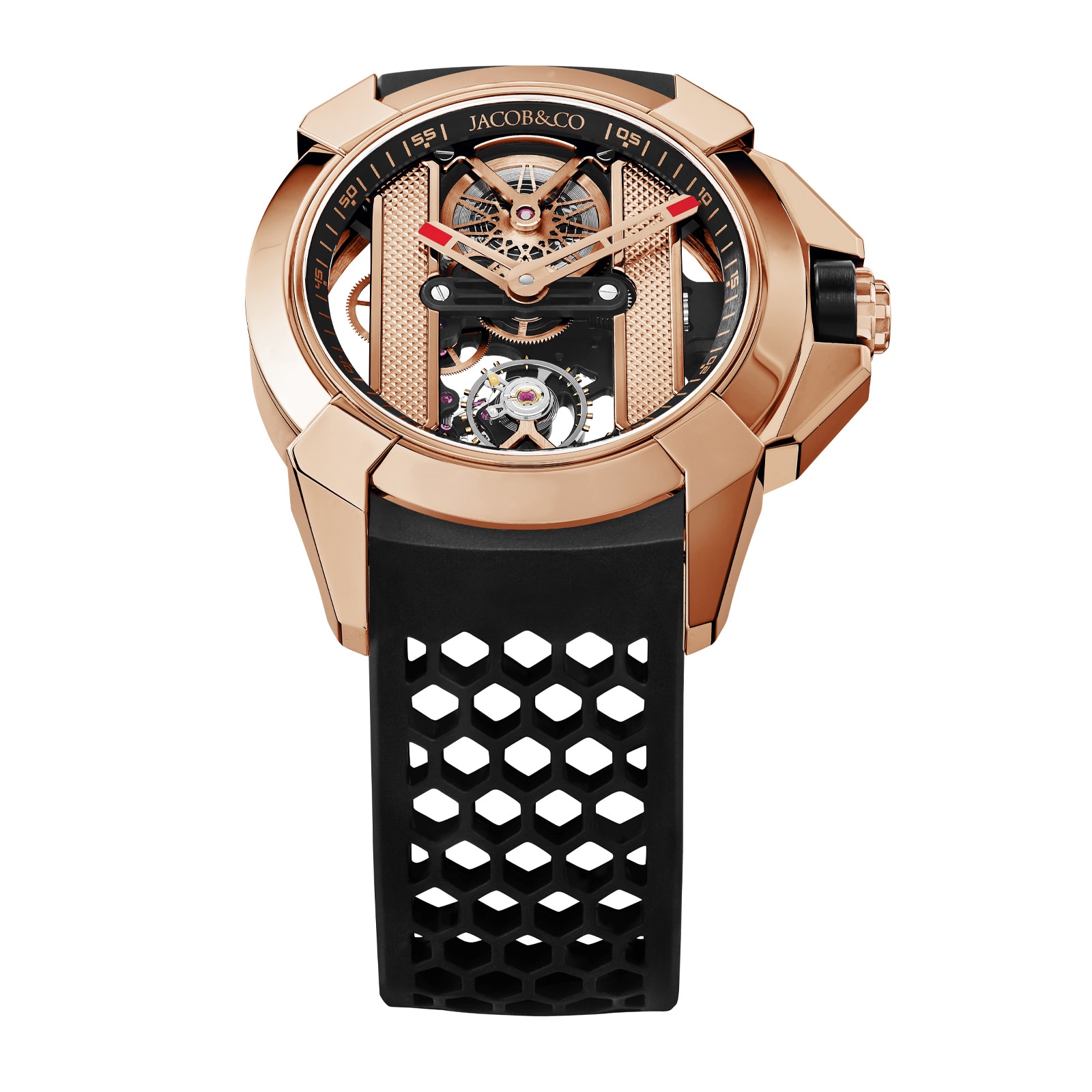 Epic X14 pcs · from 30 574.16 €
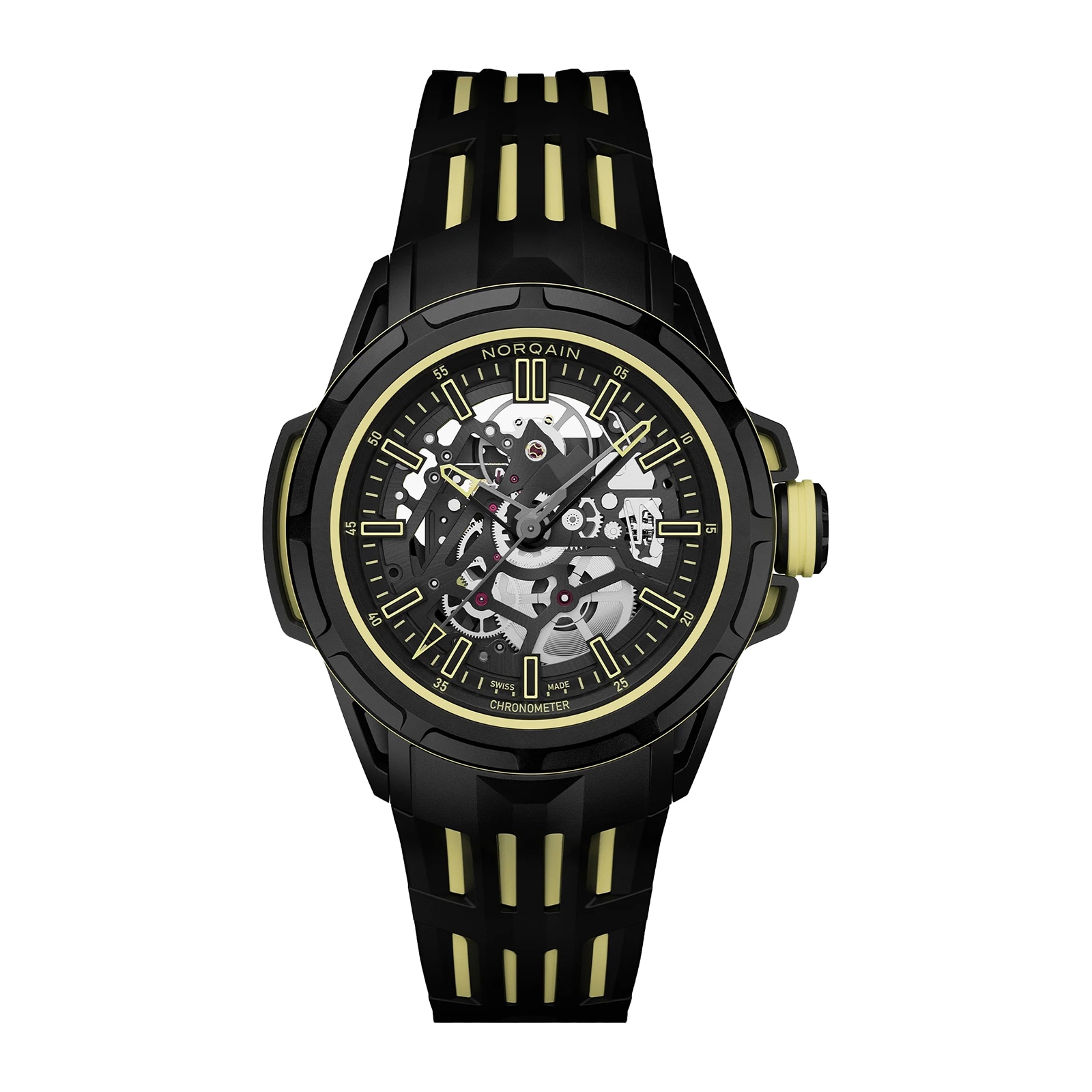 Wild ONE12 pcs · from 6 896.96 €
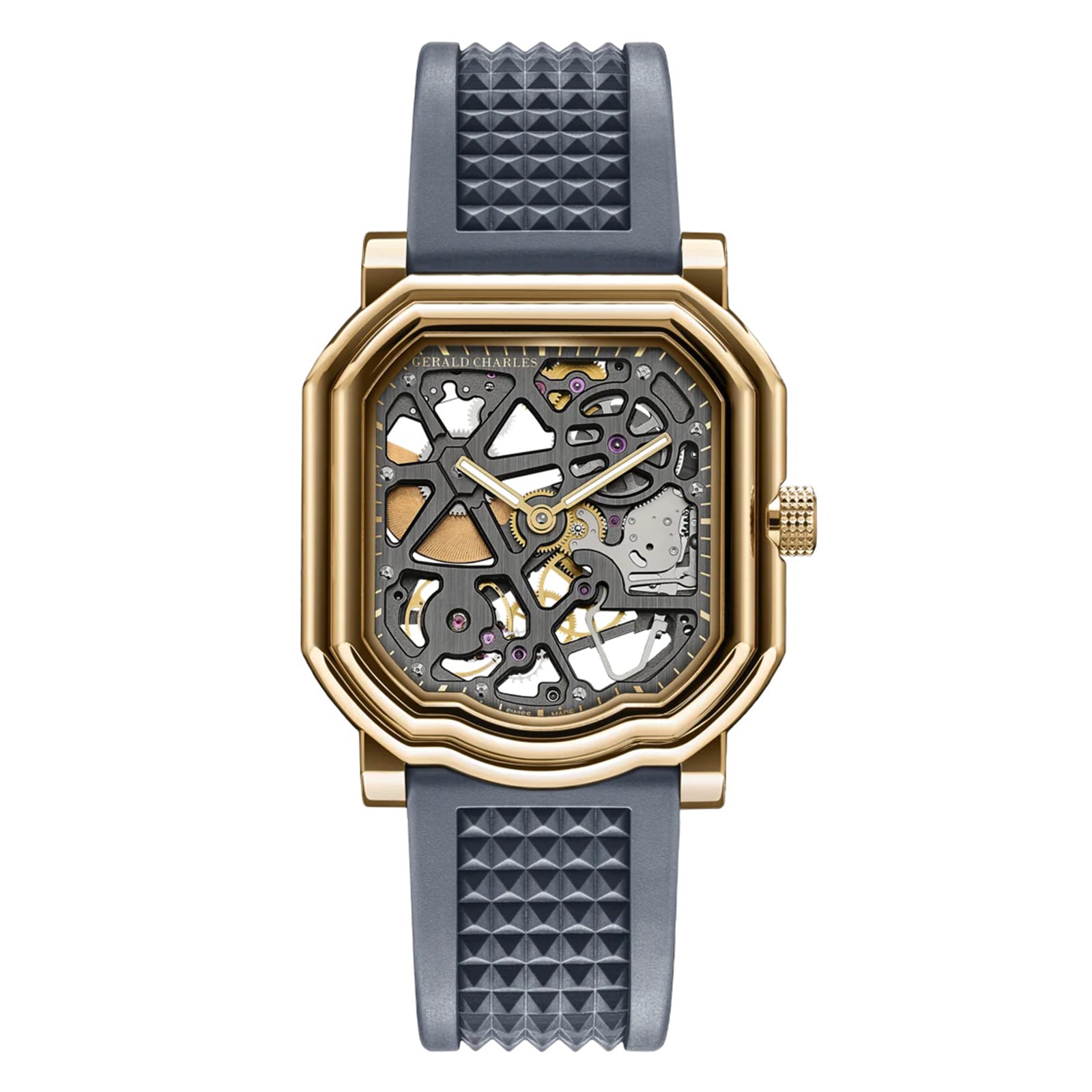 Maestro11 pcs · from 22 695.98 €
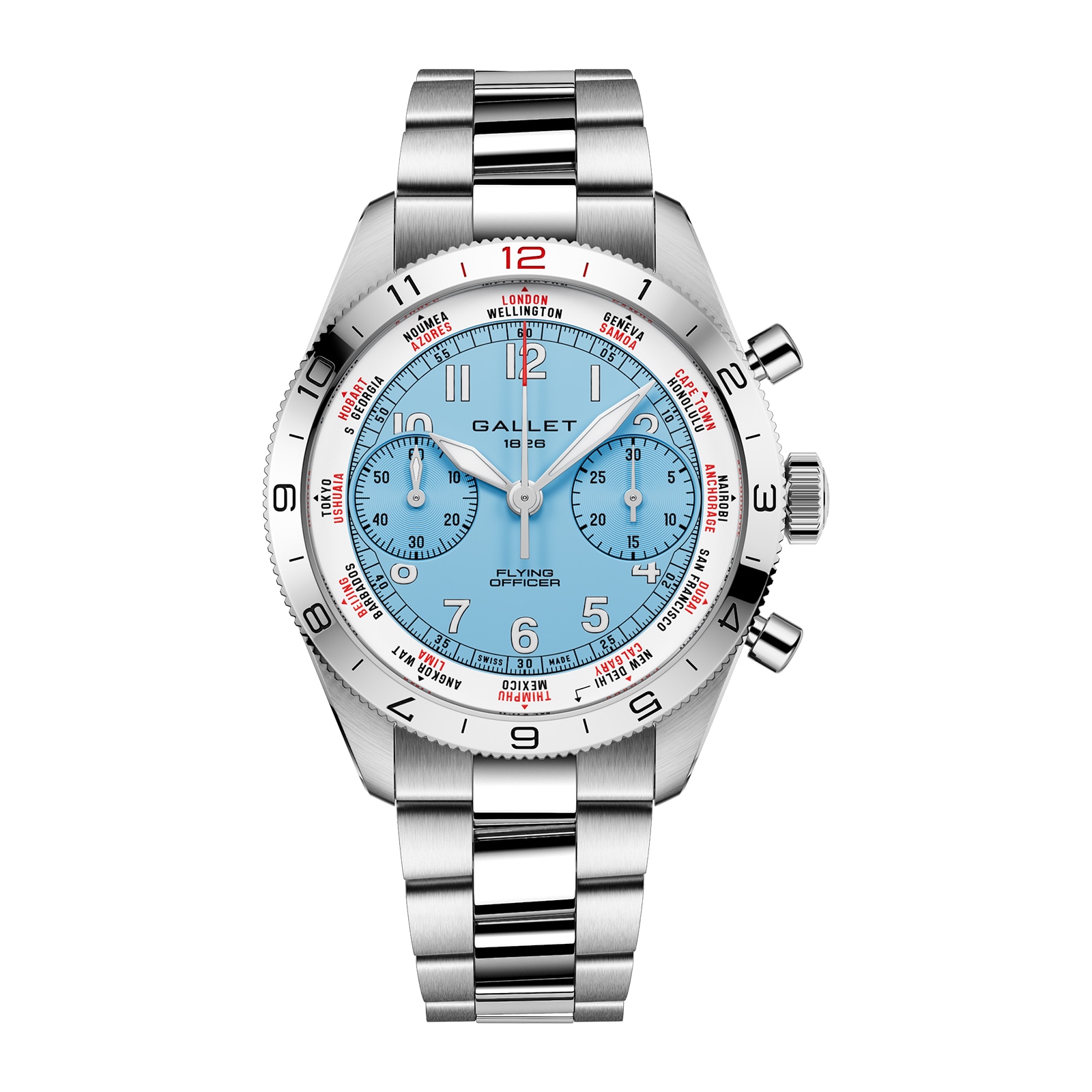 Flying Officer10 pcs · from 568.82 €
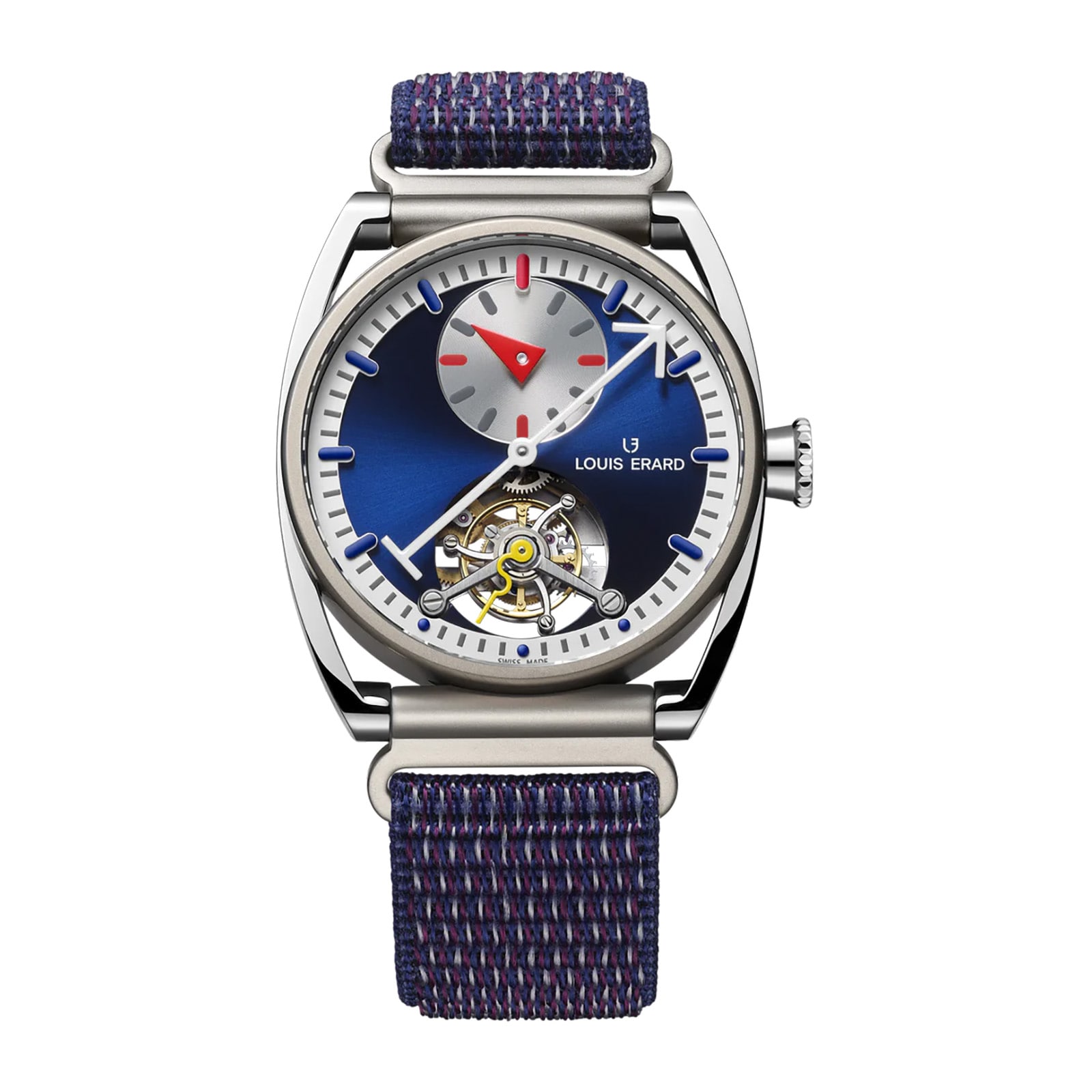 Le Régulateur10 pcs · from 3 555.13 €
Models
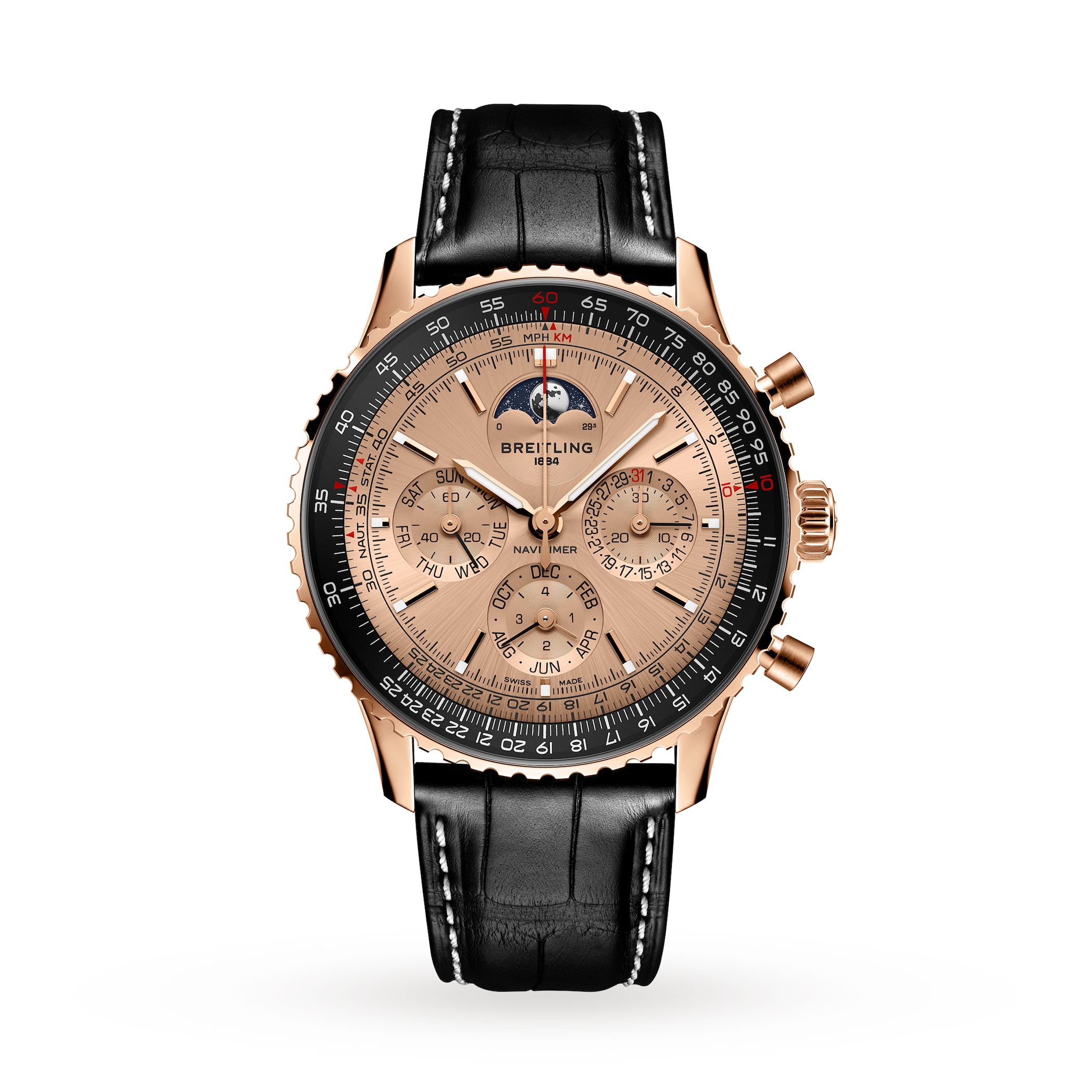 Navitimer114 pcs · from 3 468.00 €
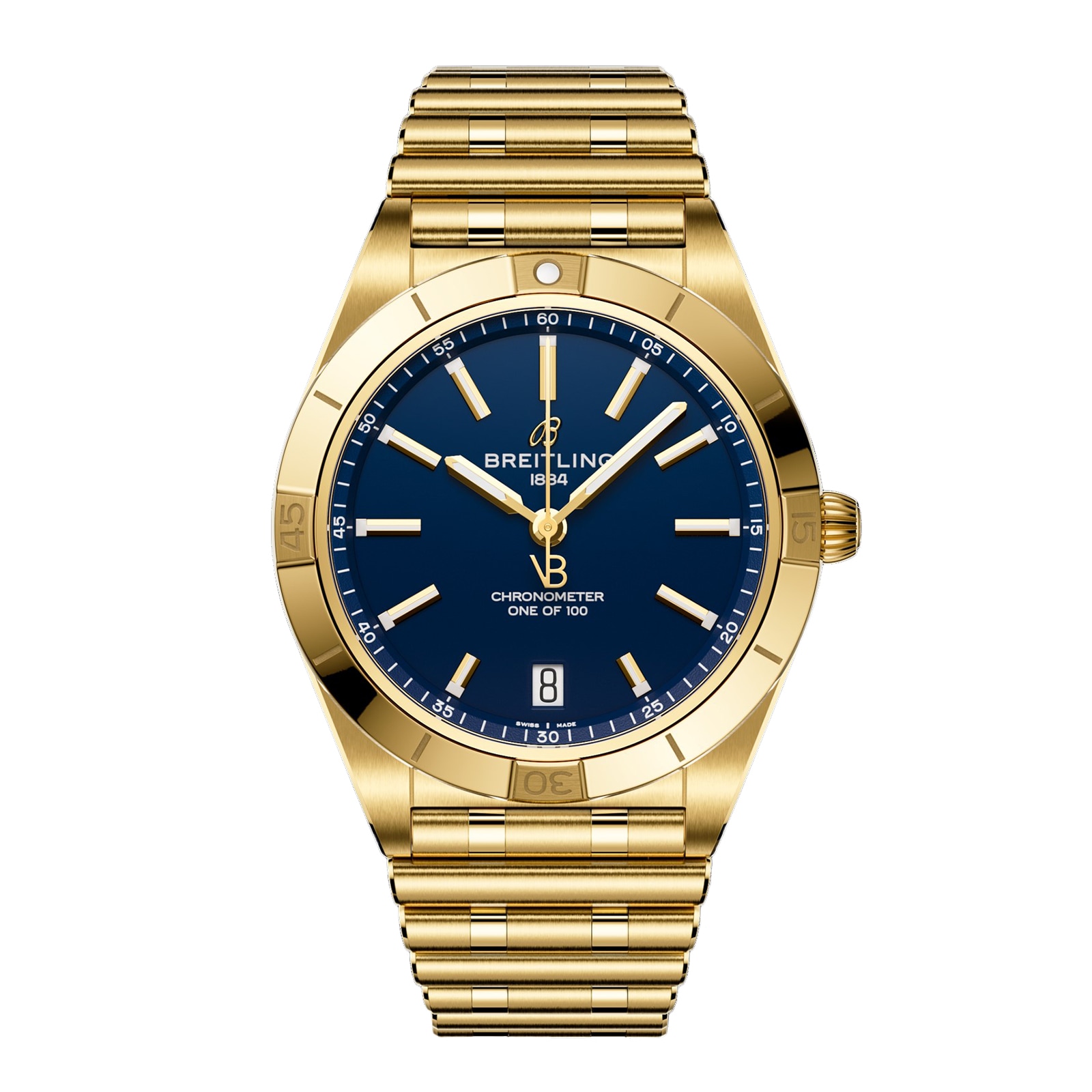 Chronomat101 pcs · from 3 252.00 €
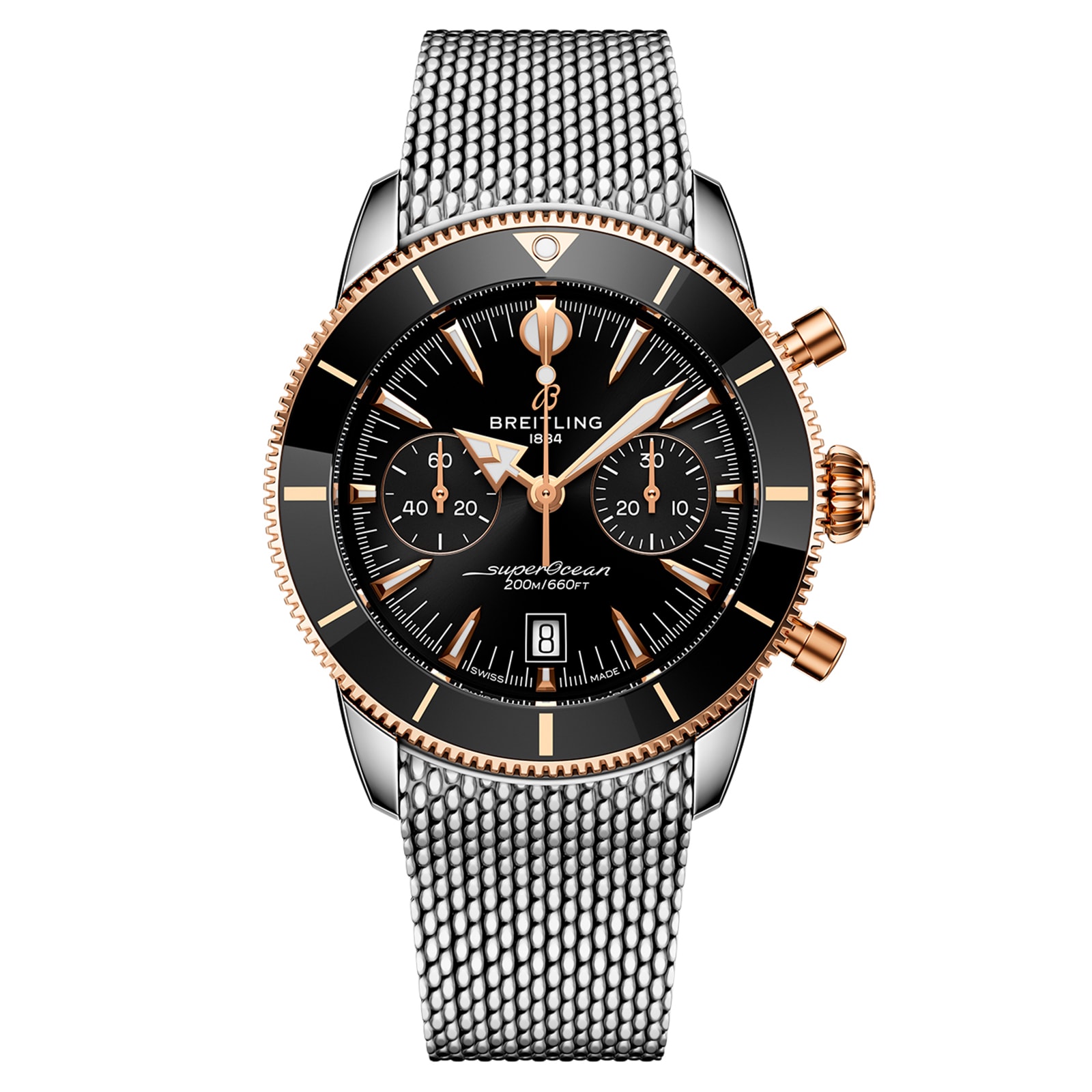 Superocean Heritage54 pcs · from 3 974.64 €
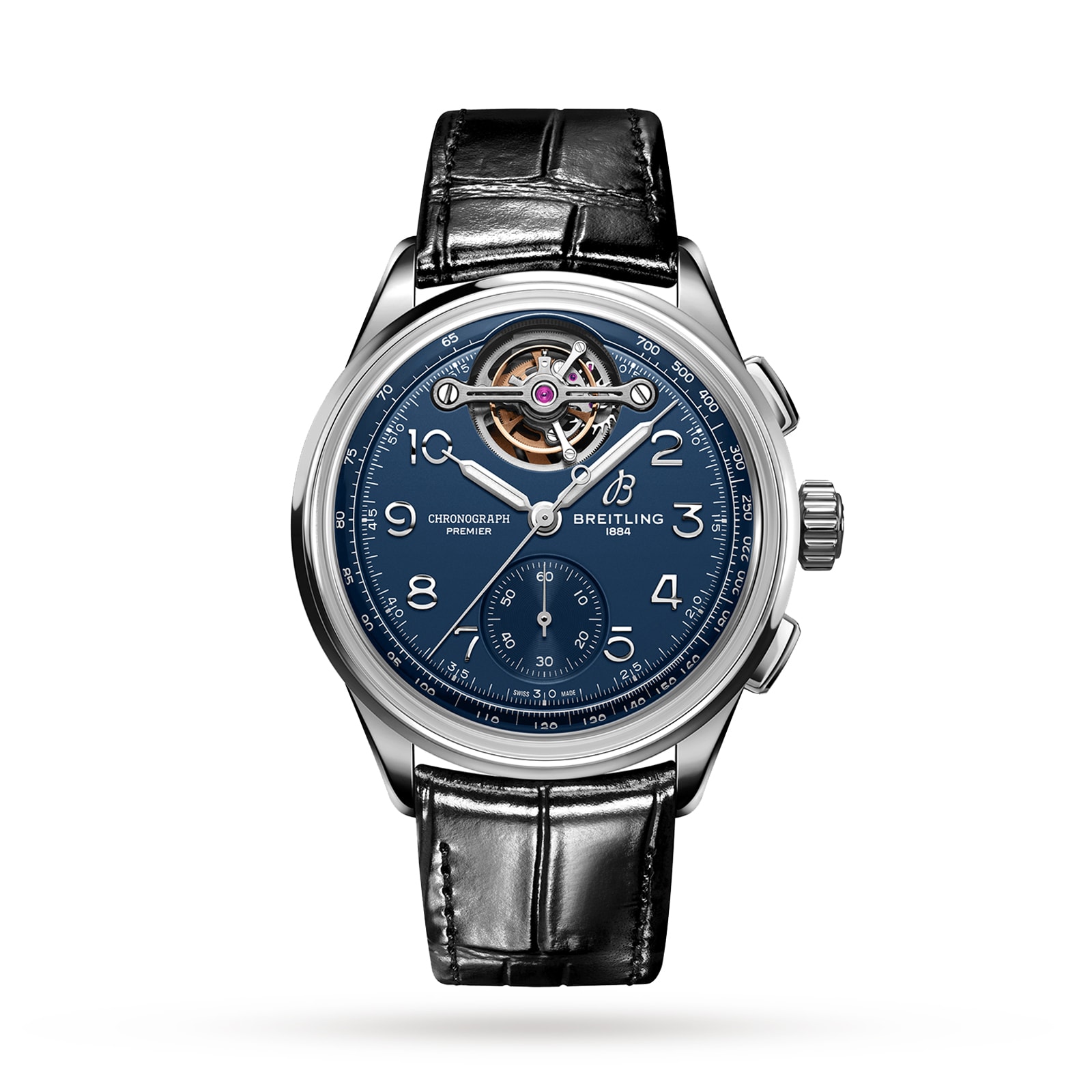 Premier50 pcs · from 5 688.22 €
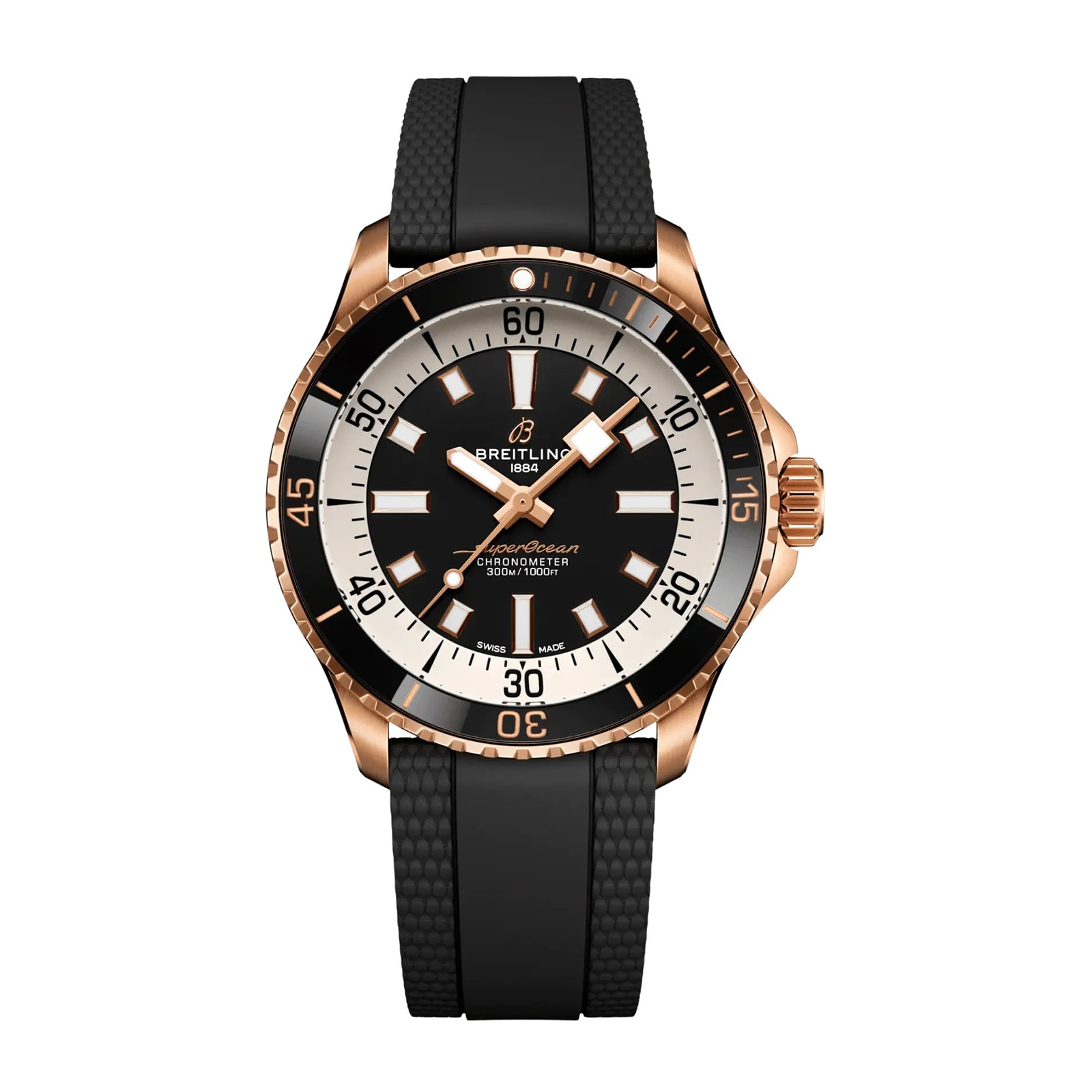 Superocean45 pcs · from 3 042.00 €
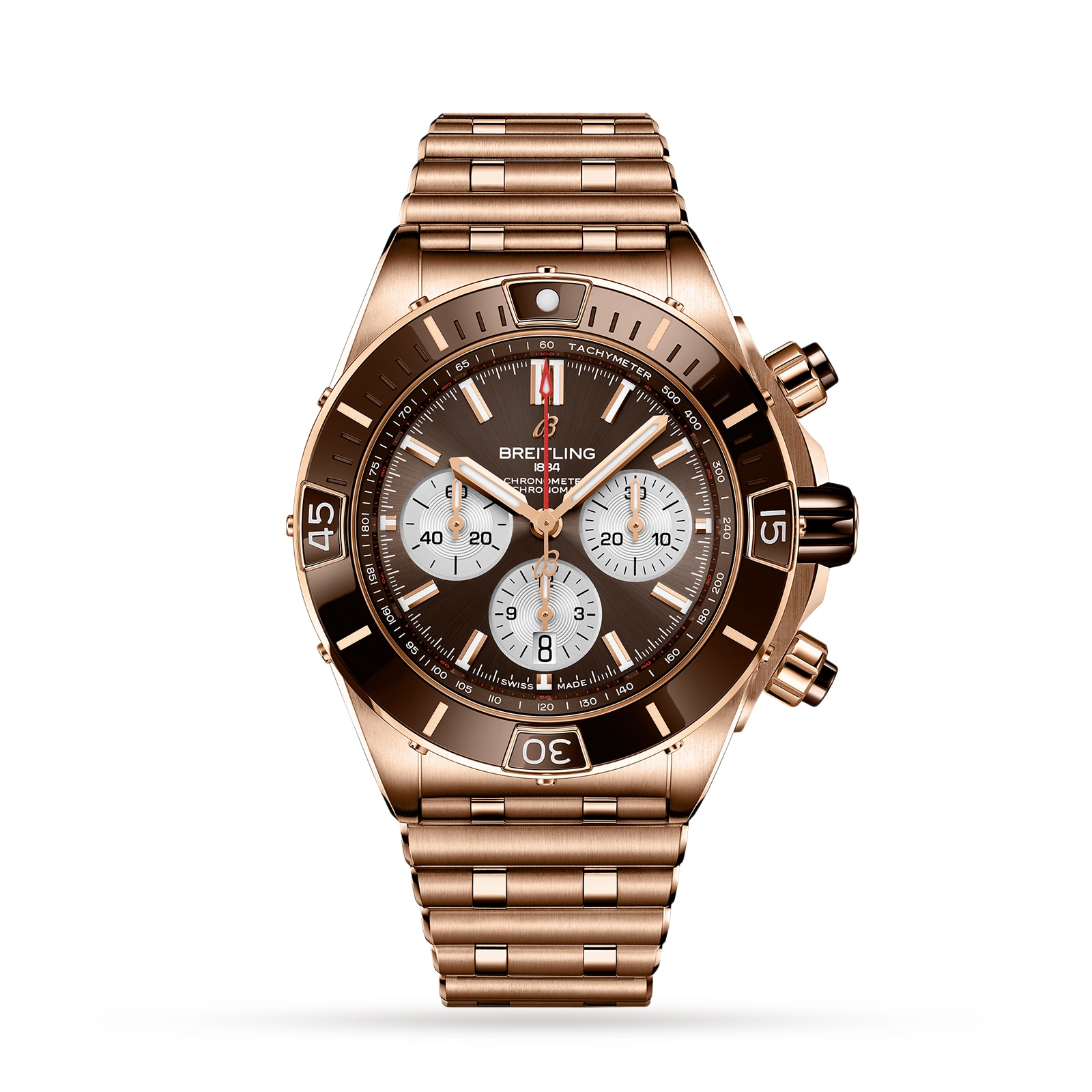 Super Chronomat35 pcs · from 8 240.80 €
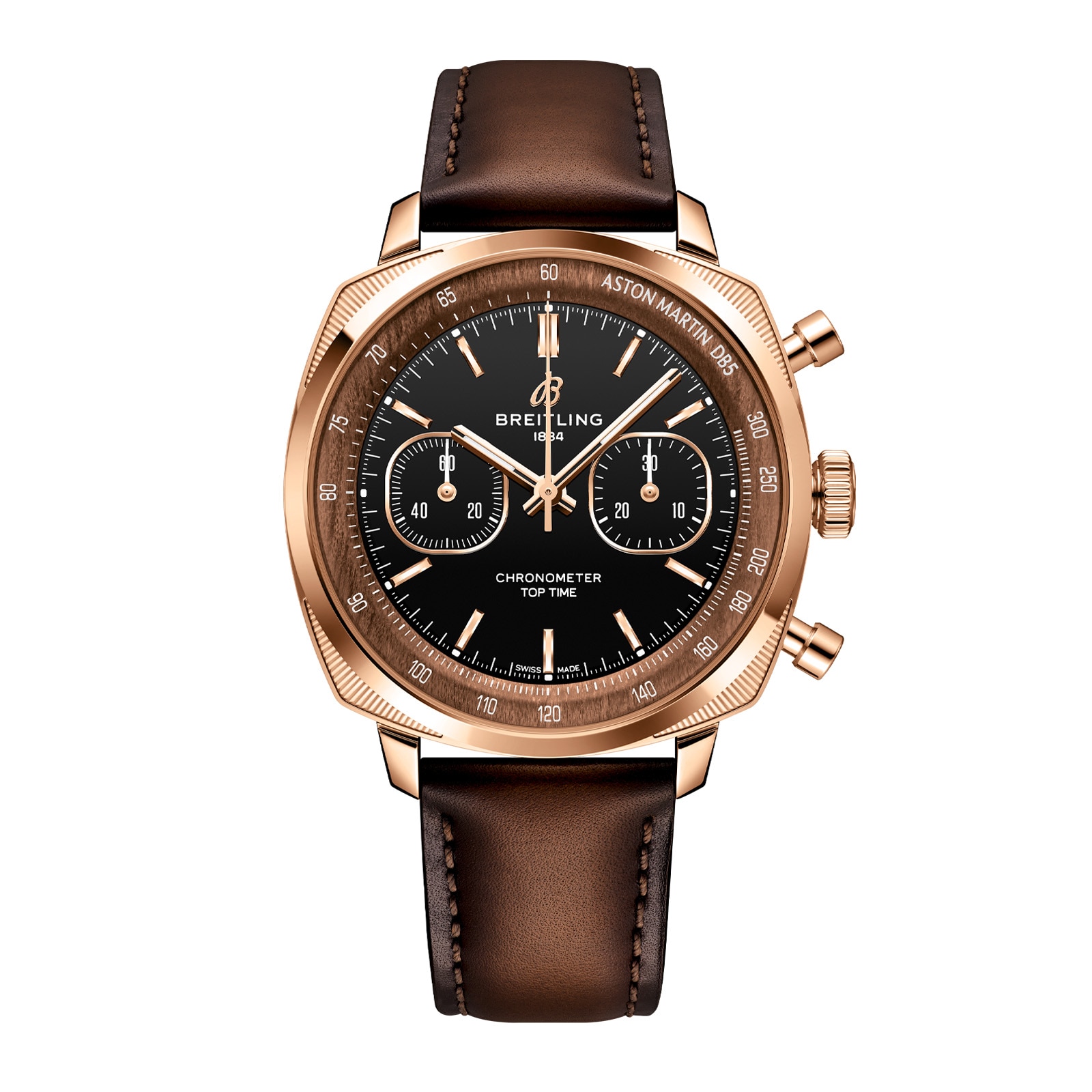 Top Time25 pcs · from 4 906.09 €
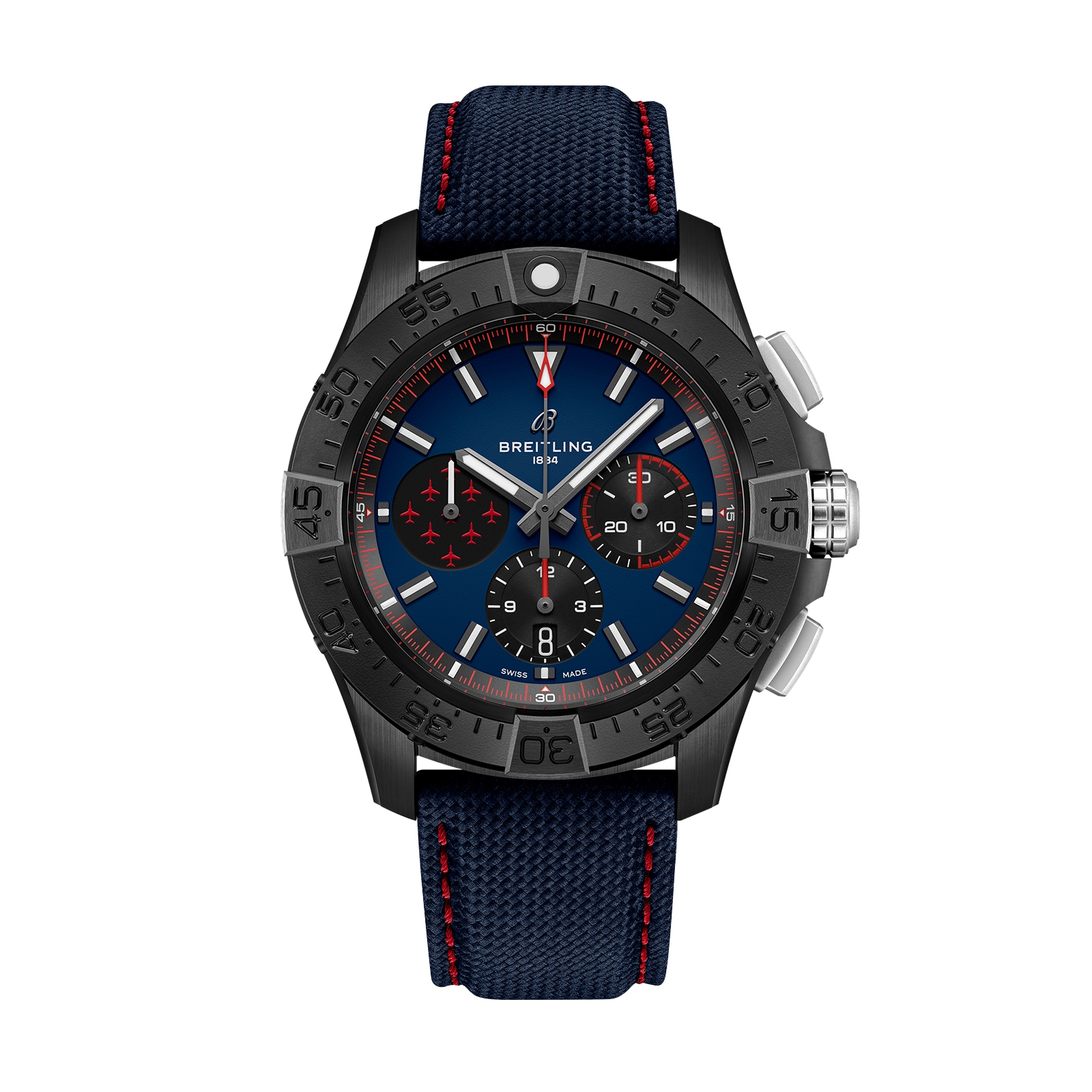 Avenger23 pcs · from 3 341.83 €
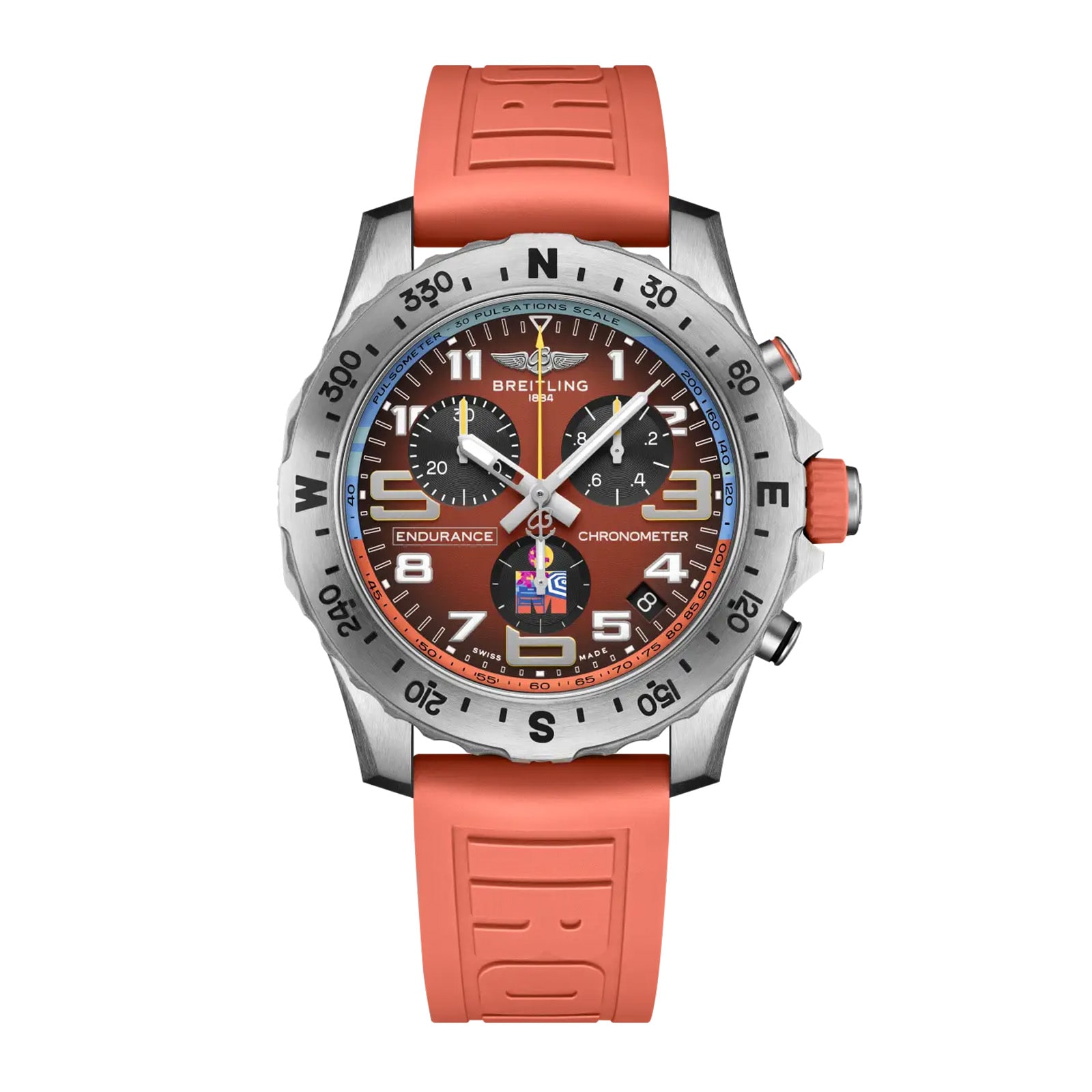 Endurance Pro15 pcs · from 2 832.00 €
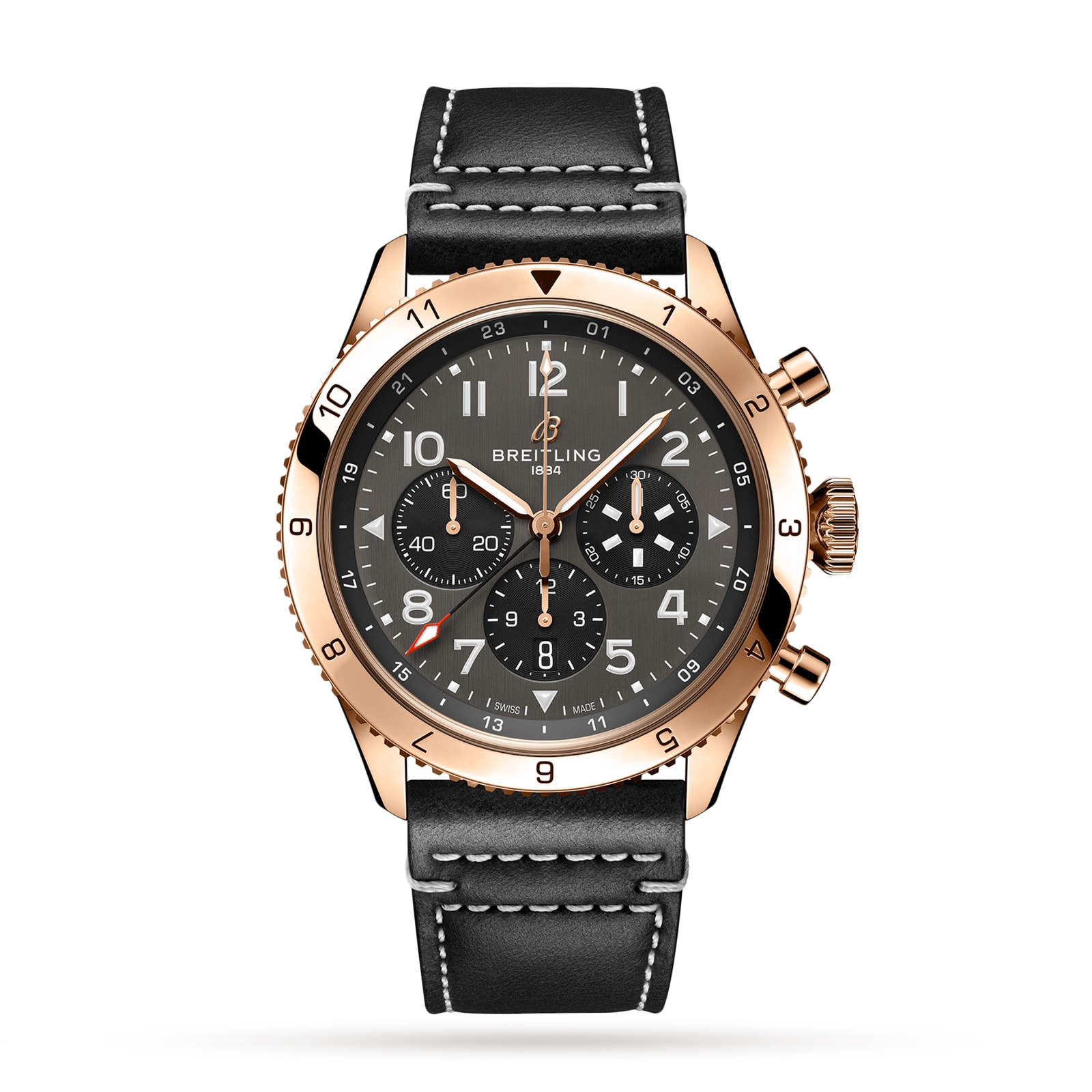 Super AVI13 pcs · from 7 434.00 €
Models
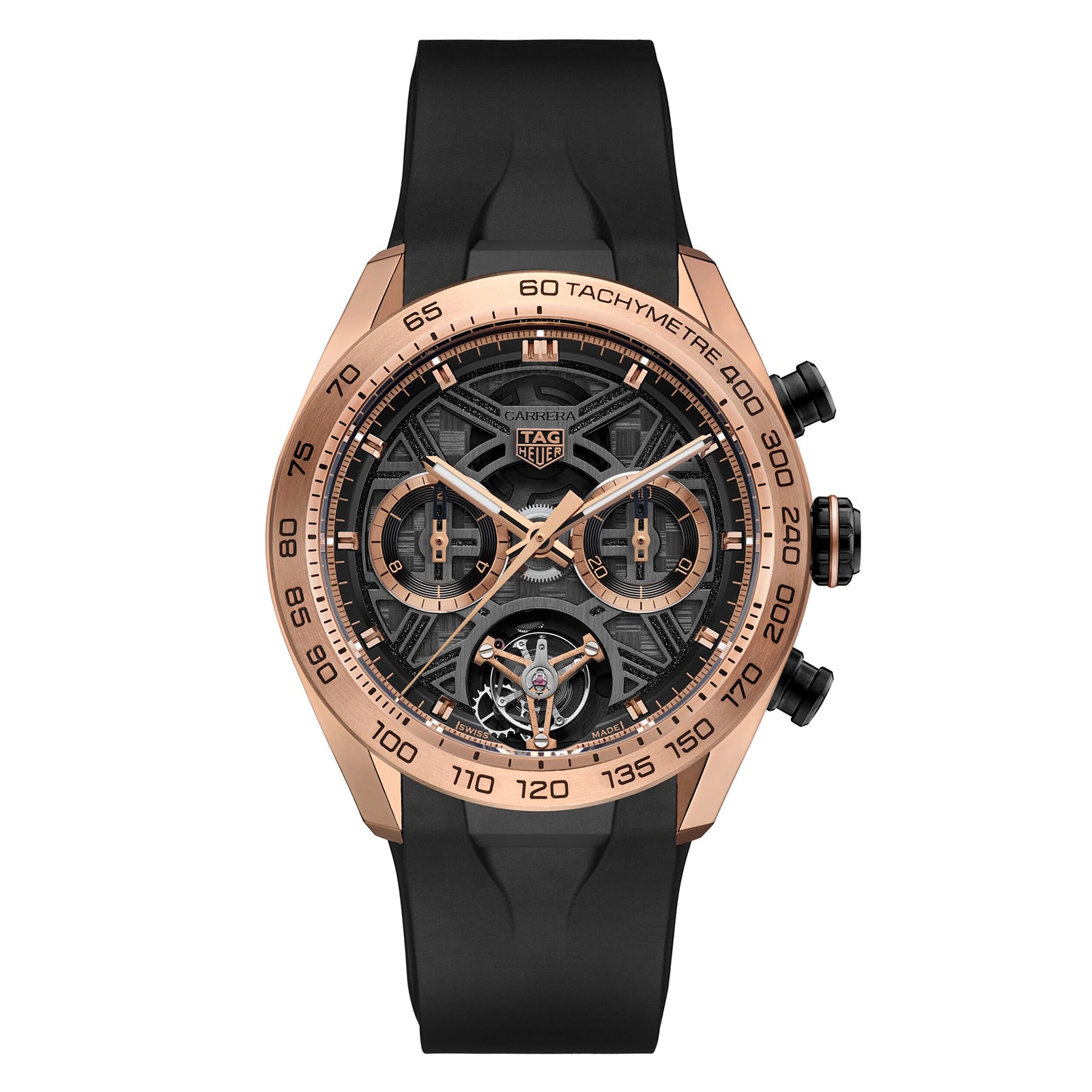 Carrera165 pcs · from 1 635.36 €
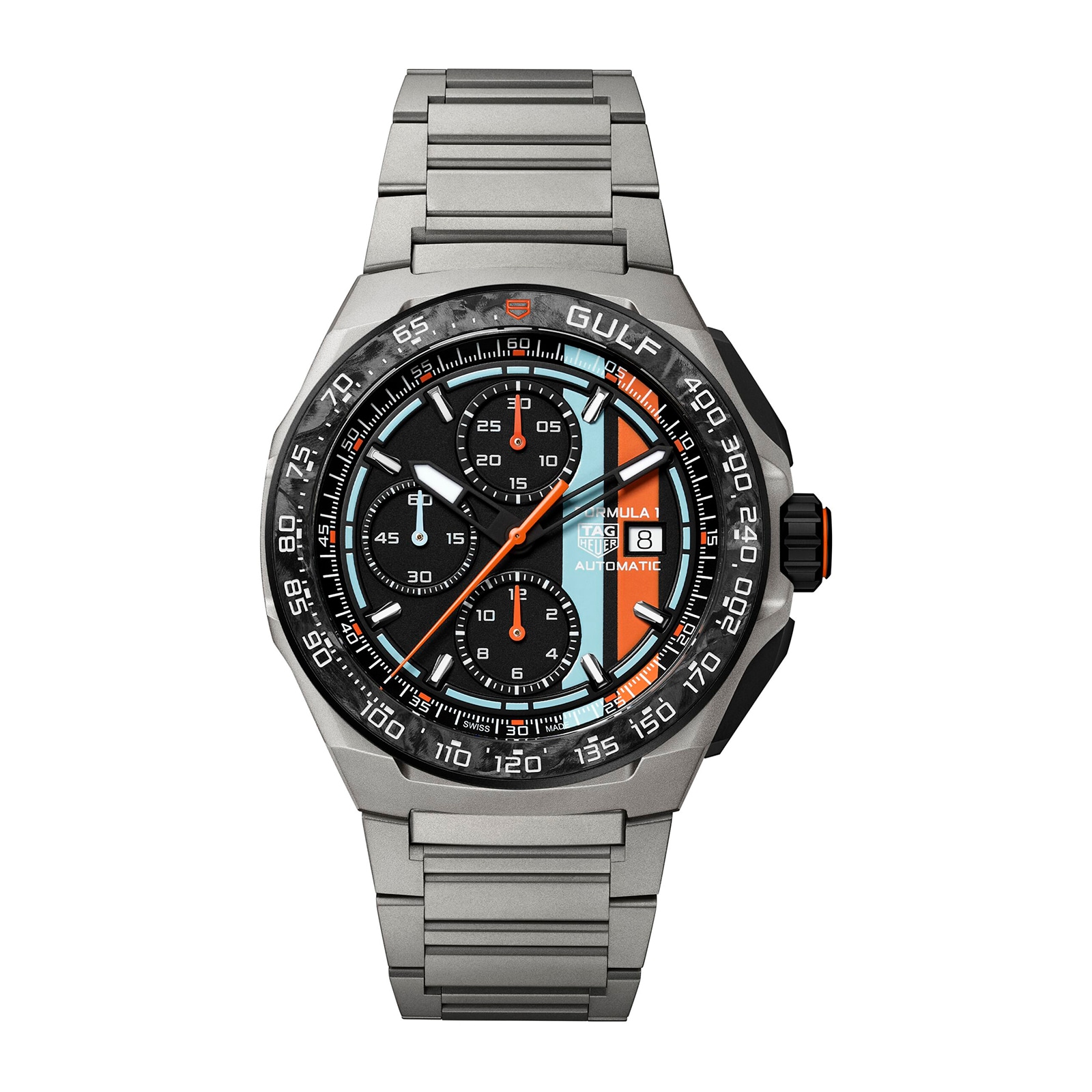 Formula91 pcs · from 1 116.00 €
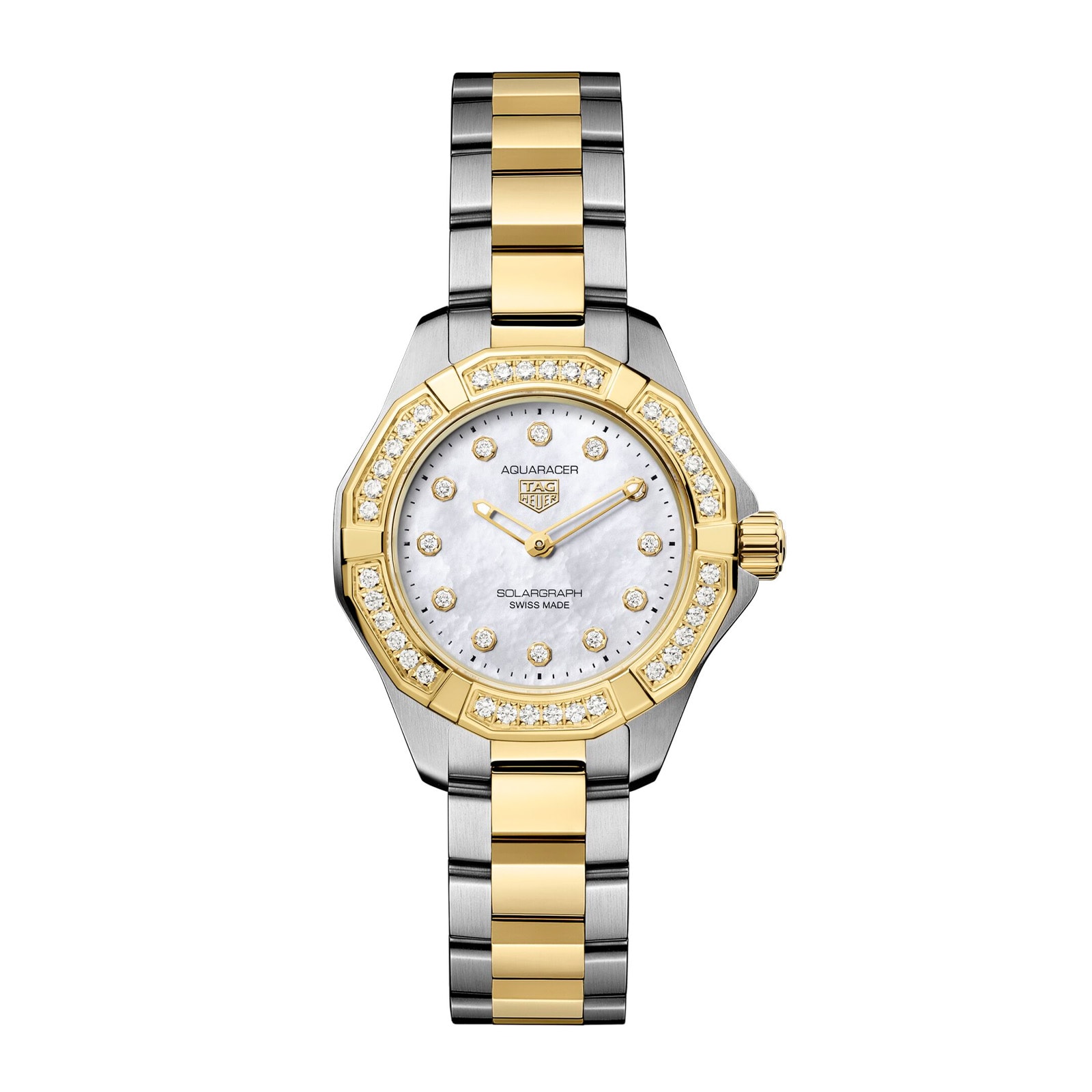 Aquaracer Professional80 pcs · from 2 061.98 €
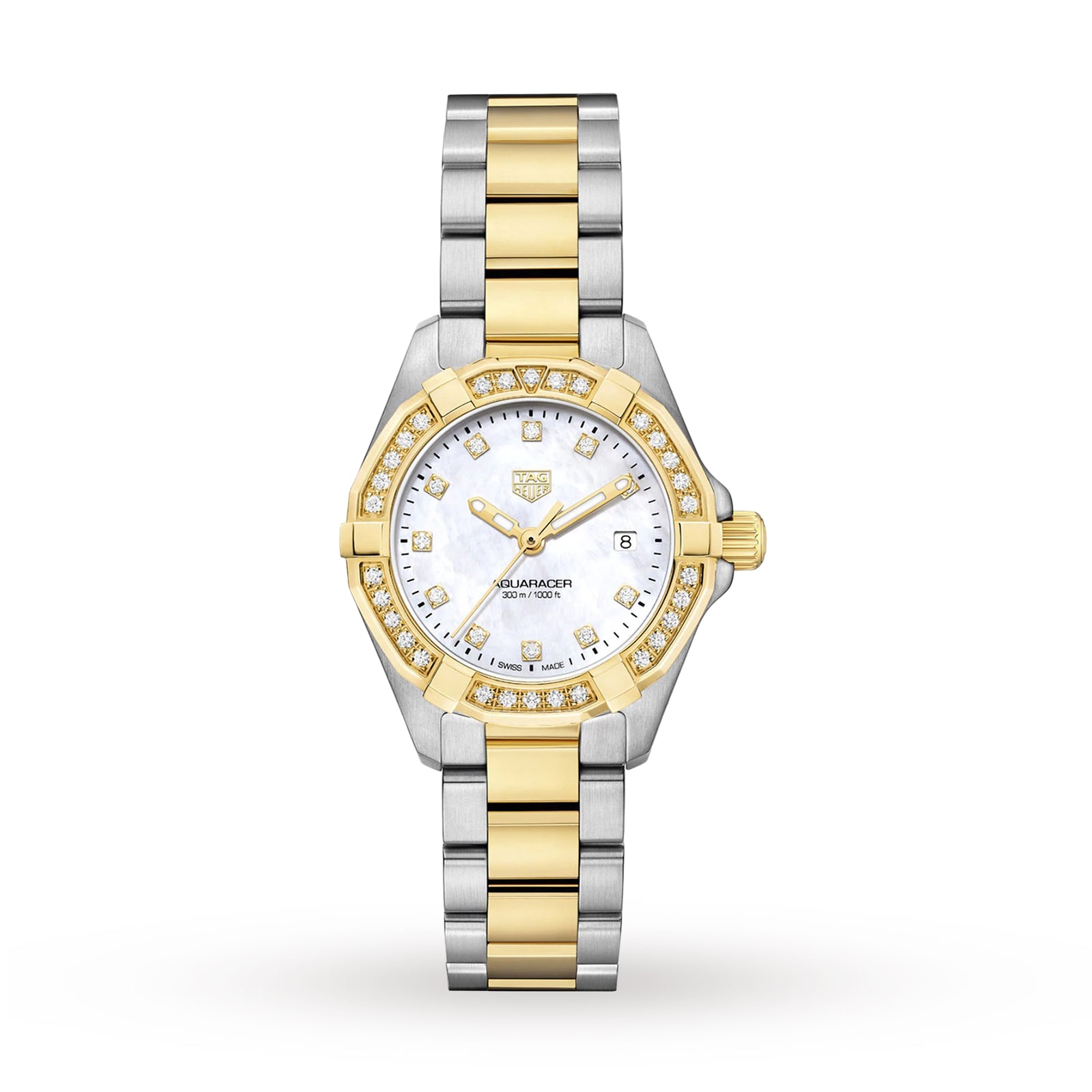 Aquaracer50 pcs · from 1 208.75 €
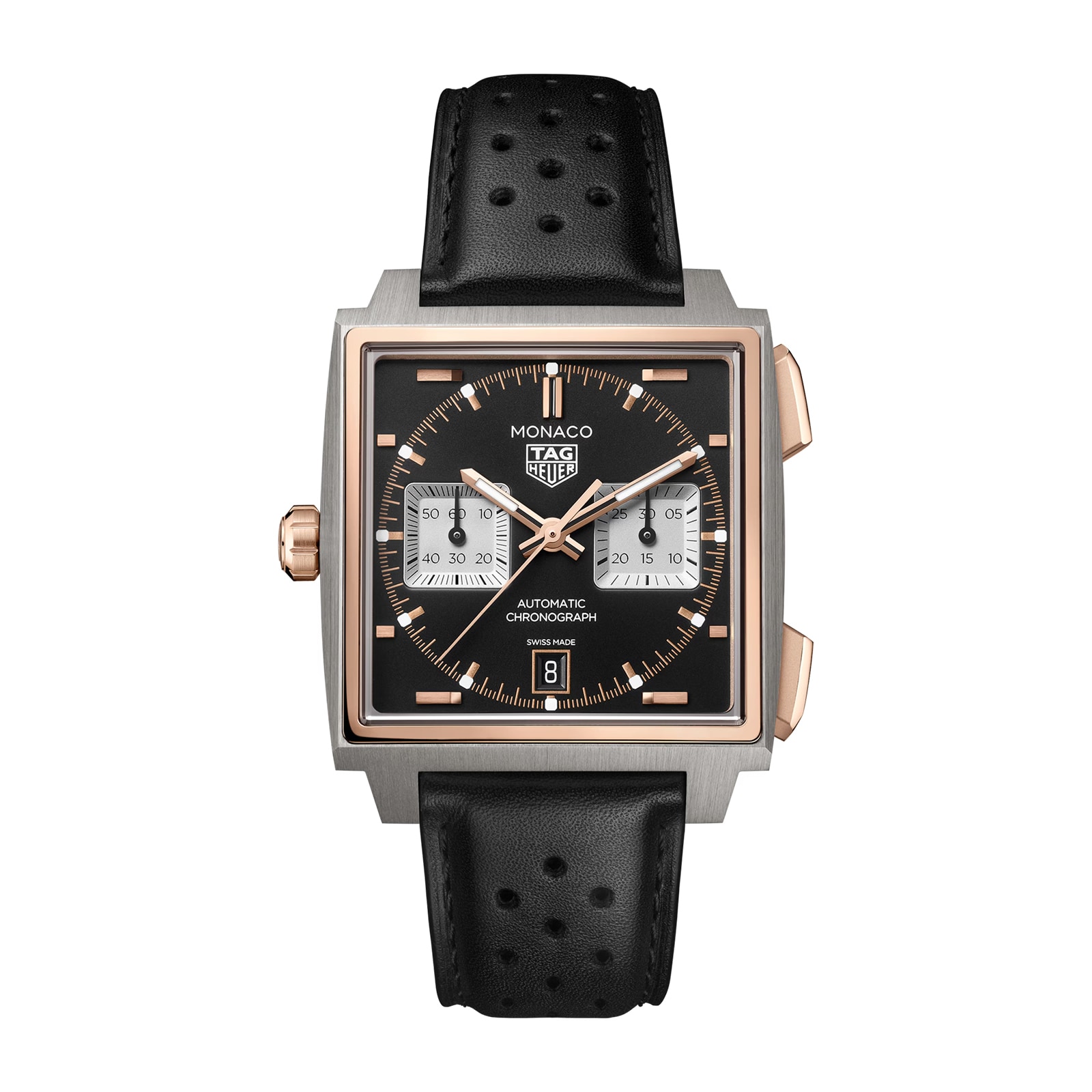 Monaco48 pcs · from 2 976.00 €
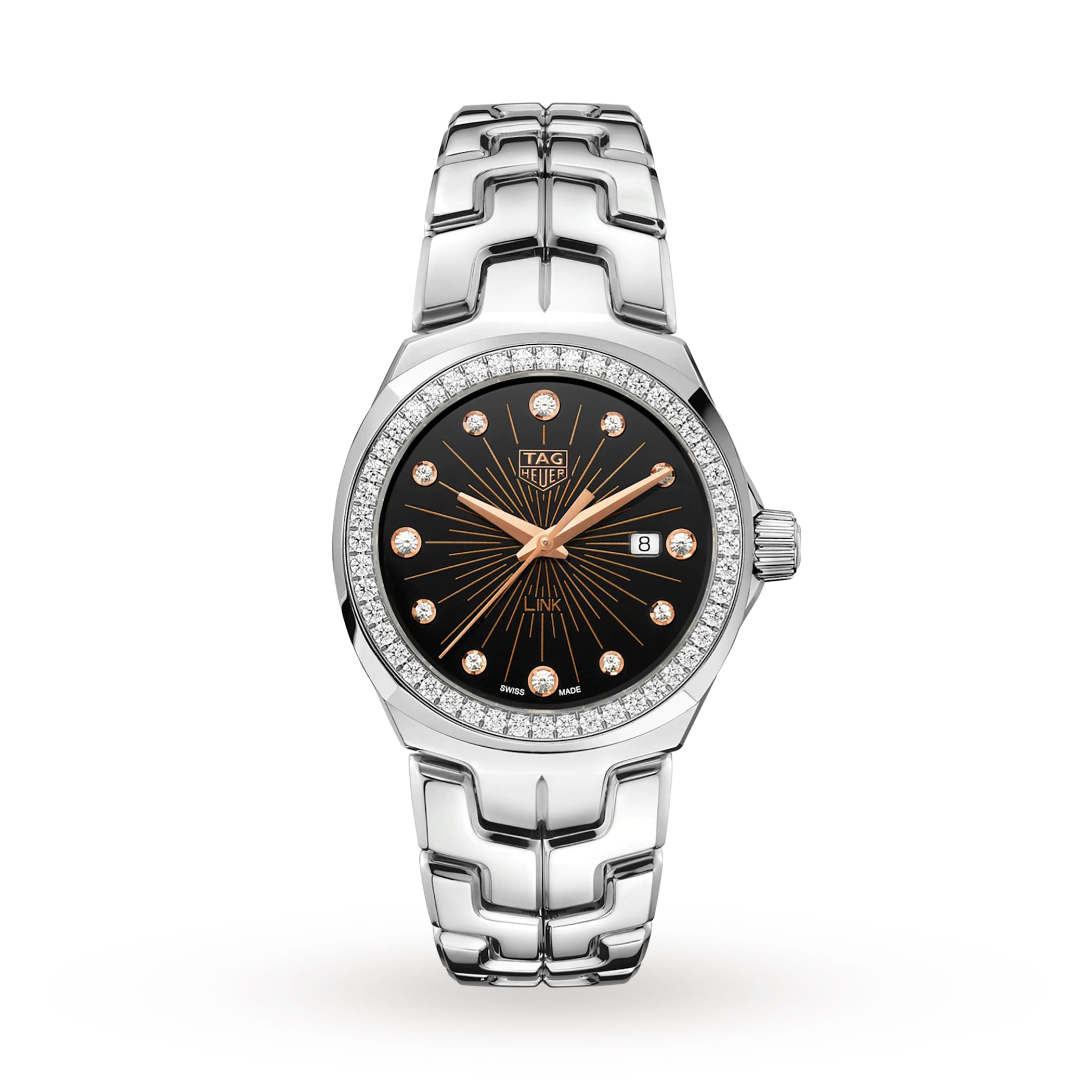 Link12 pcs · from 1 493.16 €
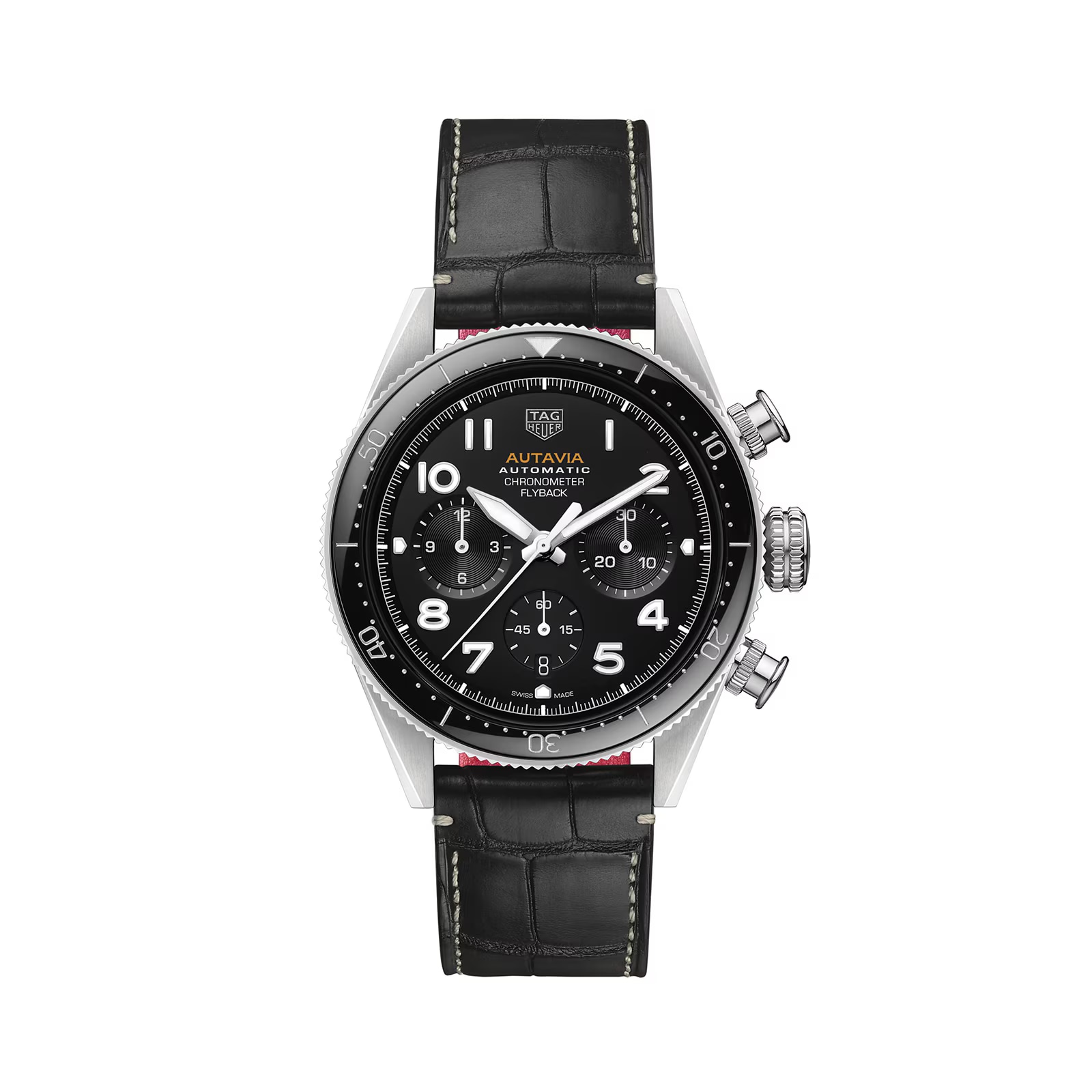 TAG Heuer11 pcs · from 1 891.33 €
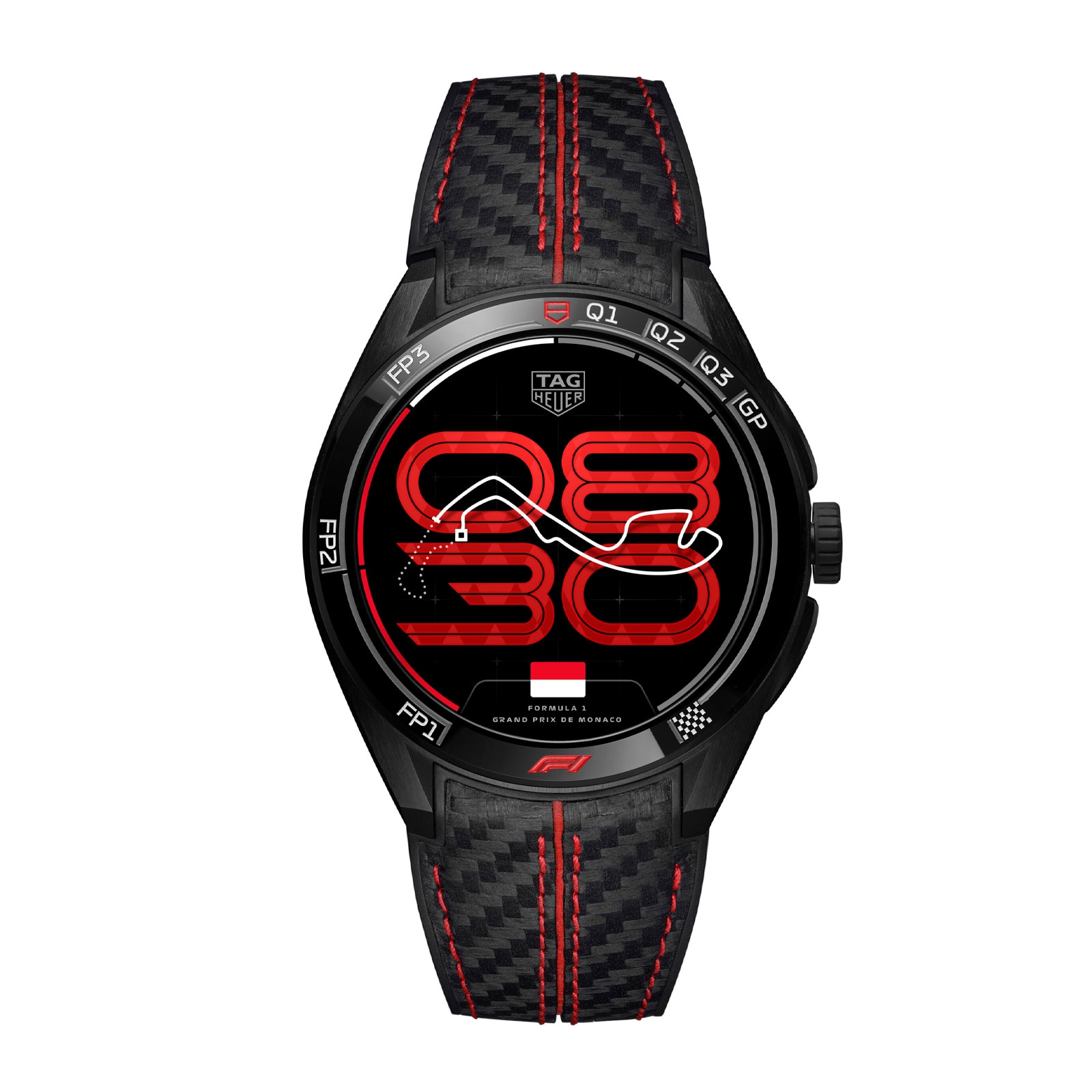 Connected Calibre10 pcs · from 1 919.77 €
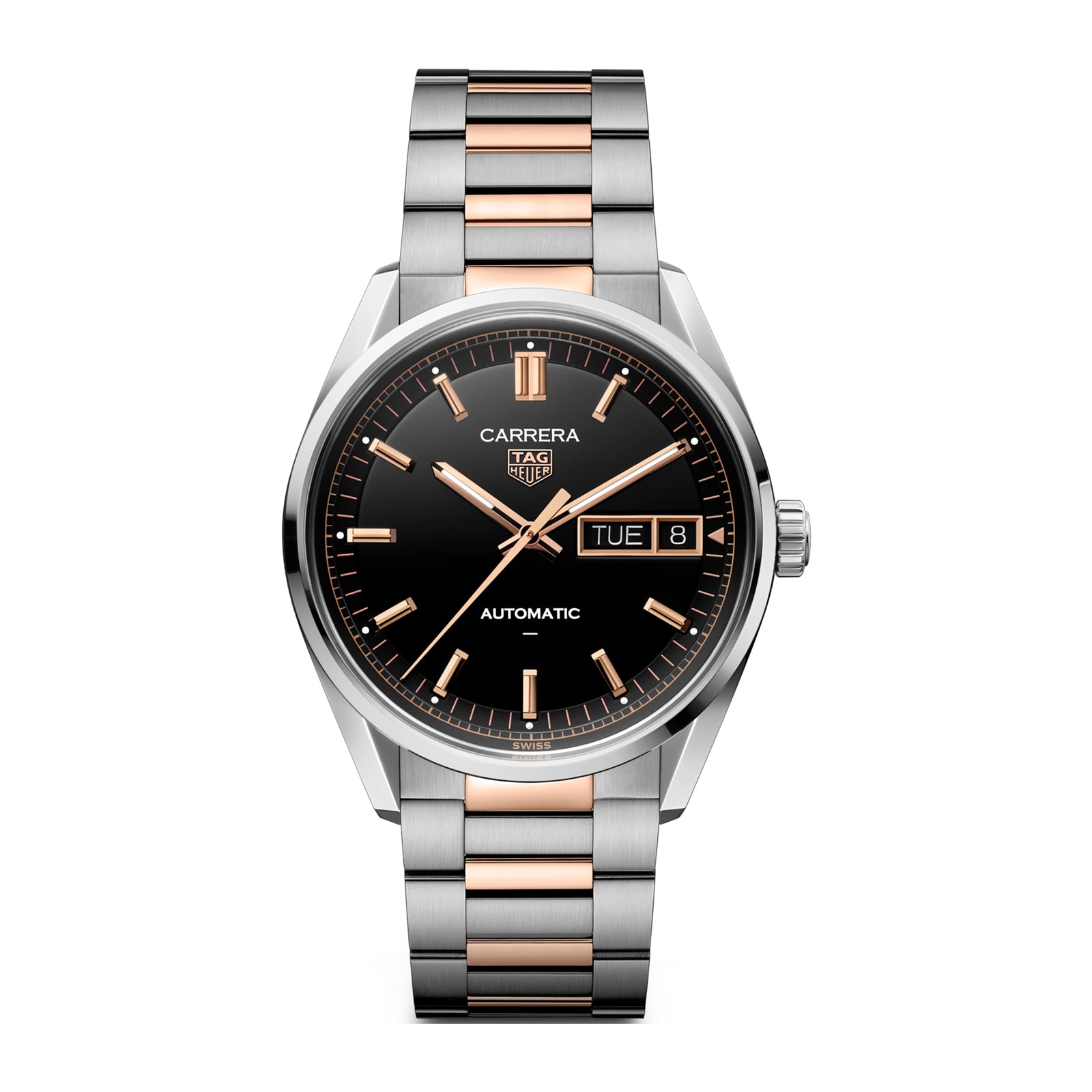 Carrera Day-Date9 pcs · from 3 484.03 €
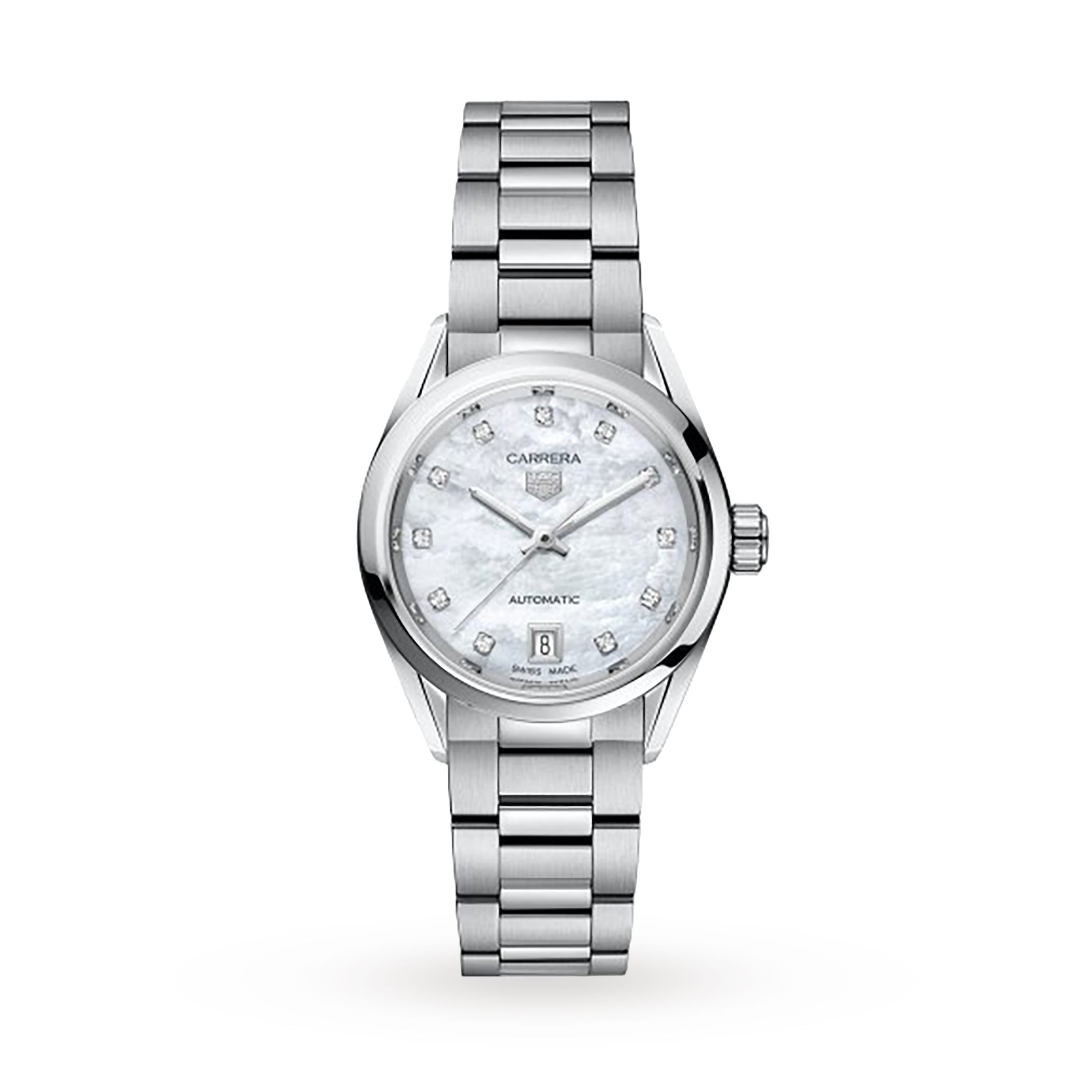 Carrera Three-Hand7 pcs · from 2 879.66 €
Models
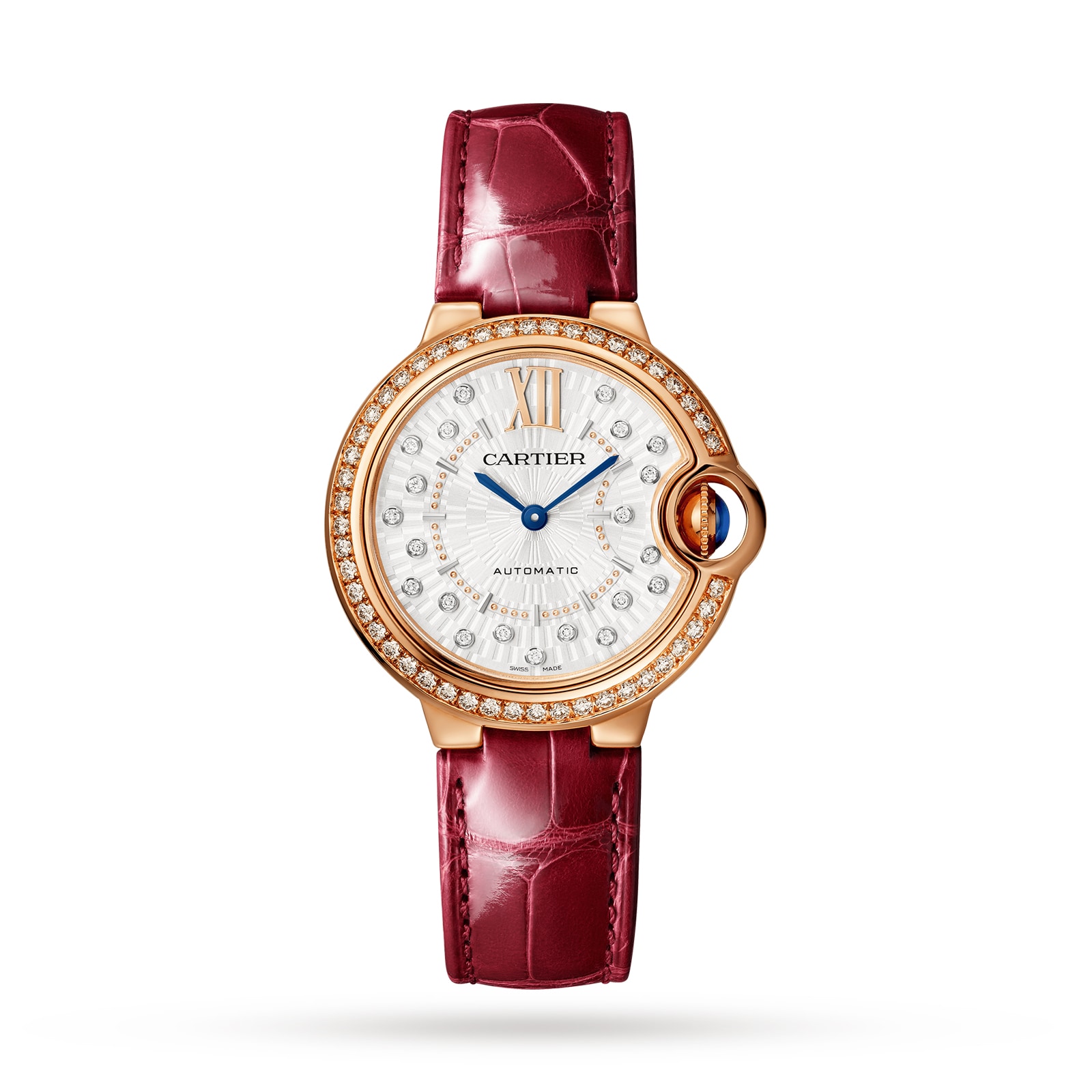 Ballon Bleu85 pcs · from 4 956.00 €
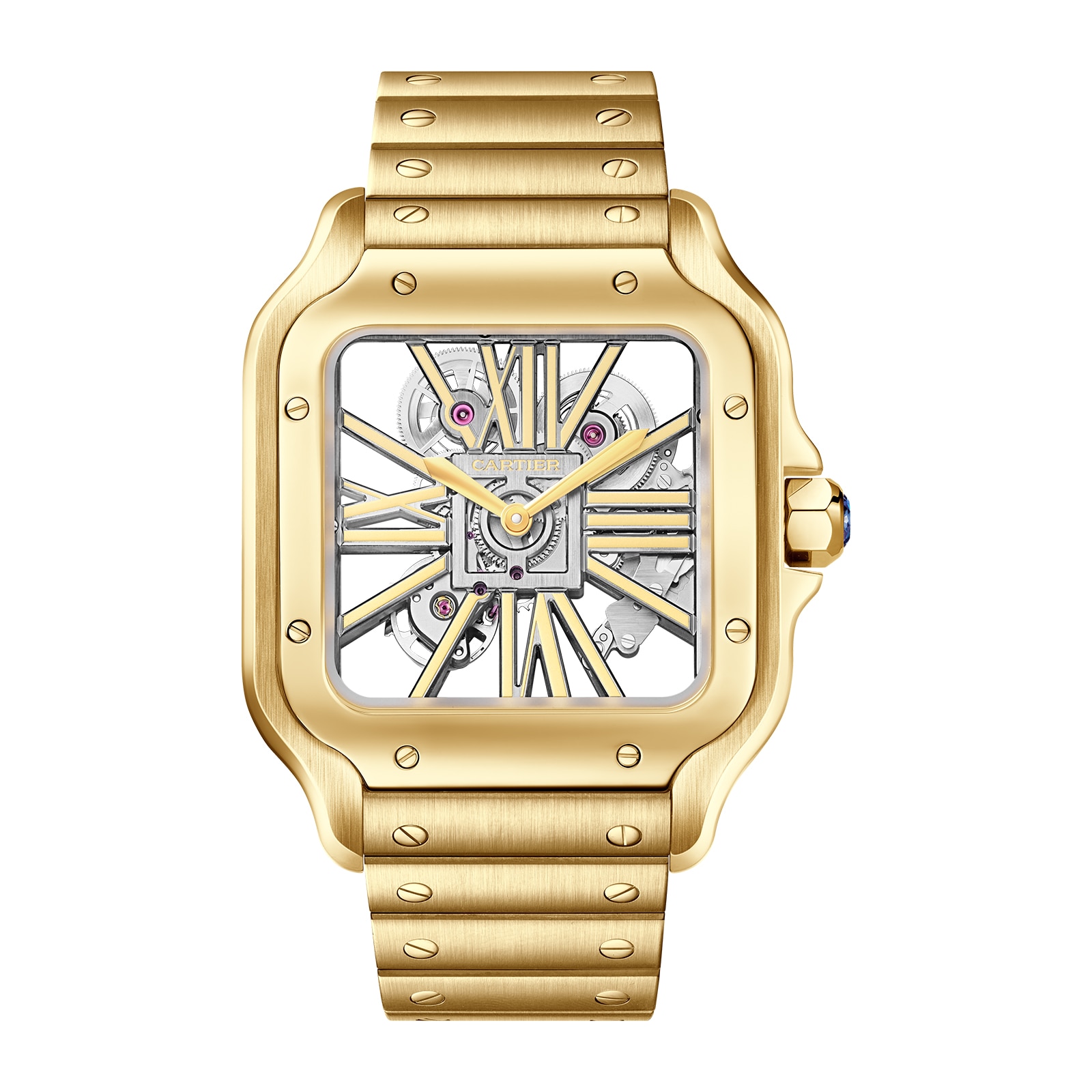 Santos De39 pcs · from 8 319.02 €
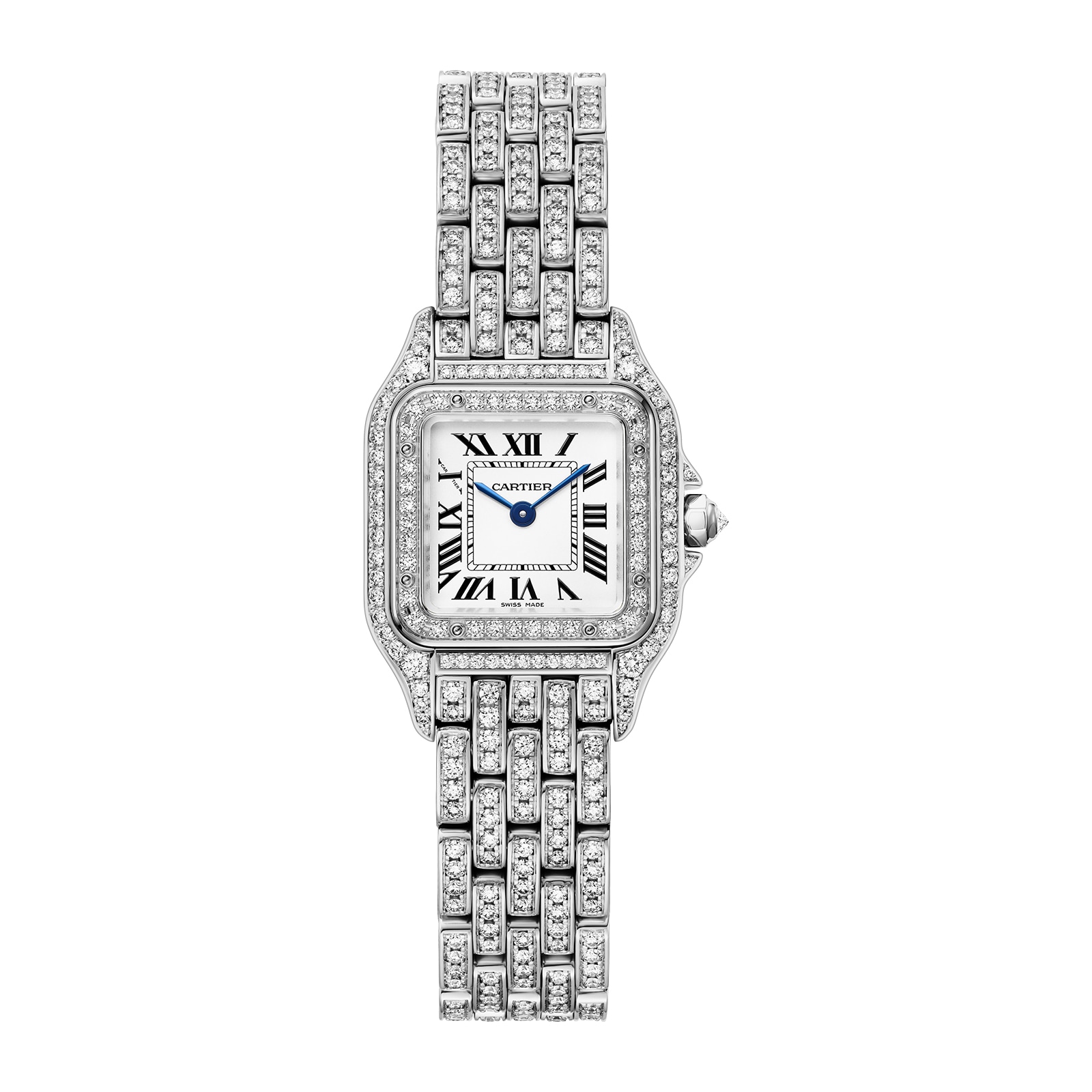 Panthère De32 pcs · from 5 474.91 €
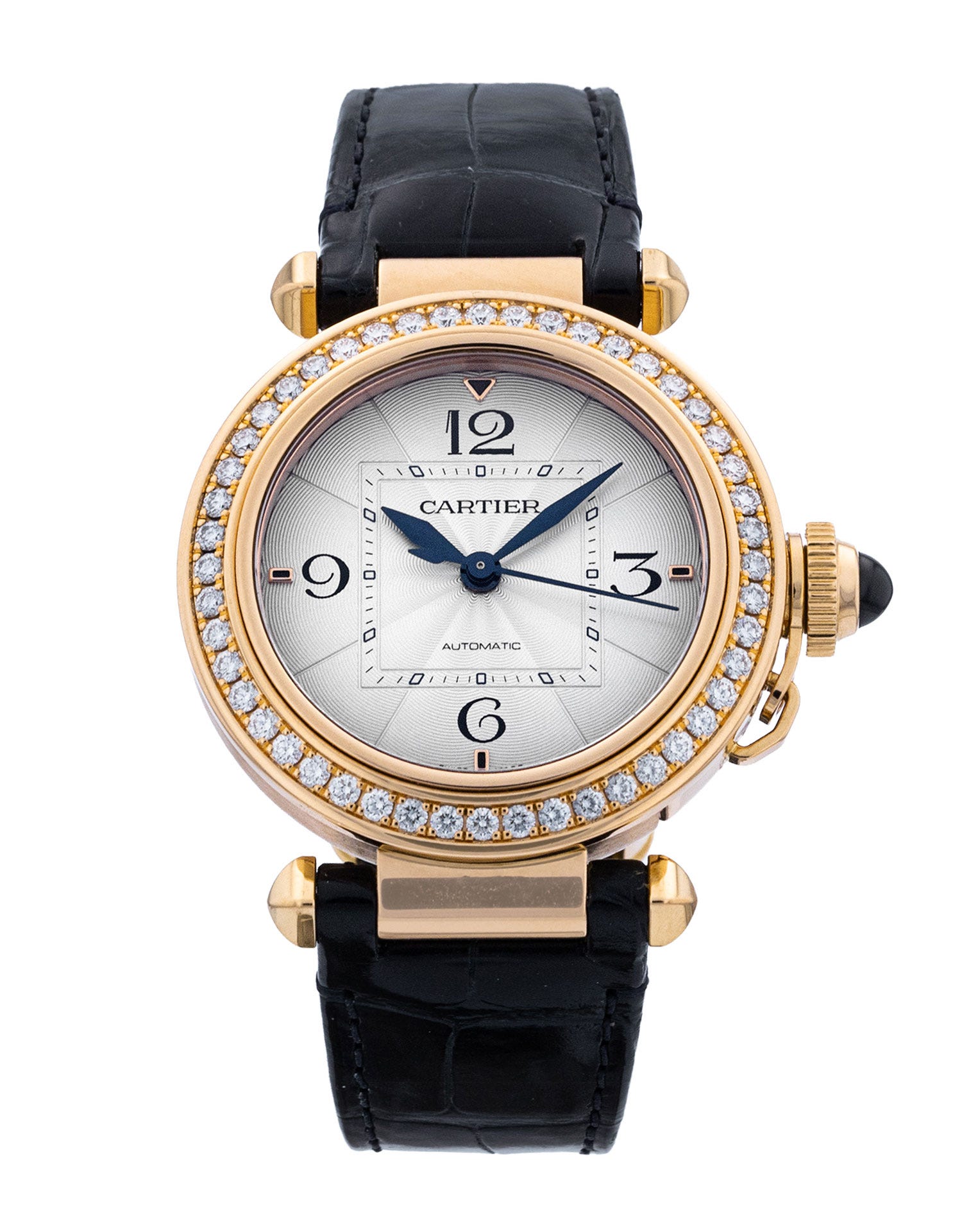 Pasha28 pcs · from 3 252.00 €
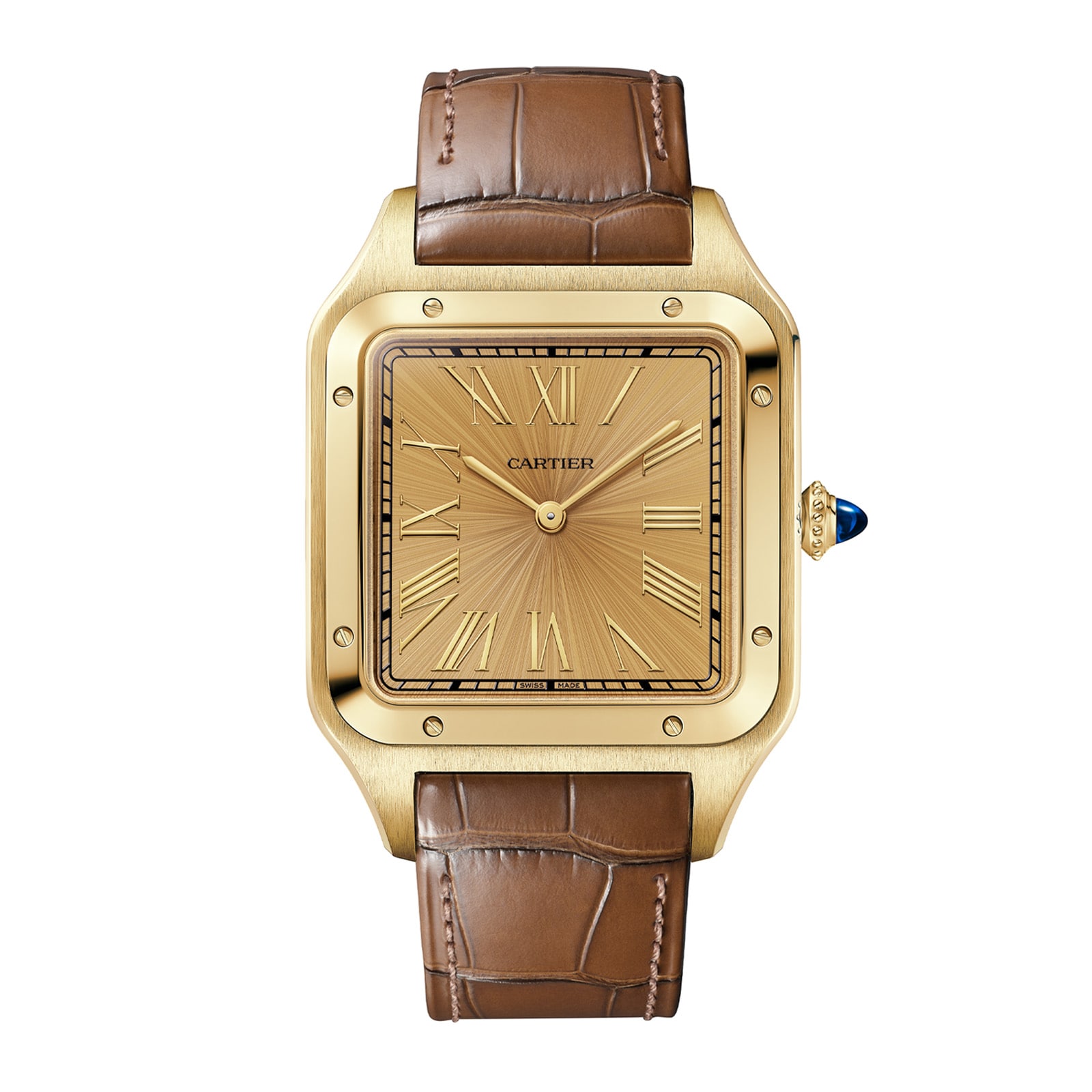 Santos-Dumont24 pcs · from 5 332.70 €
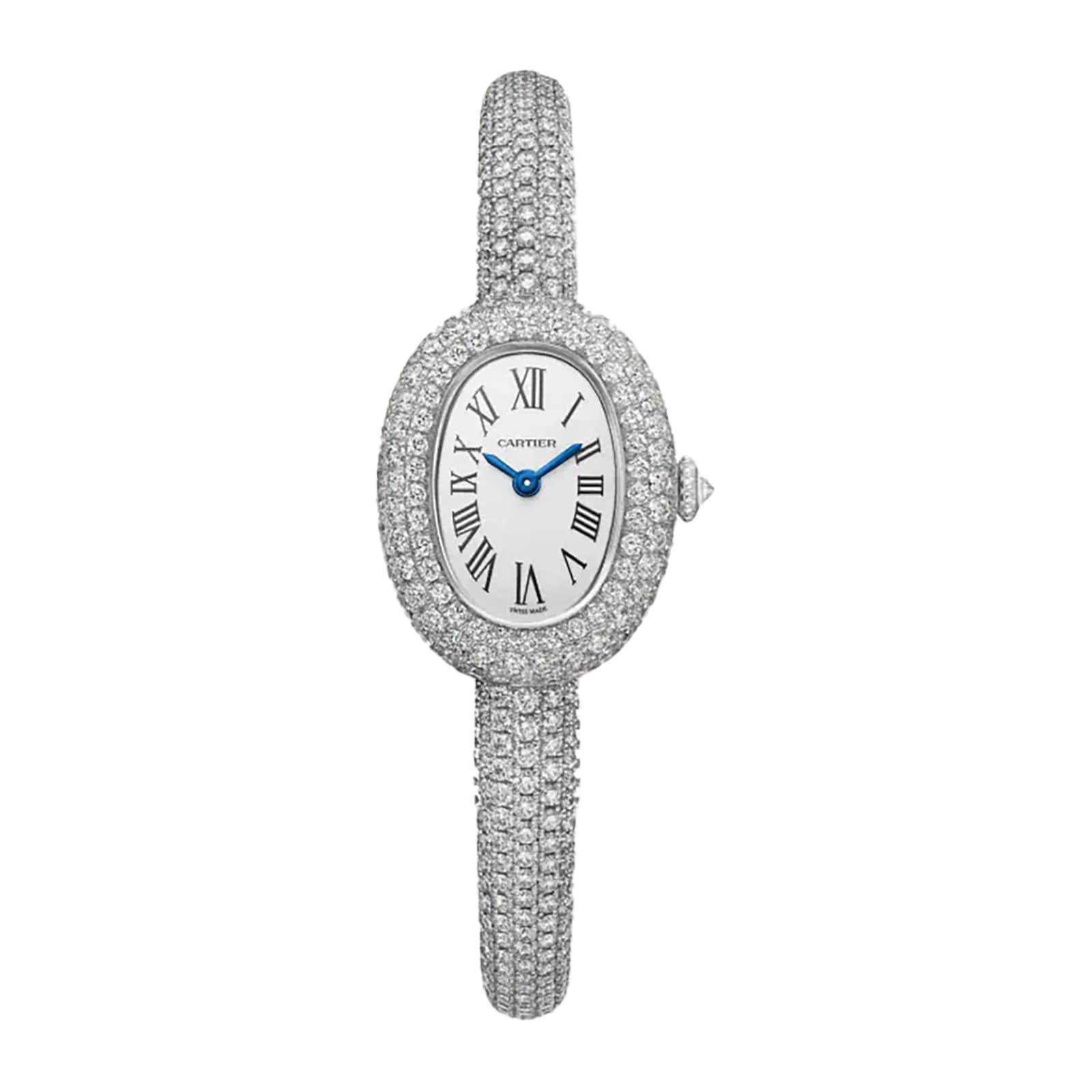 Baignoire23 pcs · from 11 589.74 €
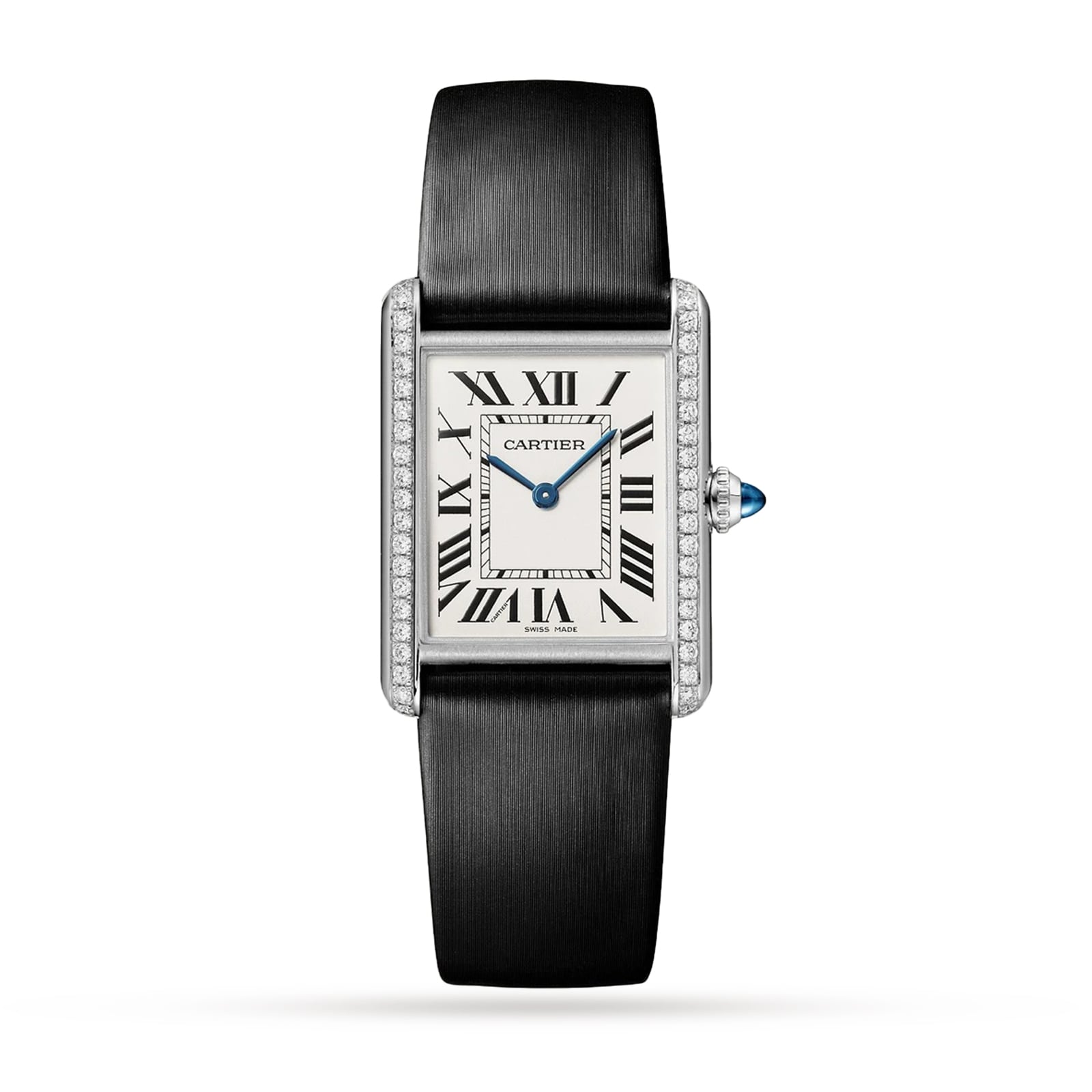 Tank Must23 pcs · from 4 479.47 €
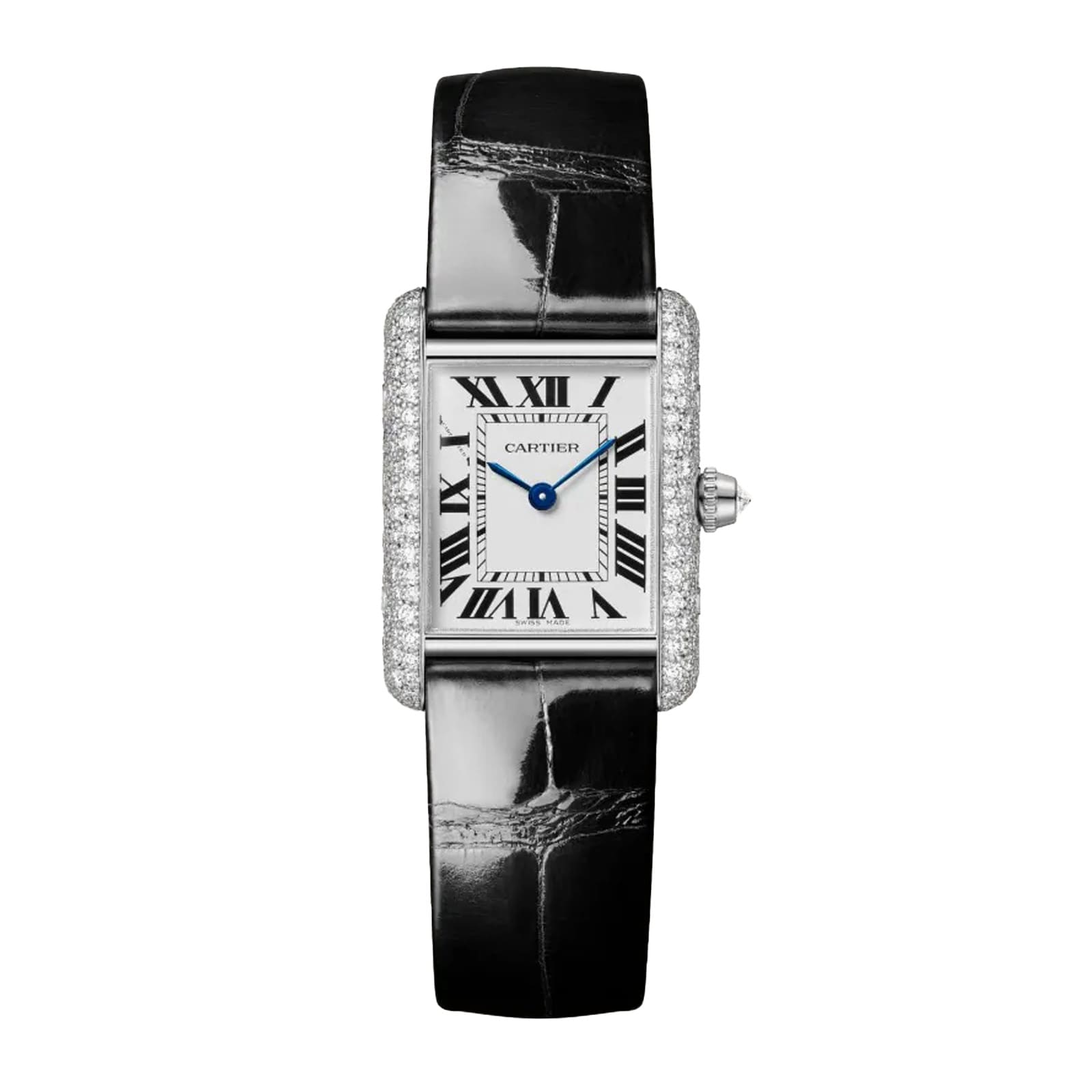 Tank Louis17 pcs · from 11 305.33 €
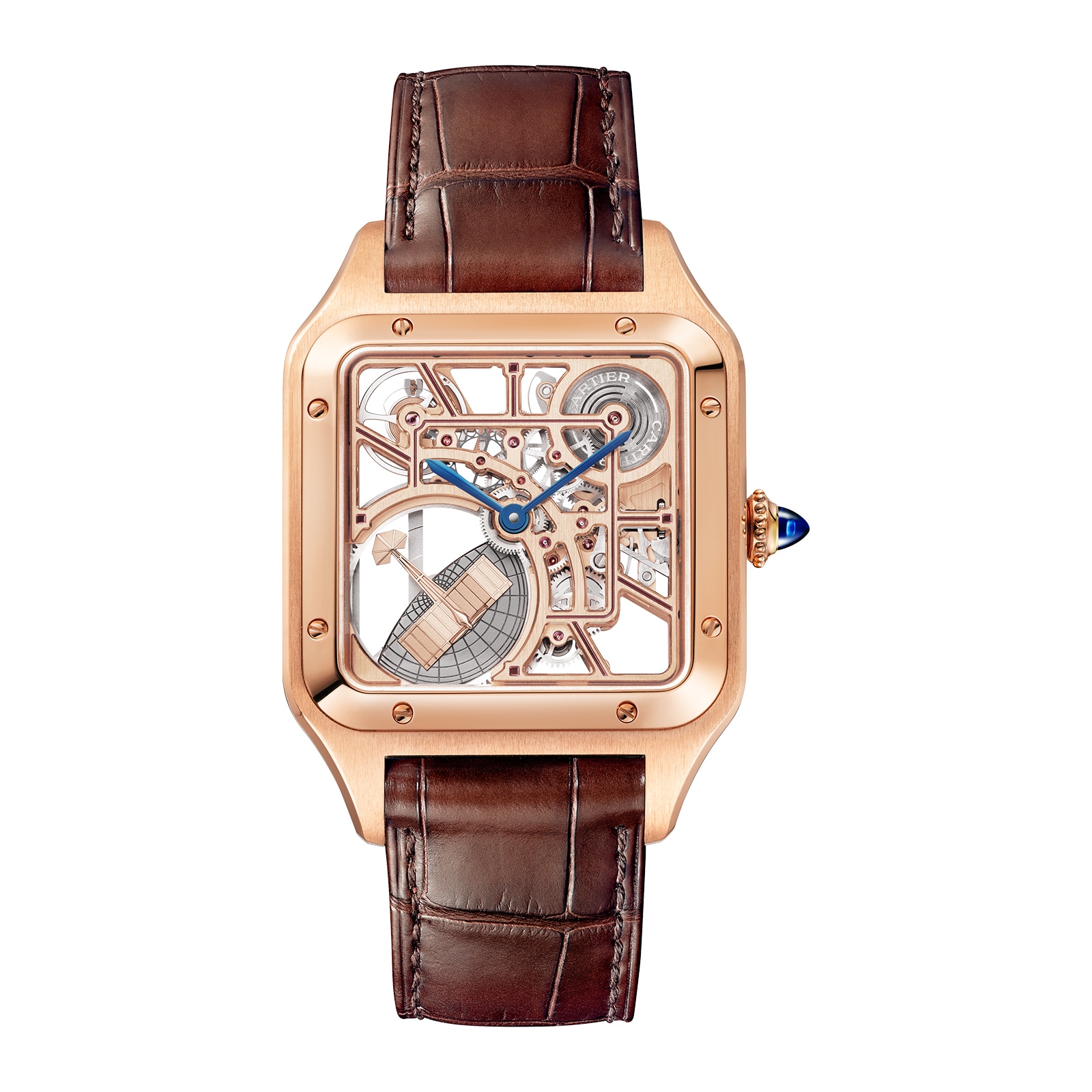 Santos16 pcs · from 6 228.00 €
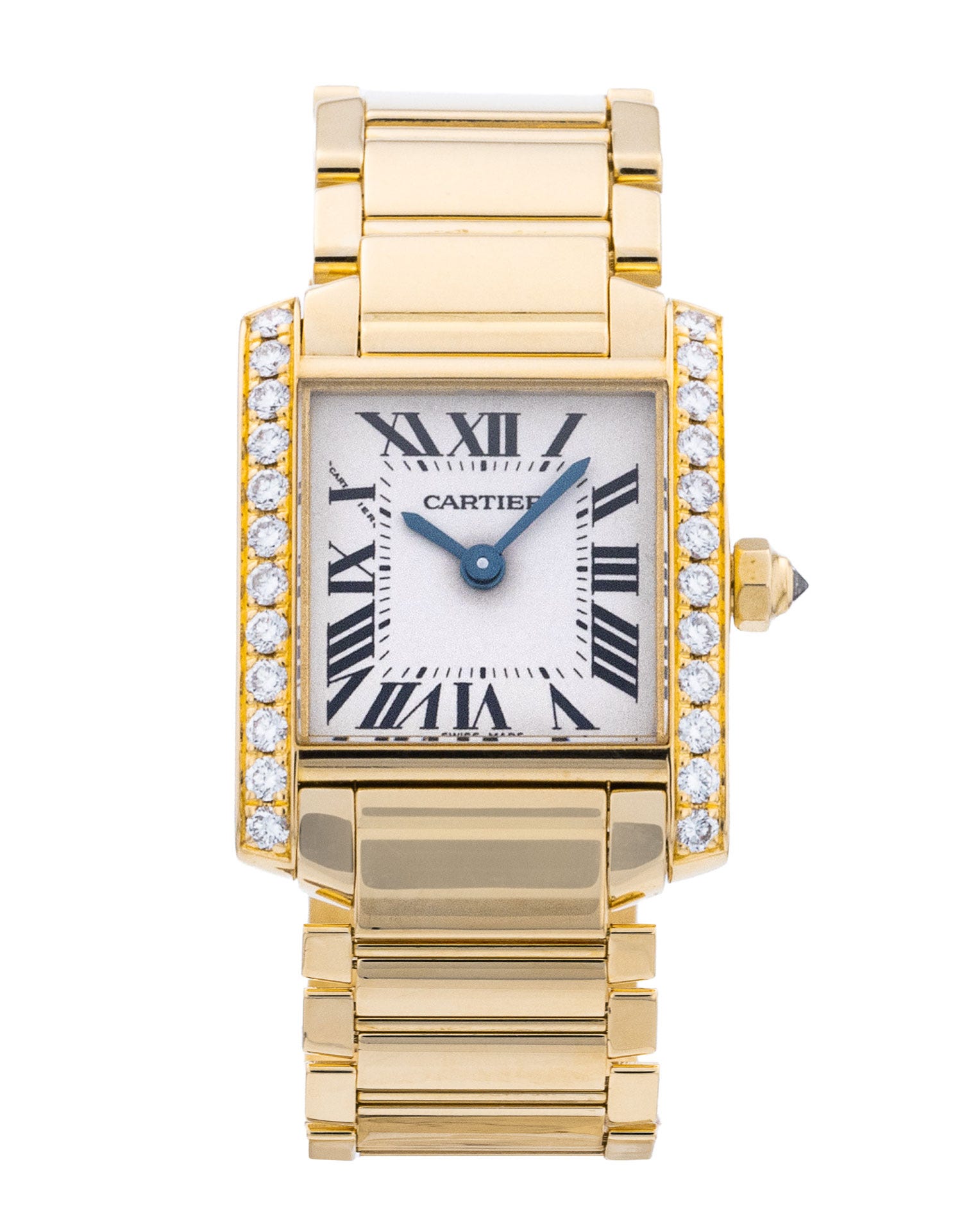 Tank Francaise16 pcs · from 4 392.00 €
Models
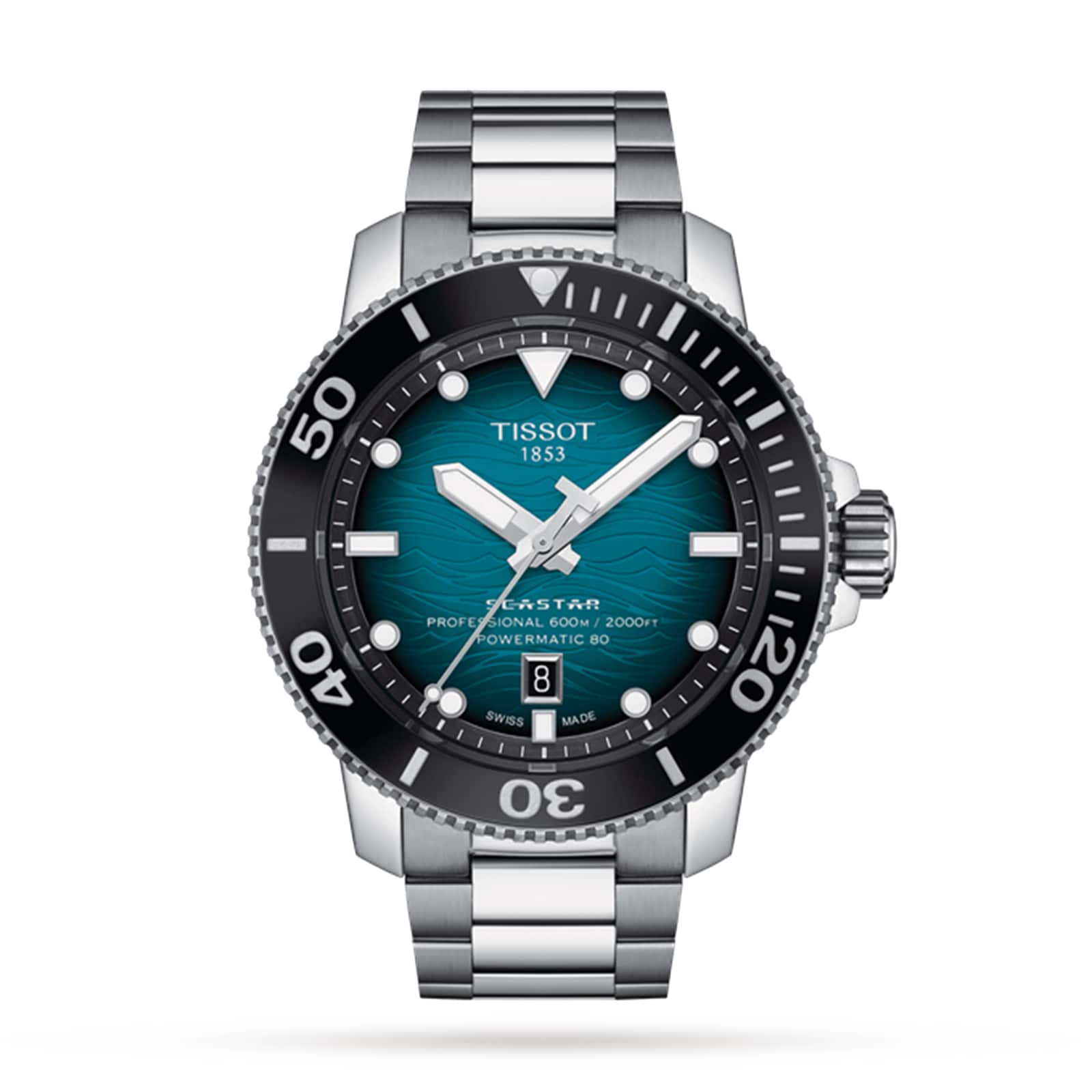 Seastar40 pcs · from 554.60 €
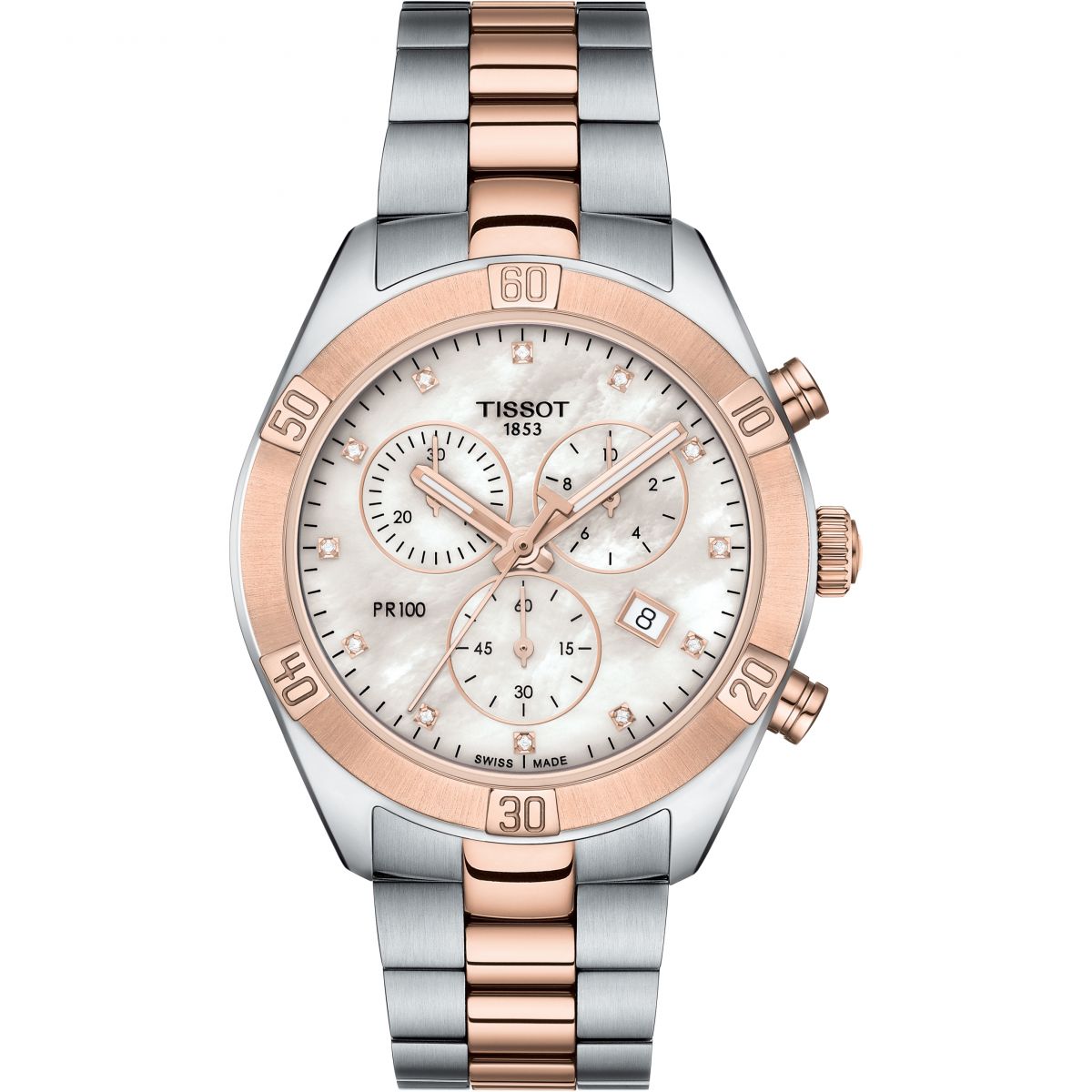 PR10030 pcs · from 376.84 €
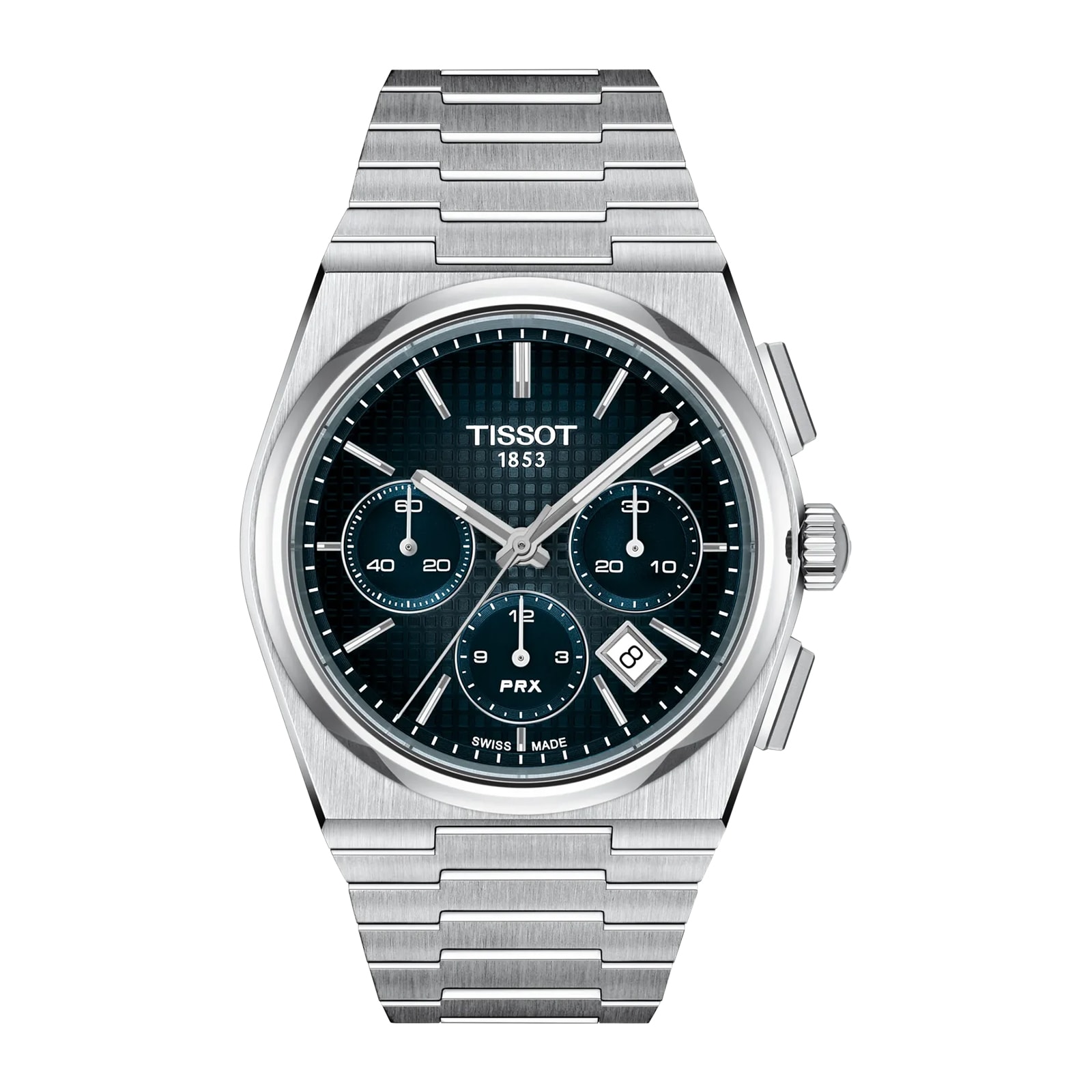 PRX28 pcs · from 412.40 €
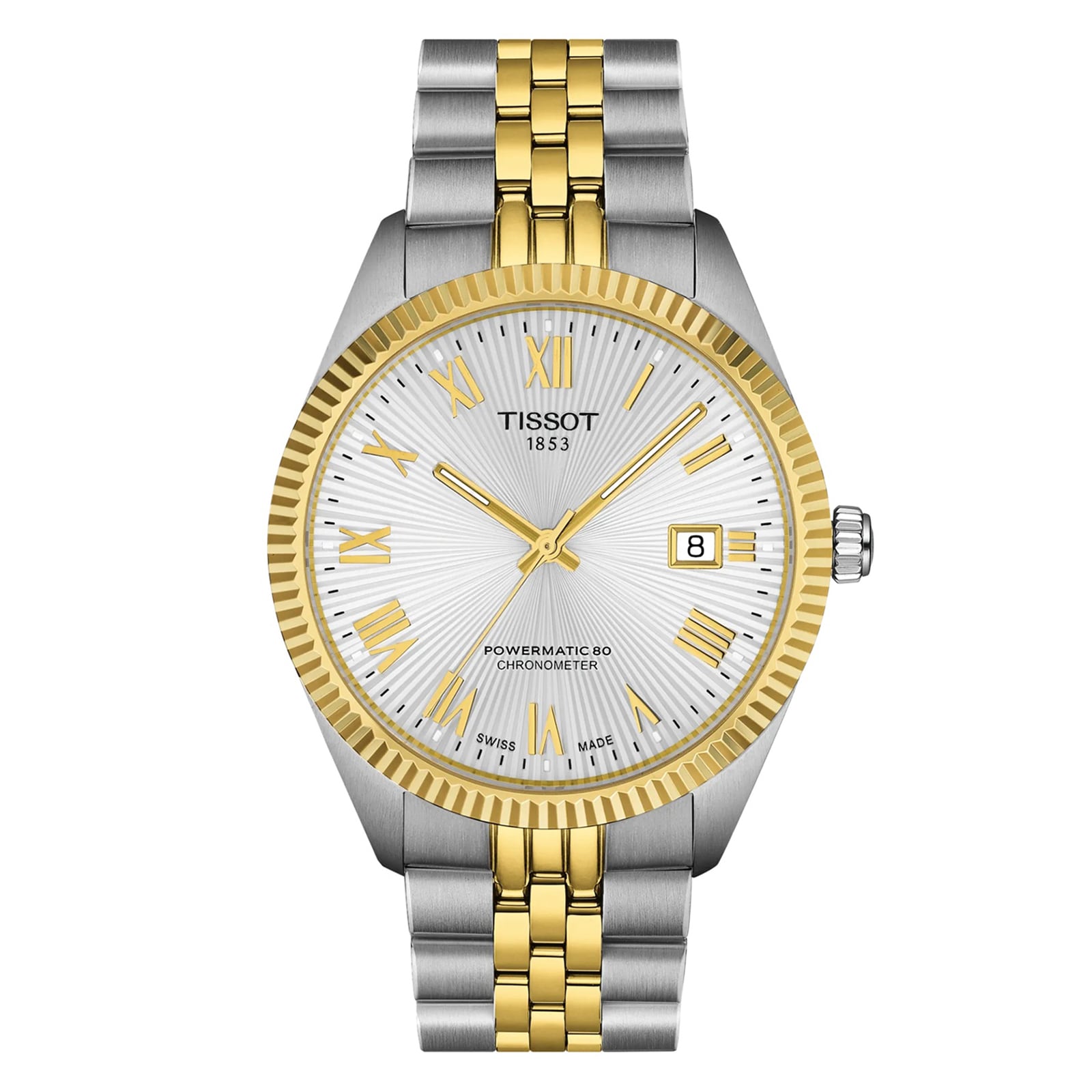 Ballade22 pcs · from 455.06 €
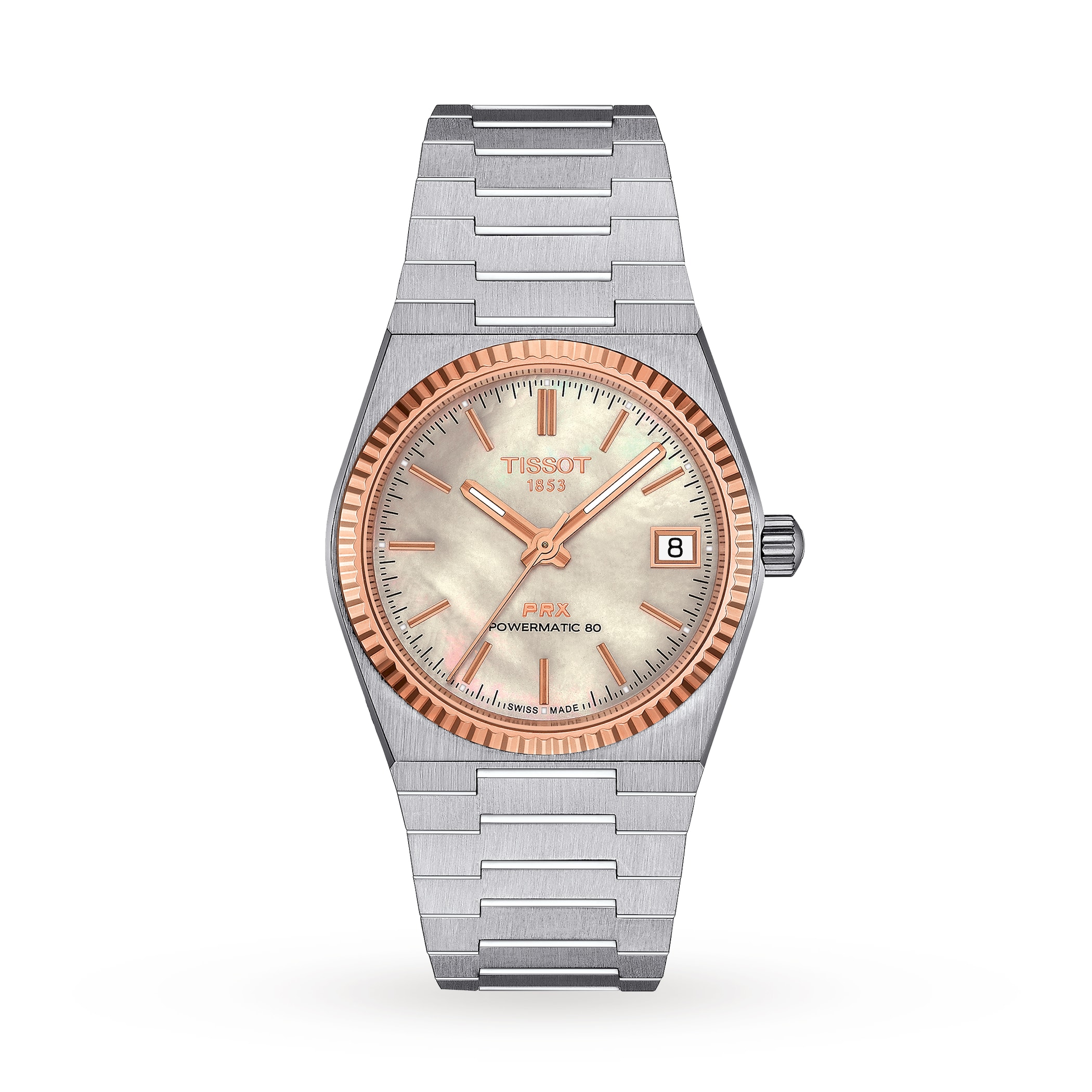 PRX Powermatic19 pcs · from 910.11 €
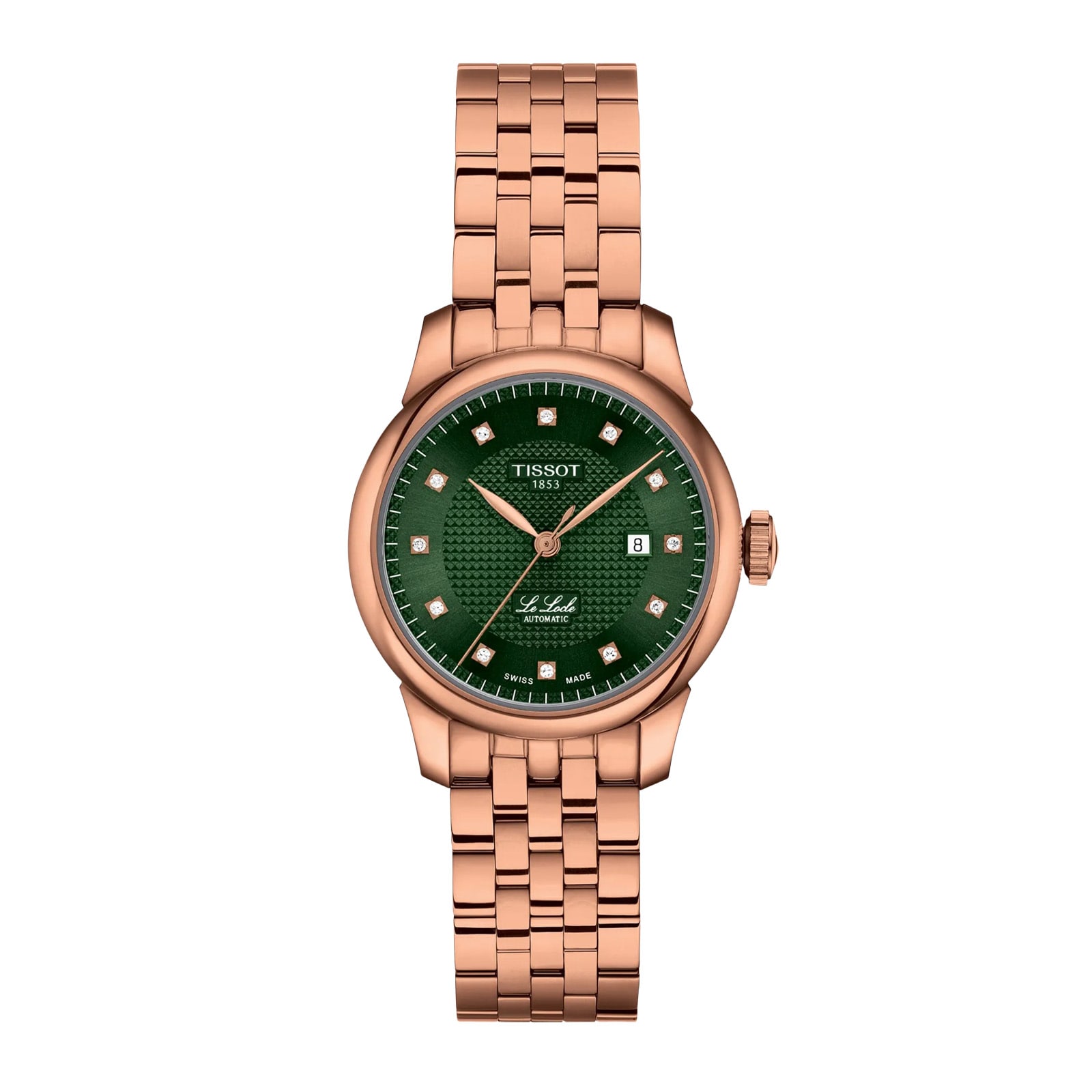 Le Locle18 pcs · from 853.23 €
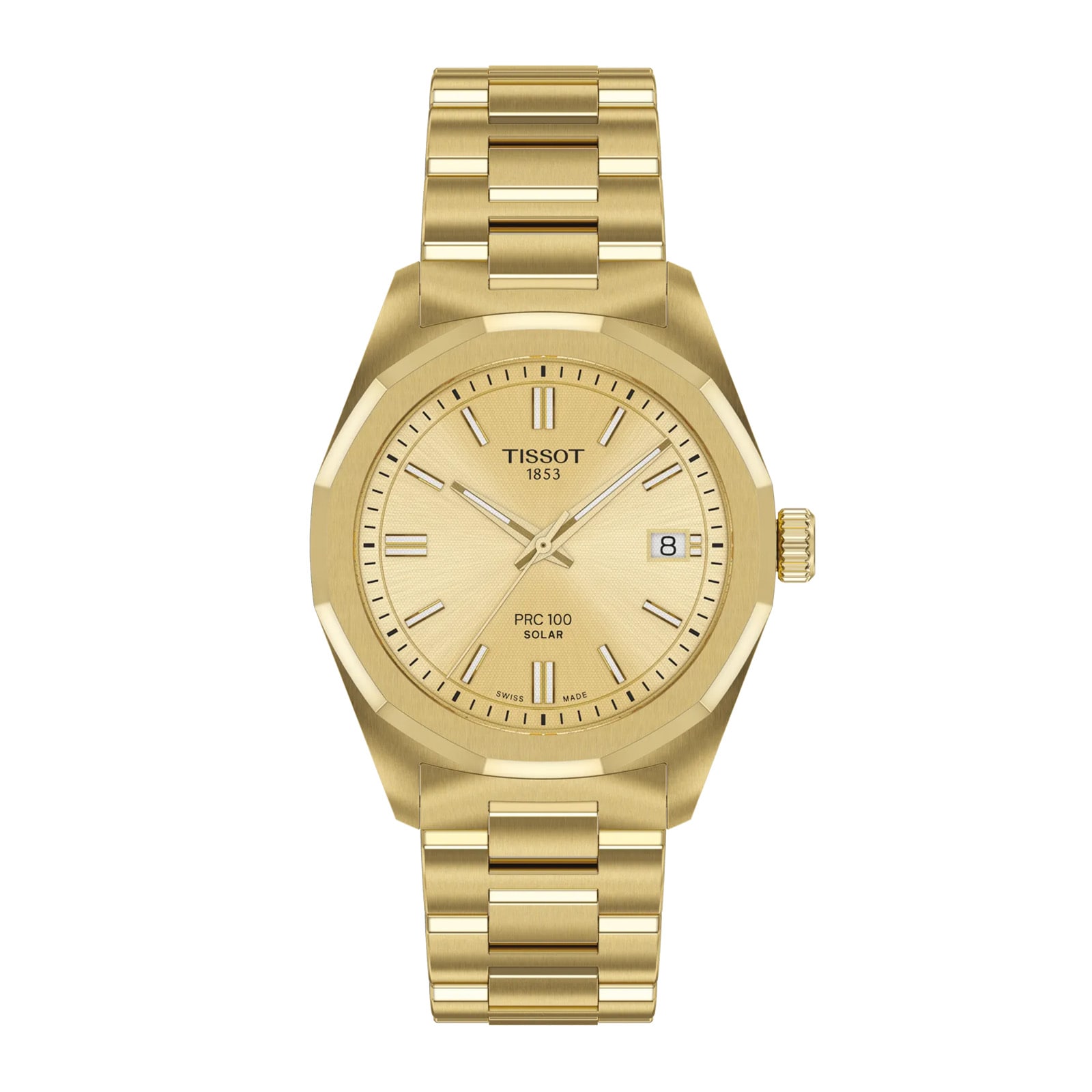 PRC14 pcs · from 583.04 €
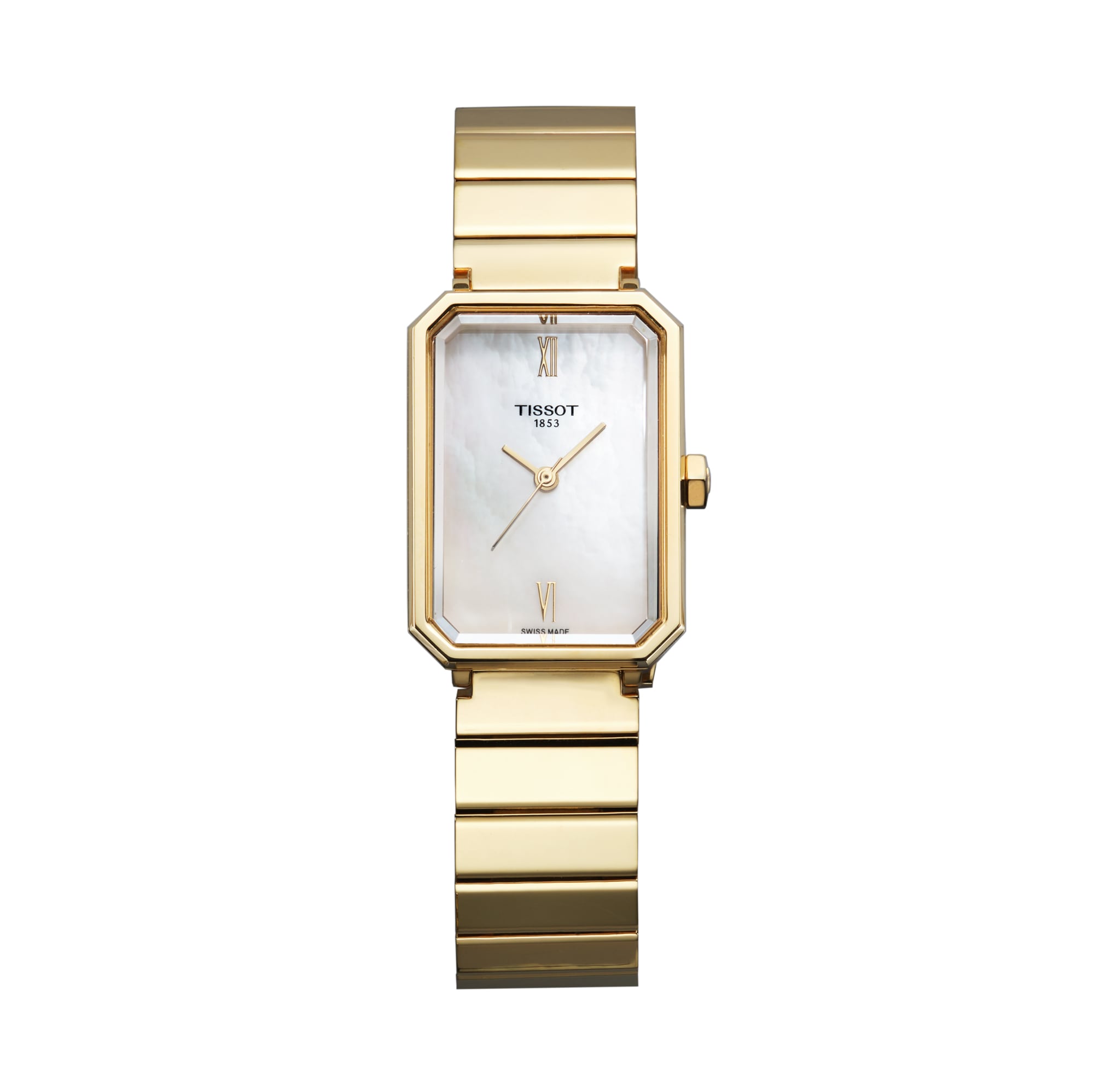 SRV12 pcs · from 462.17 €
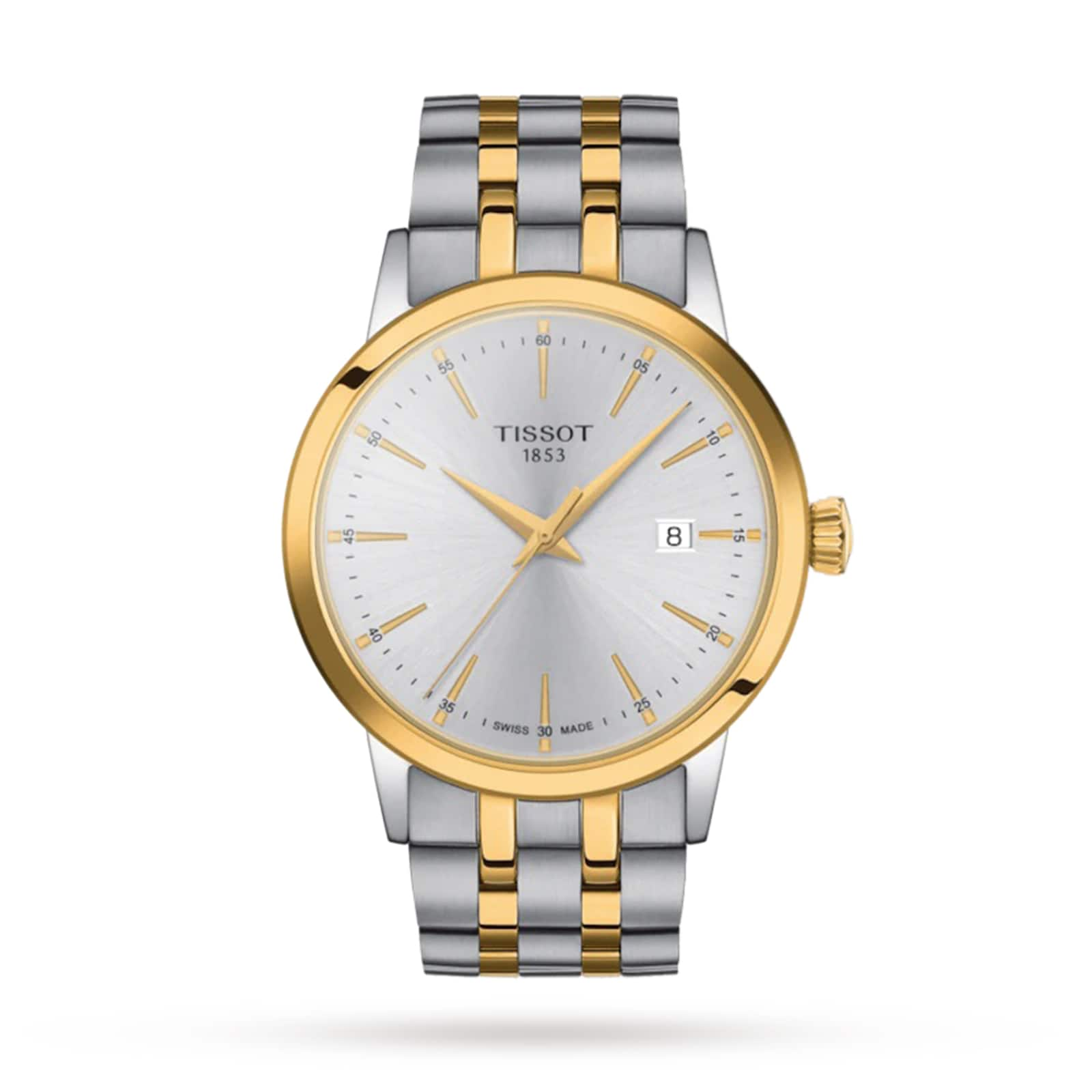 Dream11 pcs · from 348.40 €
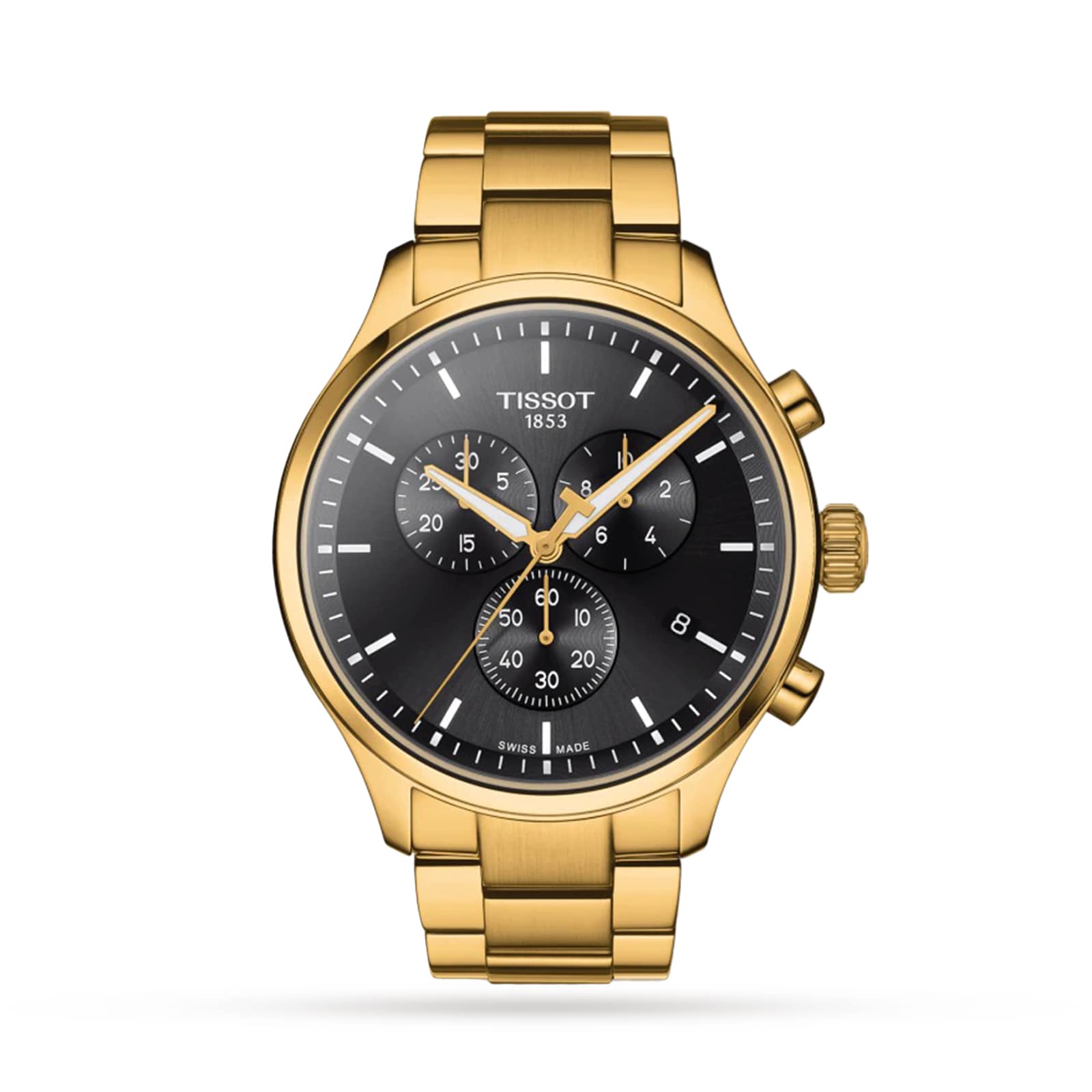 Chrono XL10 pcs · from 490.61 €
Models
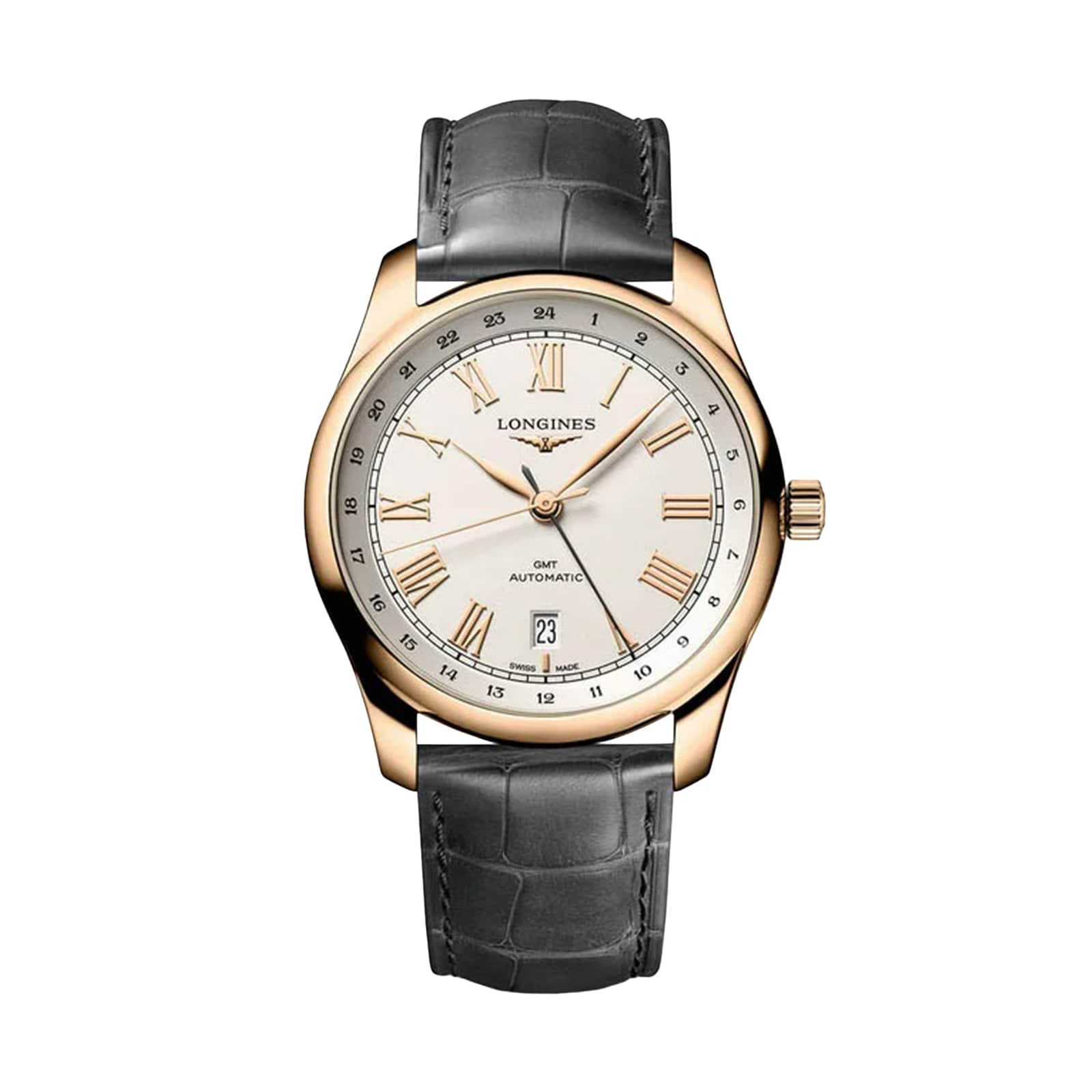 Master Collection44 pcs · from 2 559.70 €
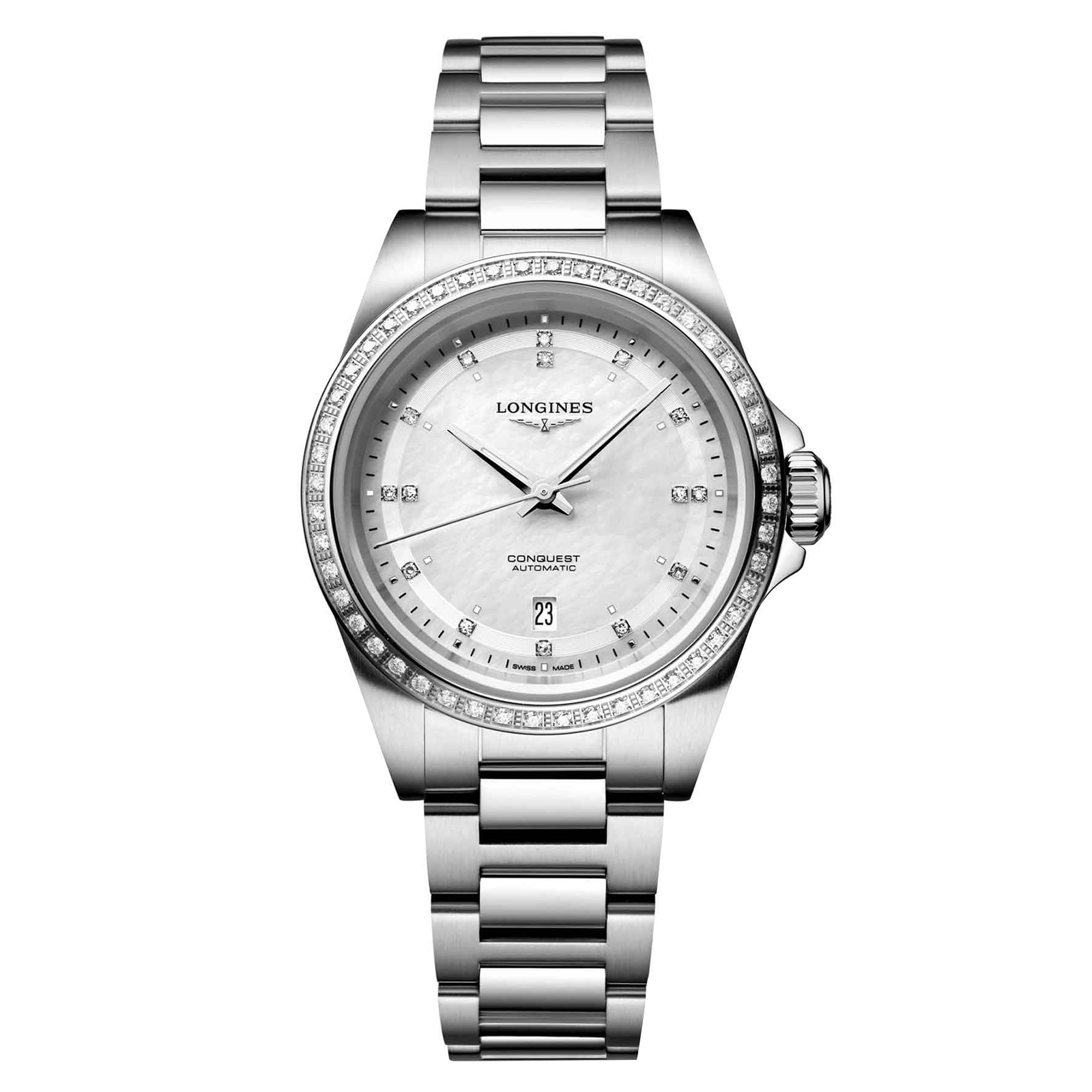 Conquest43 pcs · from 1 208.75 €
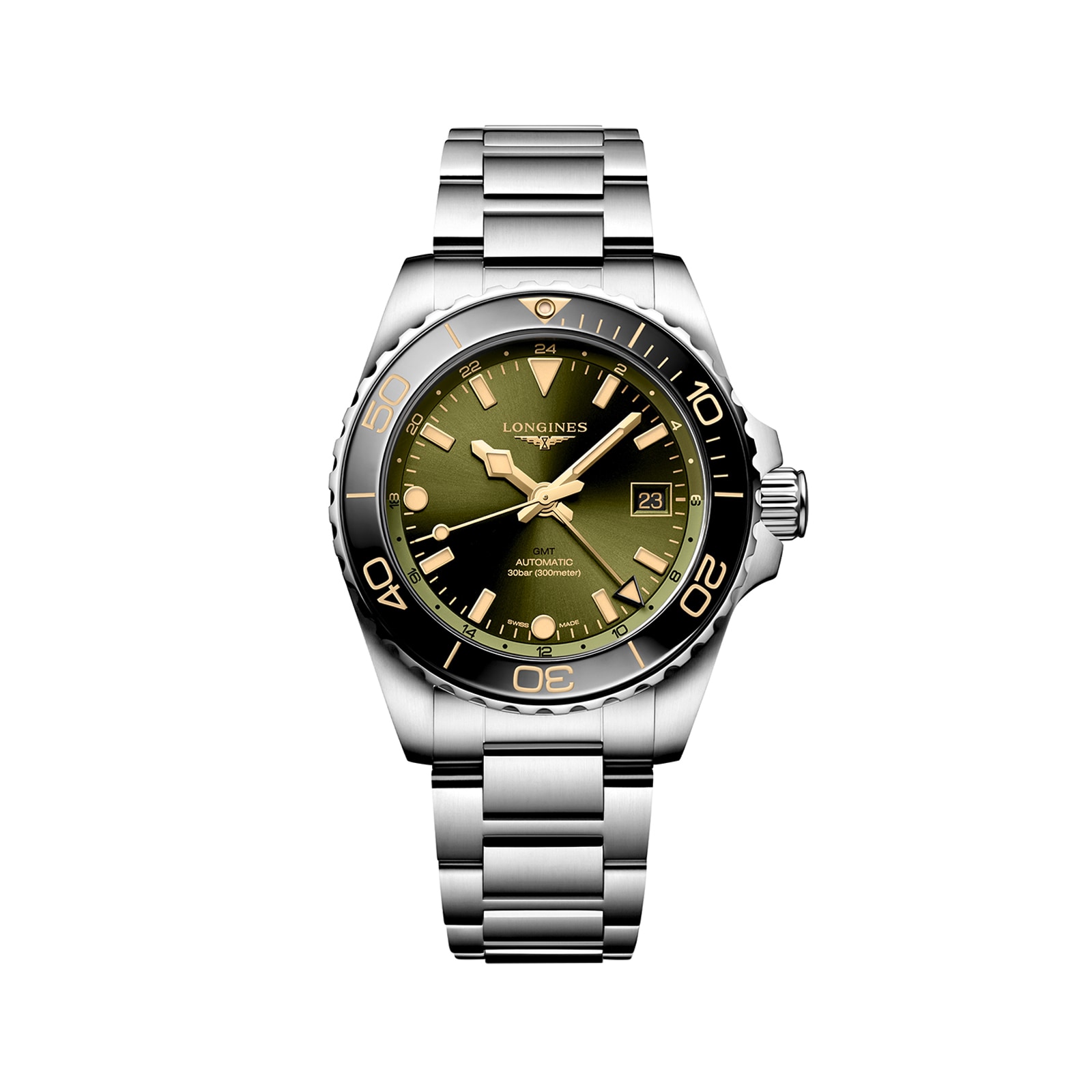 HydroConquest32 pcs · from 1 777.57 €
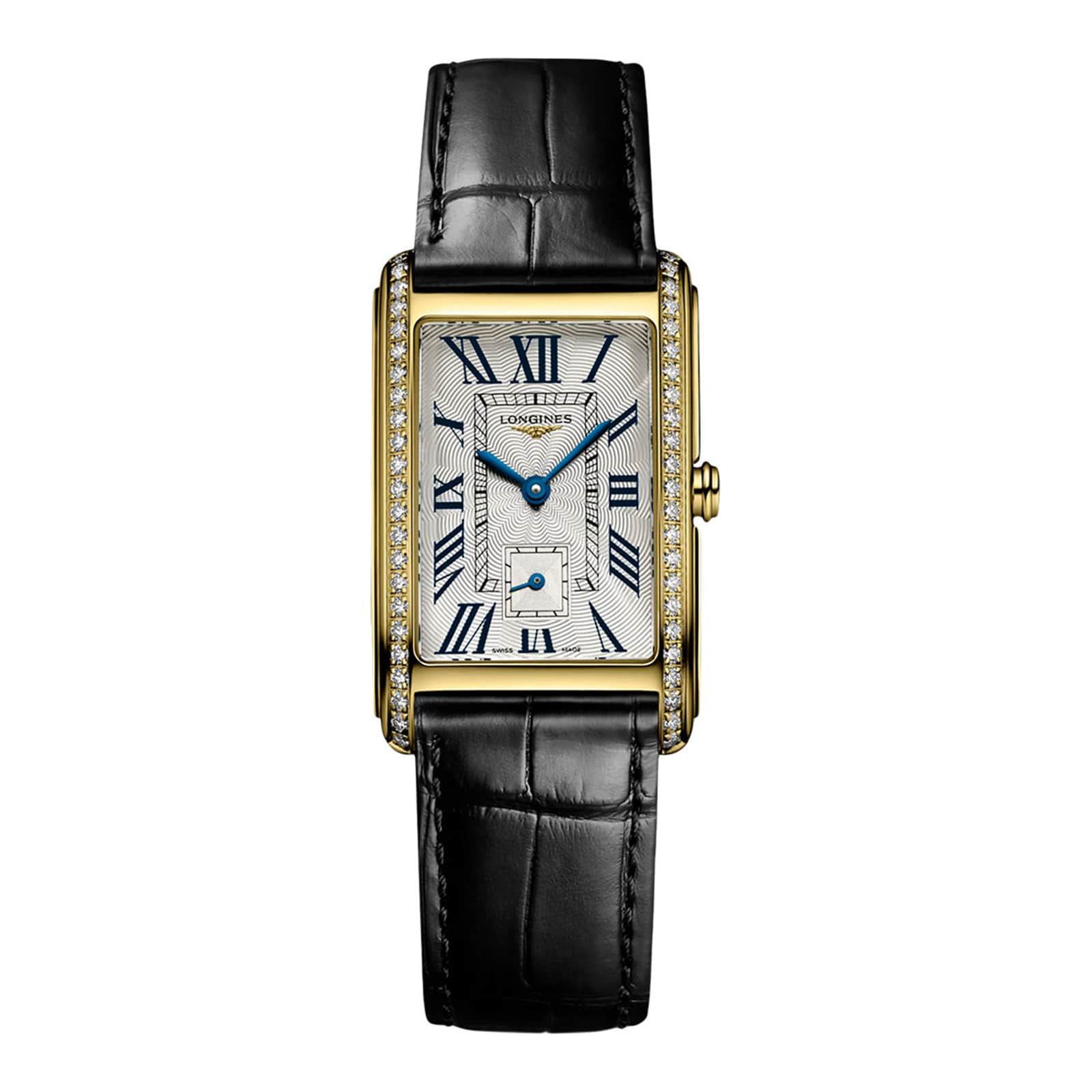 DolceVita29 pcs · from 1 350.95 €
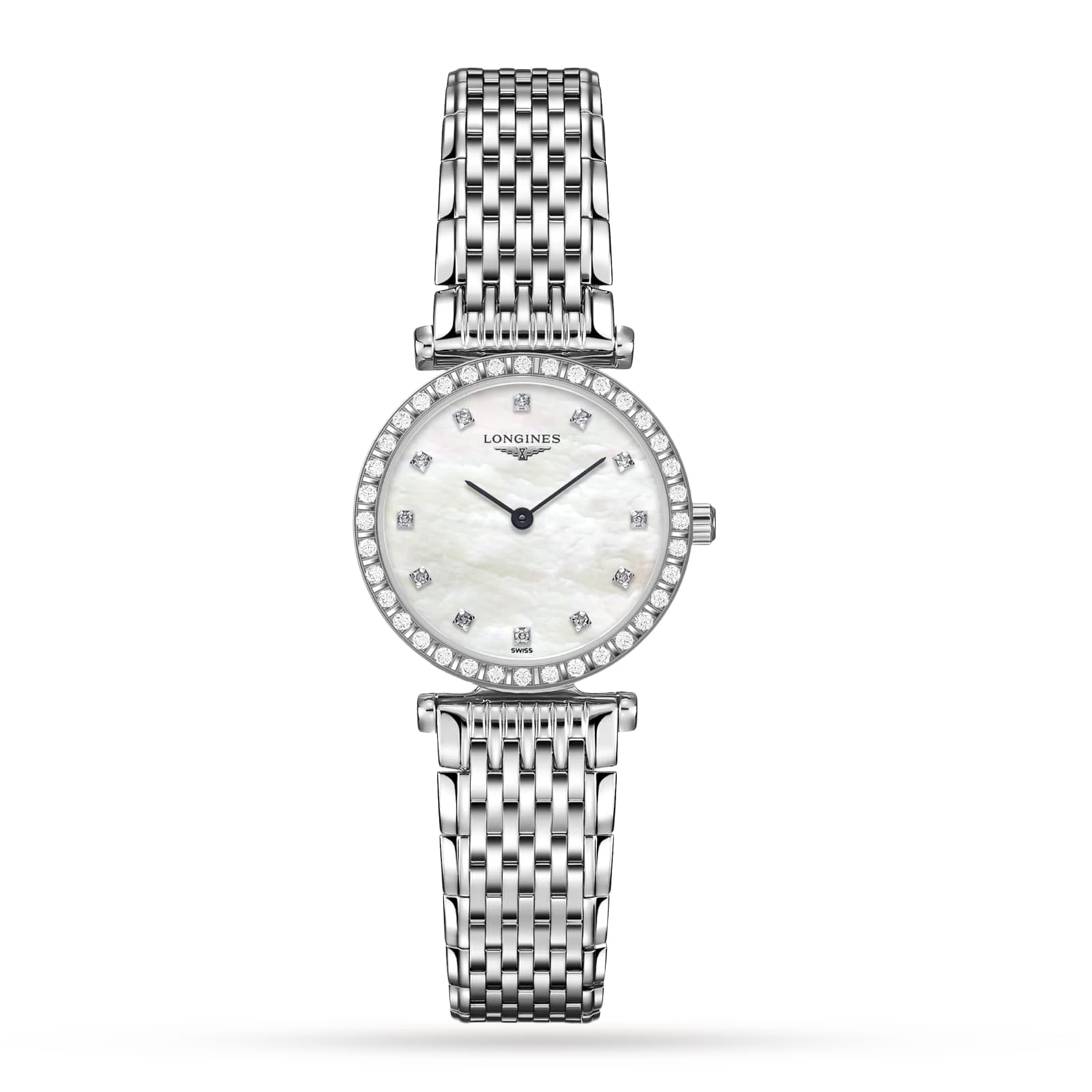 La Grande21 pcs · from 1 493.16 €
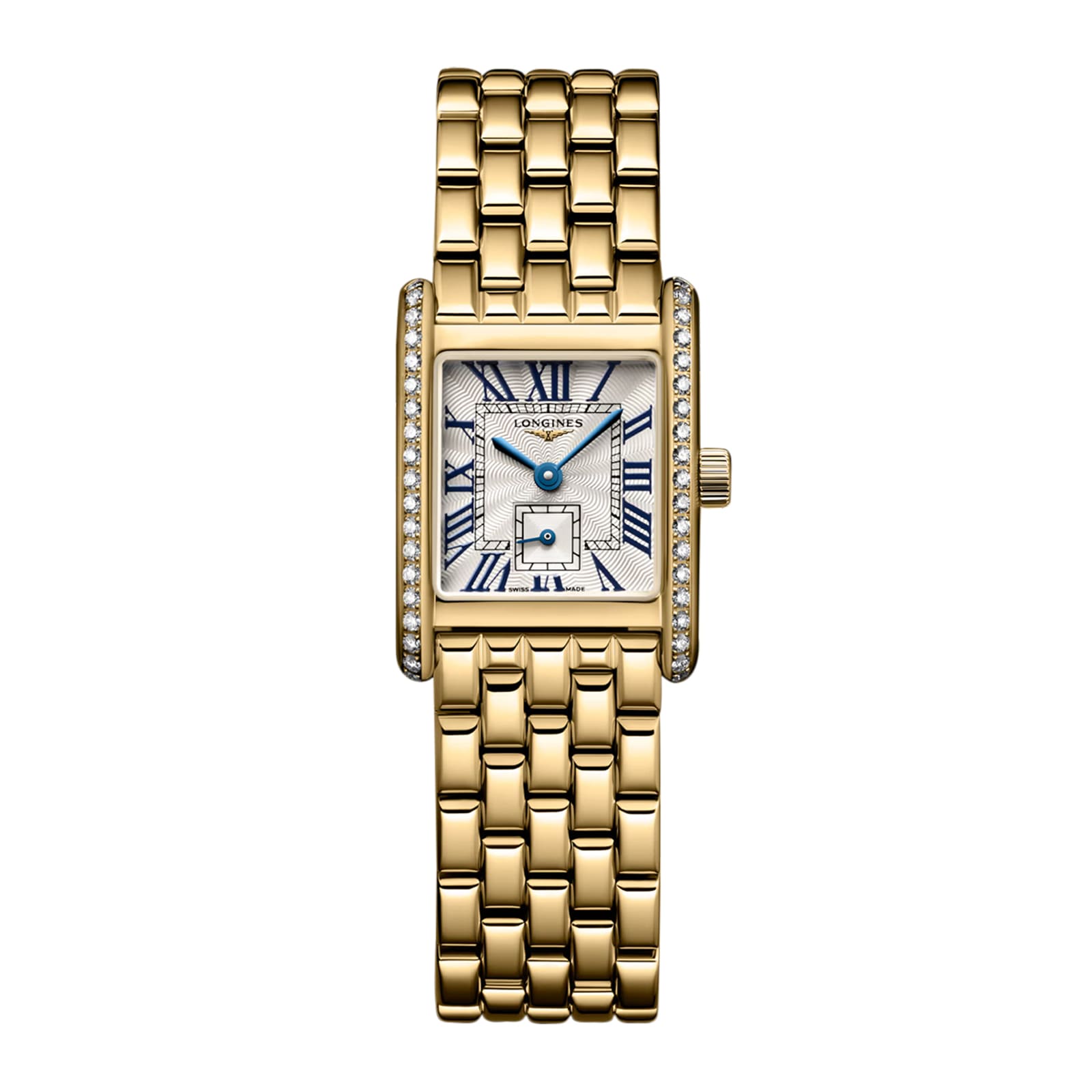 Mini DolceVita16 pcs · from 2 133.08 €
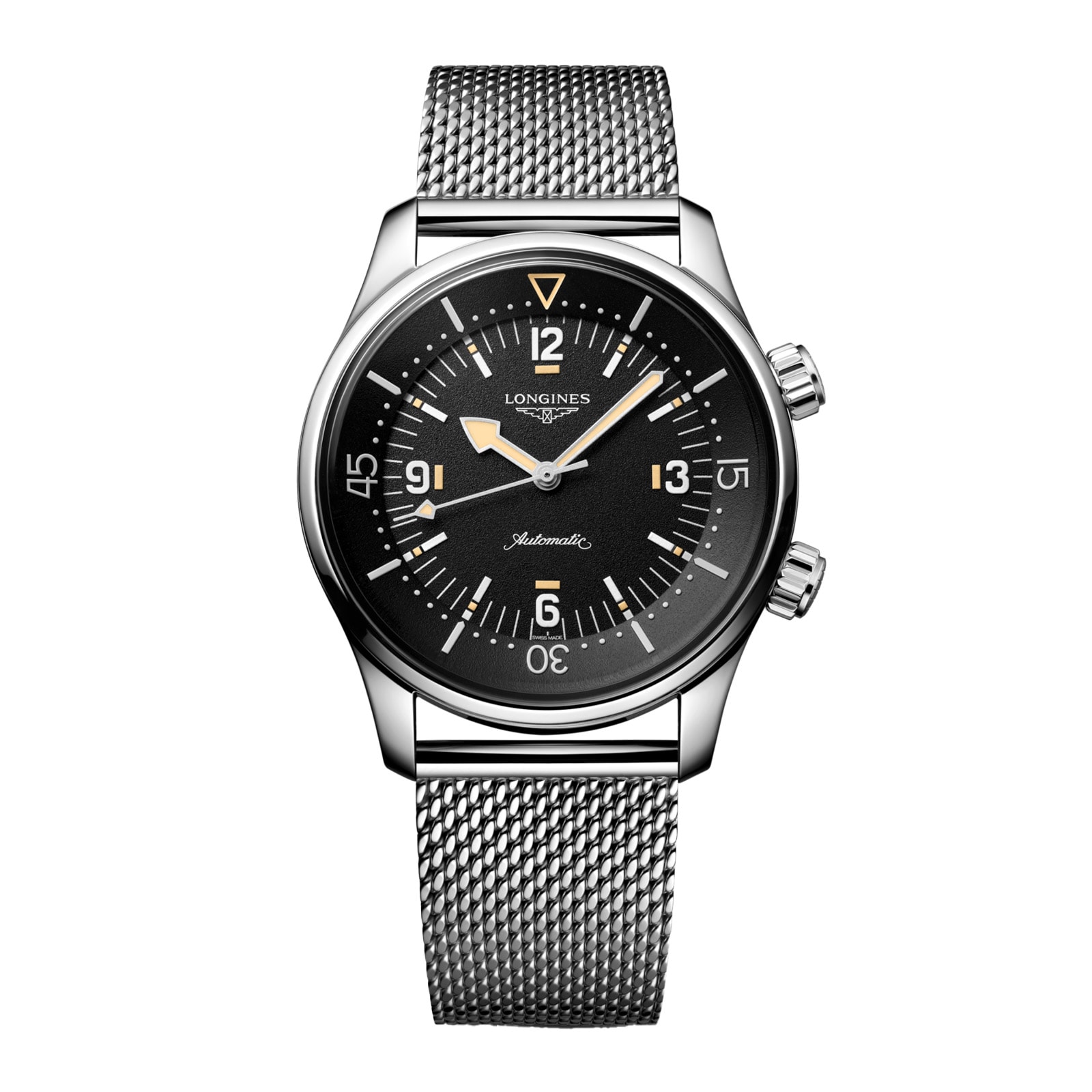 Legend Diver15 pcs · from 3 186.00 €
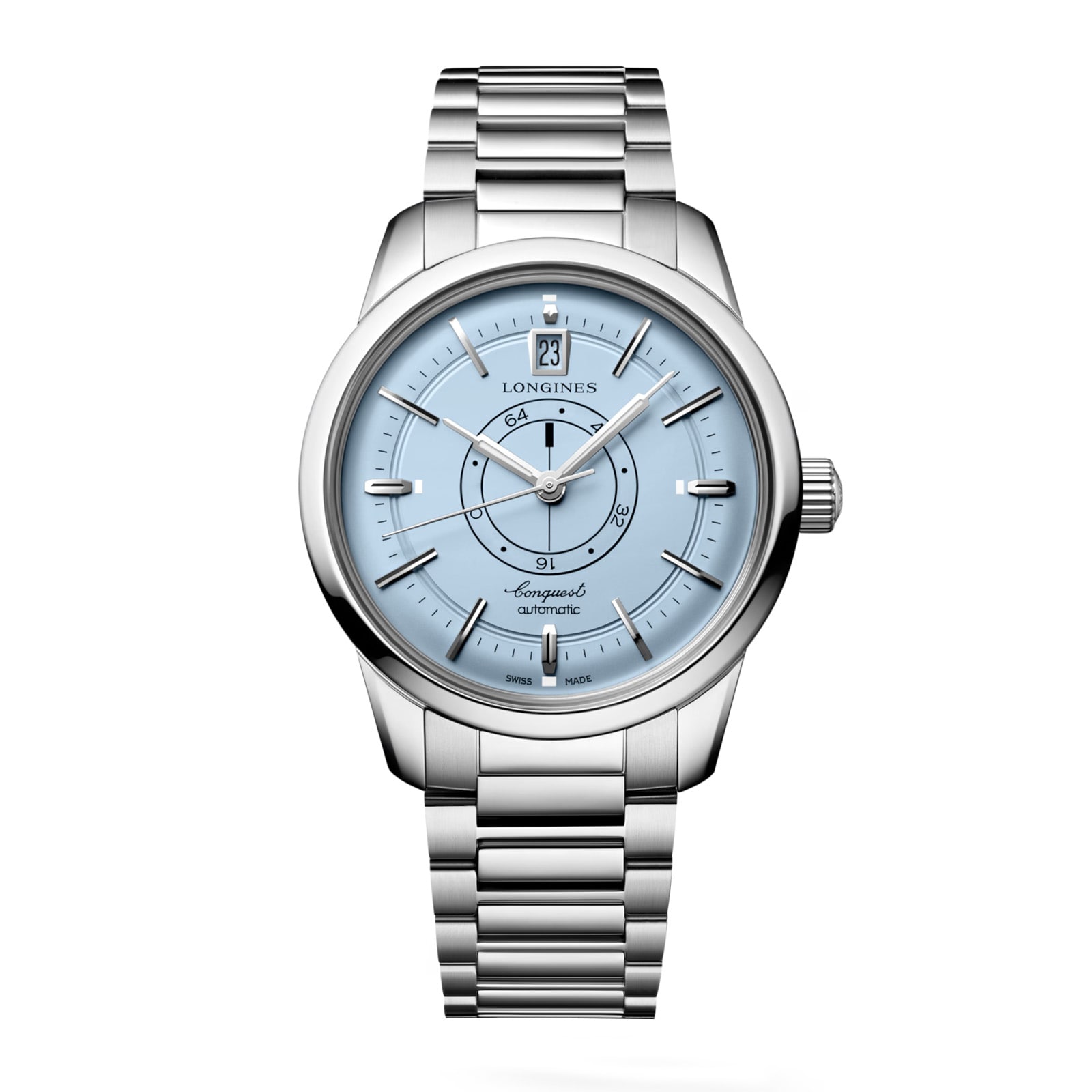 Conquest Heritage13 pcs · from 3 484.03 €
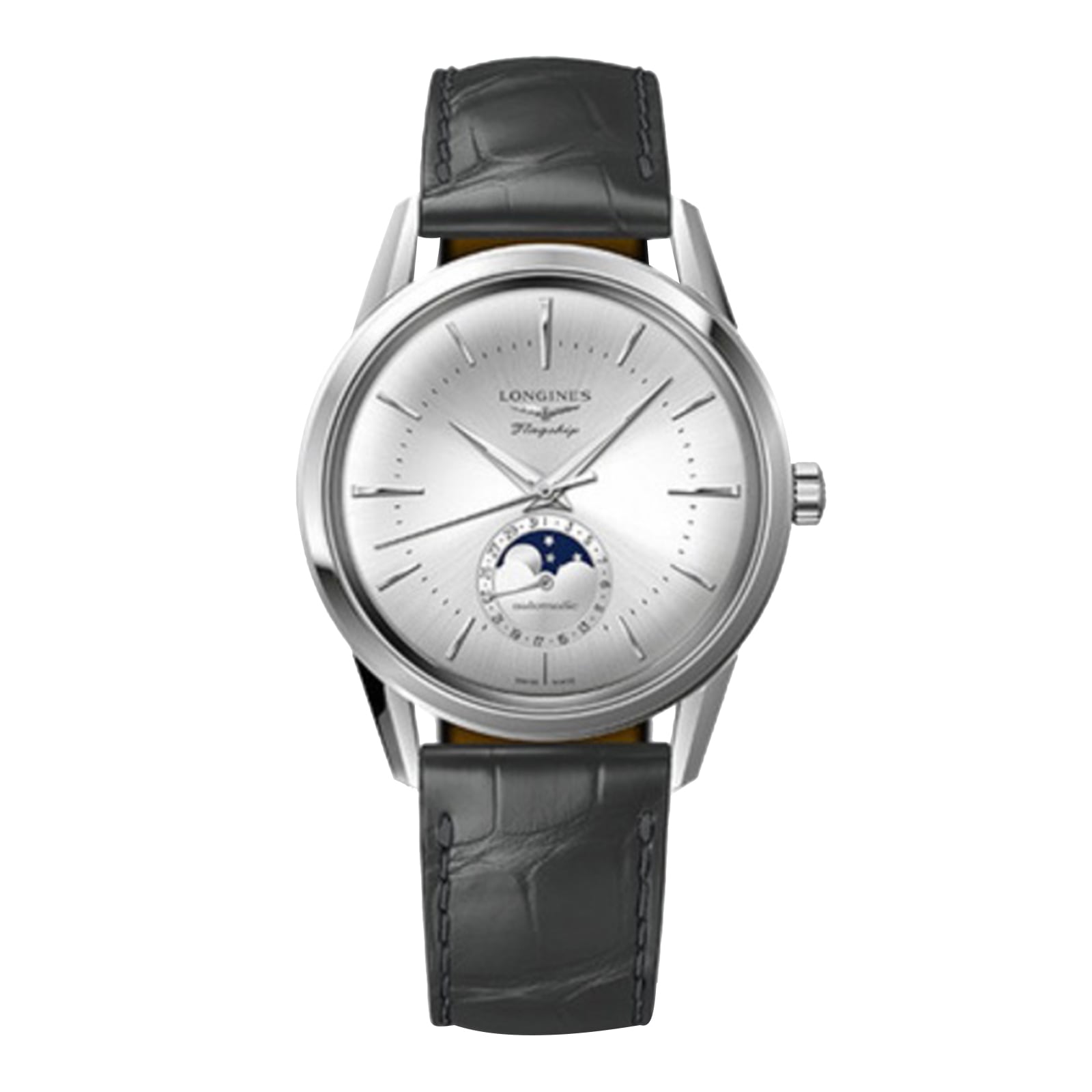 Flagship Classic13 pcs · from 1 635.36 €
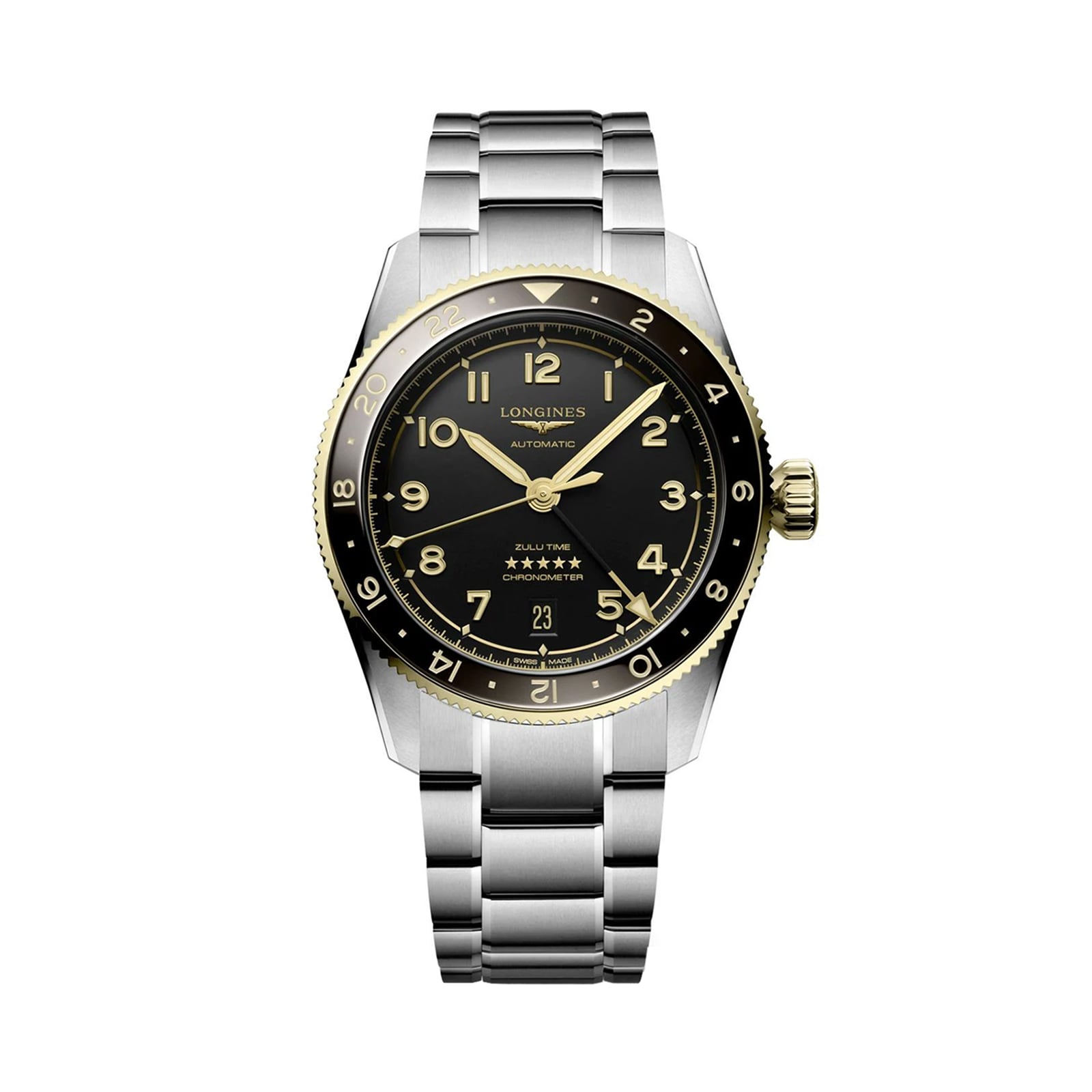 Spirit Zulu12 pcs · from 4 052.85 €
Models
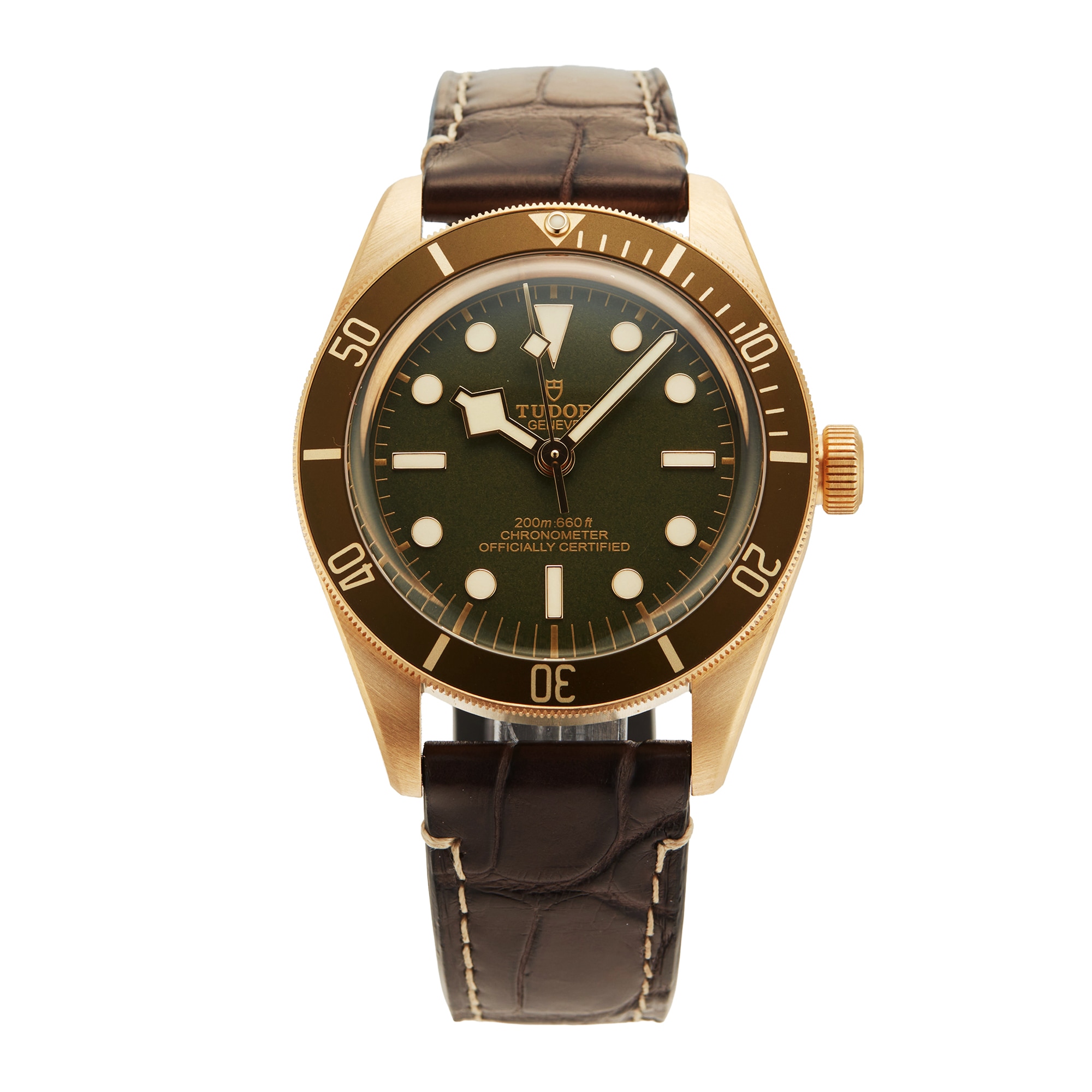 Black Bay143 pcs · from 3 822.00 €
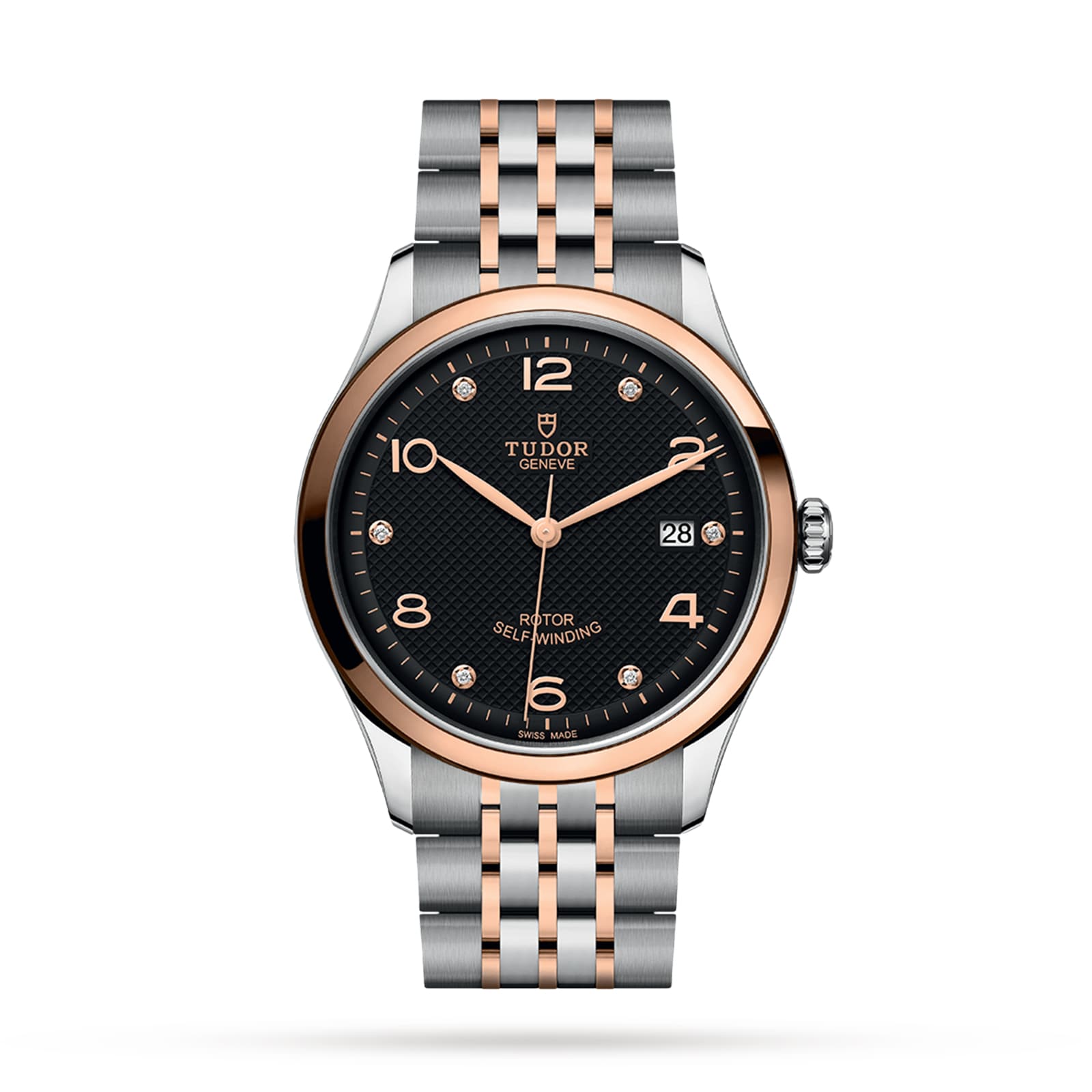 192625 pcs · from 2 346.39 €
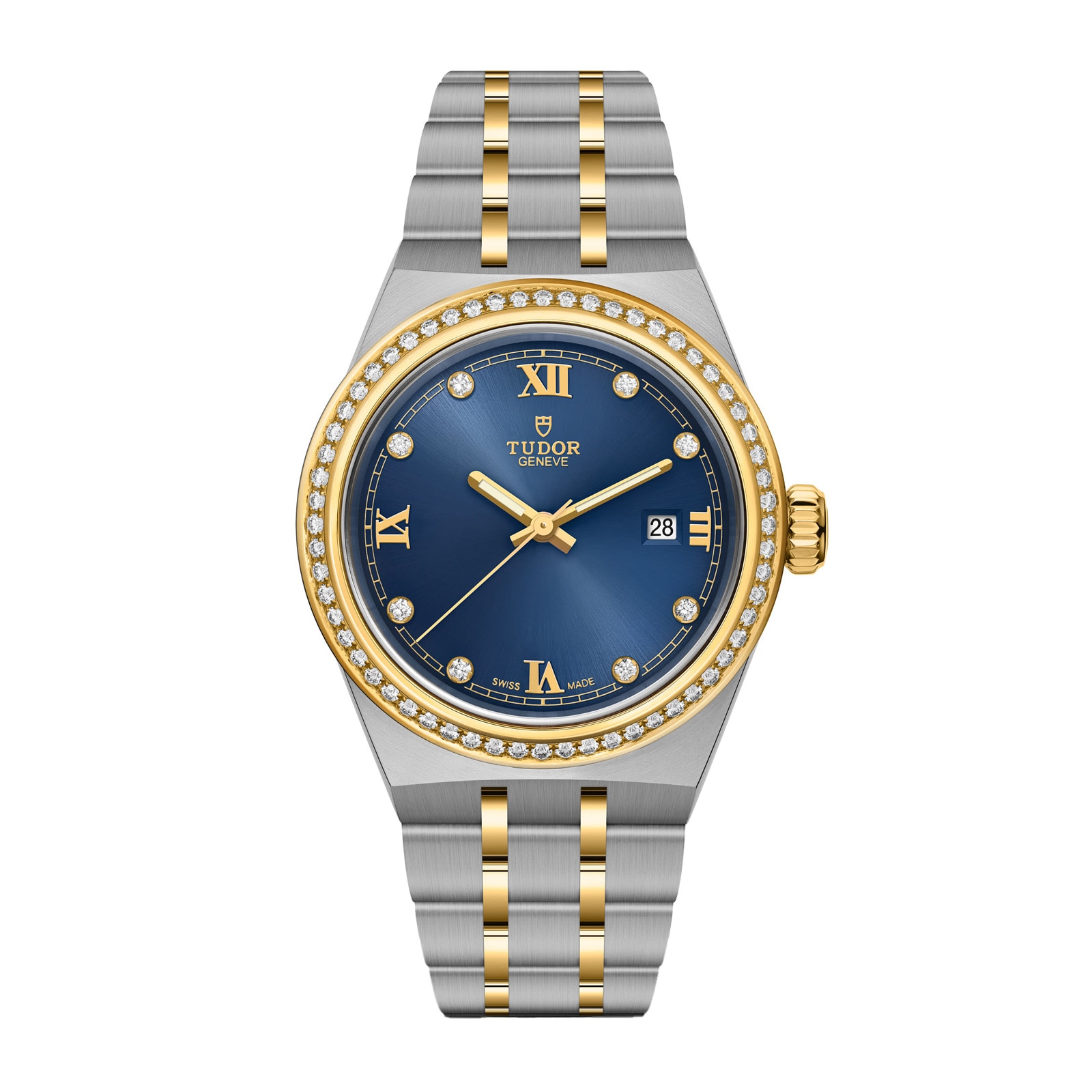 Royal24 pcs · from 2 622.00 €
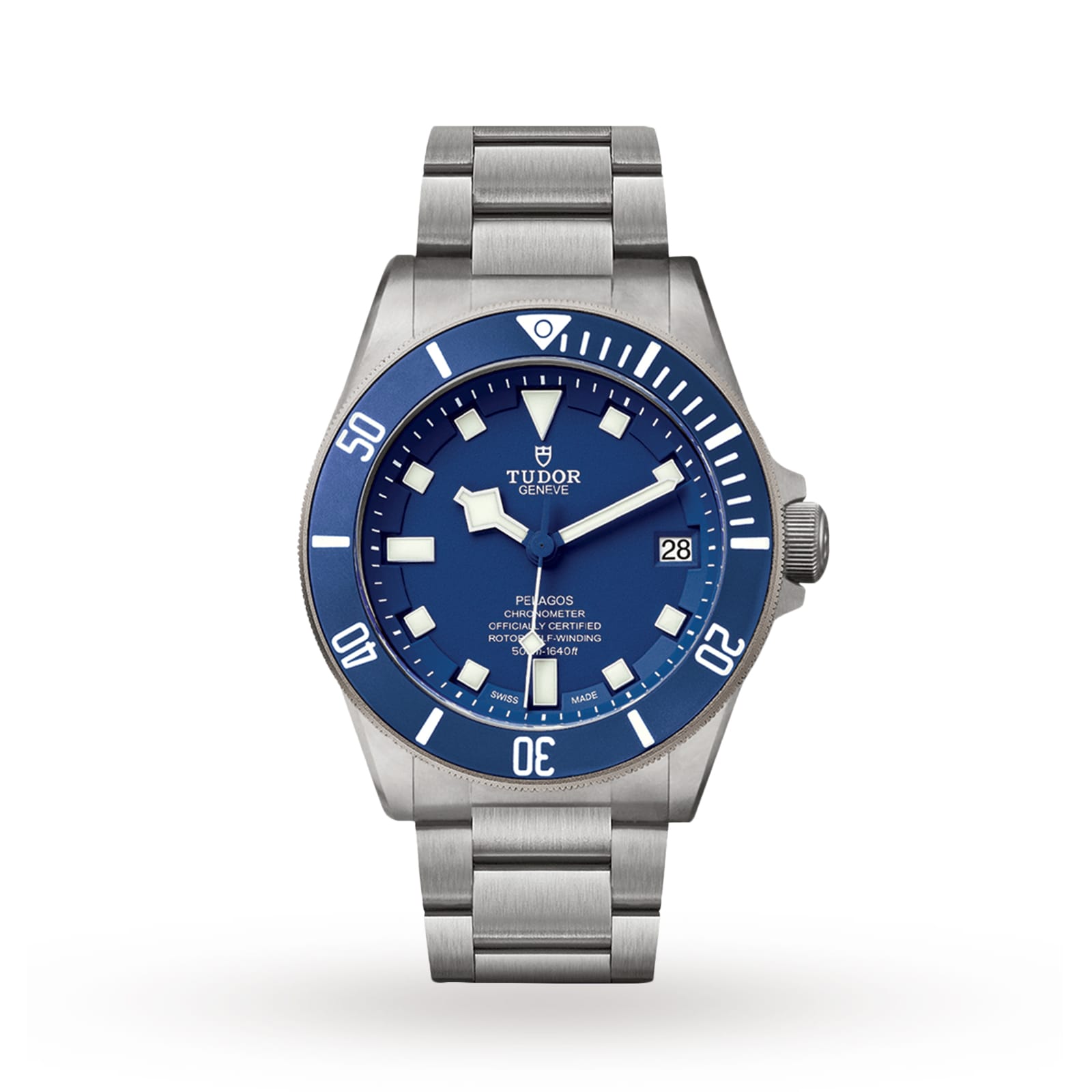 Pelagos21 pcs · from 4 248.00 €
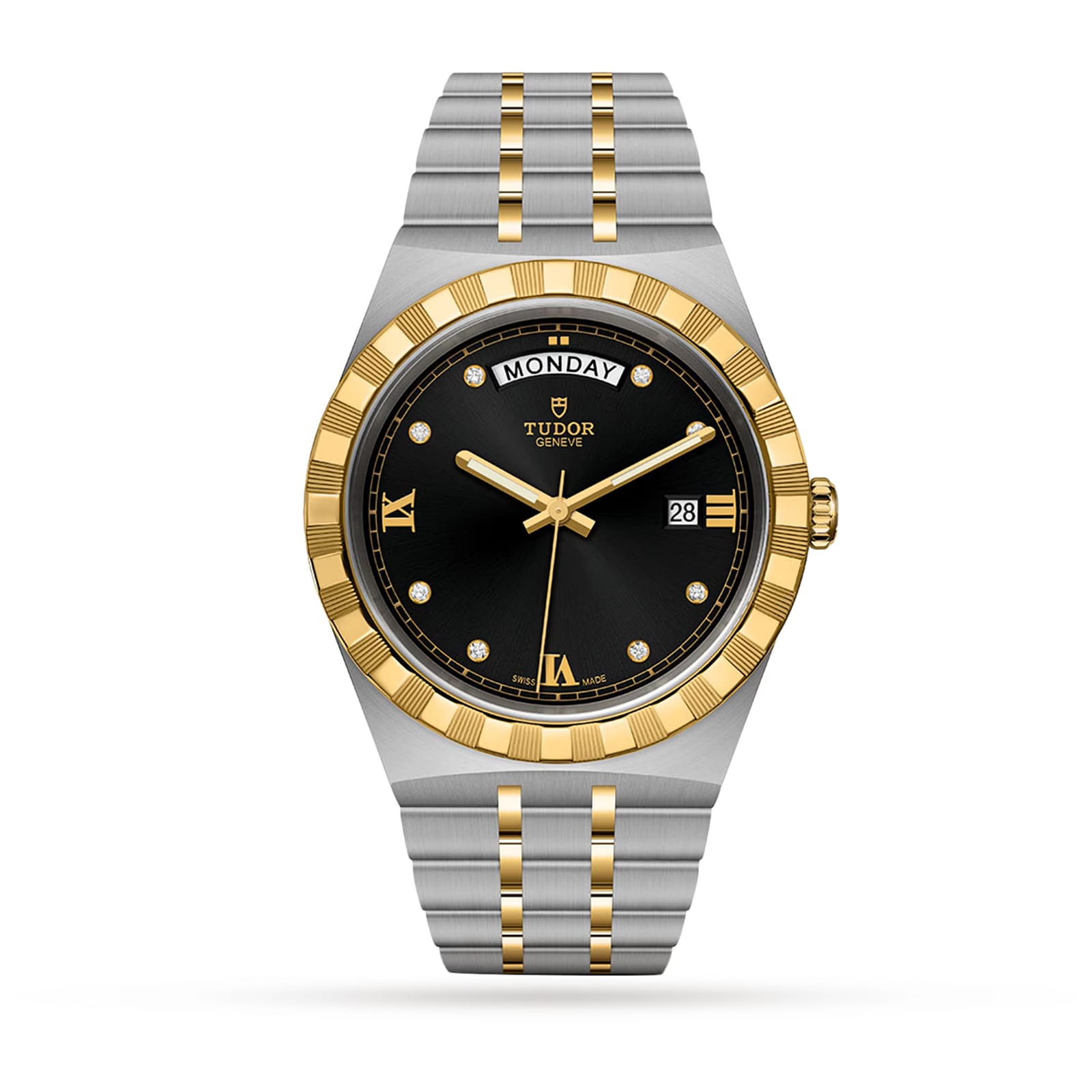 Tudor Royal11 pcs · from 3 697.34 €
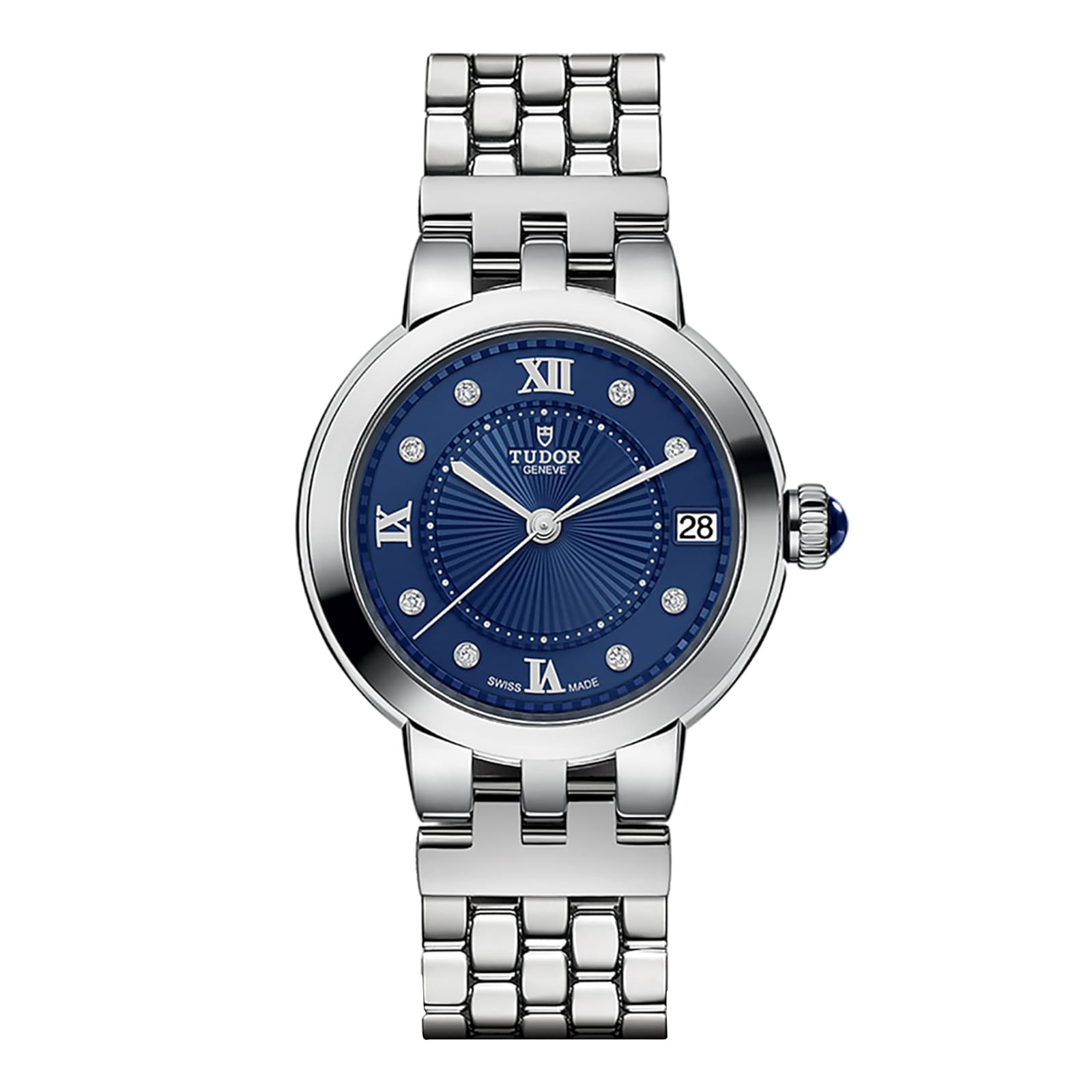 Clair de11 pcs · from 2 630.80 €
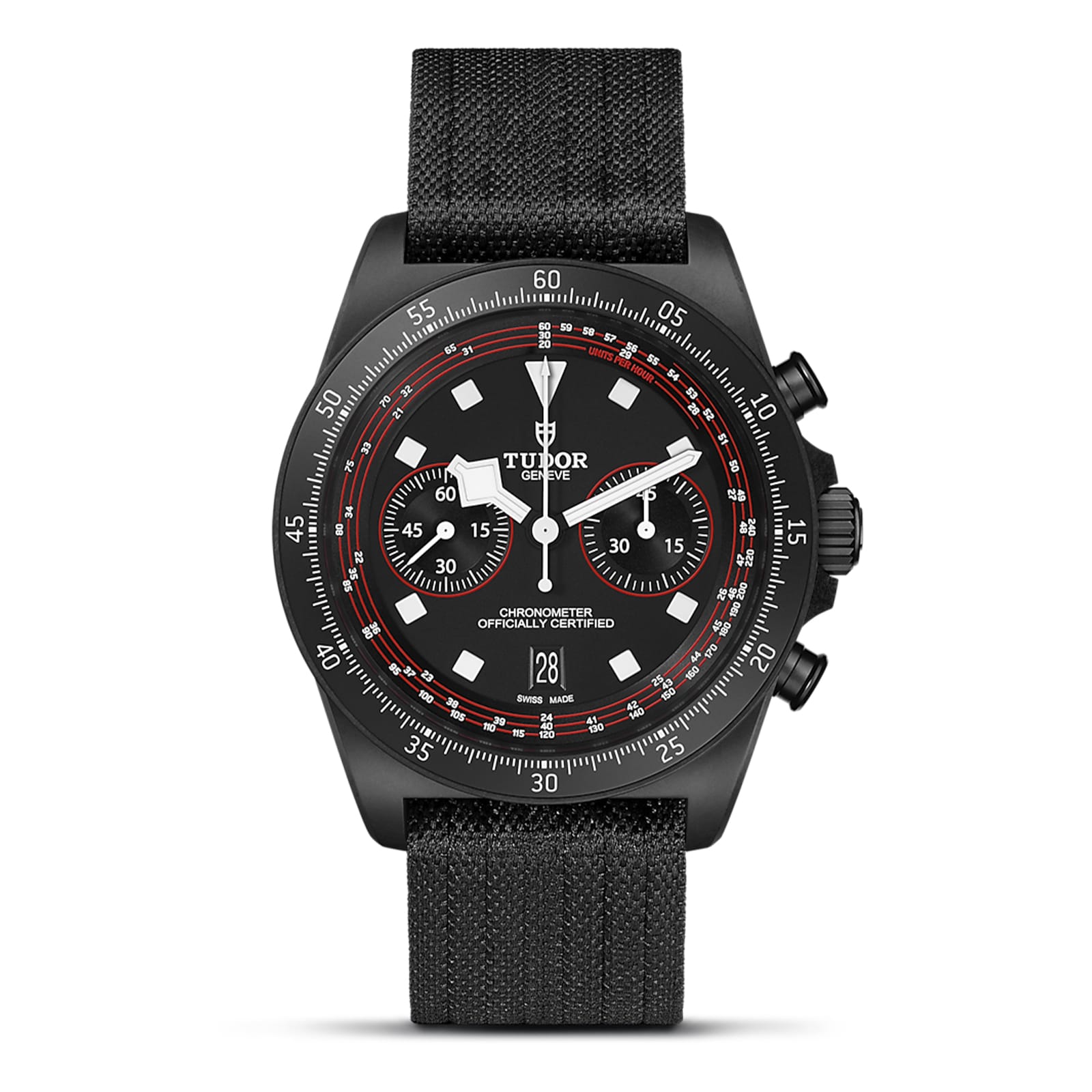 Pelagos FXD9 pcs · from 4 380.00 €
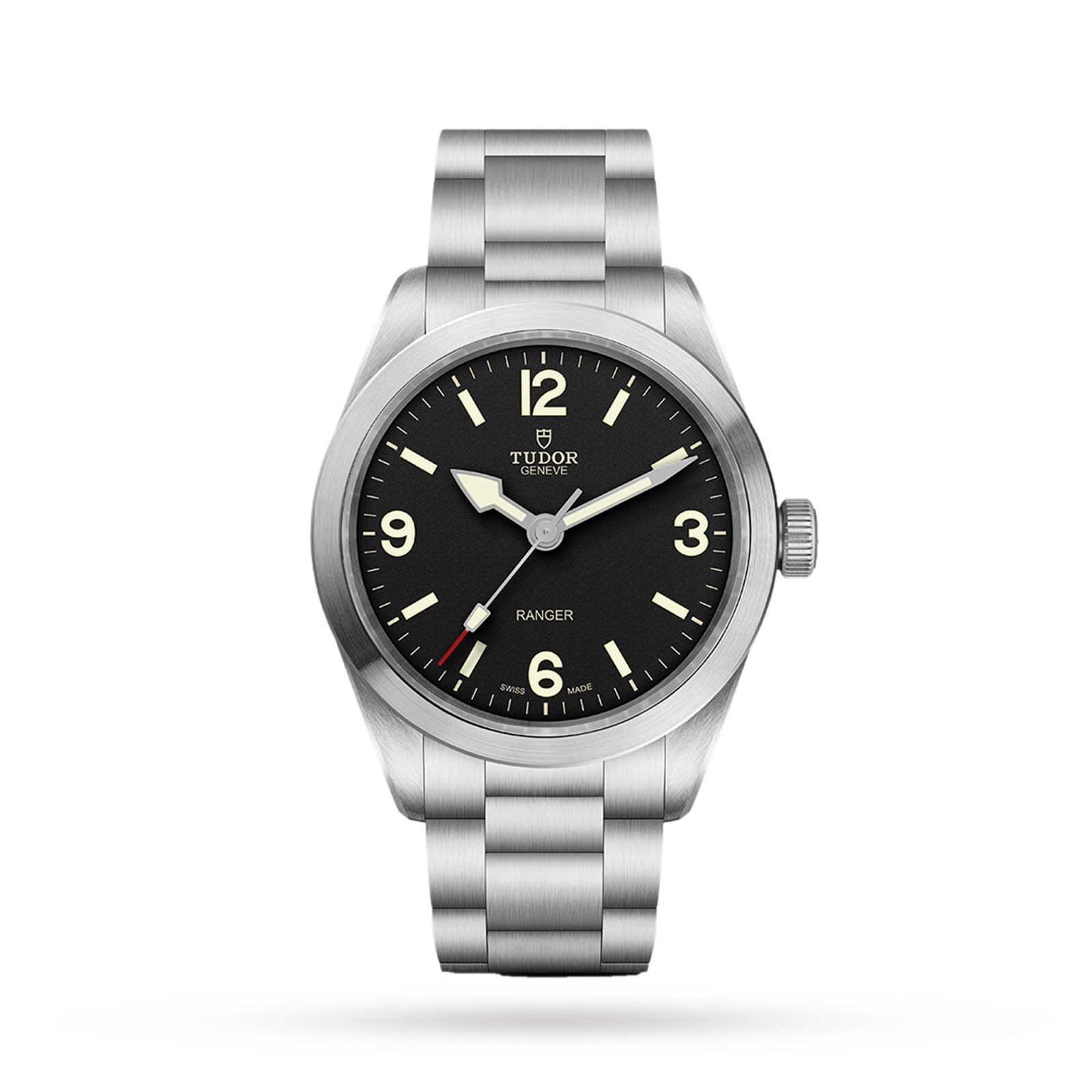 Ranger8 pcs · from 3 910.65 €
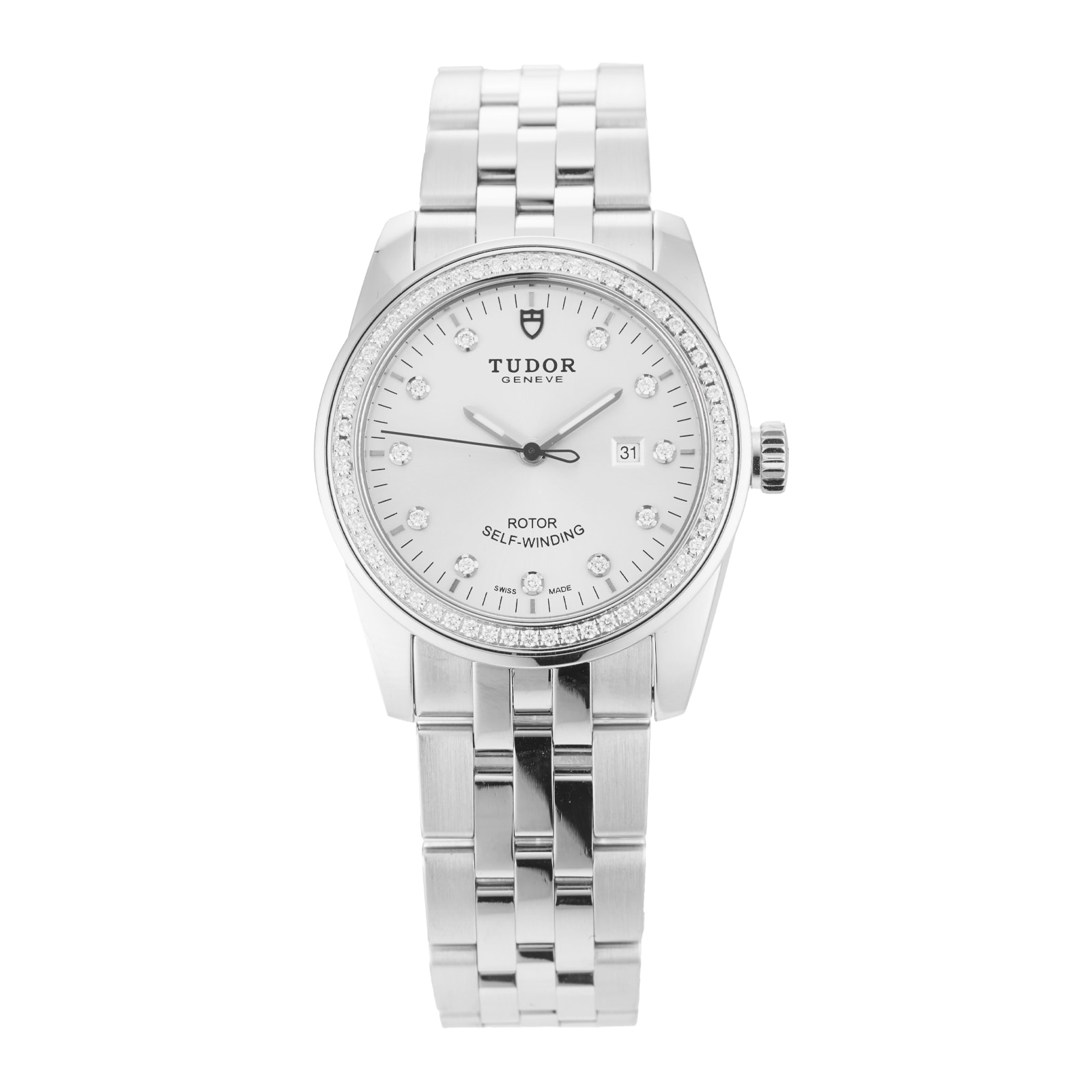 Glamour6 pcs · from 2 773.01 €
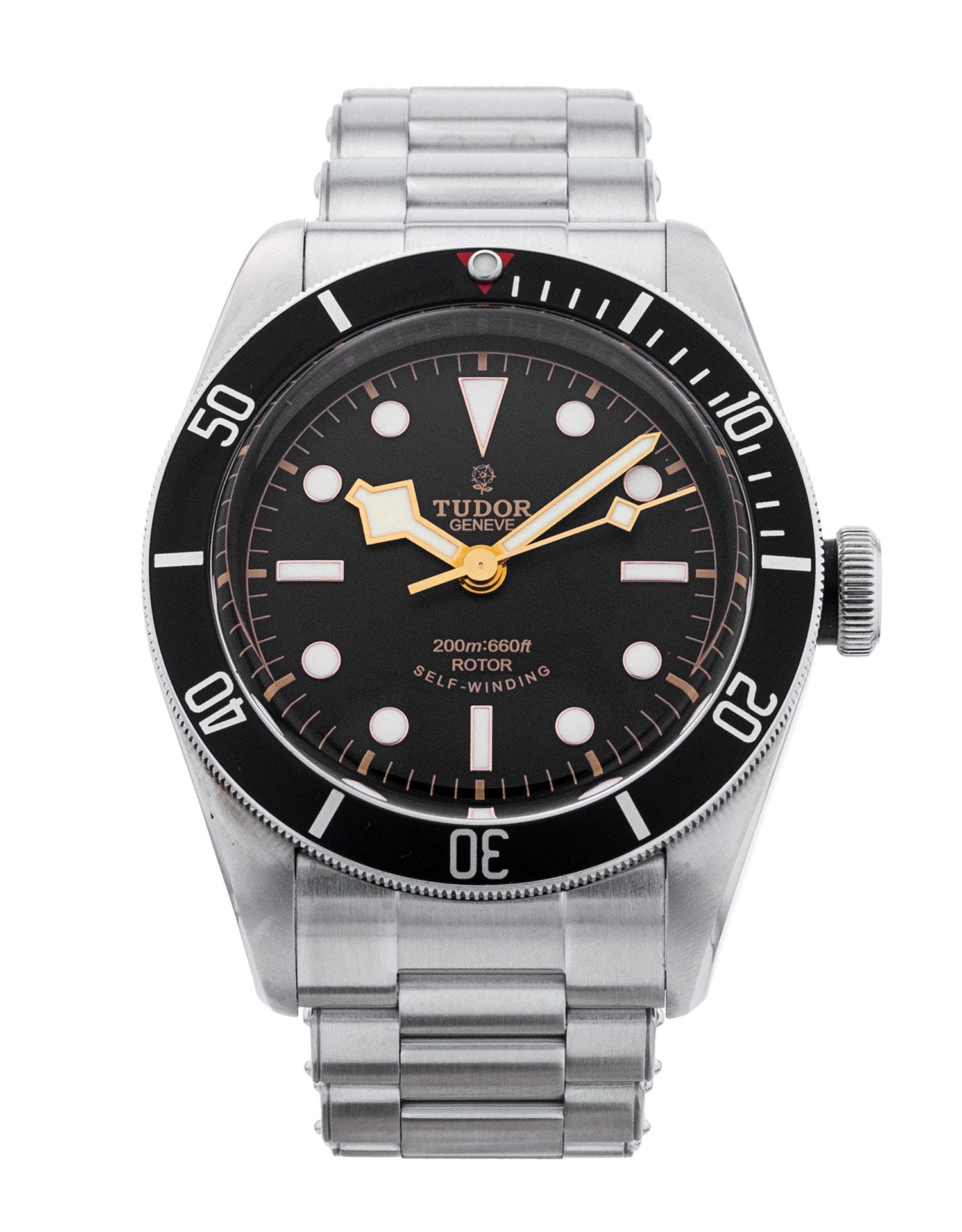 Heritage5 pcs · from 3 057.42 €
Models
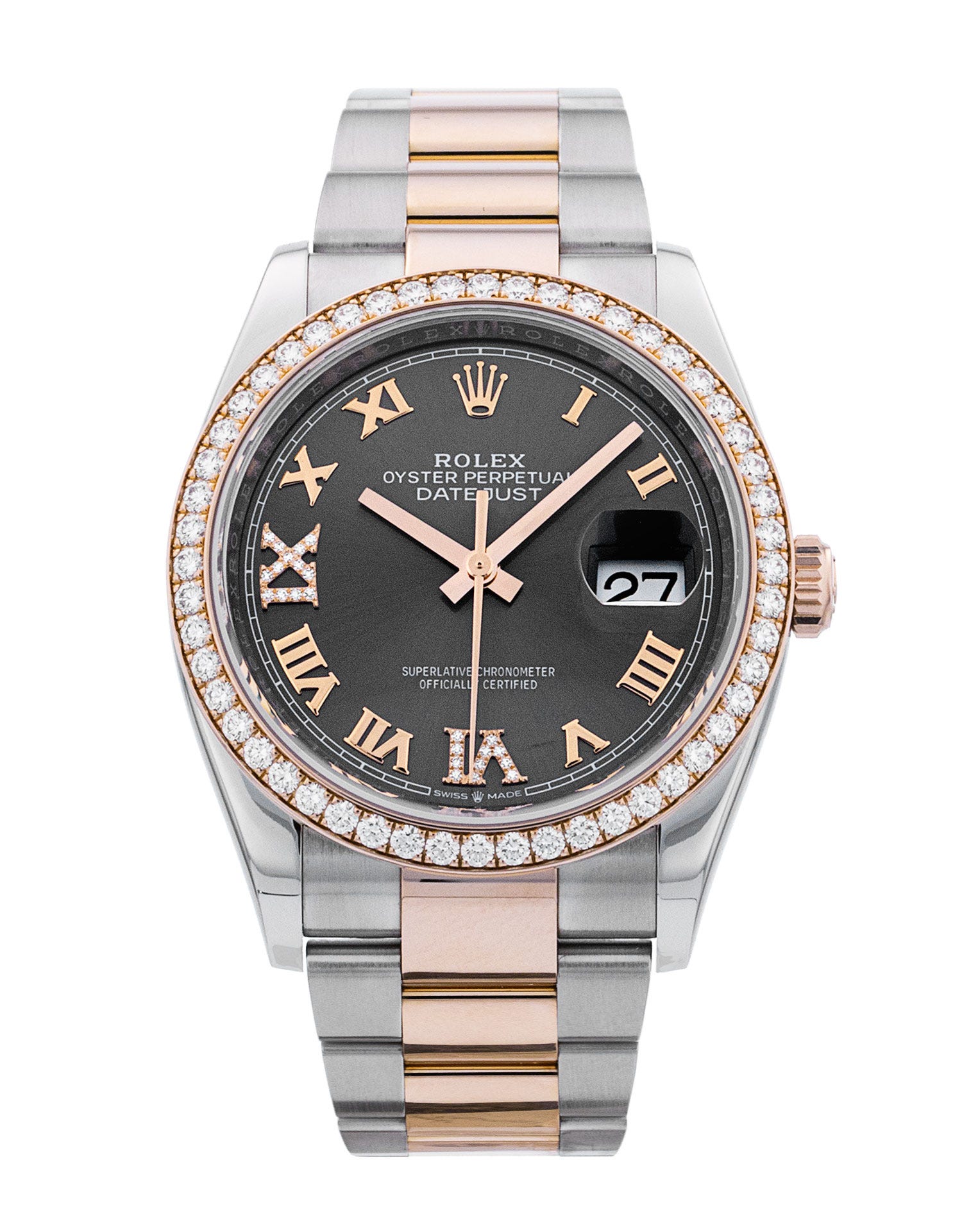 Datejust99 pcs · from 5 664.00 €
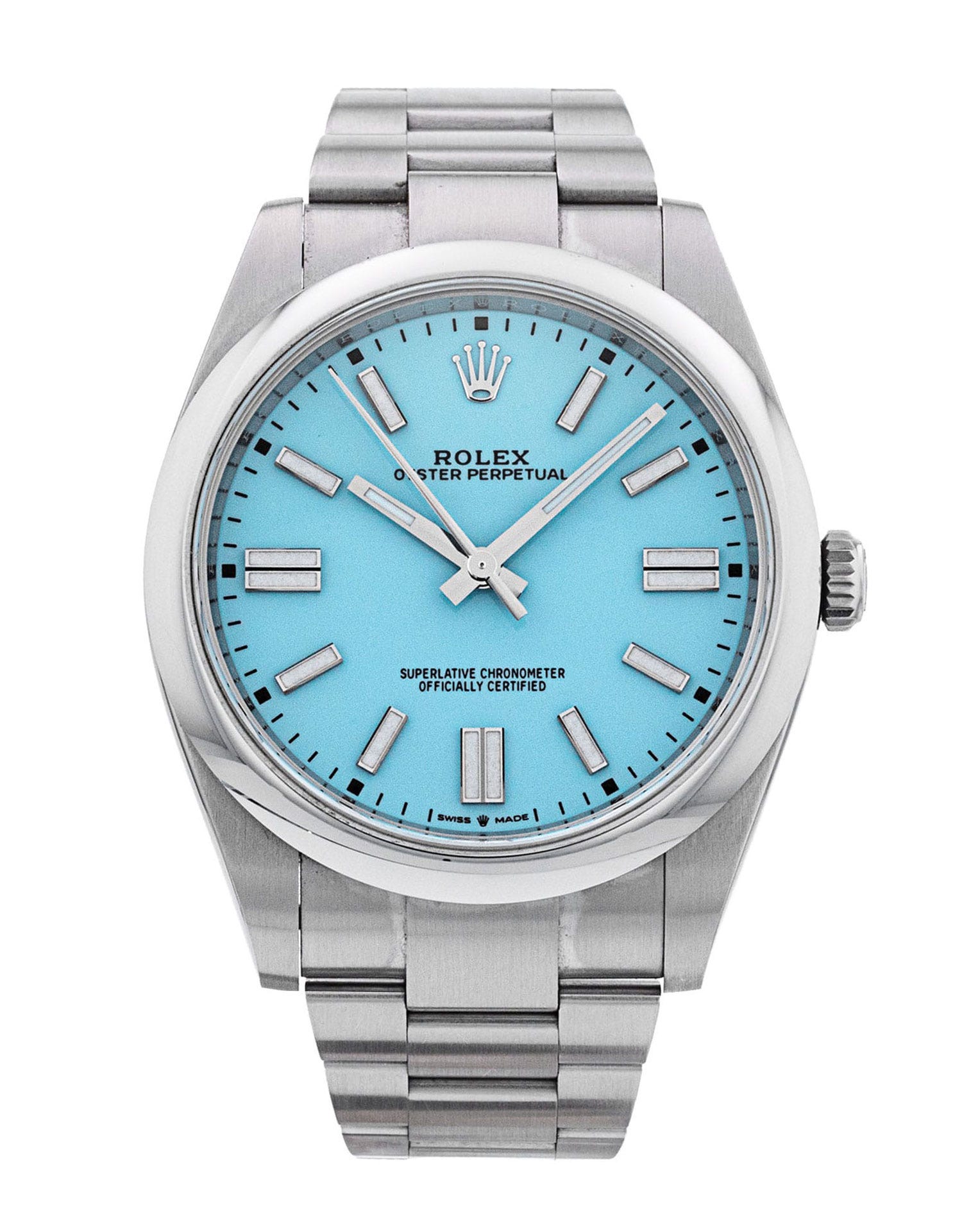 Oyster Perpetual52 pcs · from 4 746.00 €
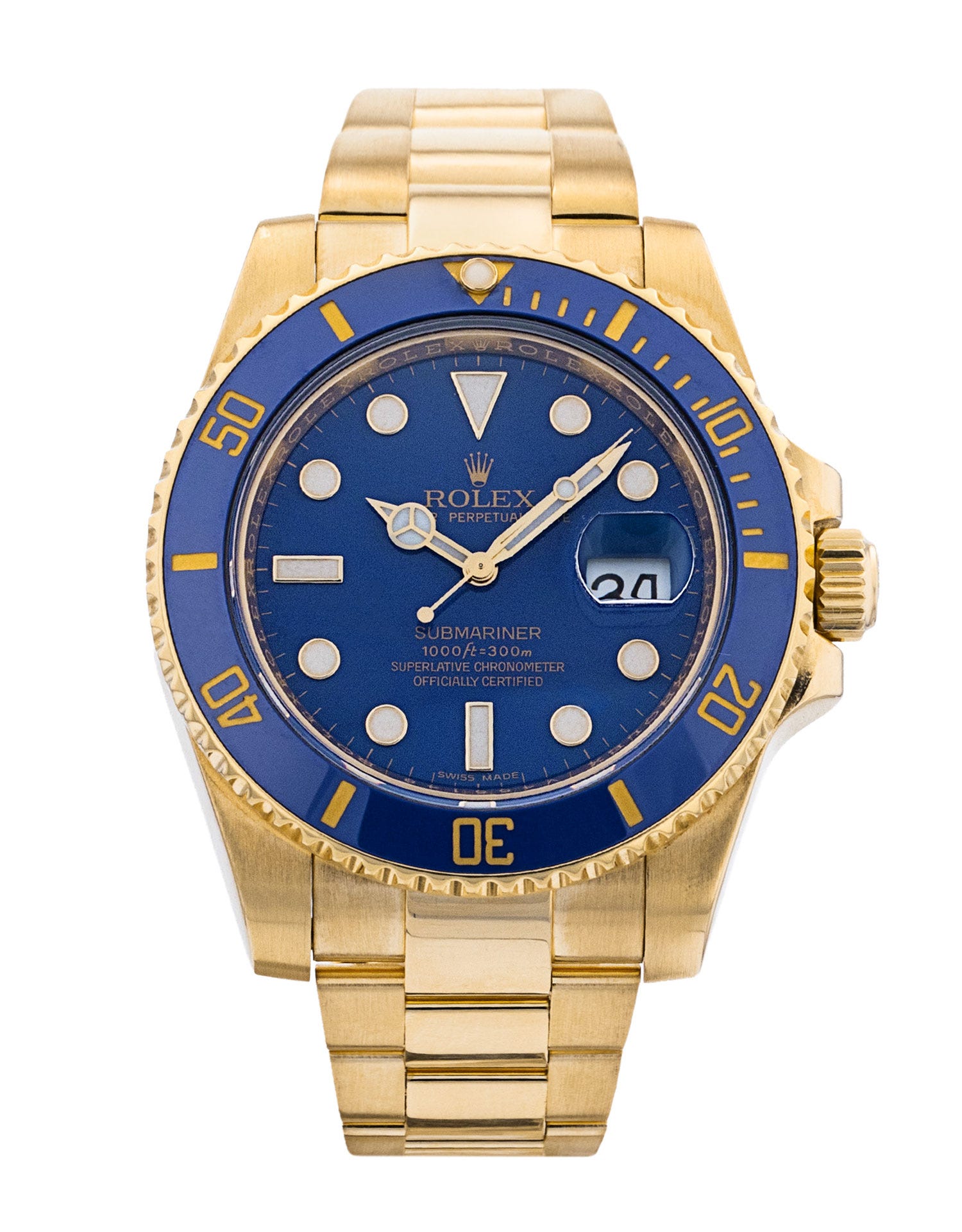 Submariner17 pcs · from 9 924.00 €
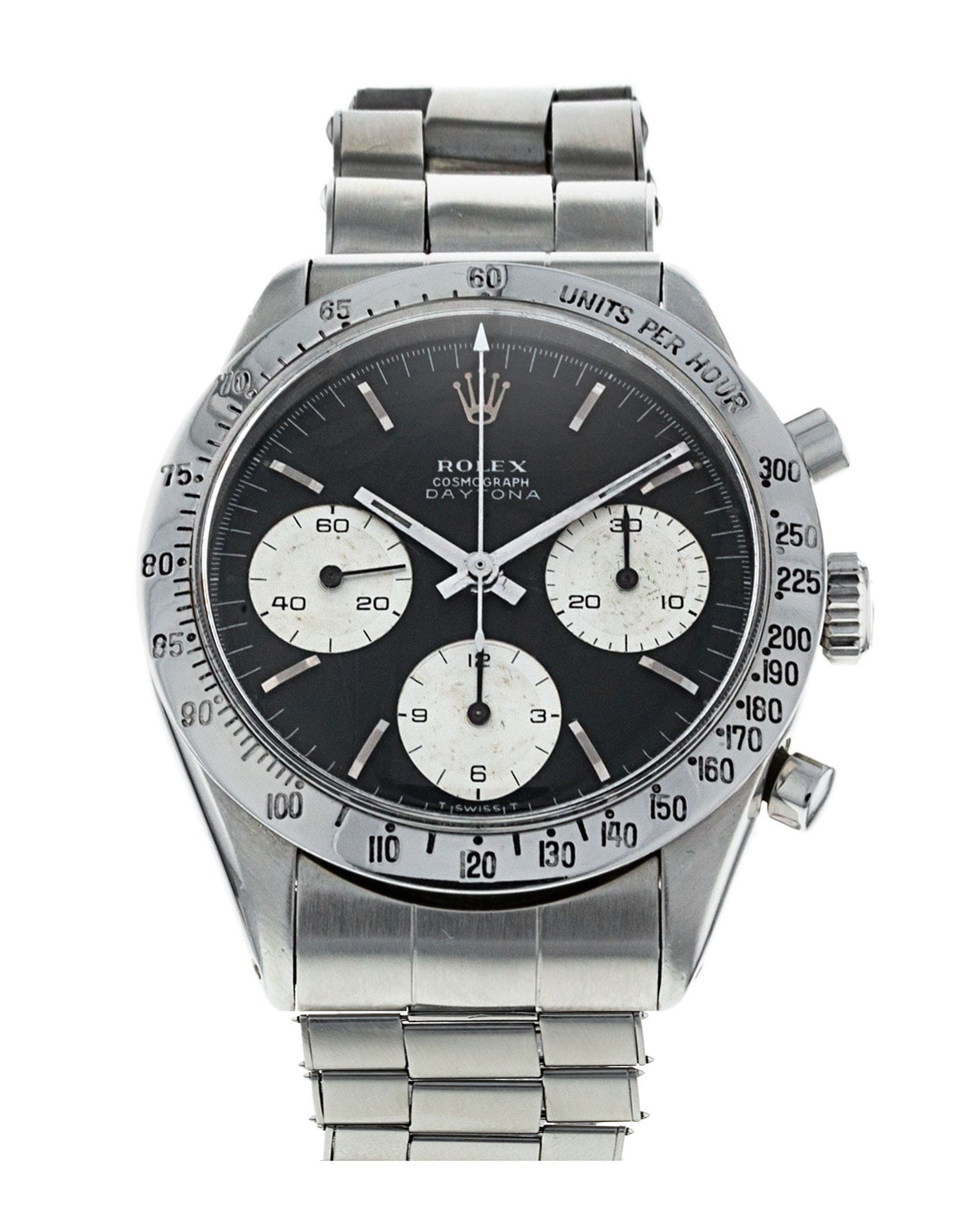 Daytona13 pcs · from 20 178.00 €
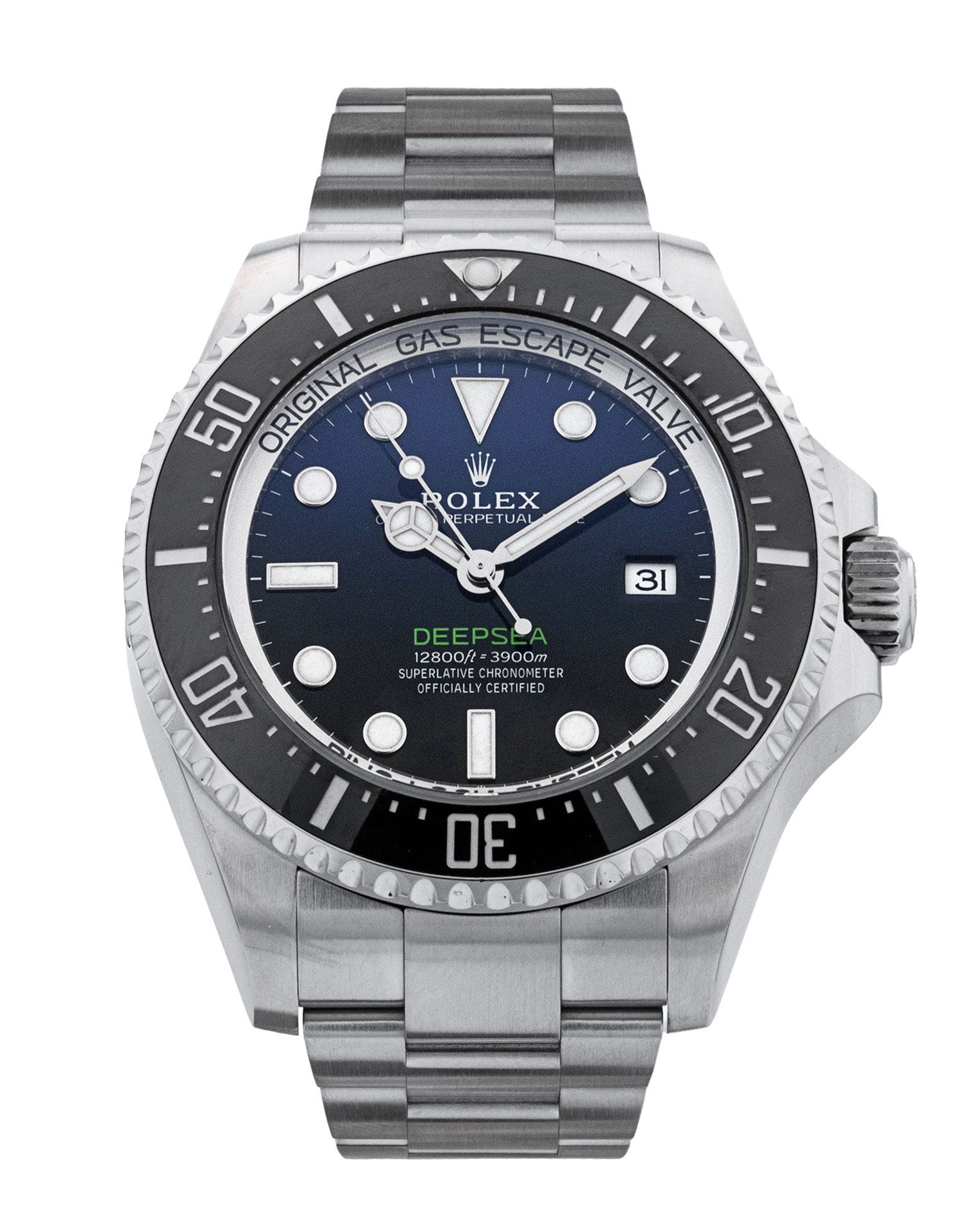 Deepsea13 pcs · from 10 266.00 €
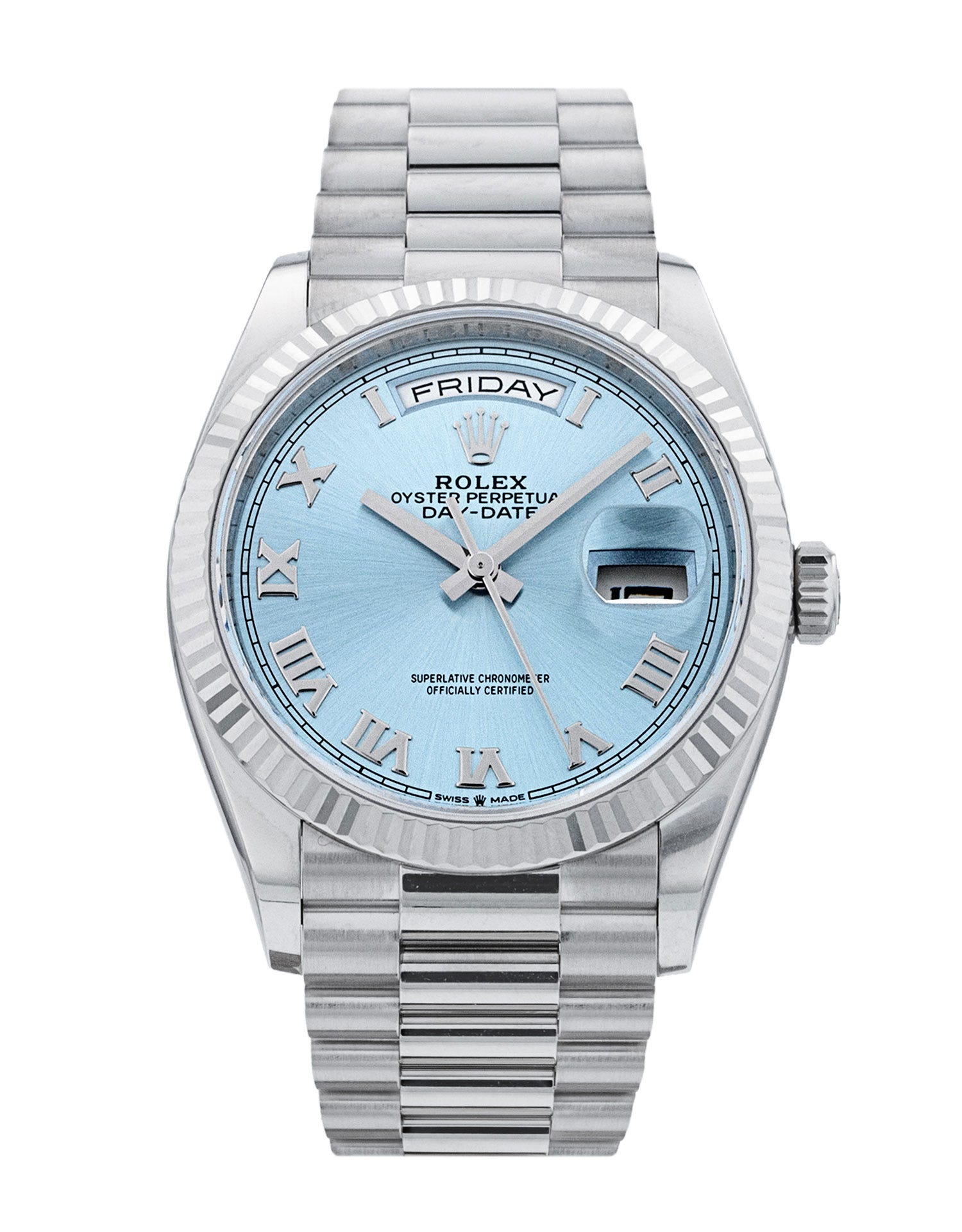 Day-Date12 pcs · from 12 522.00 €
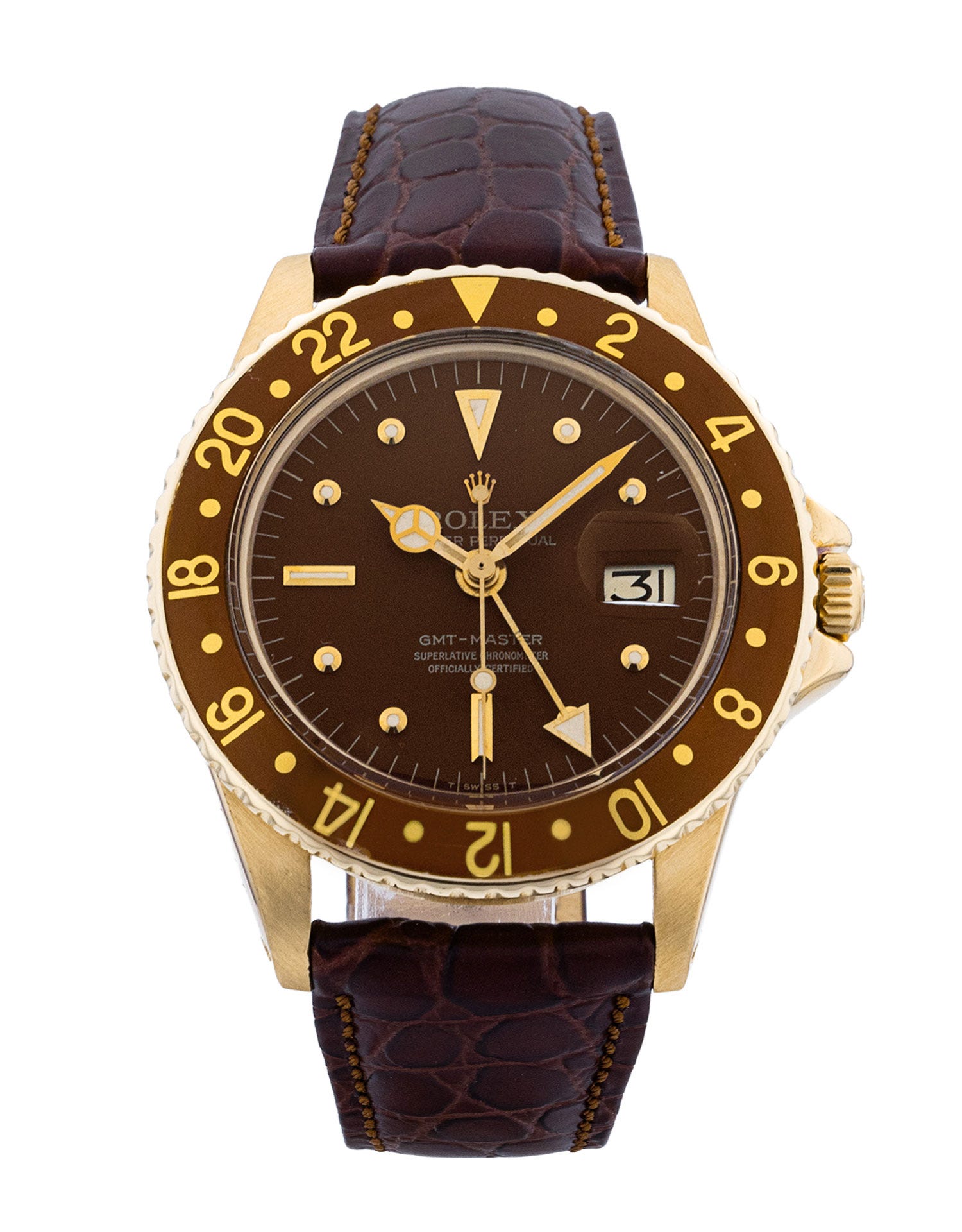 GMT Master12 pcs · from 12 672.00 €
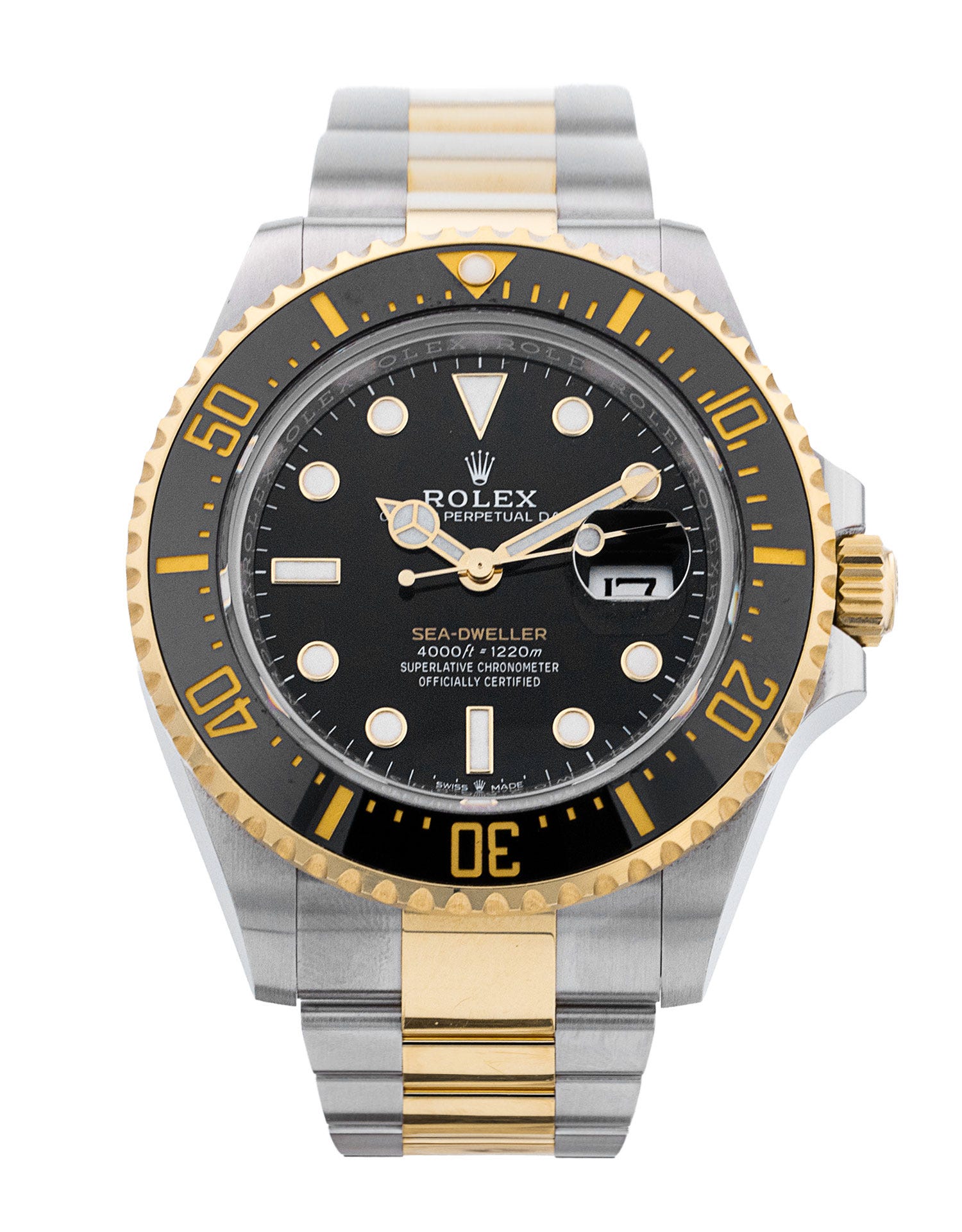 Sea-Dweller11 pcs · from 9 348.00 €
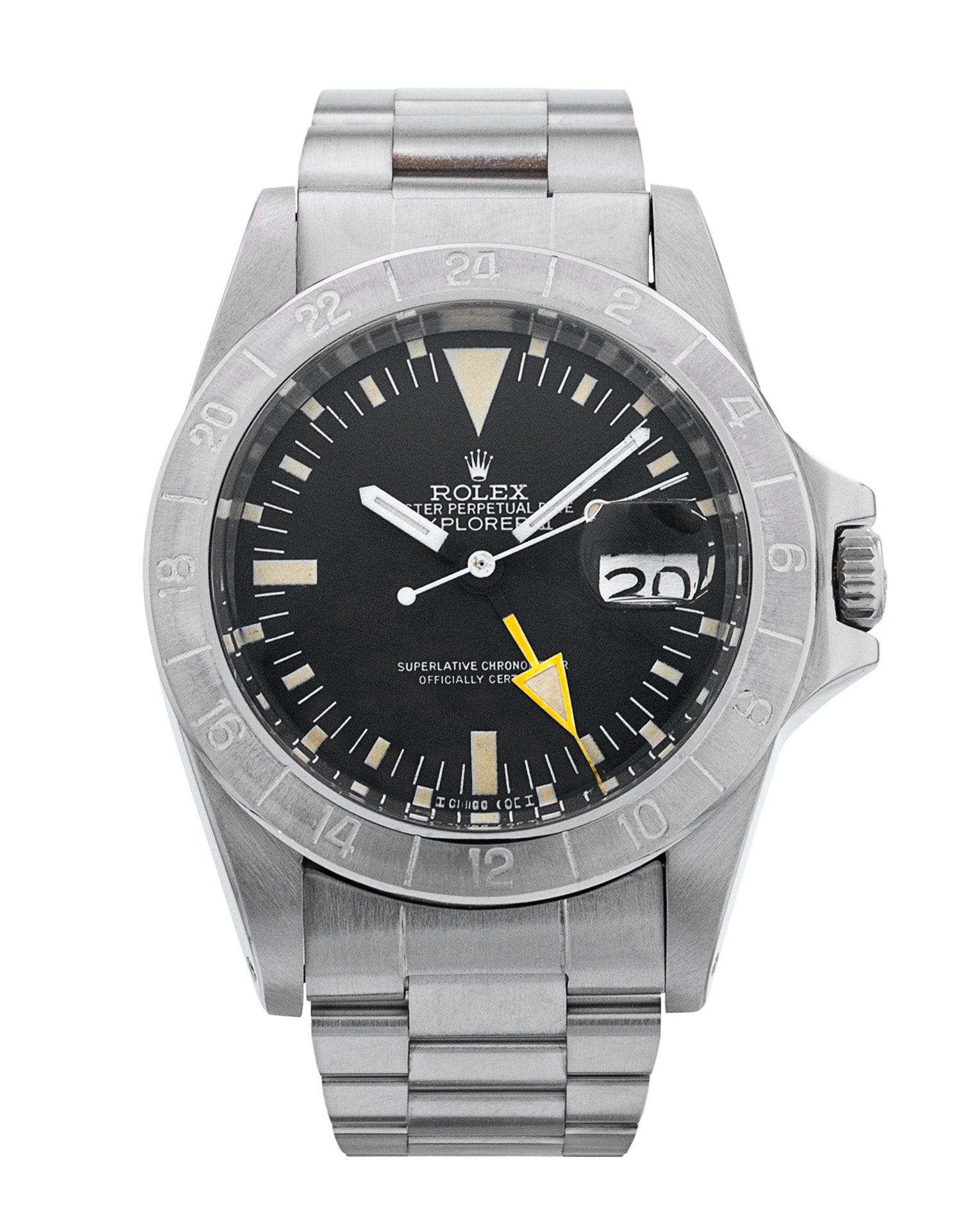 Explorer II9 pcs · from 8 706.00 €
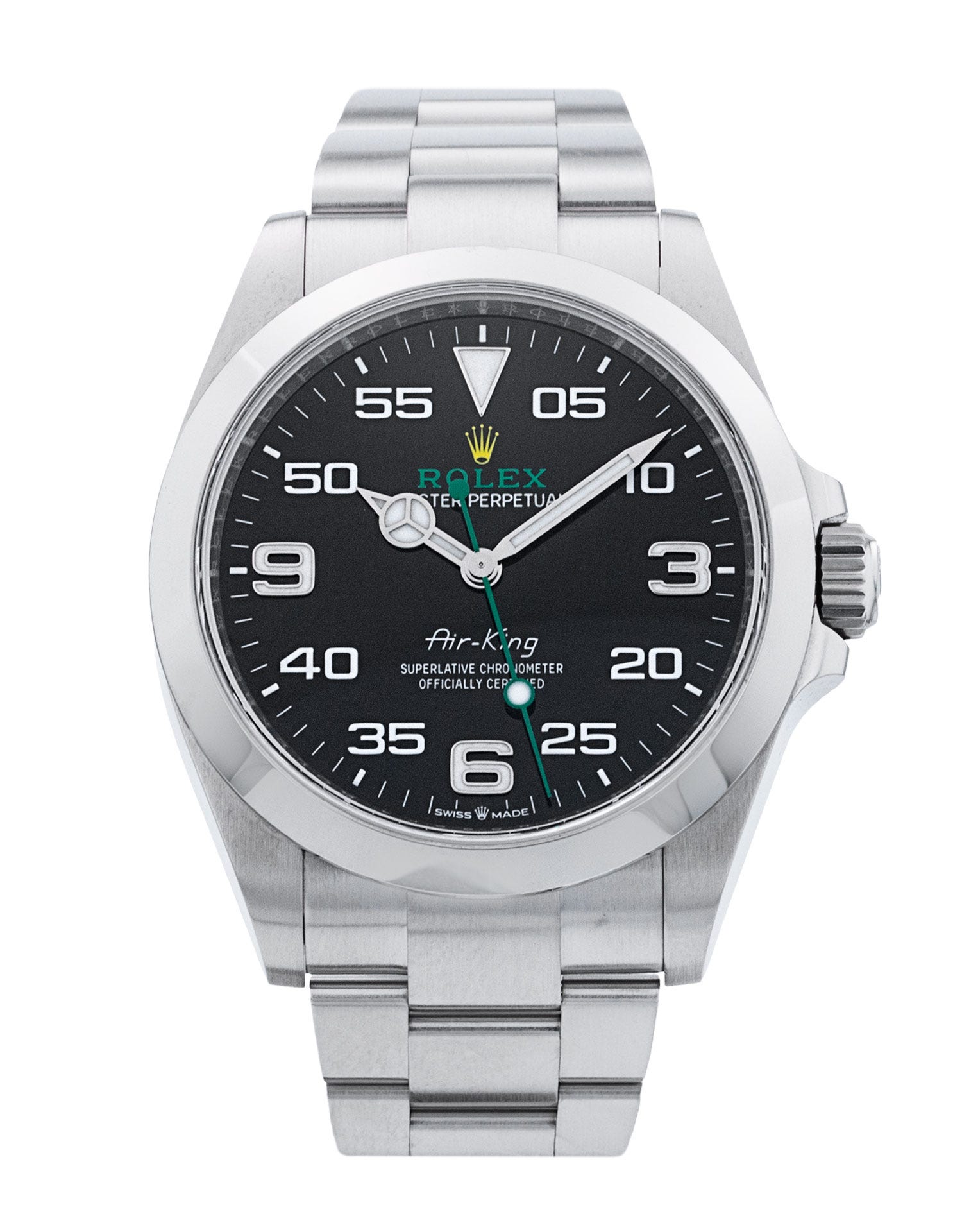 Air-King6 pcs · from 4 674.00 €
Models
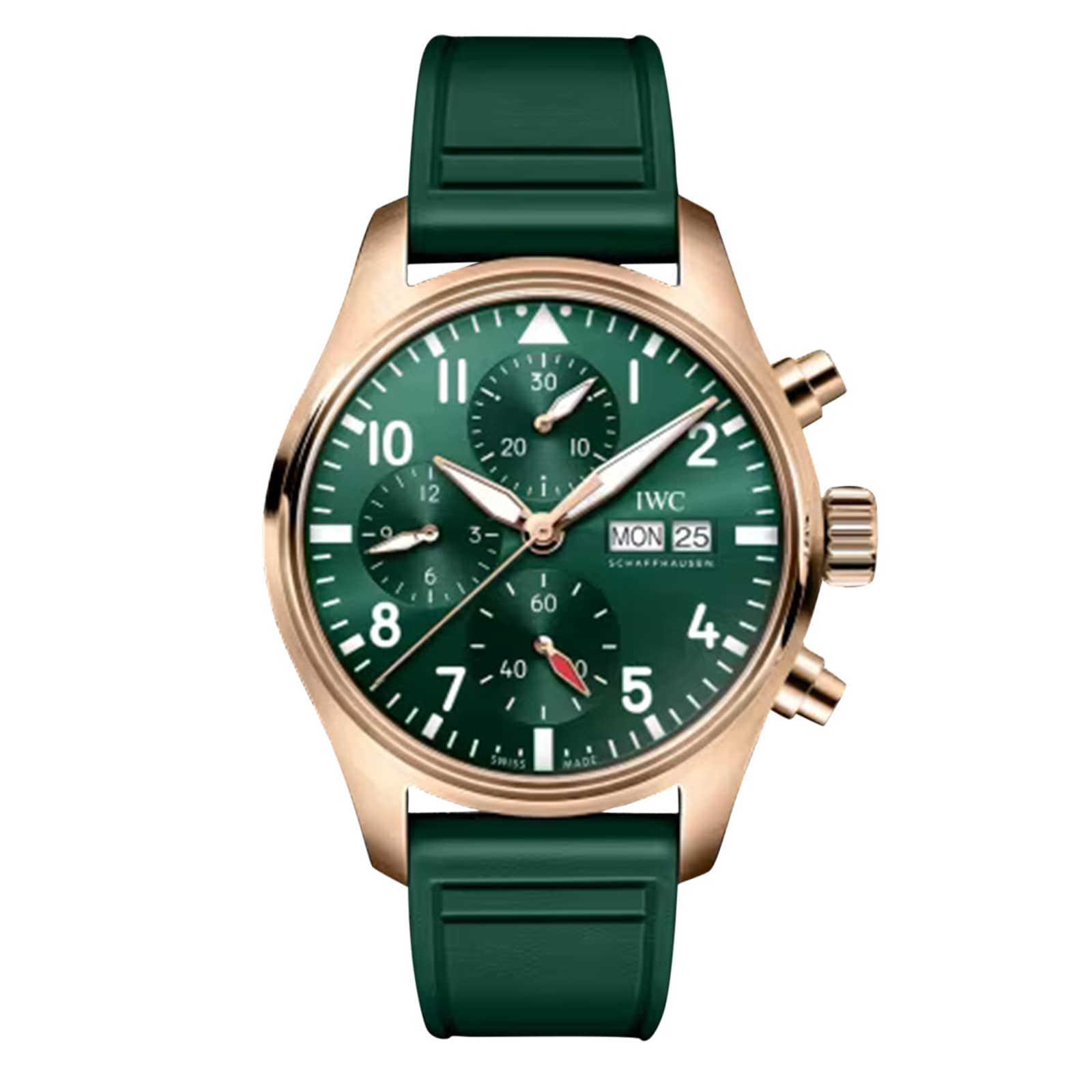 Pilot's54 pcs · from 6 012.00 €
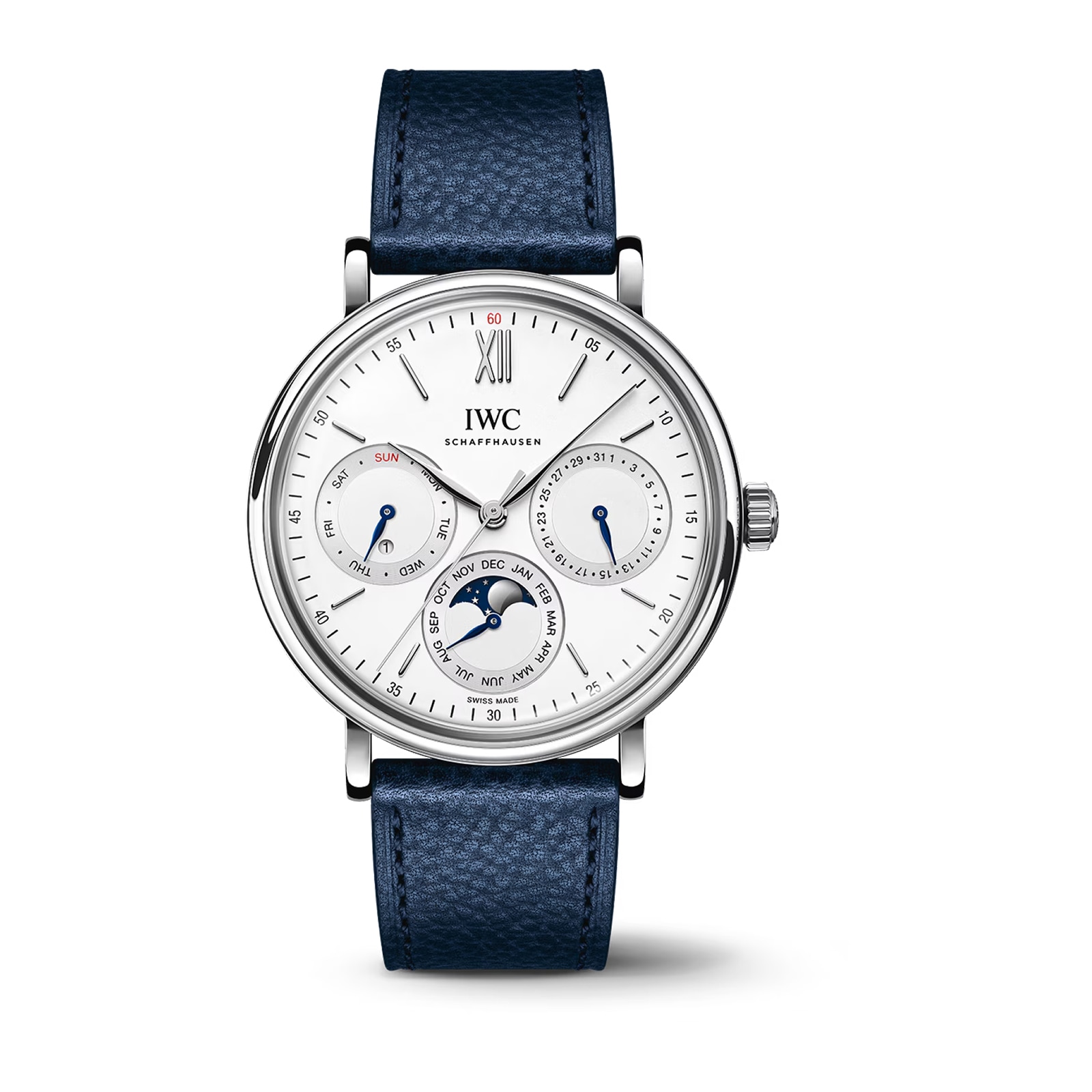 Portofino30 pcs · from 2 915.21 €
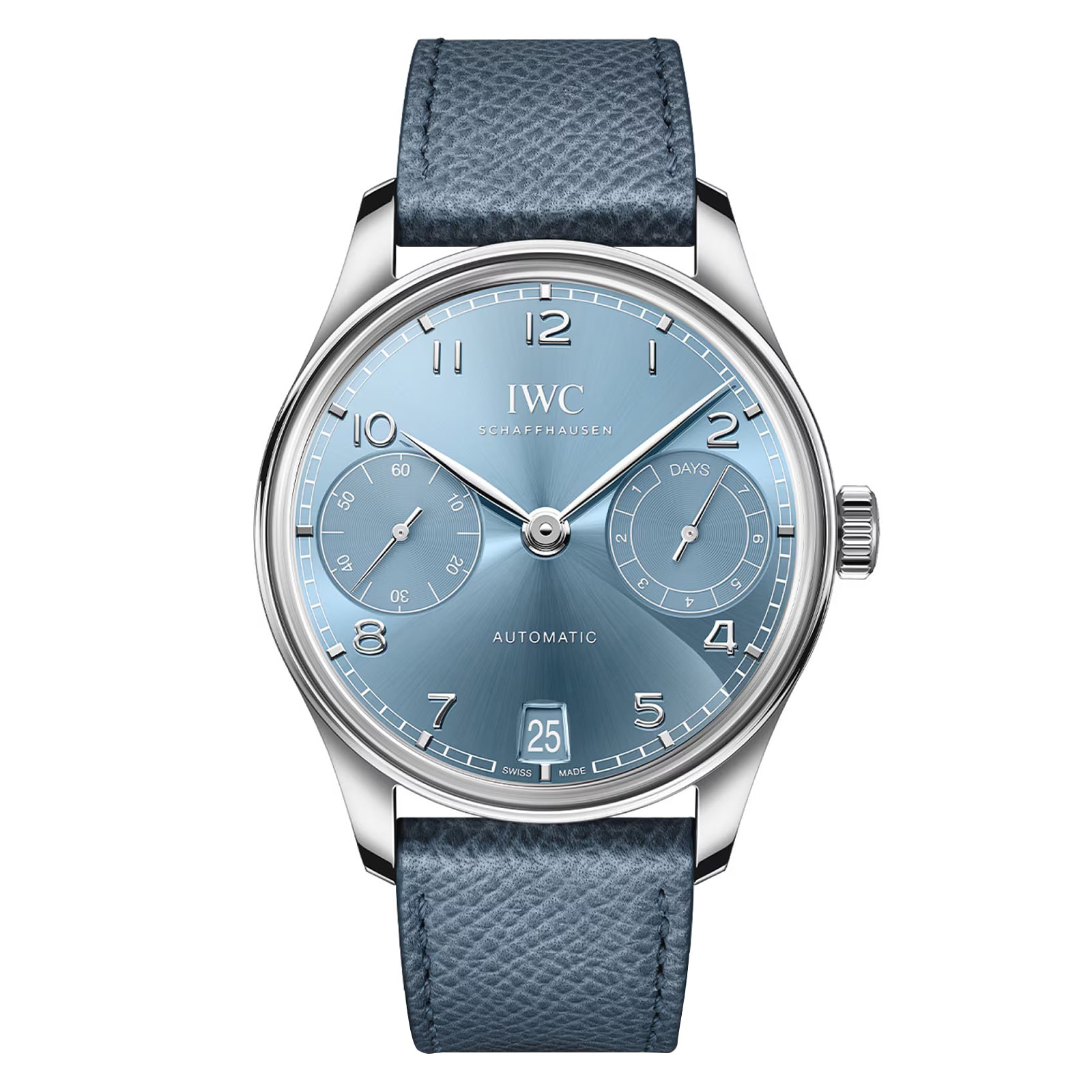 Portugieser27 pcs · from 8 319.02 €
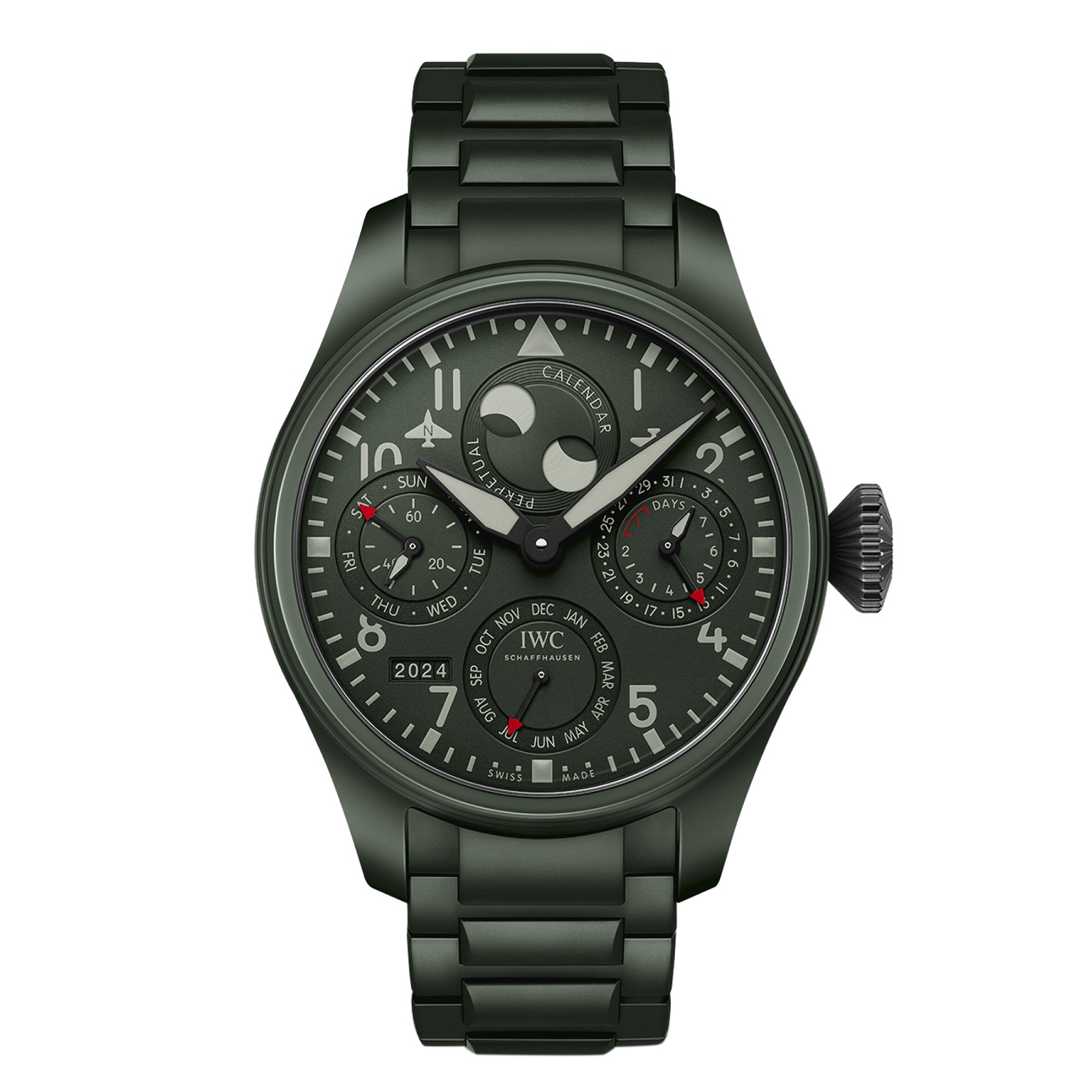 Big Pilot's25 pcs · from 7 181.37 €
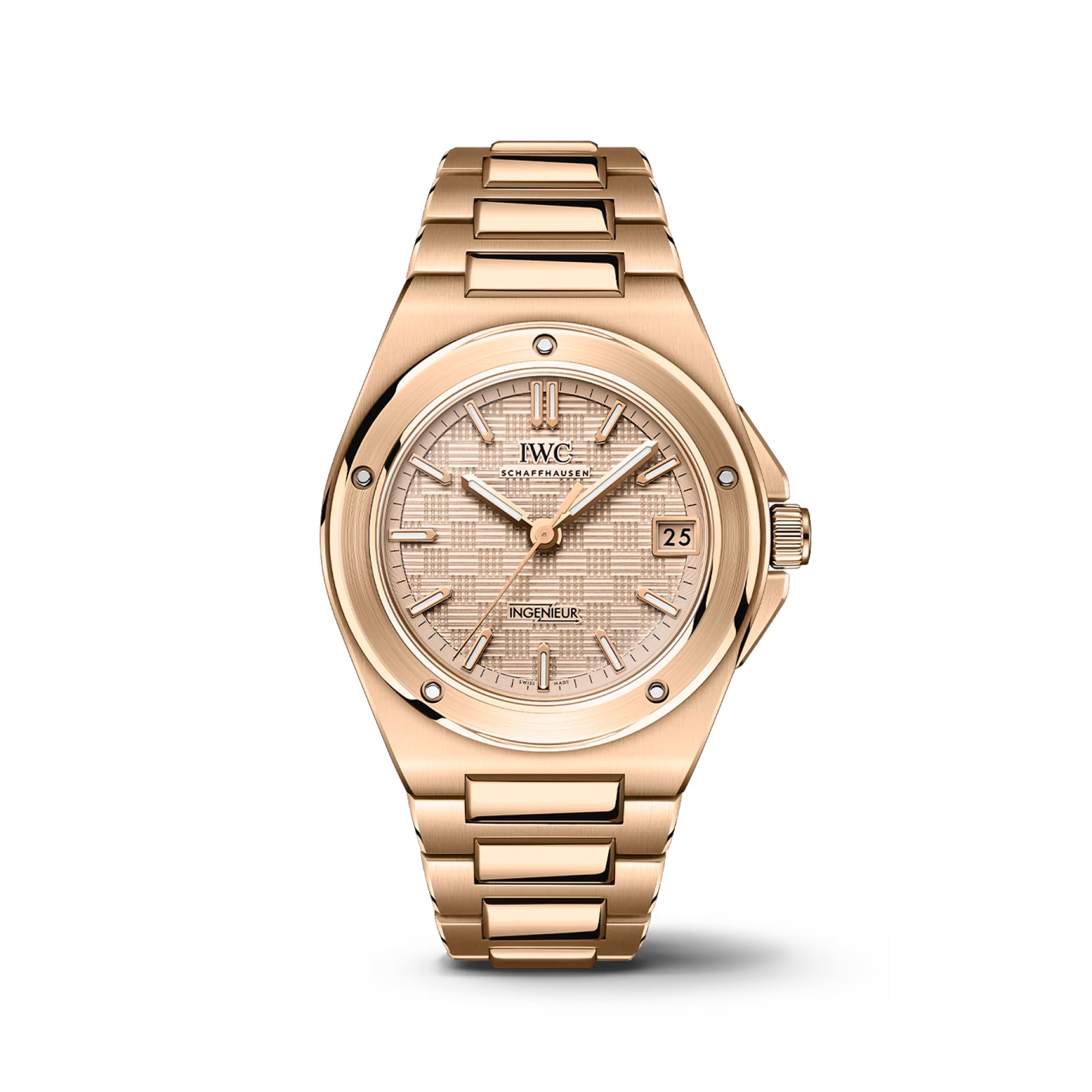 Ingenieur14 pcs · from 6 384.00 €
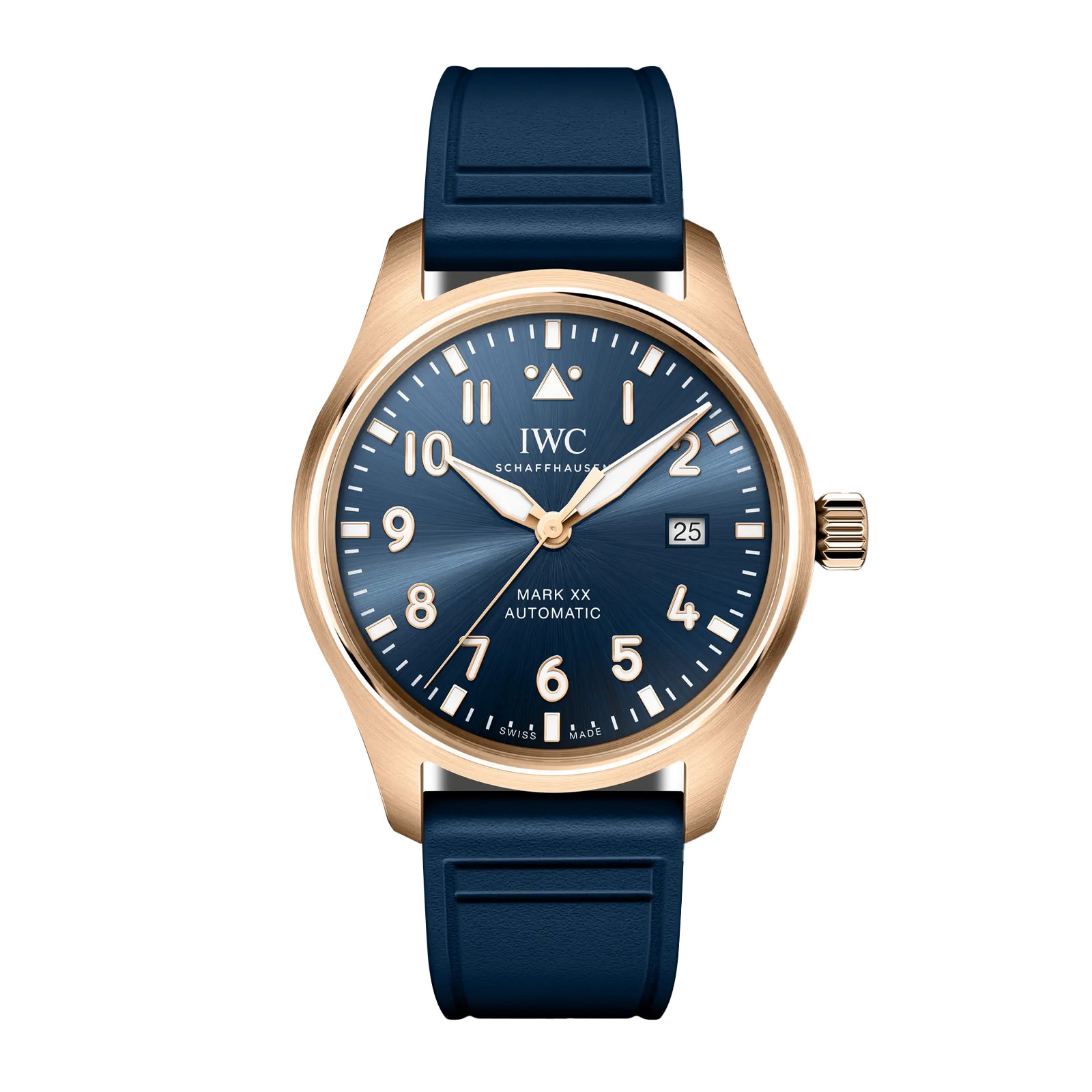 Pilot's Mark13 pcs · from 3 042.00 €
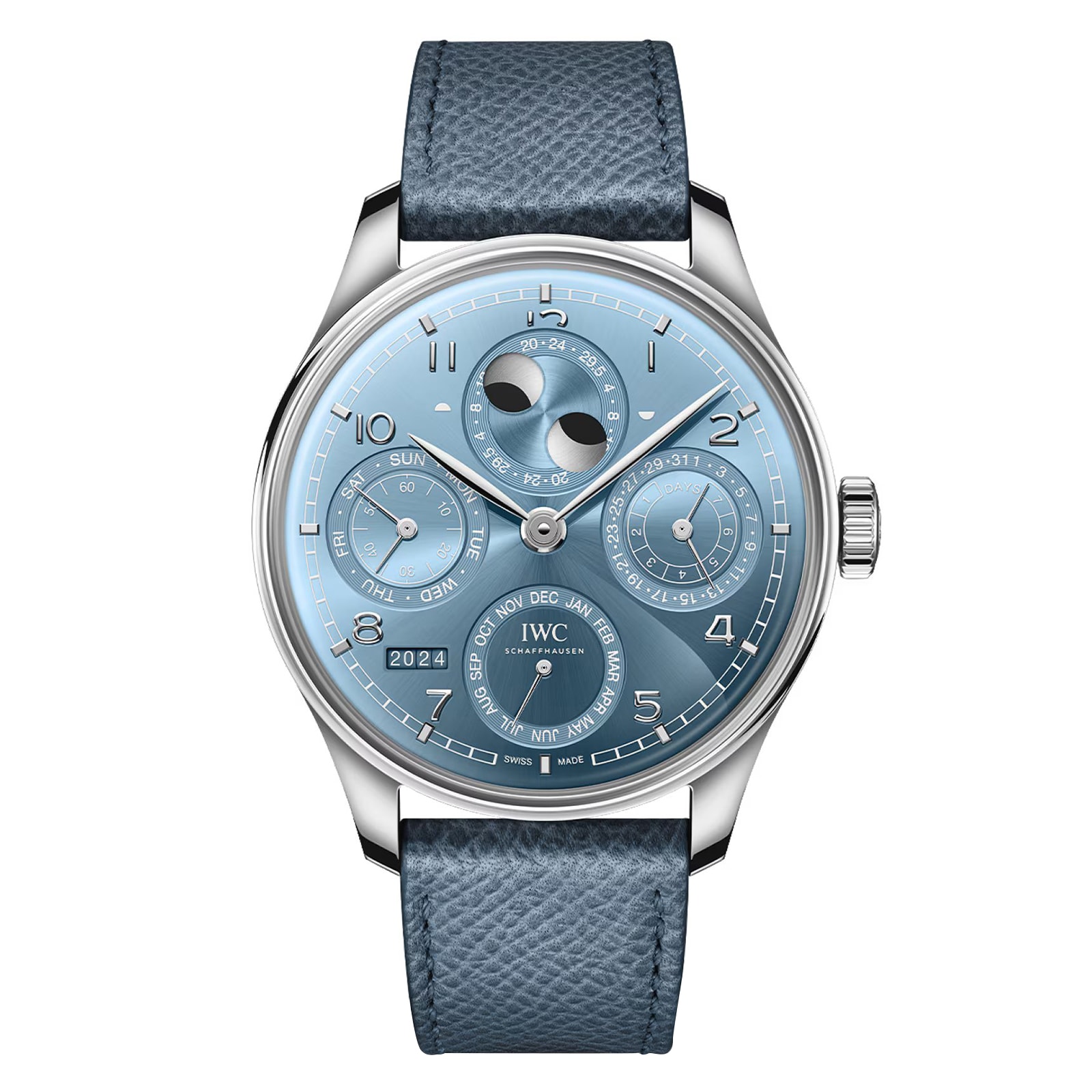 Portugieser Perpetual9 pcs · from 19 362.00 €
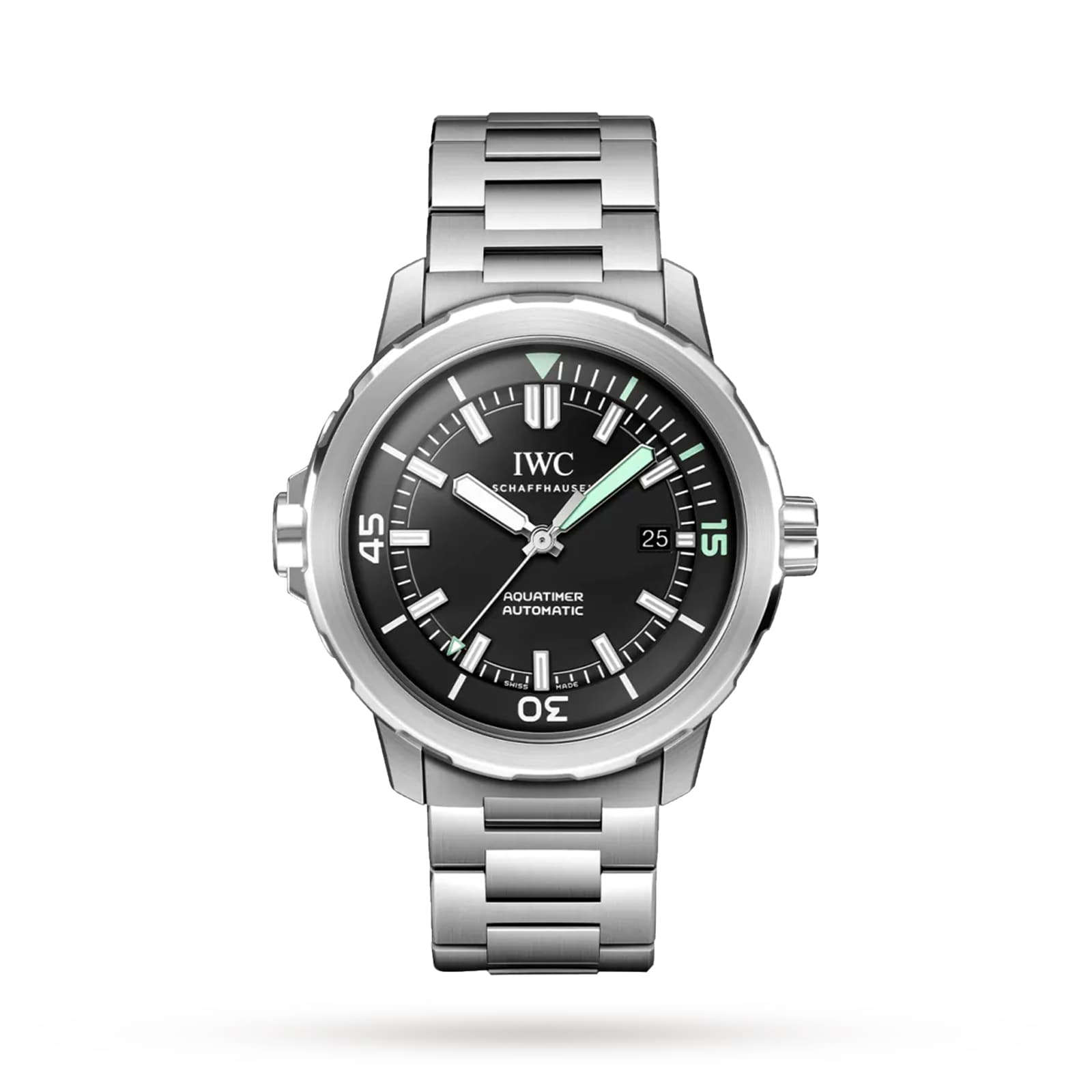 Aquatimer7 pcs · from 3 822.00 €
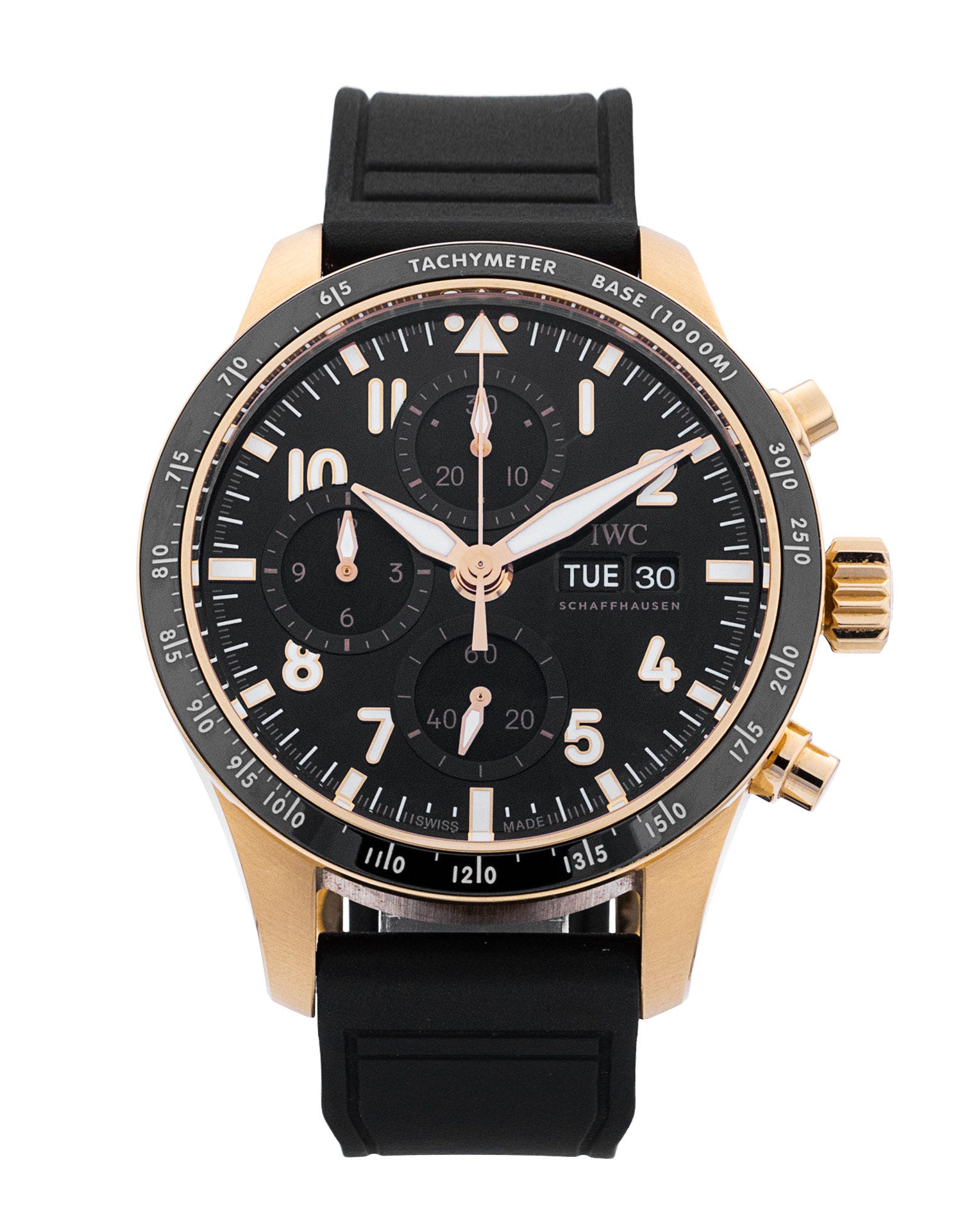 Pilot's Chrono6 pcs · from 4 038.00 €
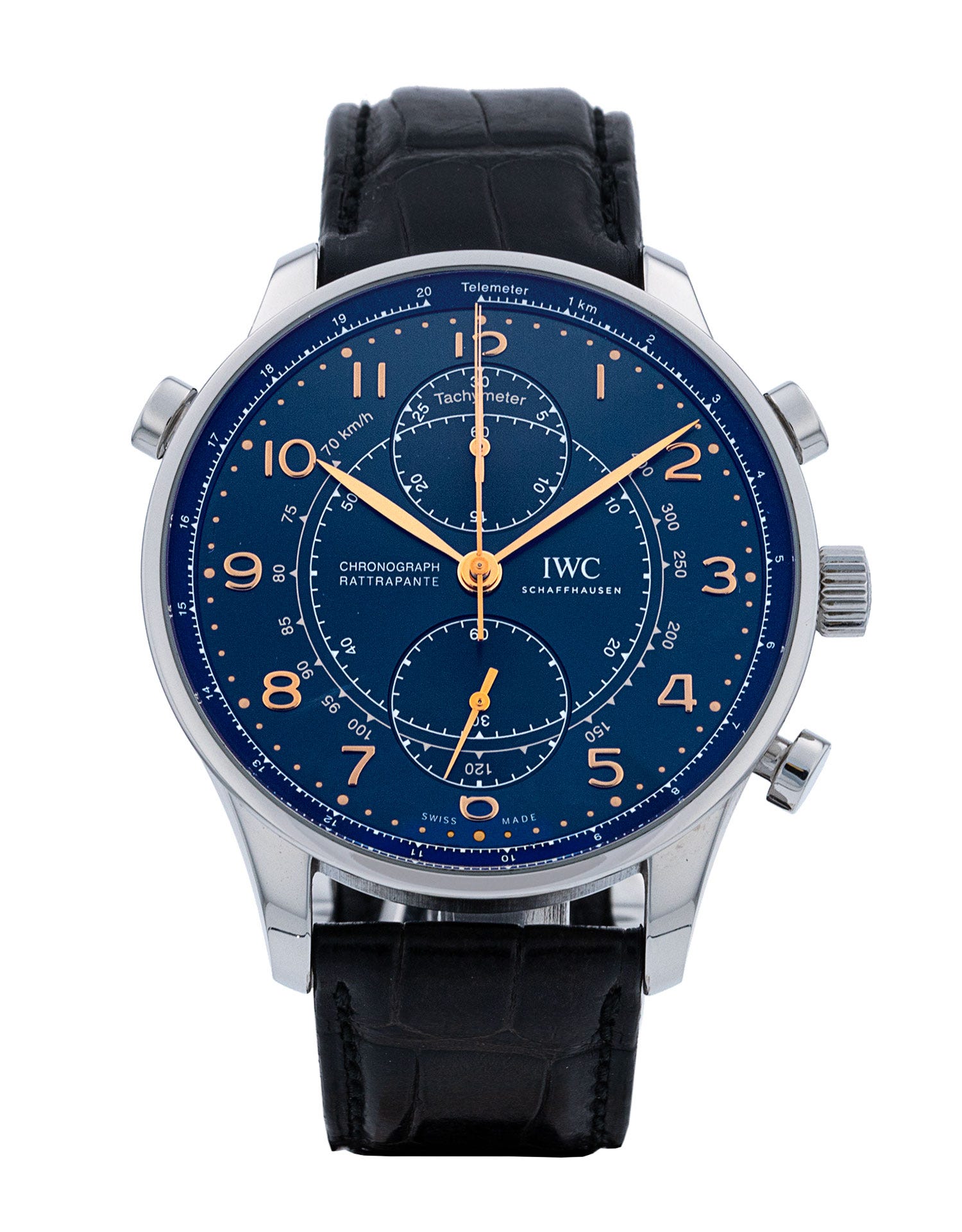 Portugieser Chrono6 pcs · from 5 310.00 €
Models
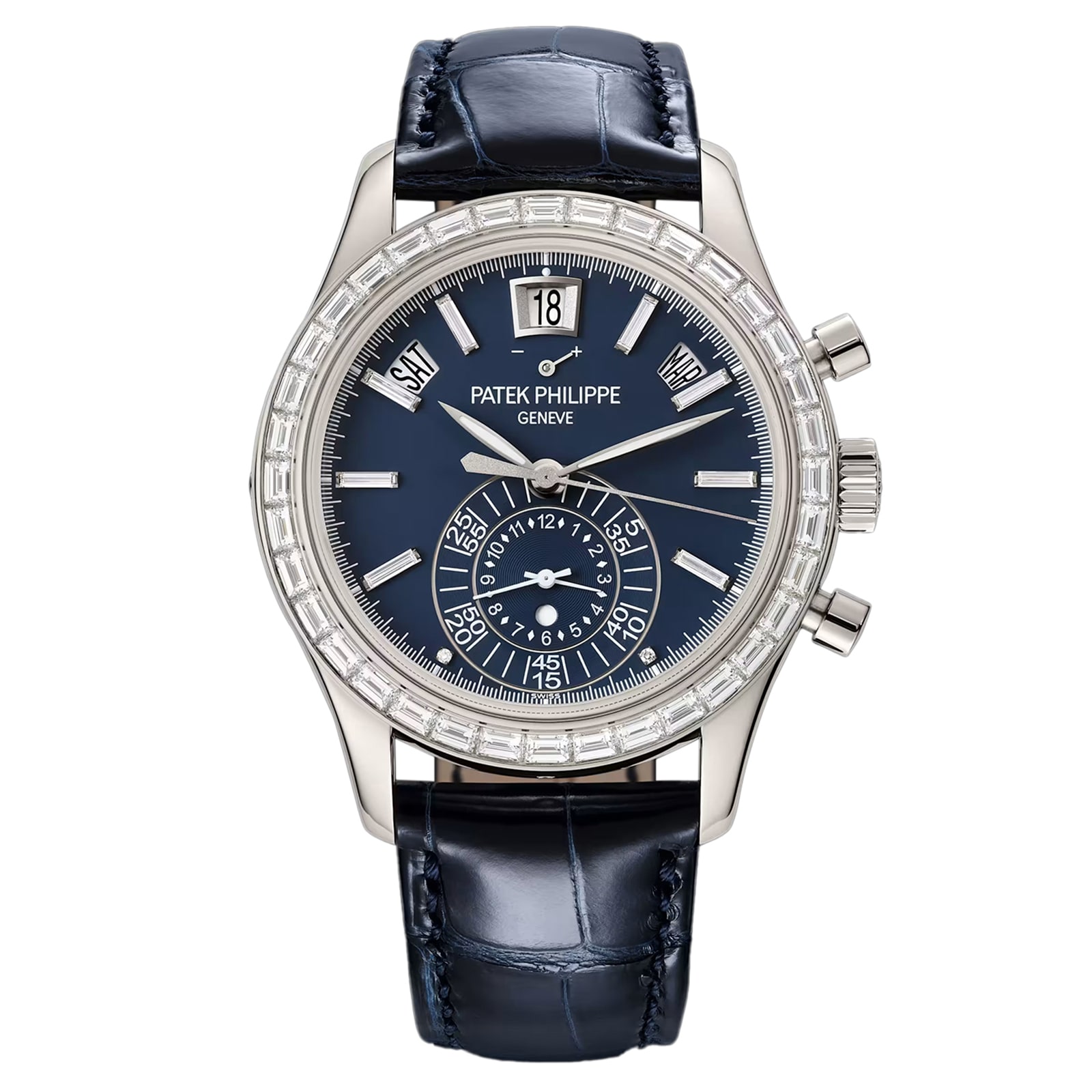 Complication37 pcs · from 42 360.00 €
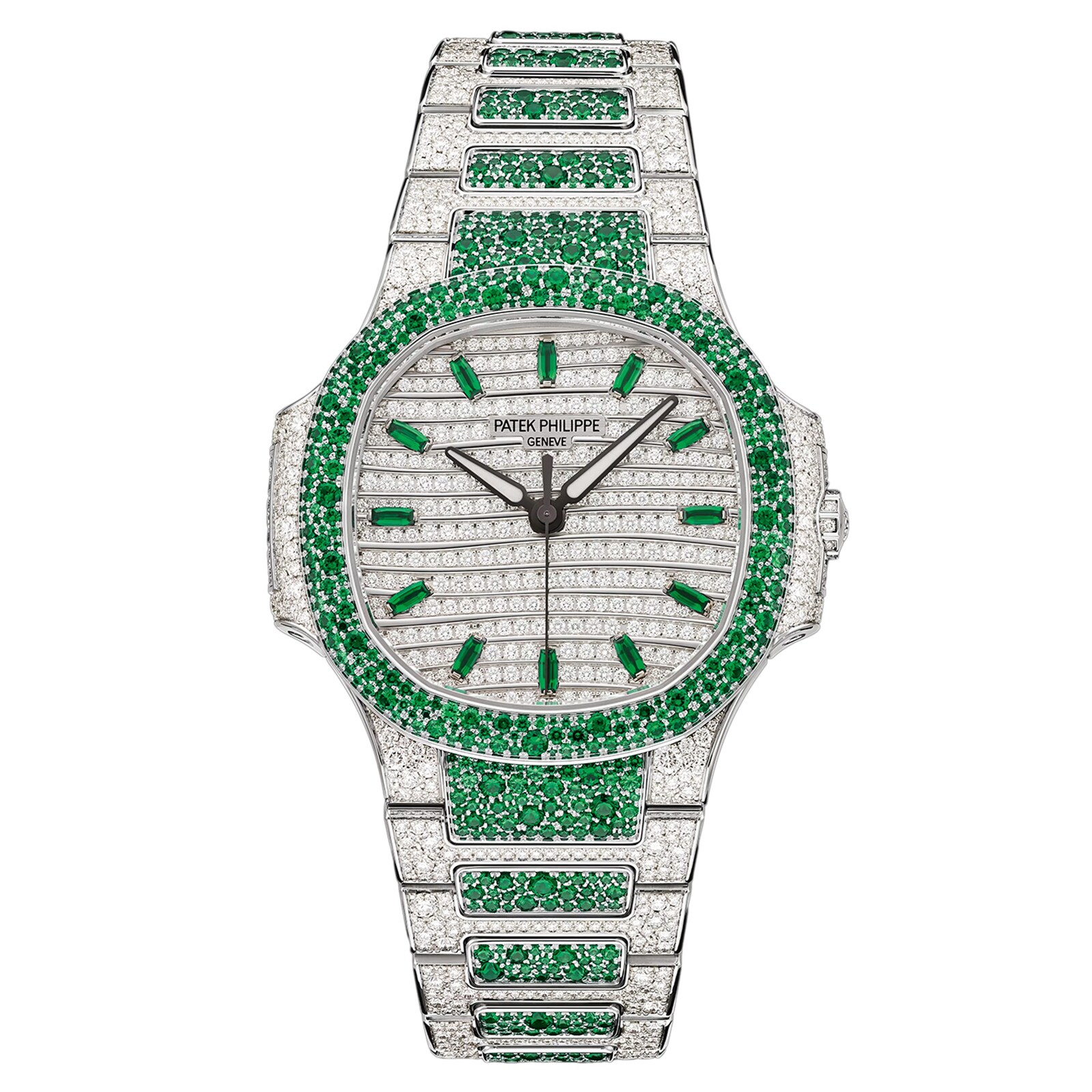 Nautilus30 pcs · from 41 196.90 €
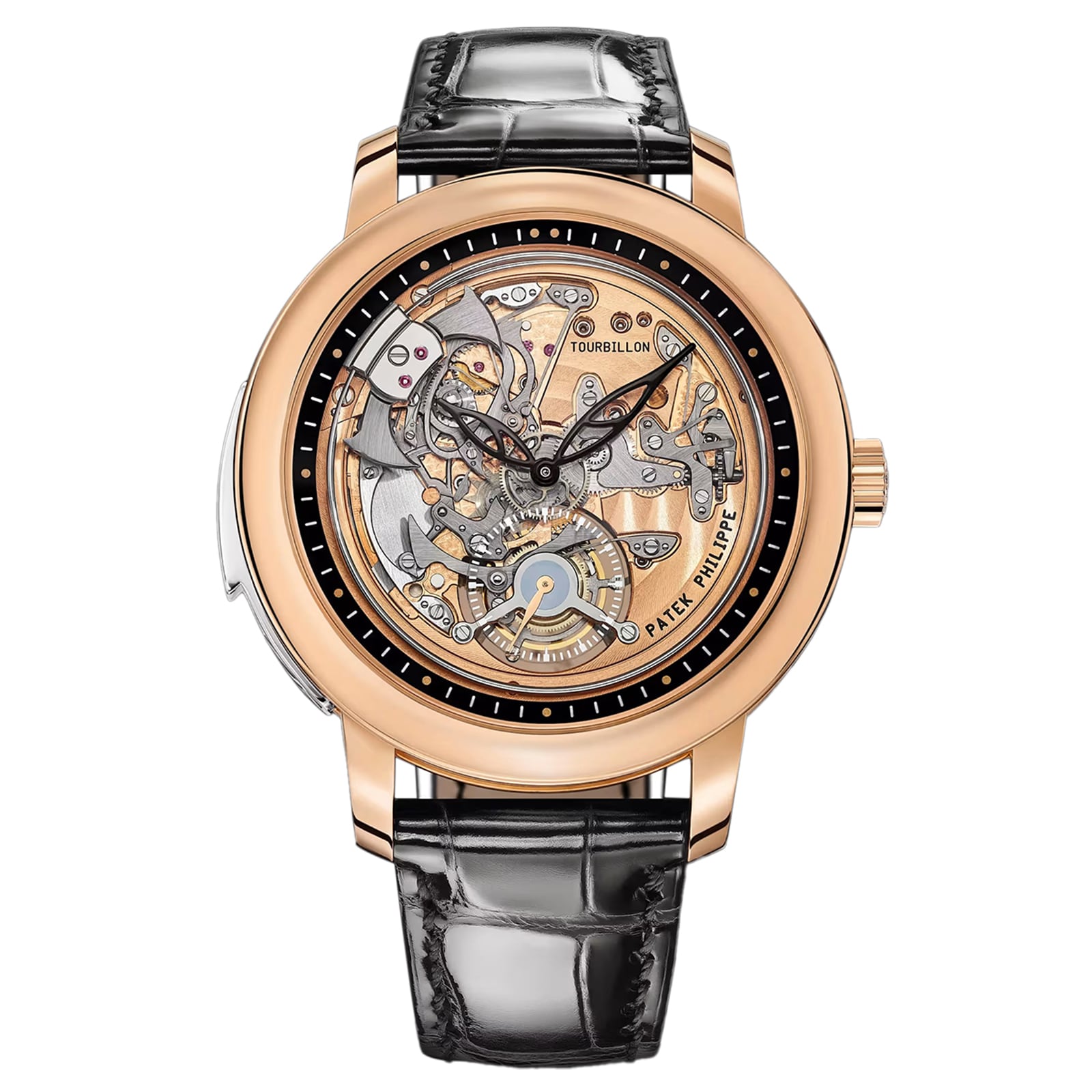 Grand Complications29 pcs · from 81 839.21 €
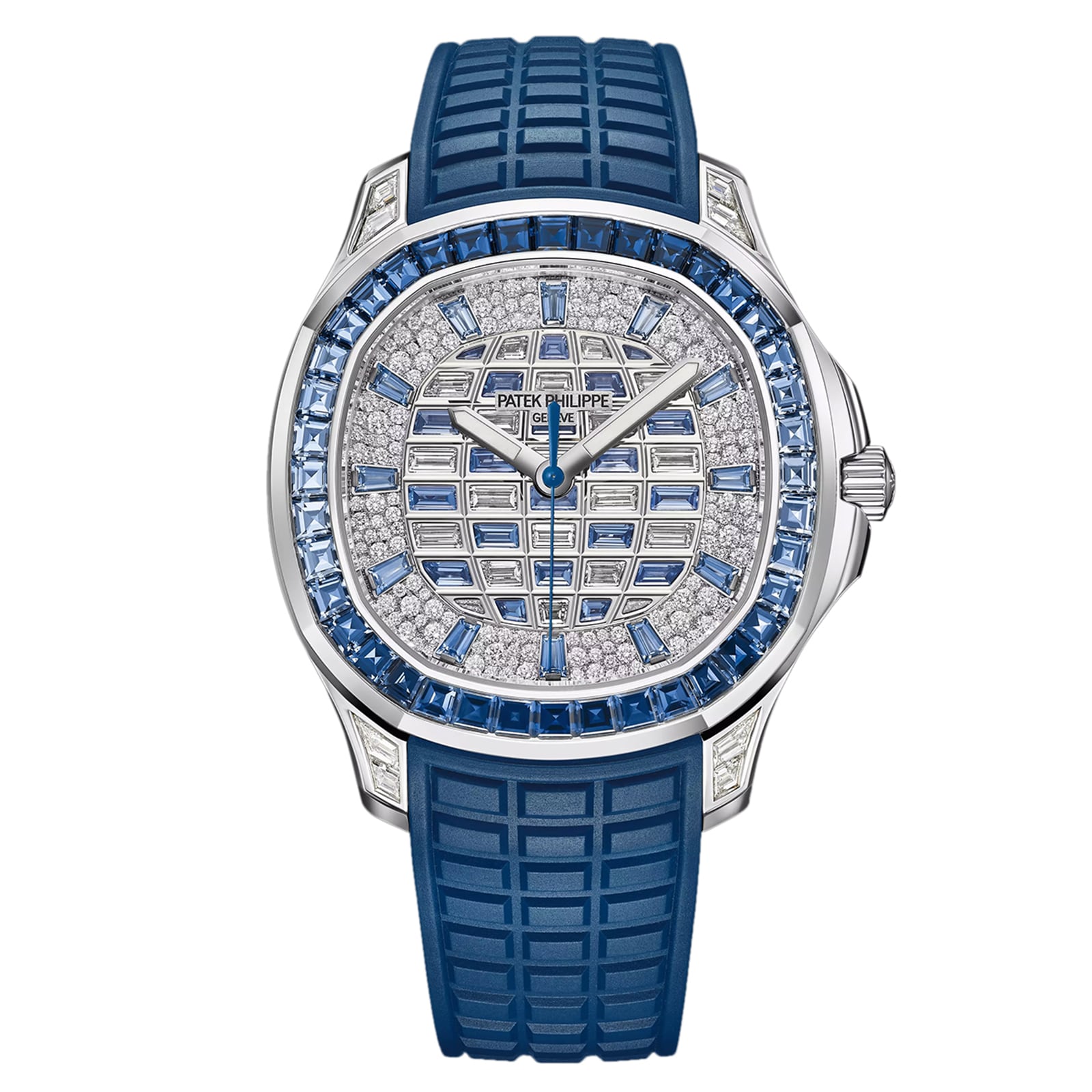 Aquanaut22 pcs · from 28 284.65 €
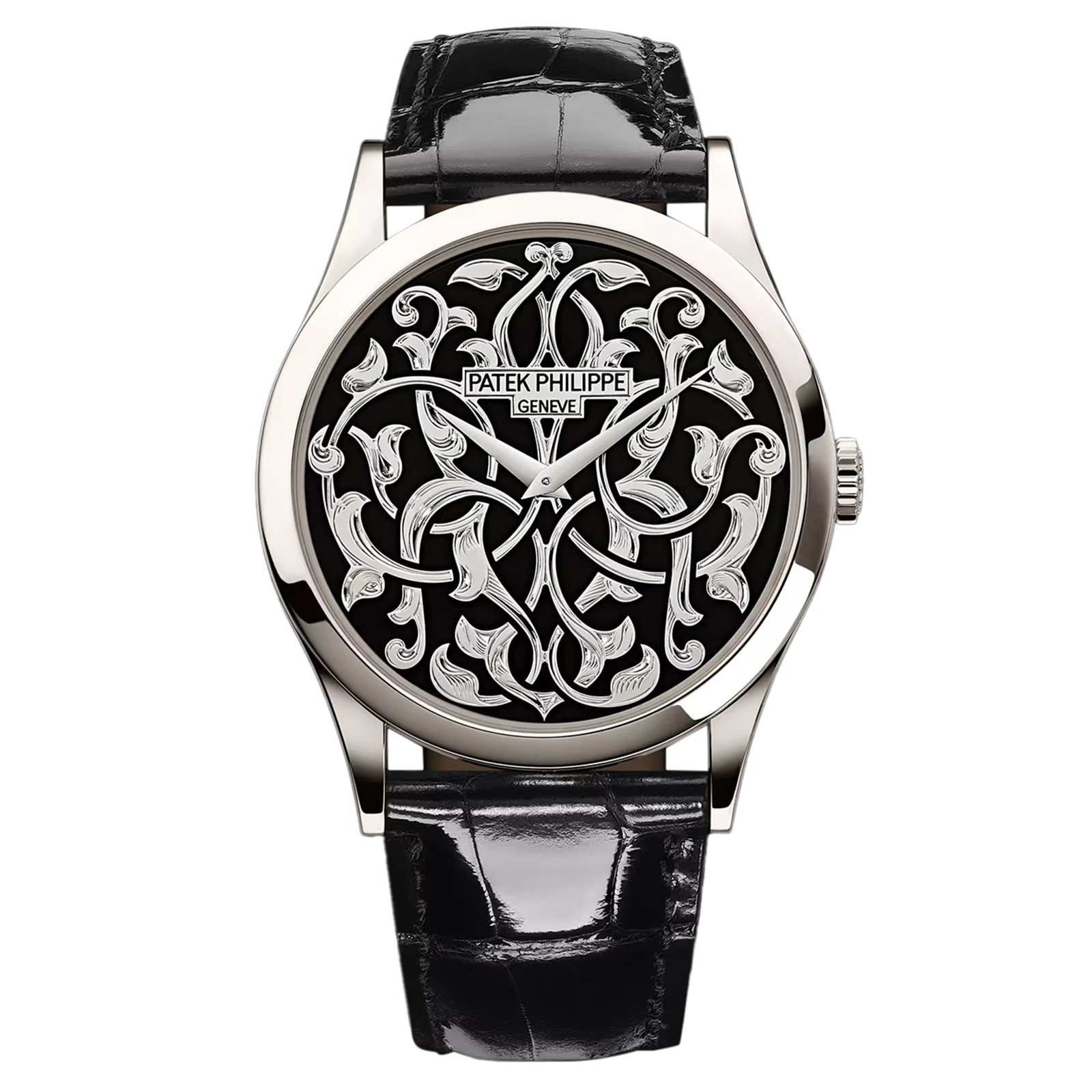 Calatrava20 pcs · from 32 496.00 €
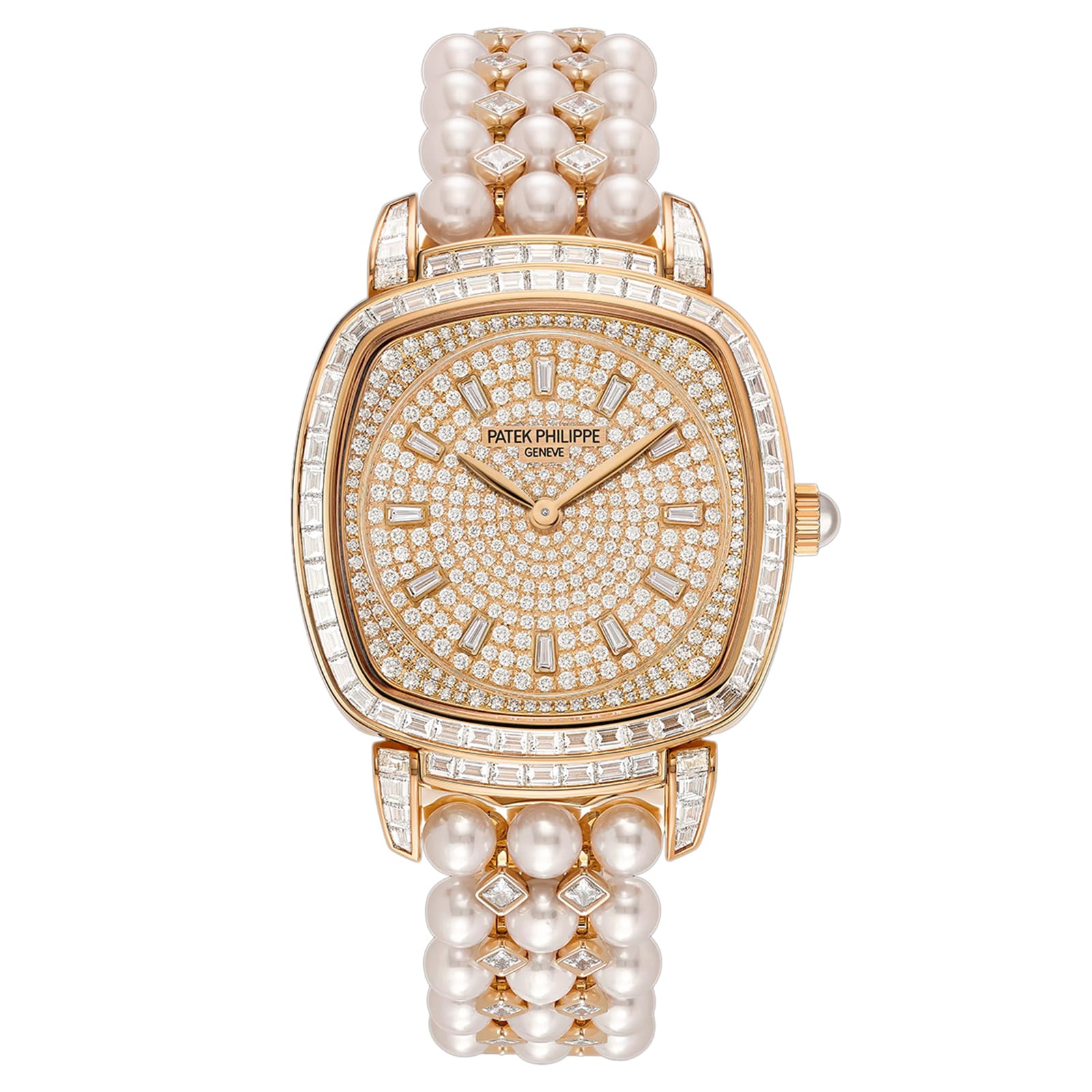 Gondolo11 pcs · from 43 059.80 €
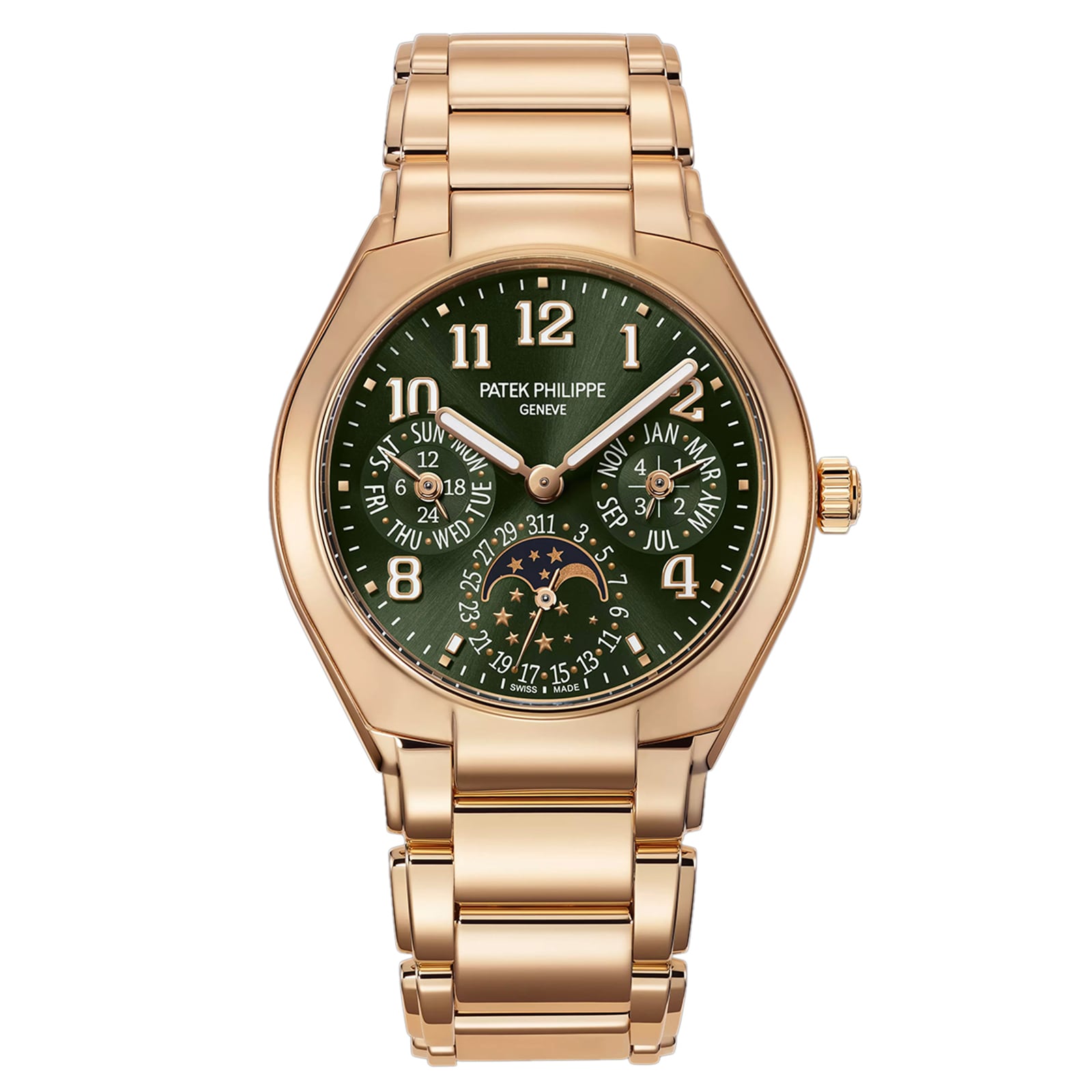 Twenty-411 pcs · from 14 576.05 €
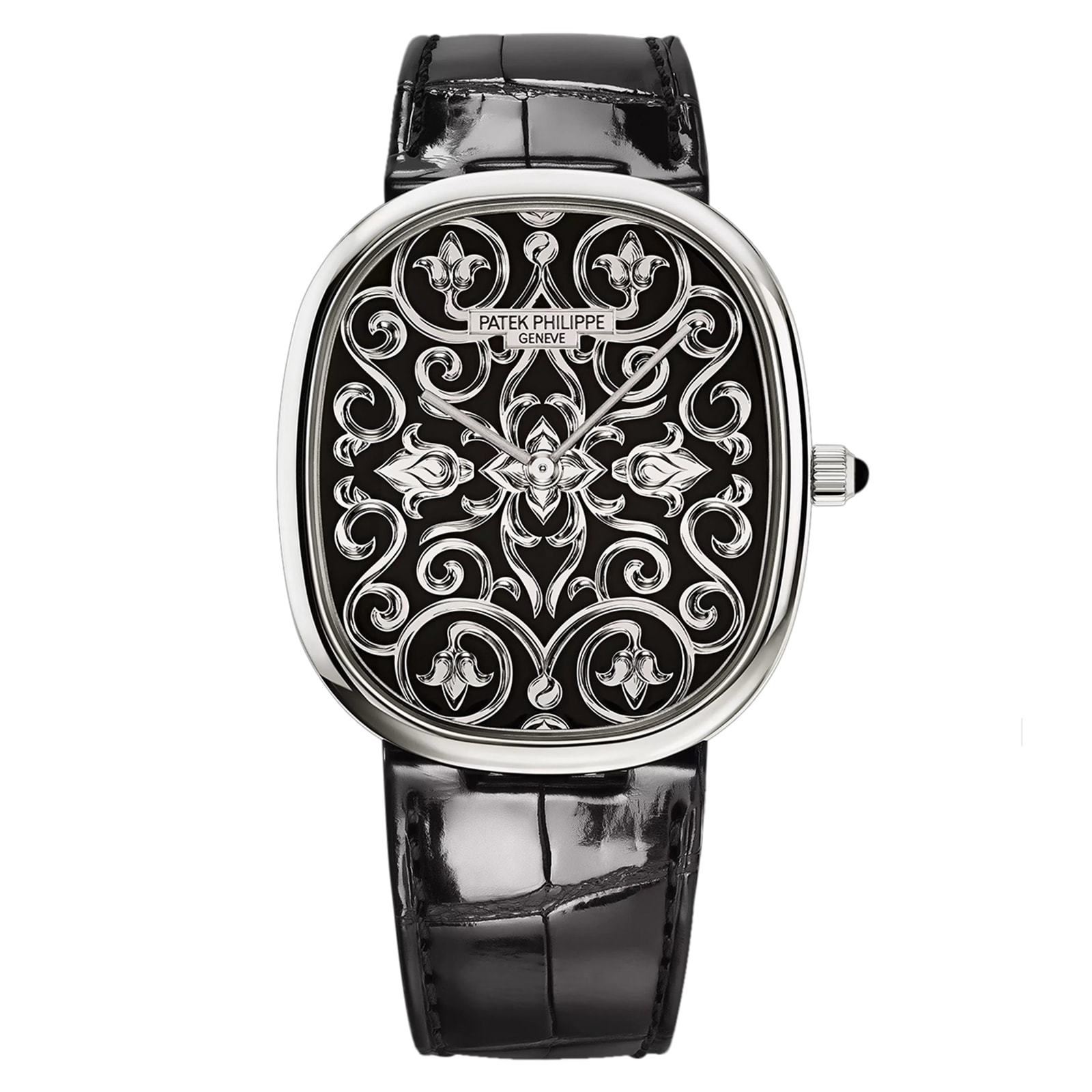 Golden Ellipse9 pcs · from 6 470.35 €
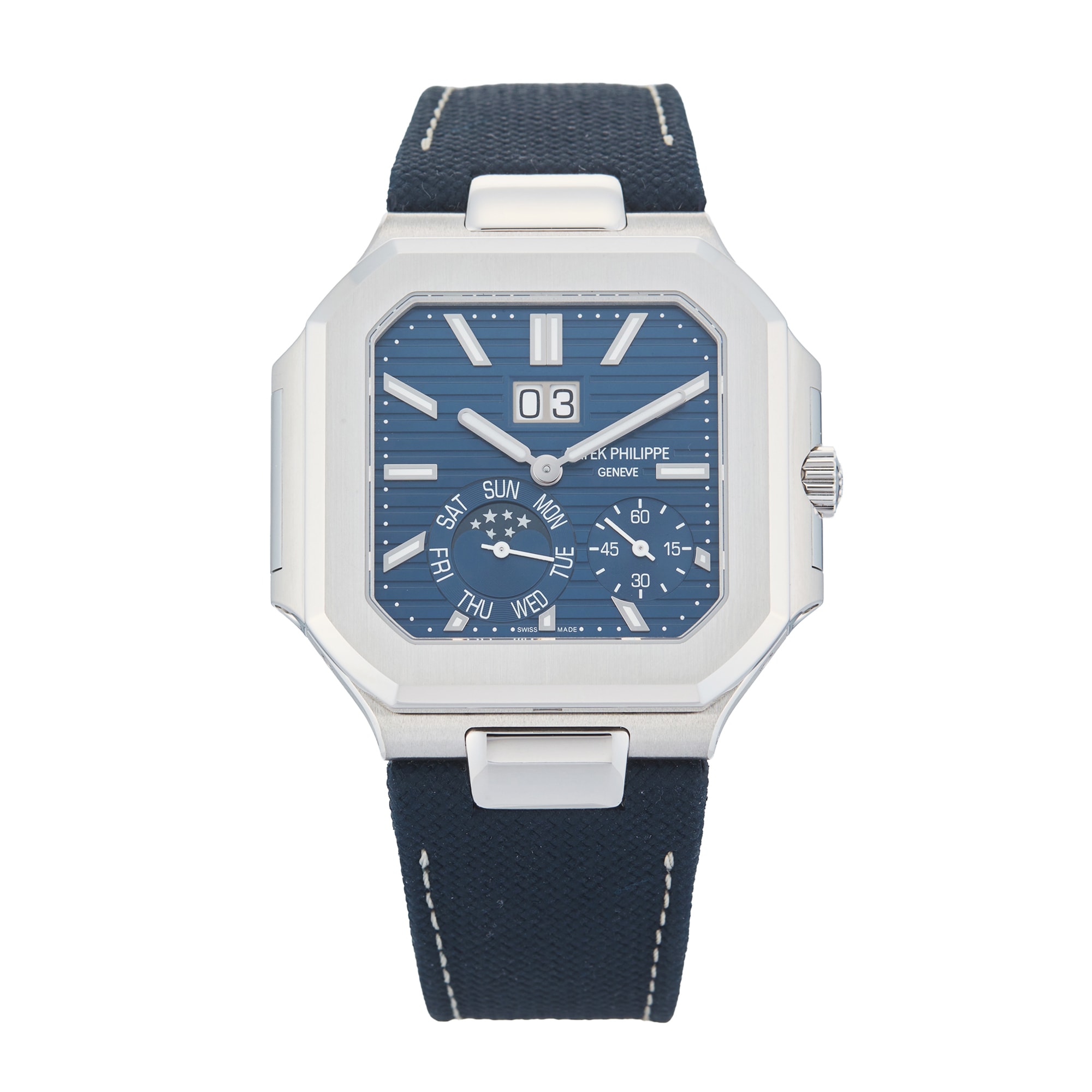 Cubitus6 pcs · from 52 246.26 €
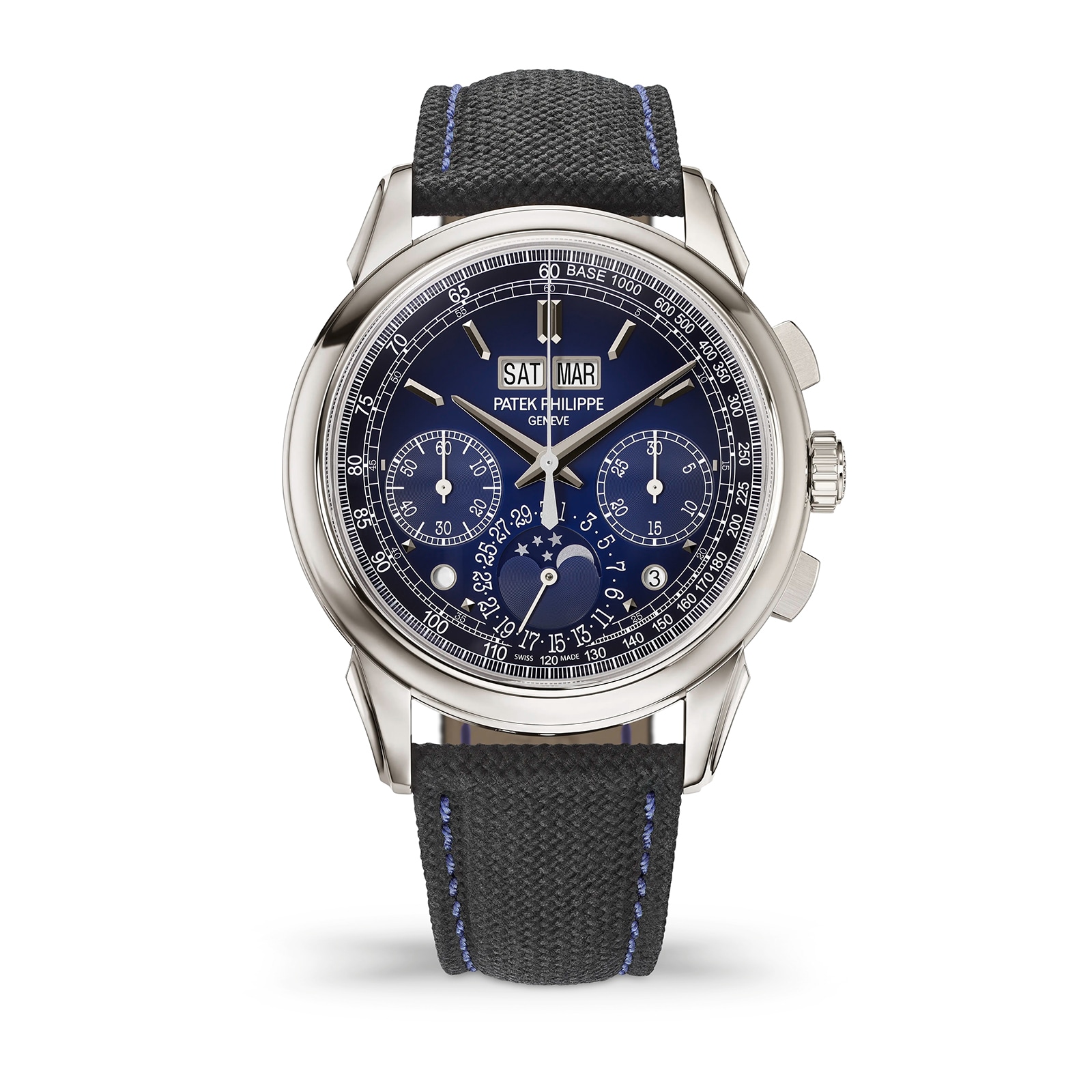 Perpetual Calendar4 pcs · from 71 031.60 €
Models
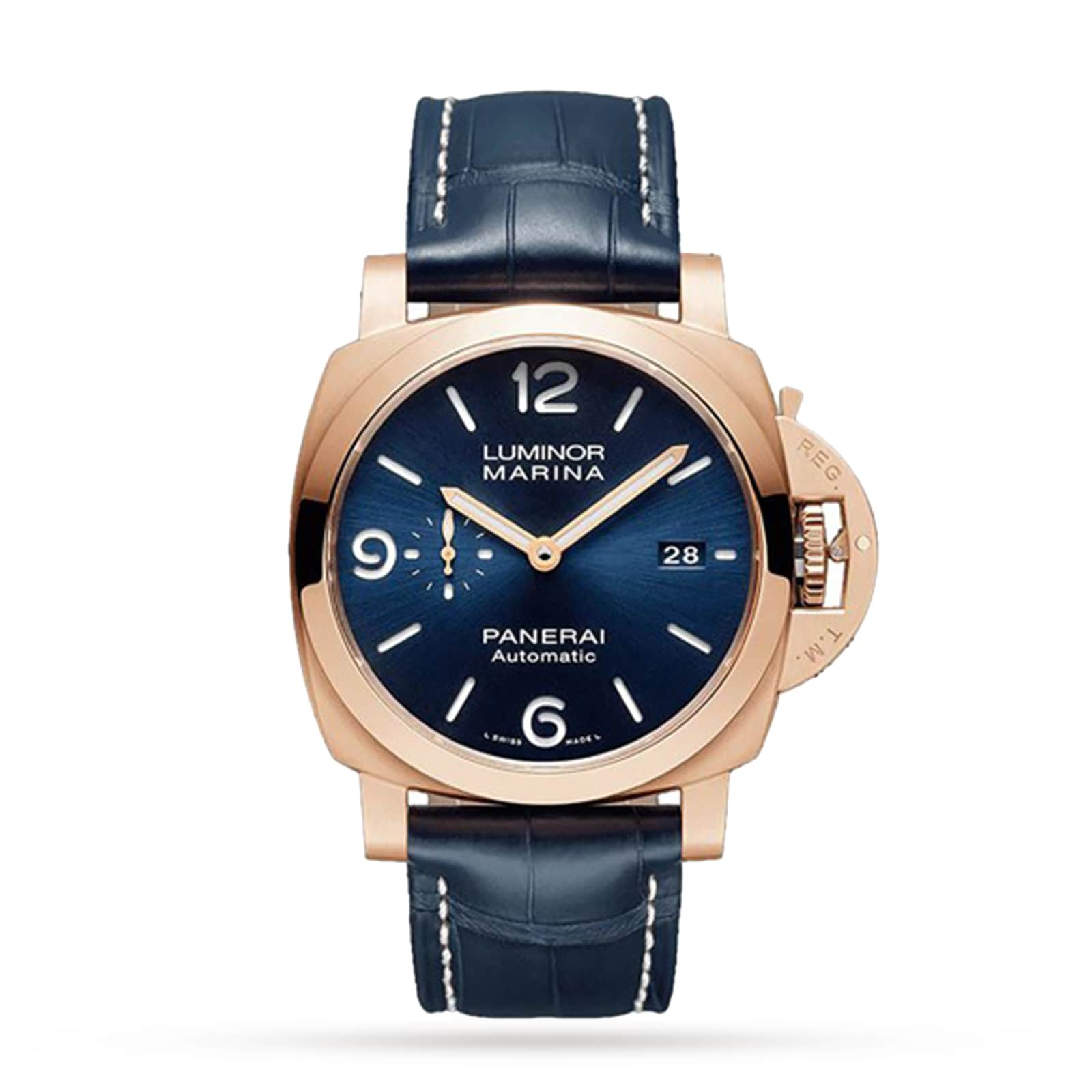 Luminor Marina28 pcs · from 4 800.00 €
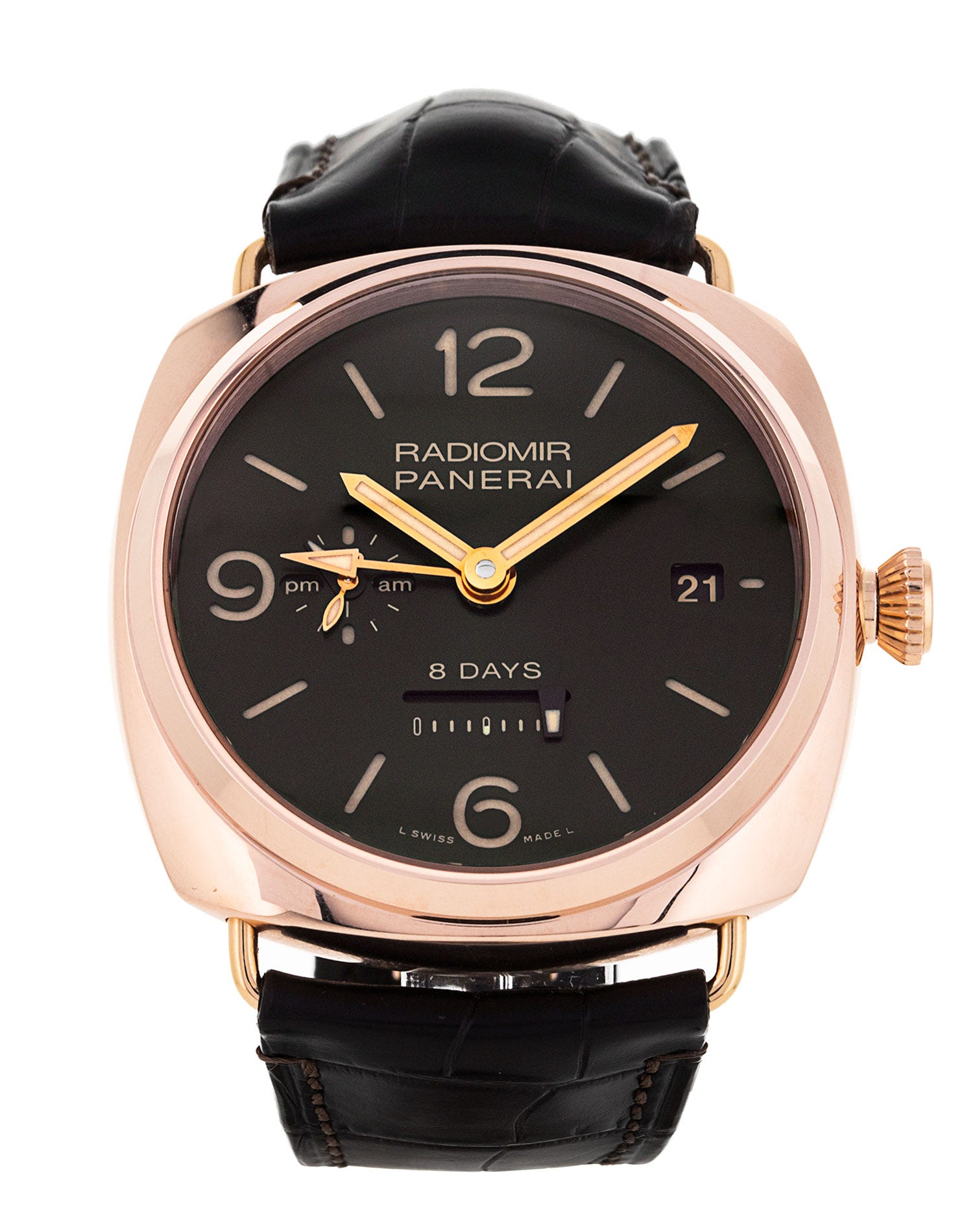 Radiomir19 pcs · from 4 602.00 €
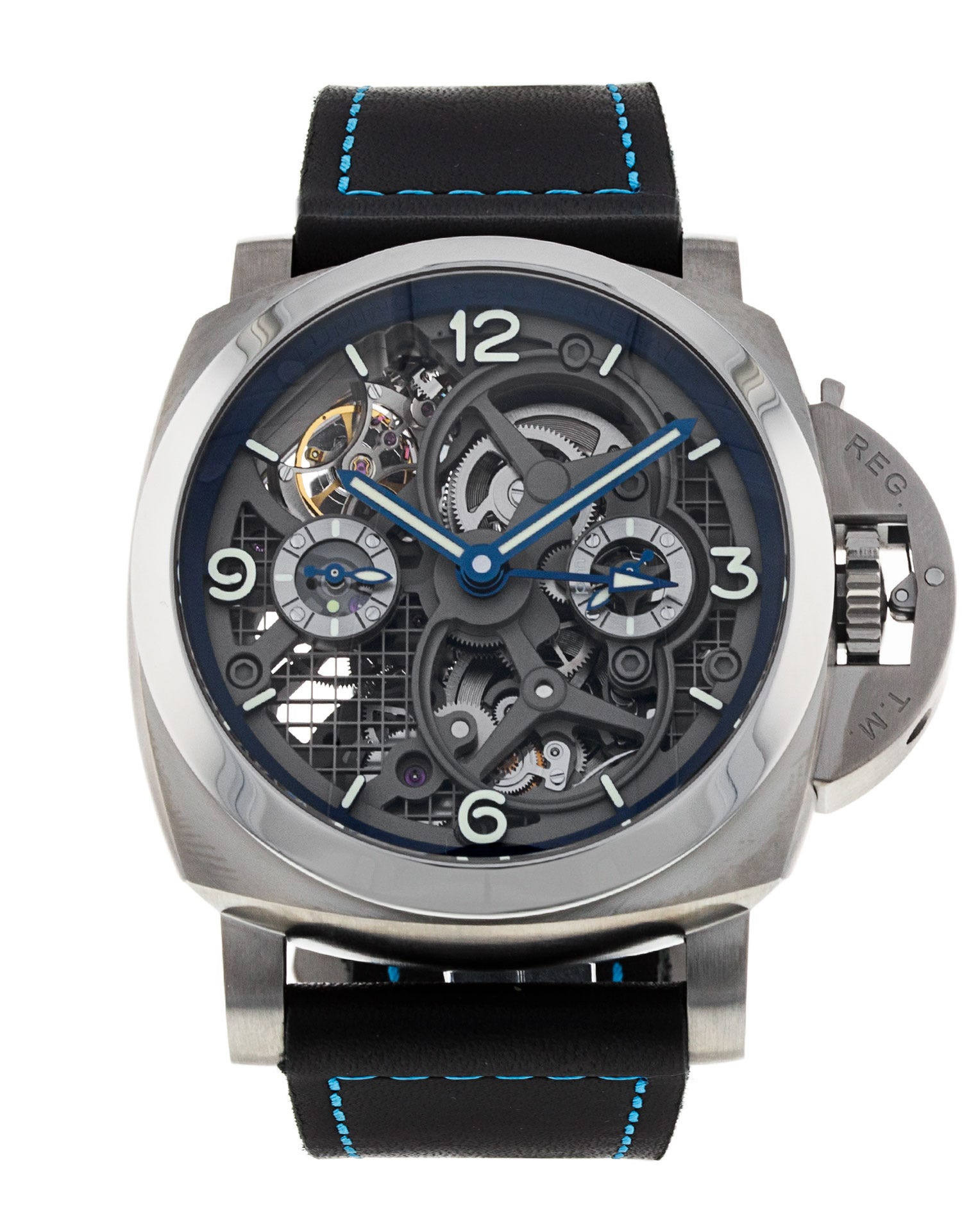 Luminor14 pcs · from 6 690.00 €
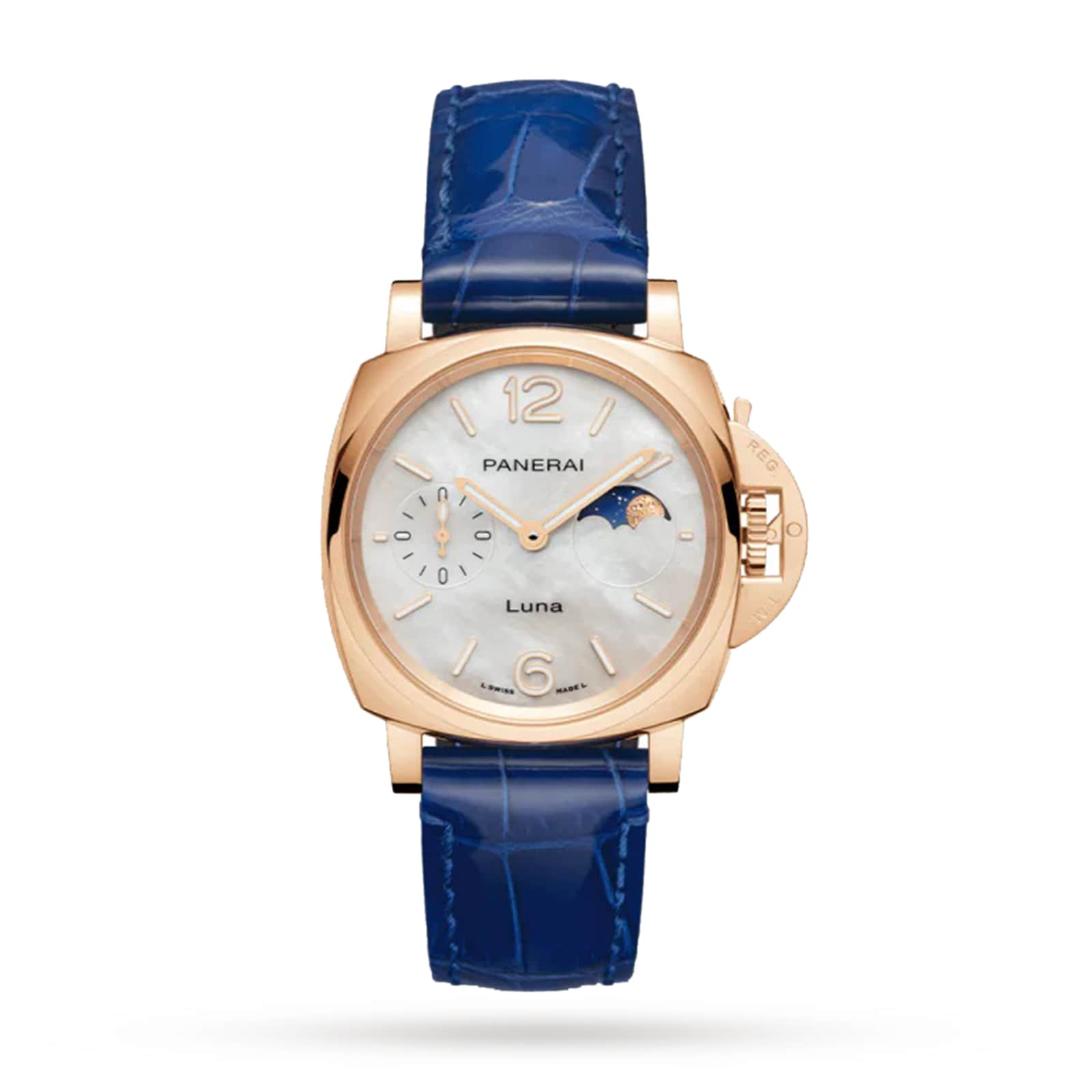 Luminor Due14 pcs · from 6 328.14 €
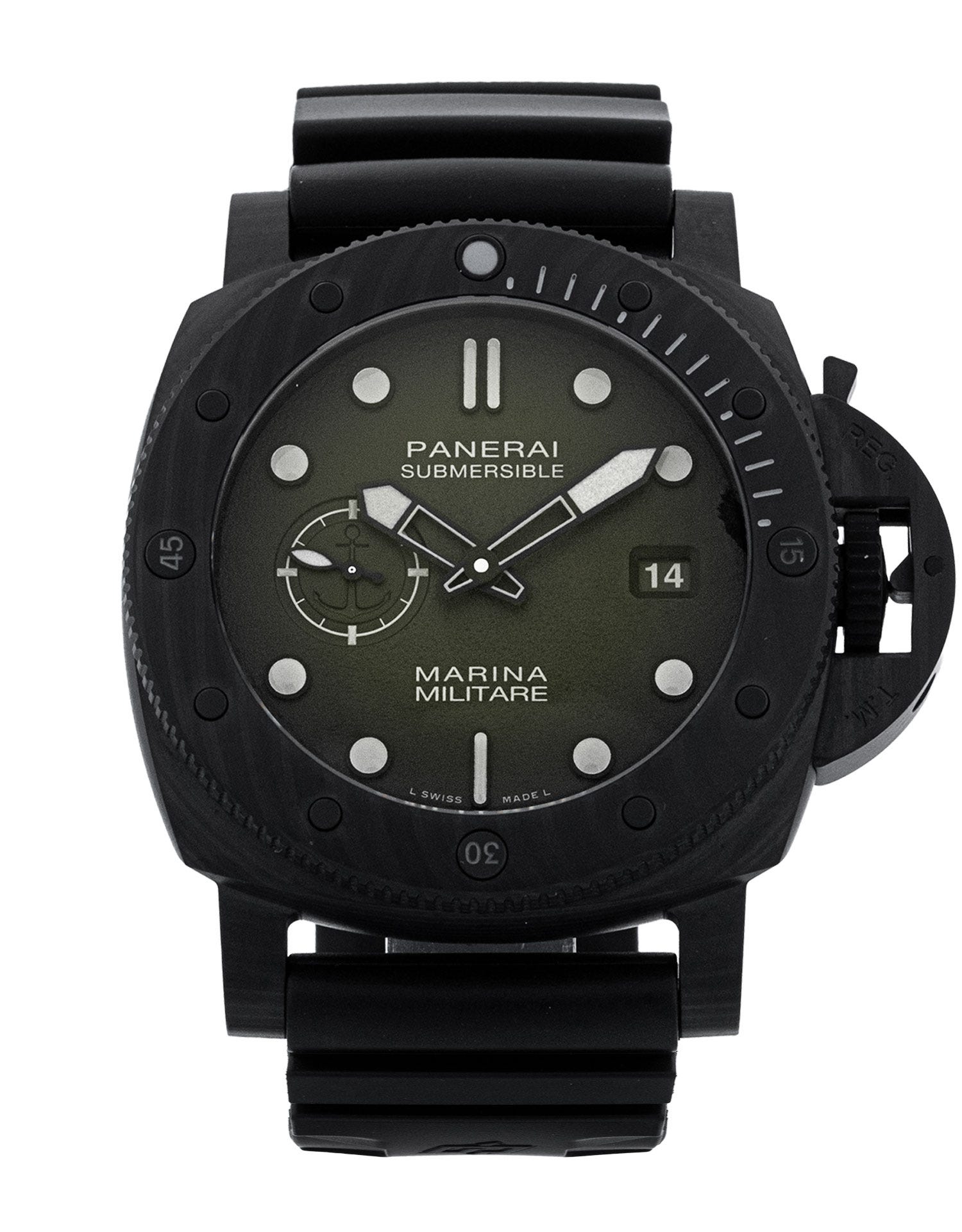 Submersible14 pcs · from 9 030.04 €
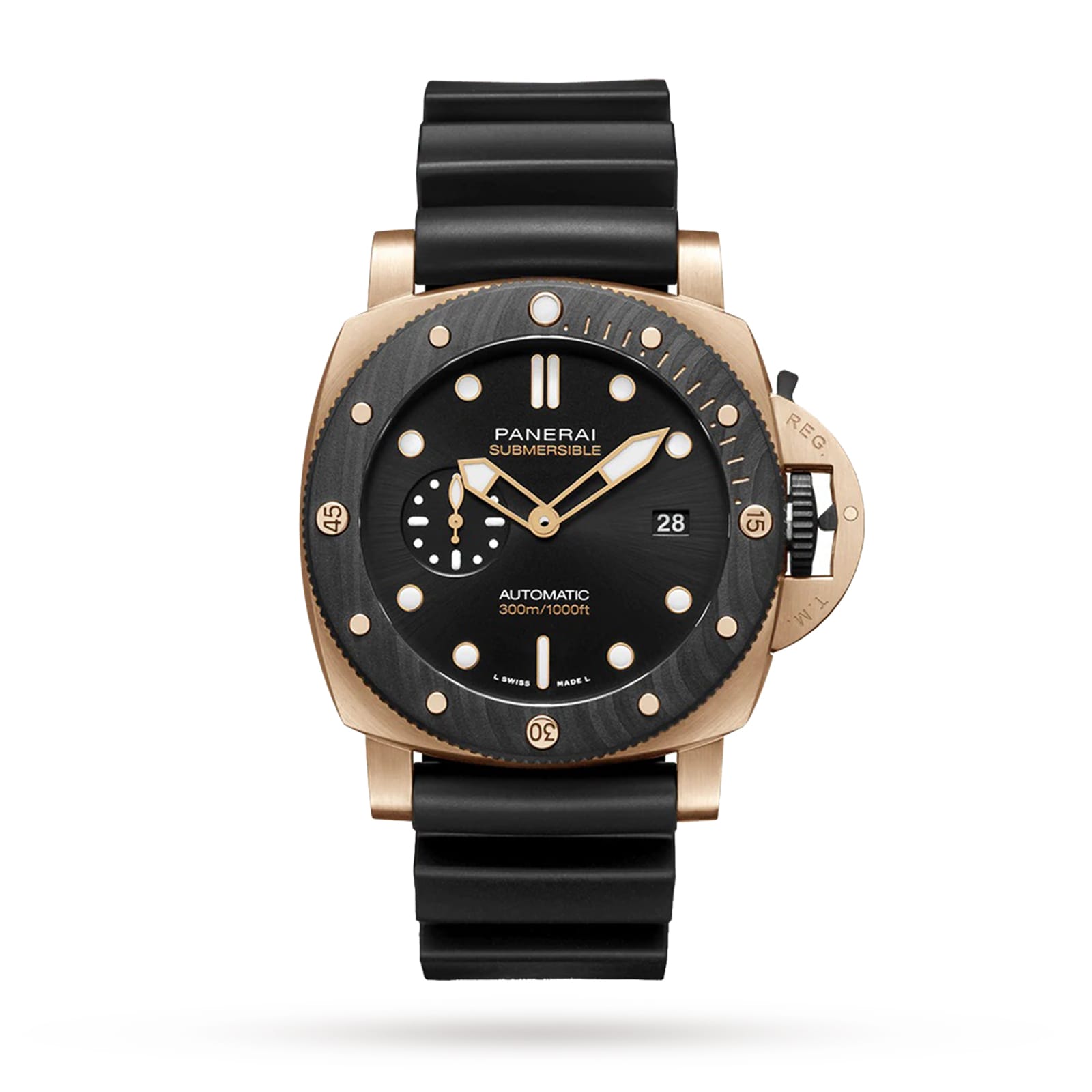 Submersible QuarantaQuattro11 pcs · from 8 461.22 €
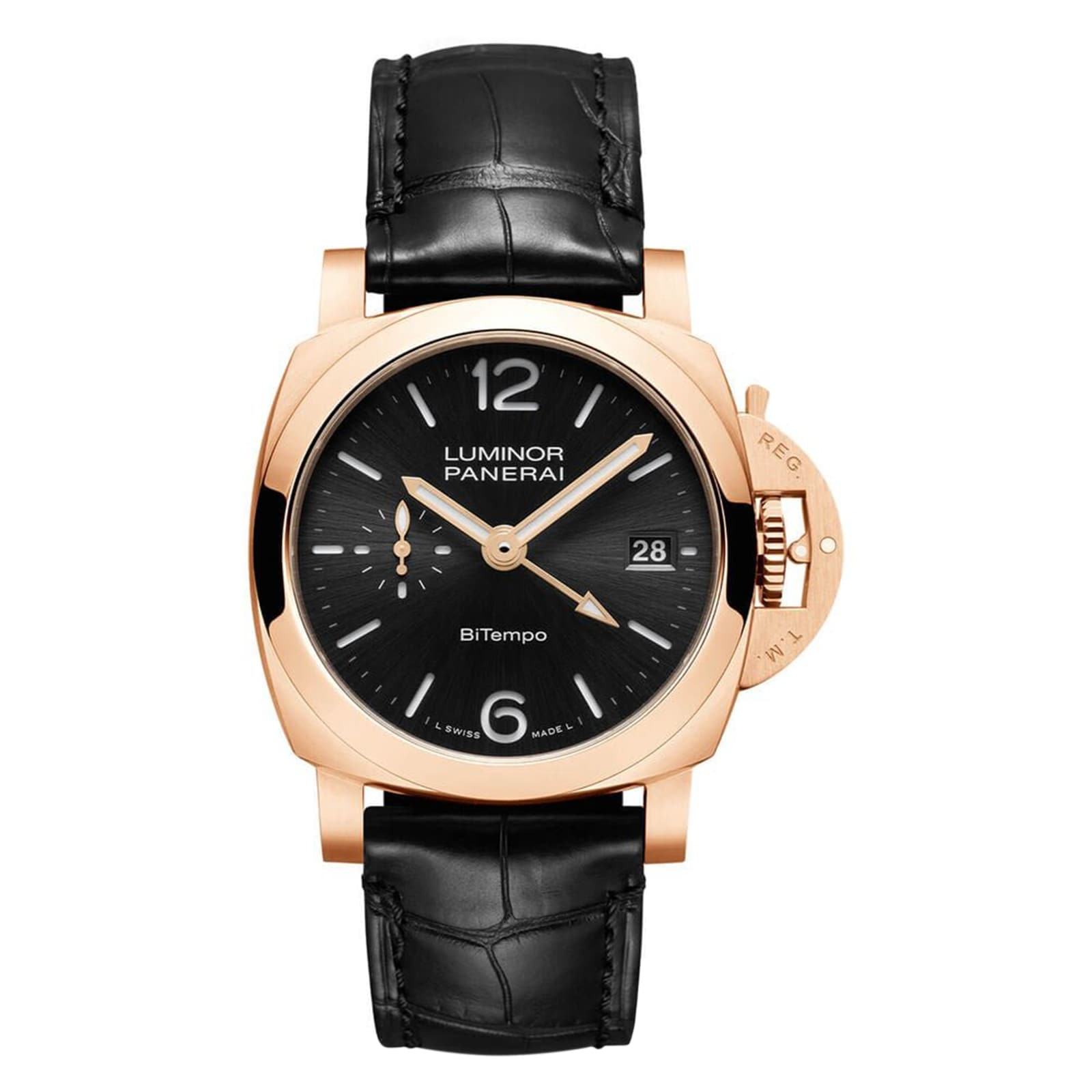 Luminor Quaranta9 pcs · from 10 380.99 €
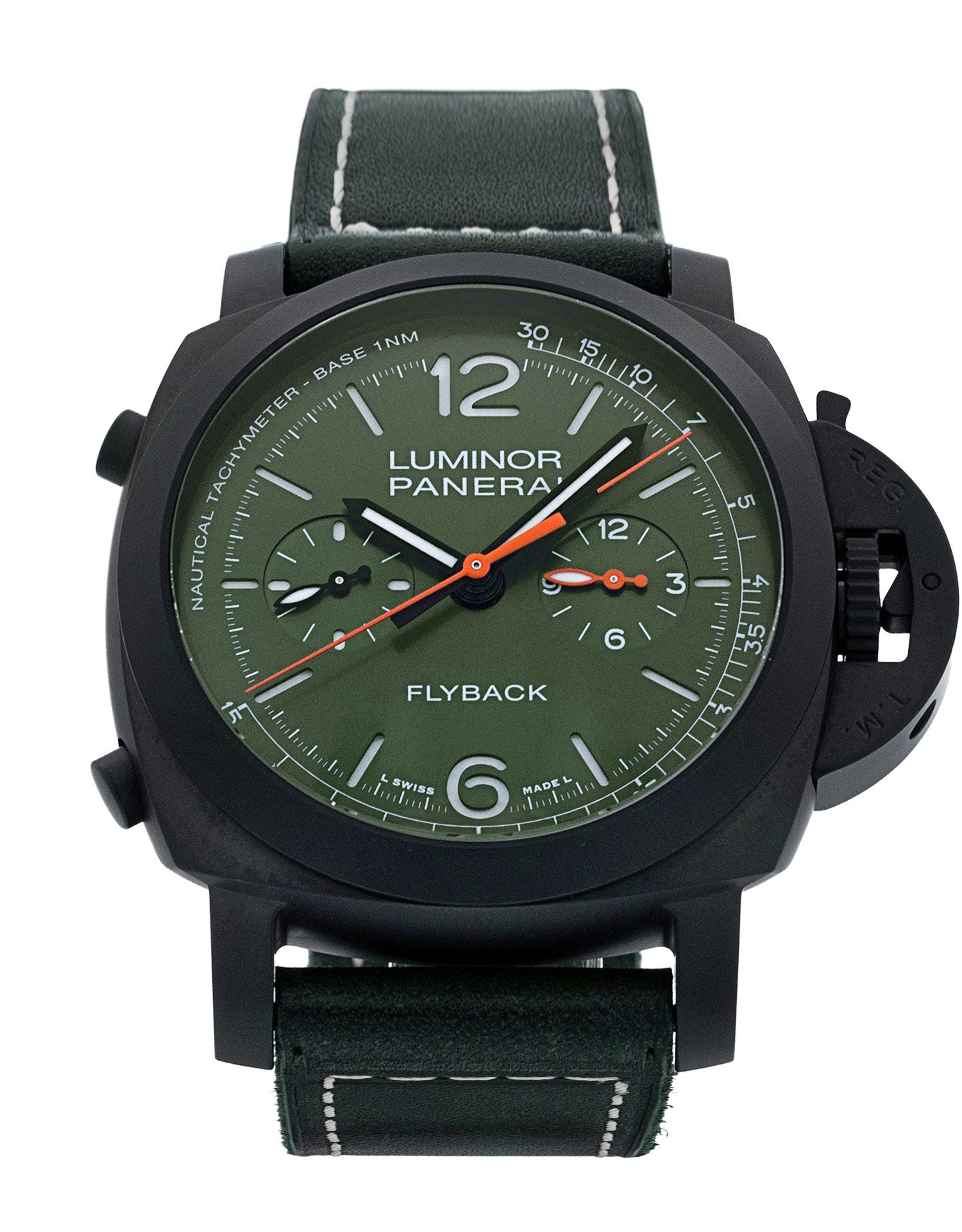 Luminor Chrono8 pcs · from 7 644.00 €
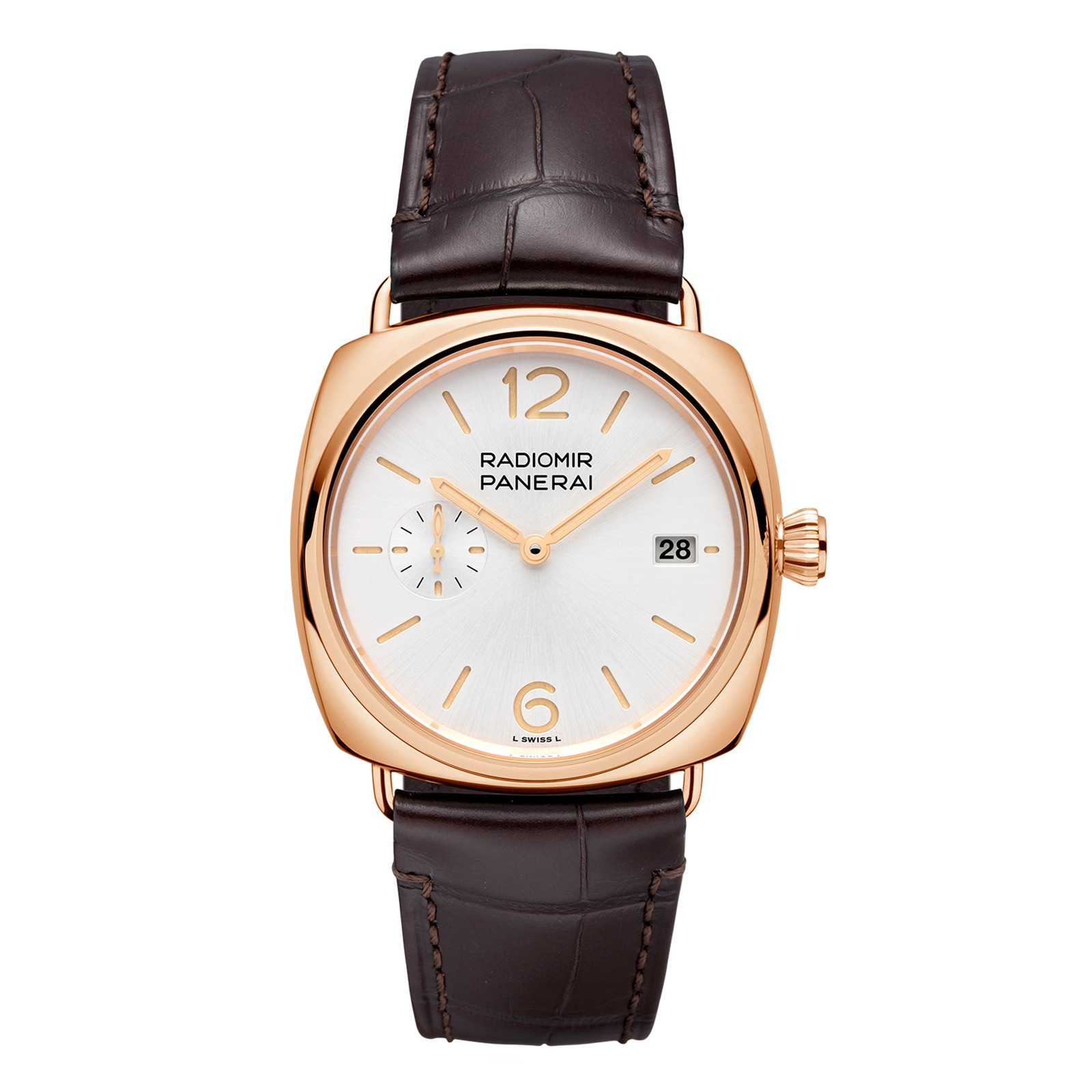 Radiomir Quaranta6 pcs · from 7 821.30 €
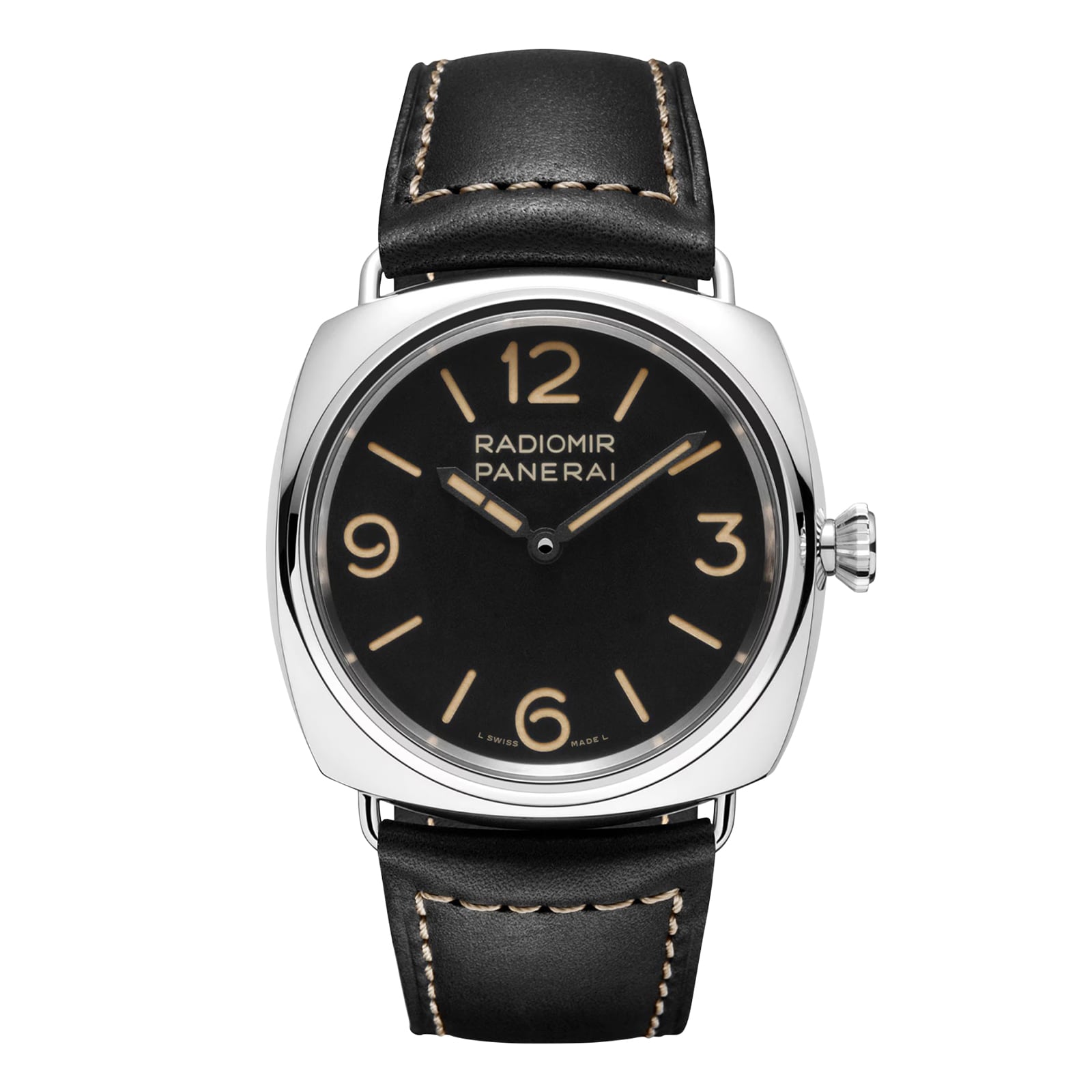 Radiomir Officine6 pcs · from 5 332.70 €
Models
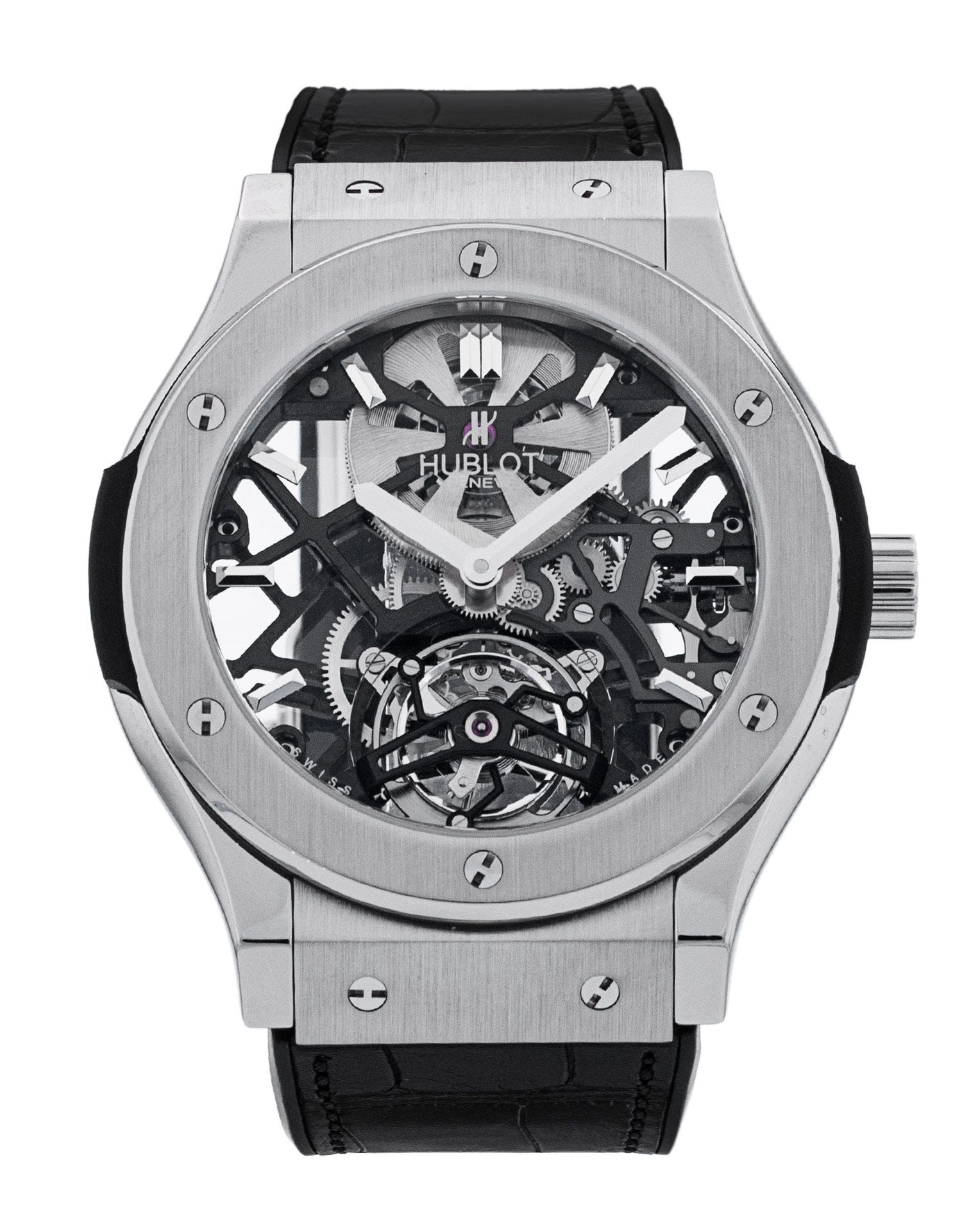 Classic Fusion66 pcs · from 5 190.50 €
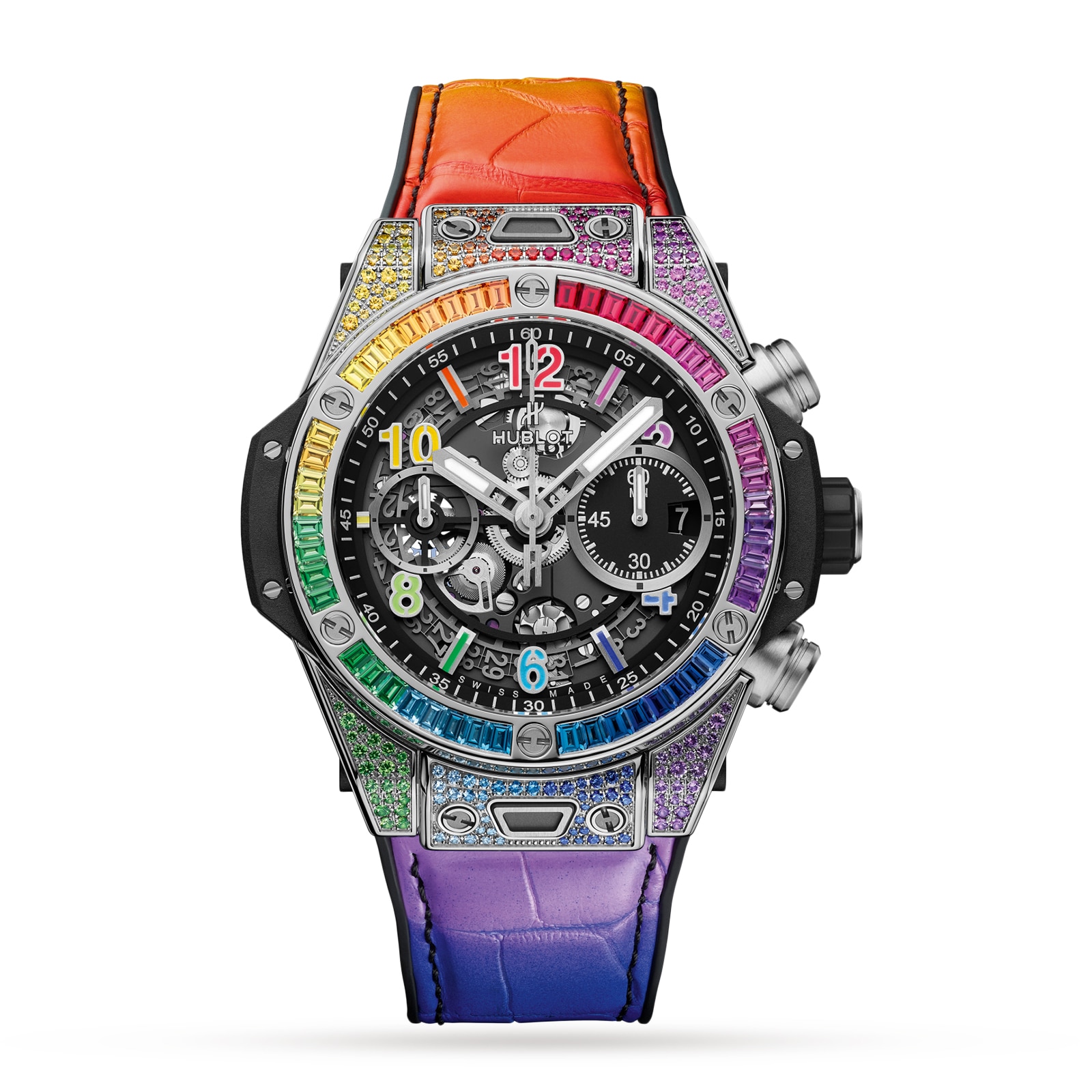 Big Bang42 pcs · from 7 644.00 €
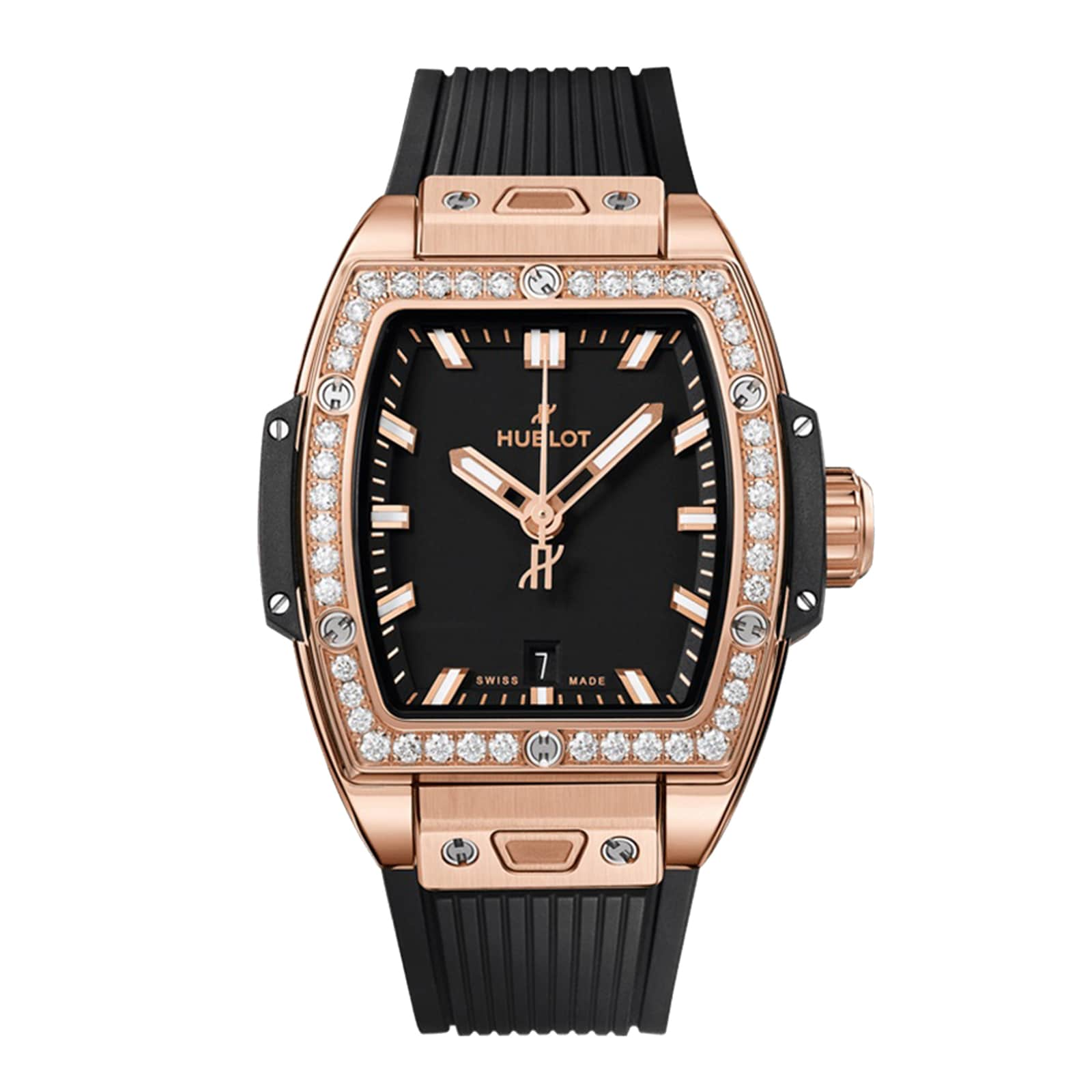 Spirit Of9 pcs · from 17 704.57 €
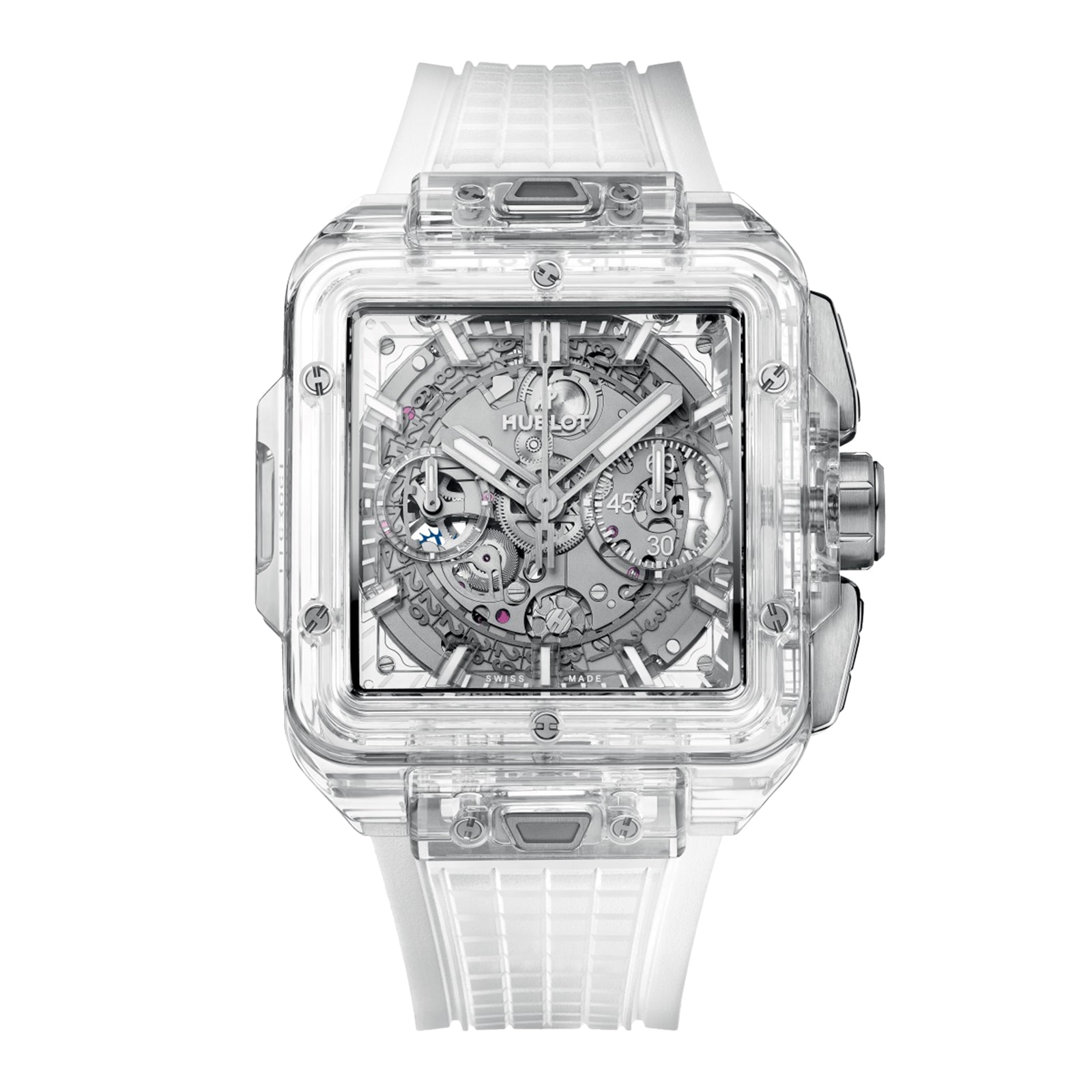 Square Bang6 pcs · from 29 436.52 €
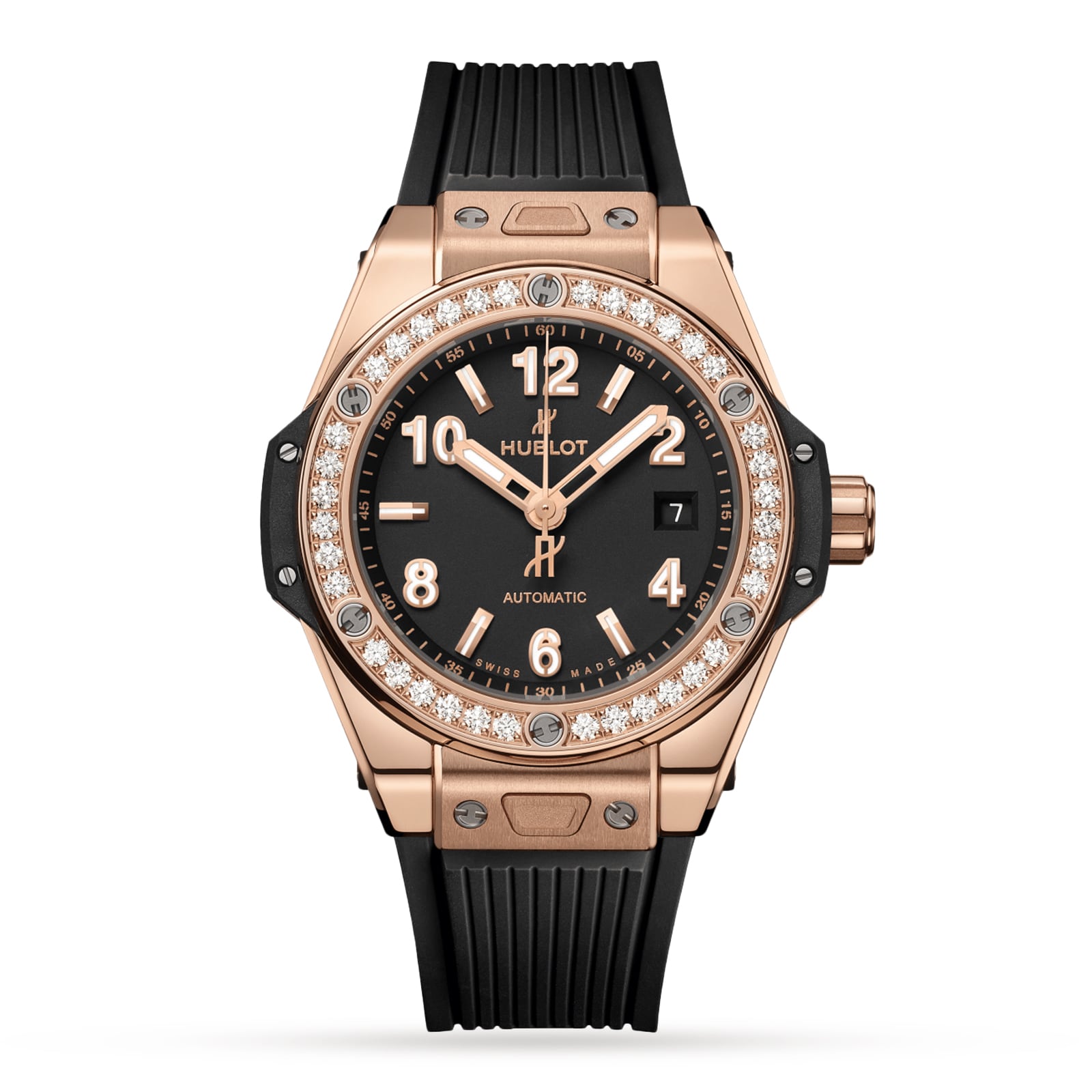 Hublot Big6 pcs · from 17 349.06 €
Models
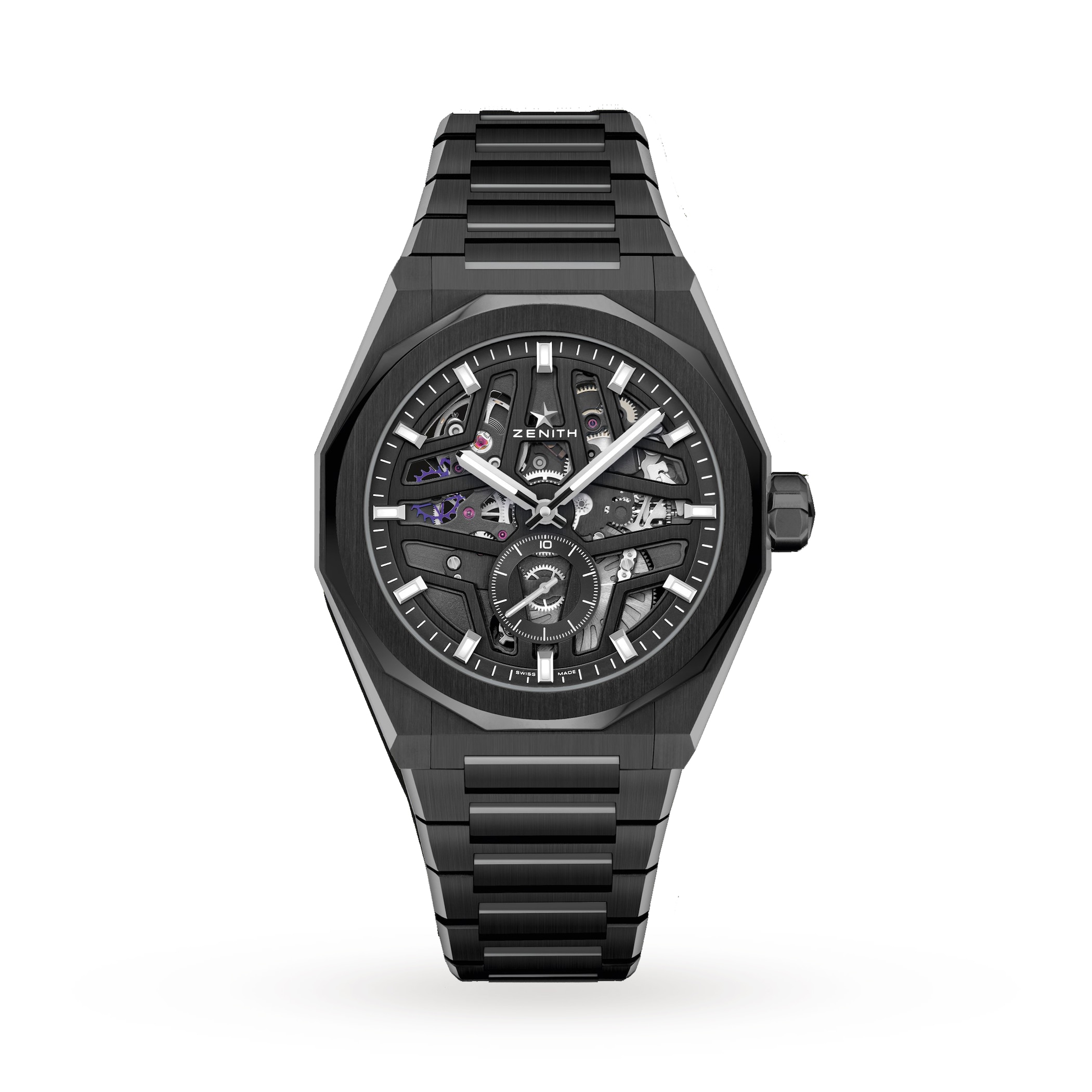 Defy Skyline21 pcs · from 8 461.22 €
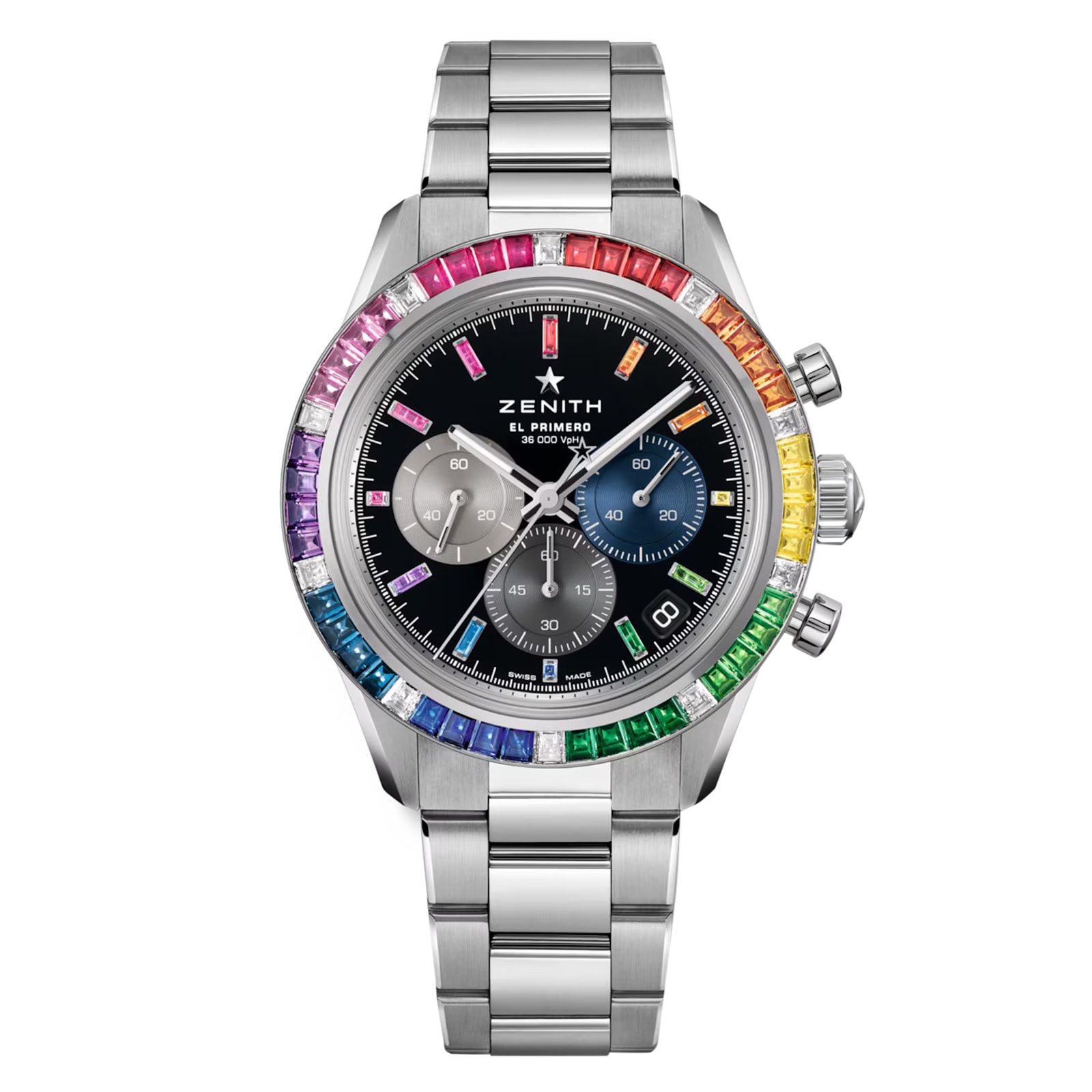 Chronomaster Sport12 pcs · from 11 305.33 €
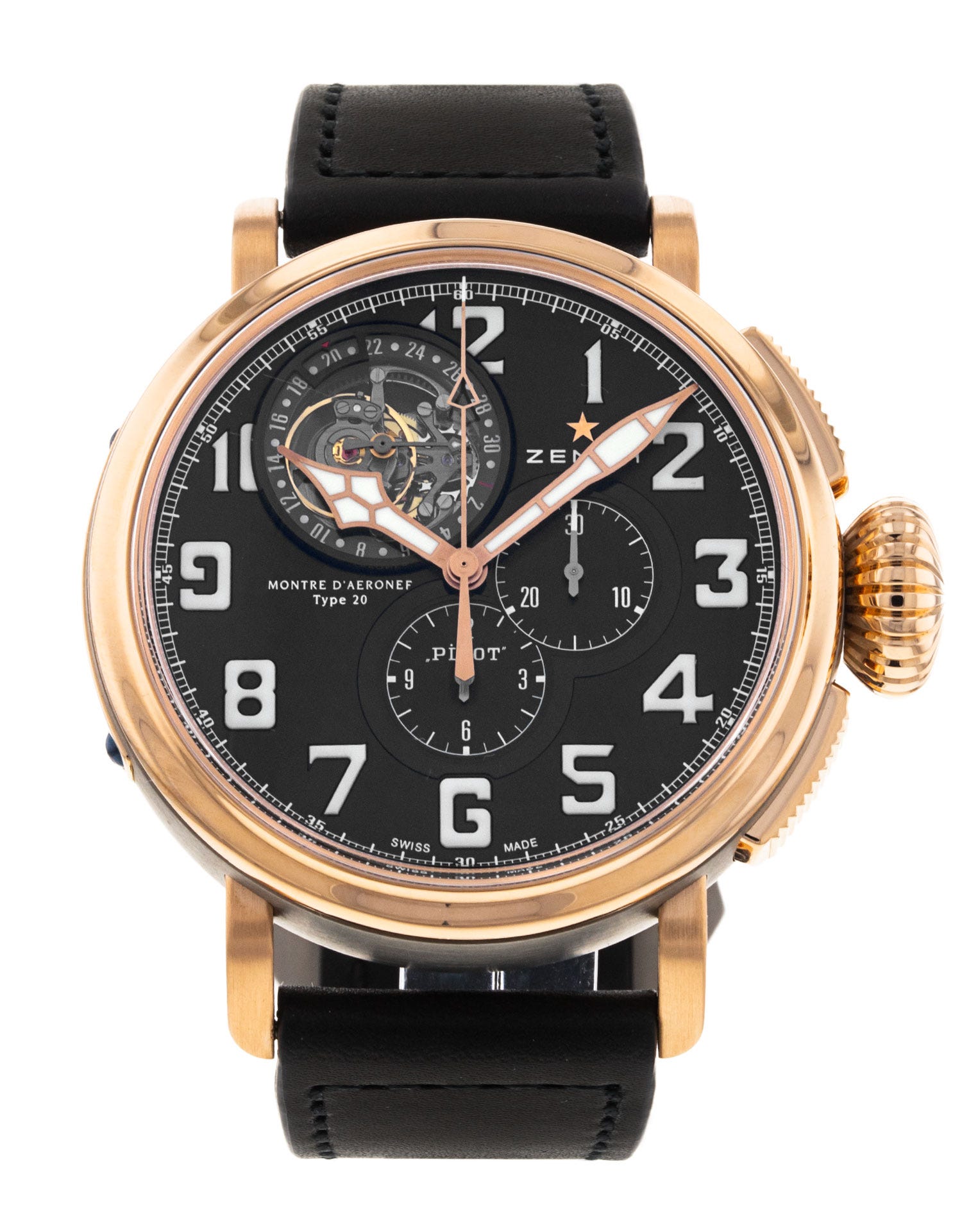 Pilot11 pcs · from 4 092.00 €
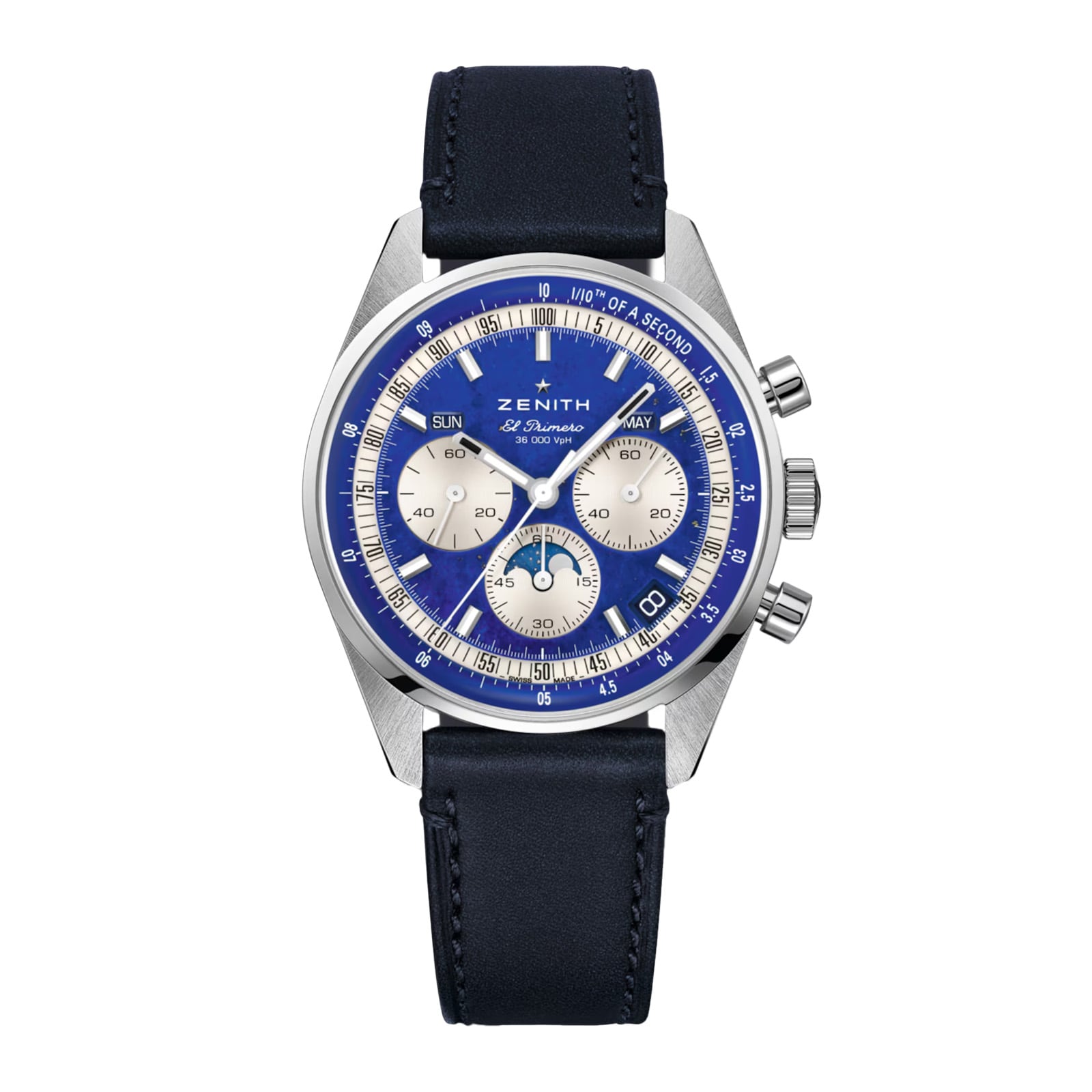 Chronomaster Original7 pcs · from 17 775.67 €
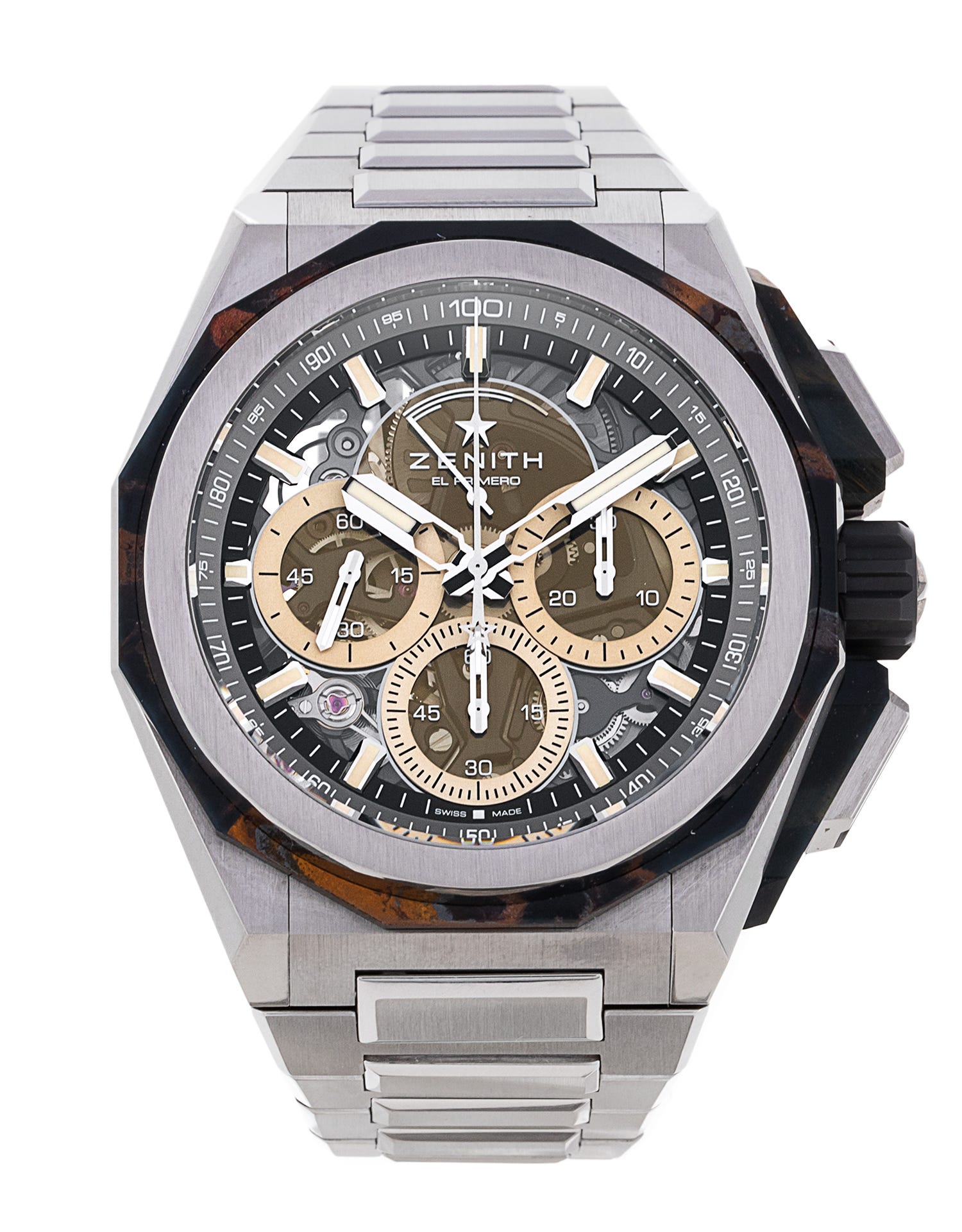 Defy7 pcs · from 7 260.00 €
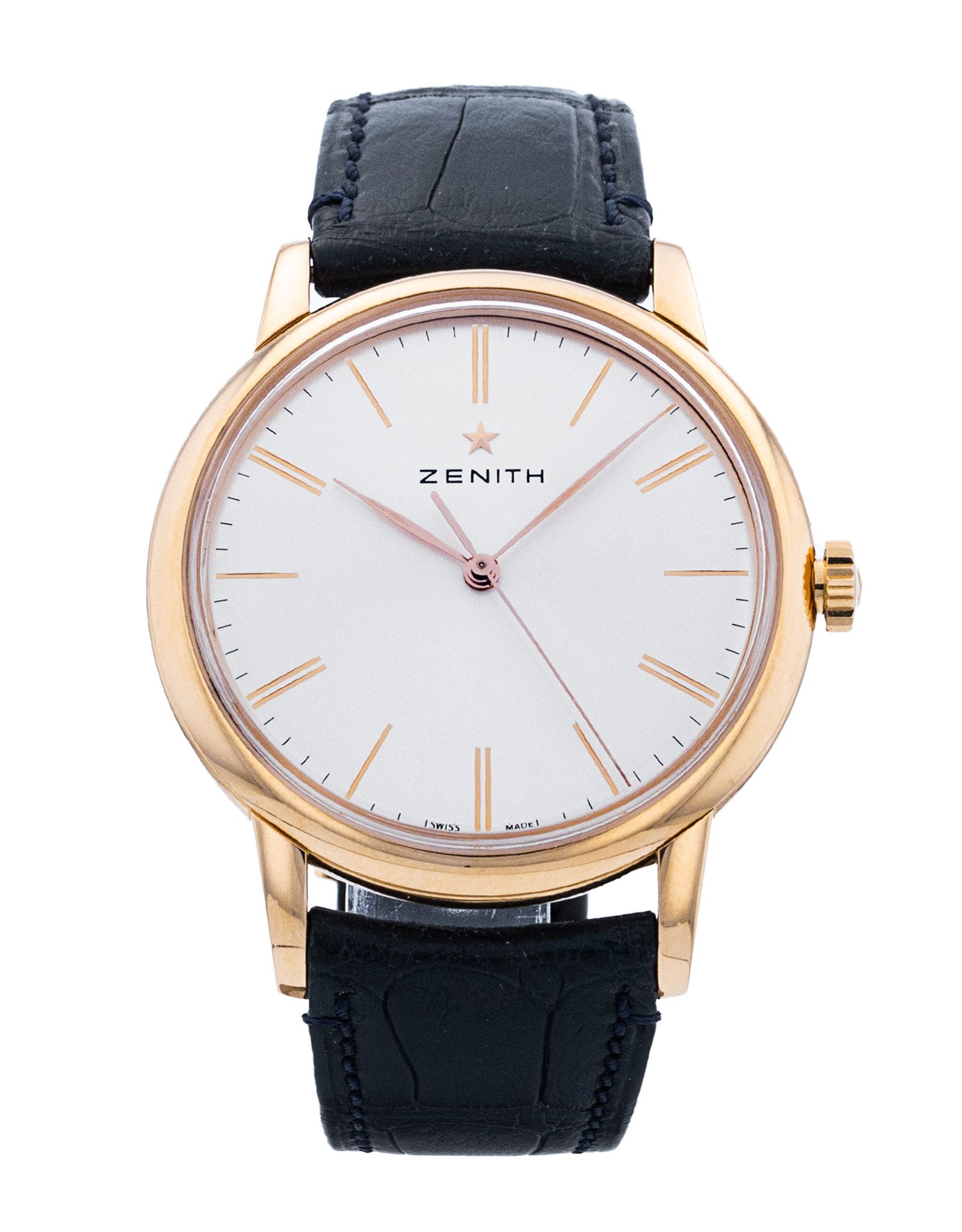 Elite6 pcs · from 4 392.00 €
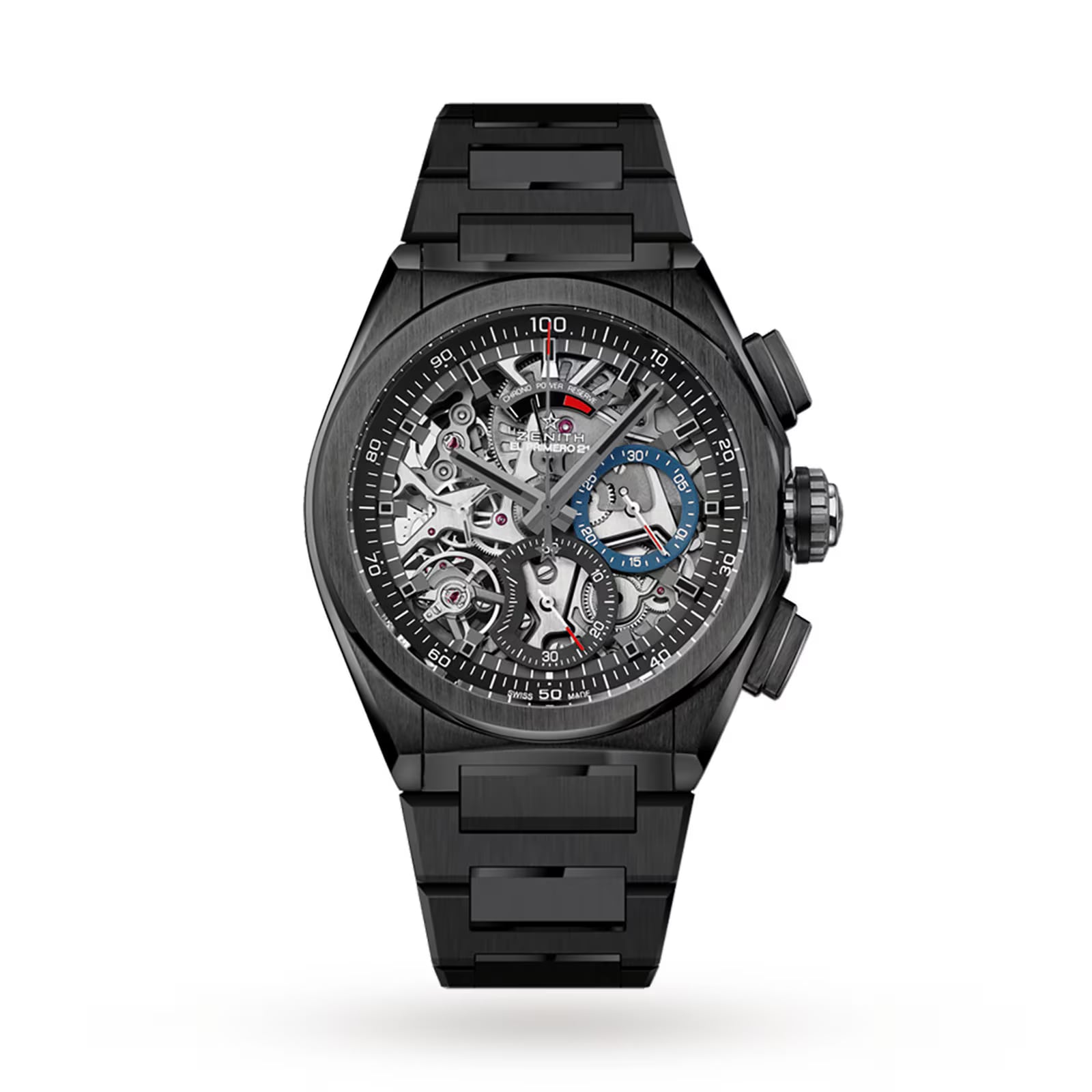 Zenith Defy5 pcs · from 8 852.29 €
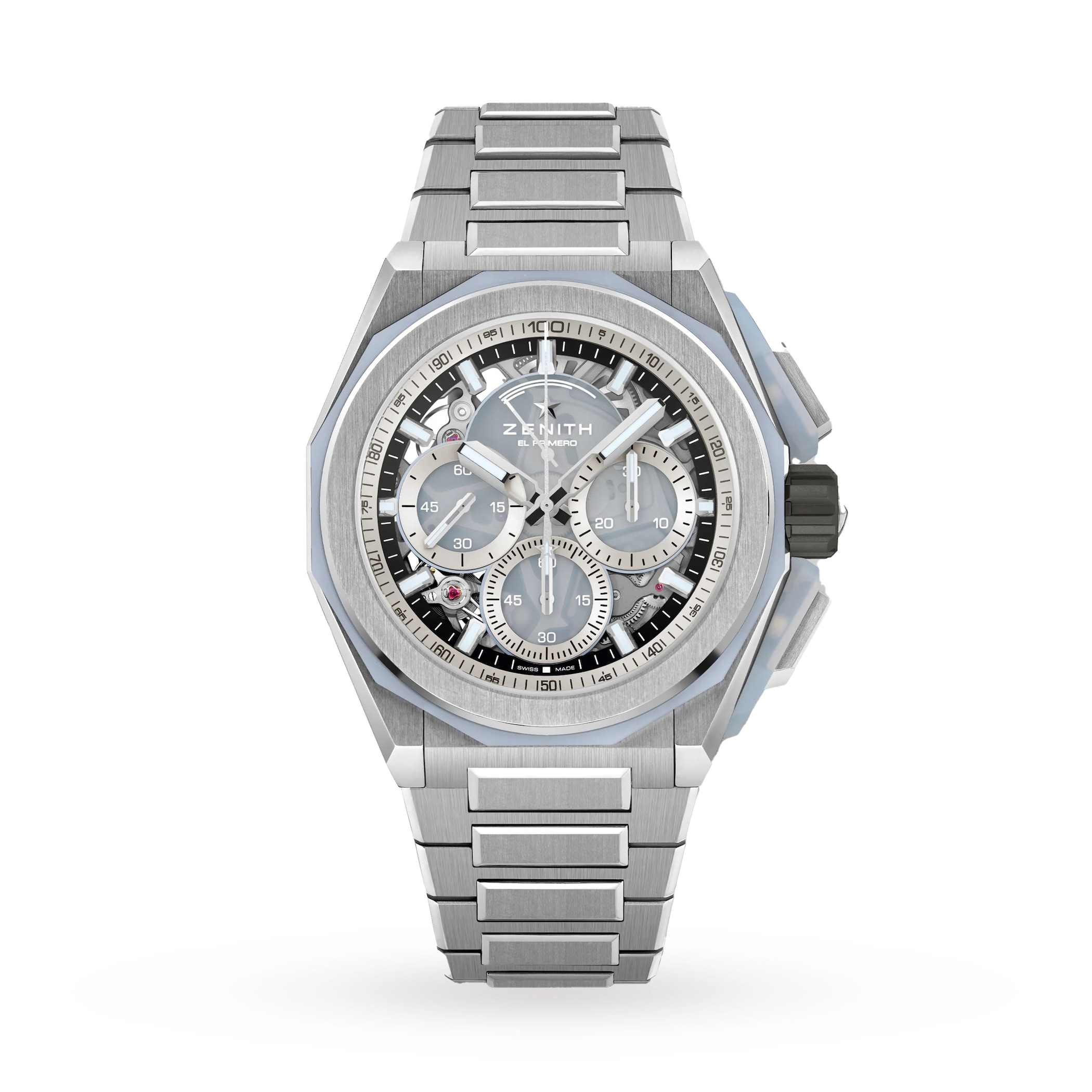 Defy Extreme4 pcs · from 15 073.77 €
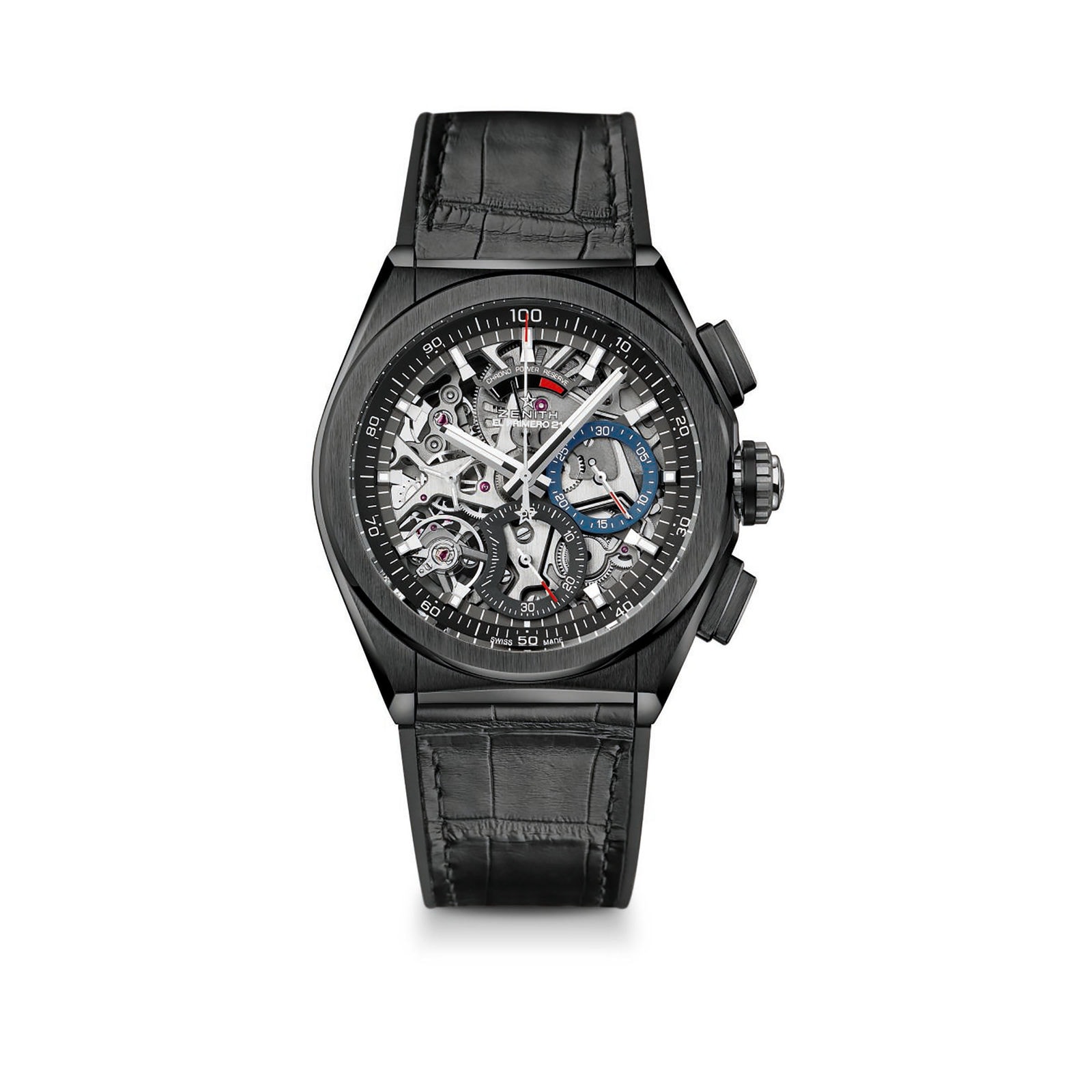 Defy El4 pcs · from 11 589.74 €
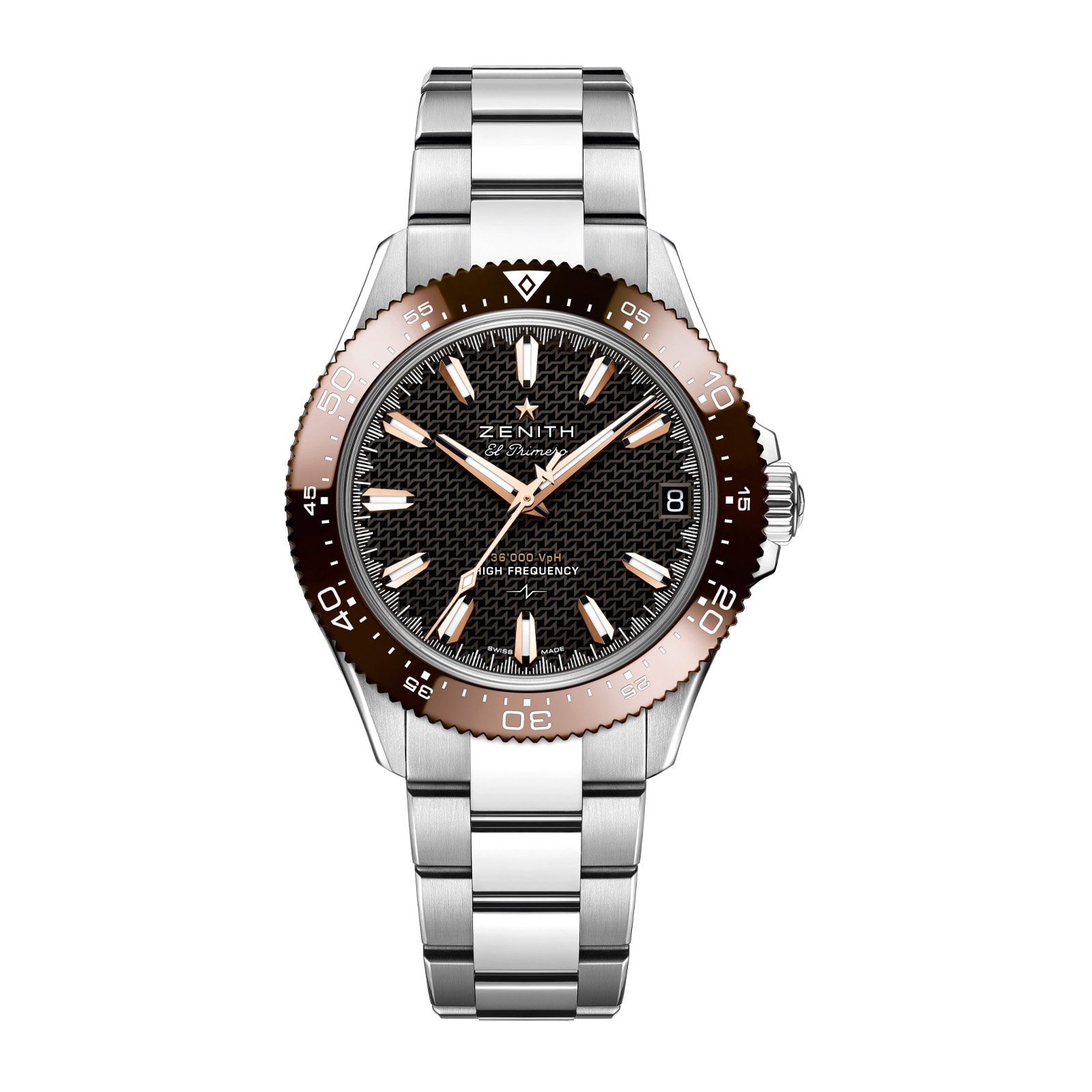 Chronomaster Solo4 pcs · from 12 371.87 €
Models
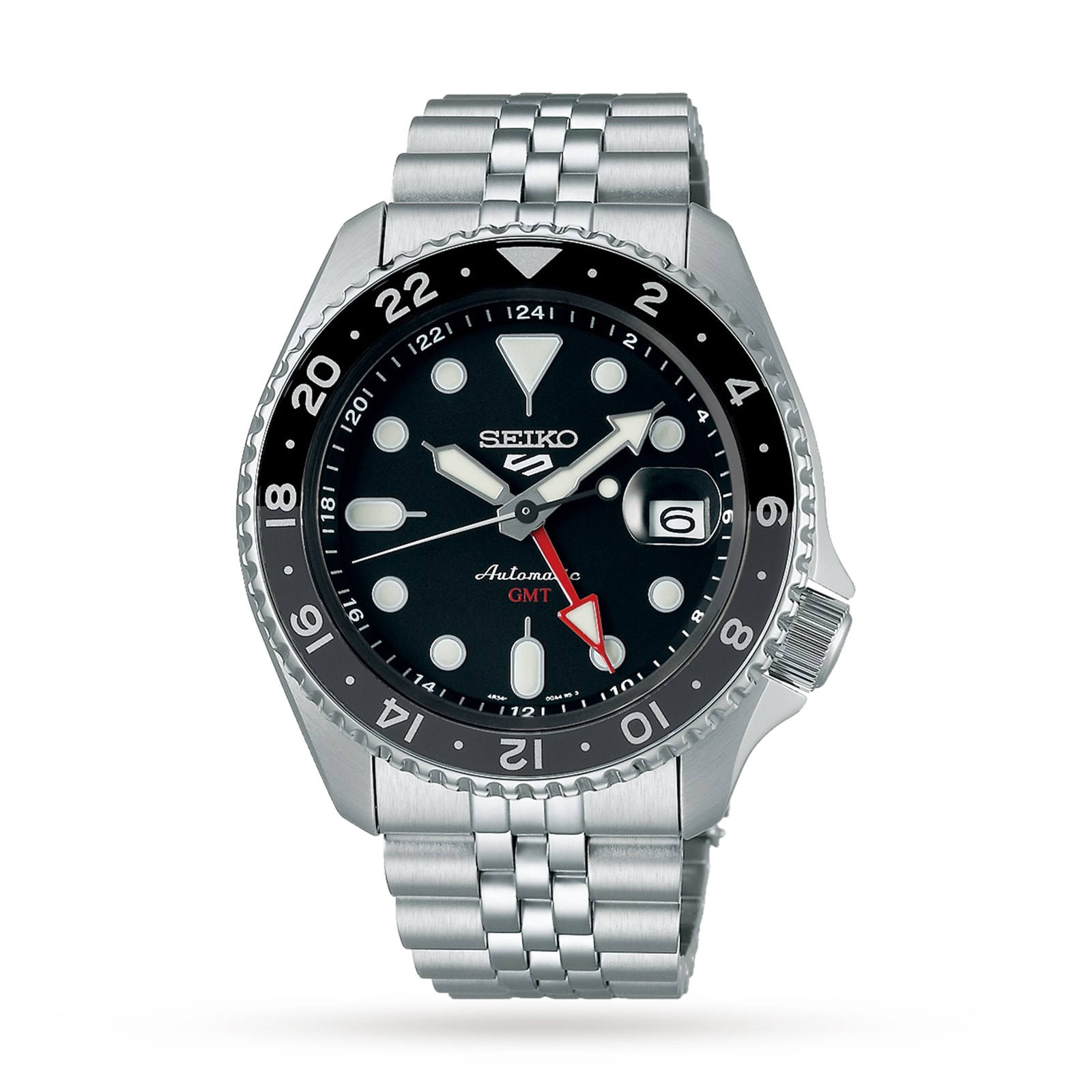 5 Sports21 pcs · from 369.73 €
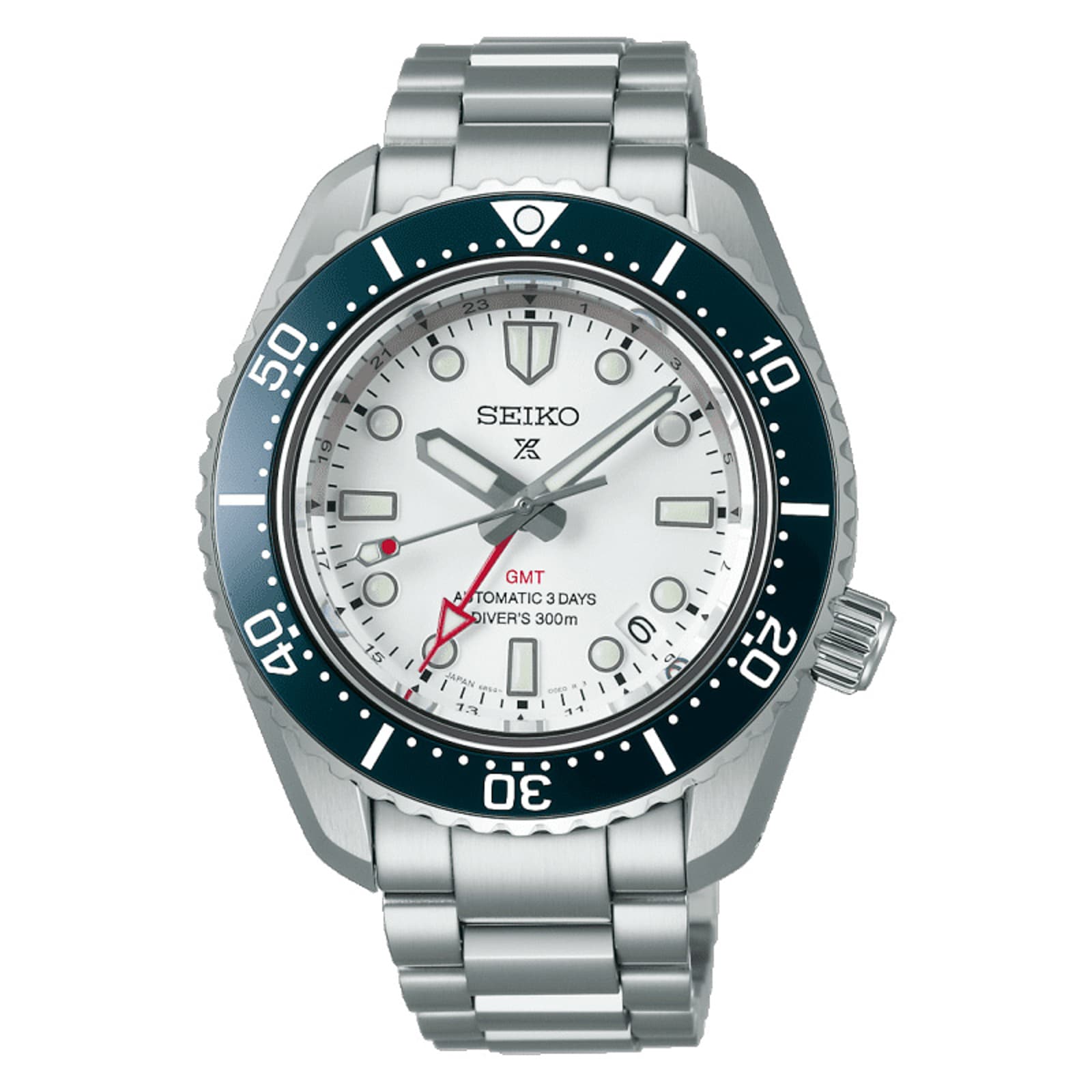 Prospex8 pcs · from 824.79 €
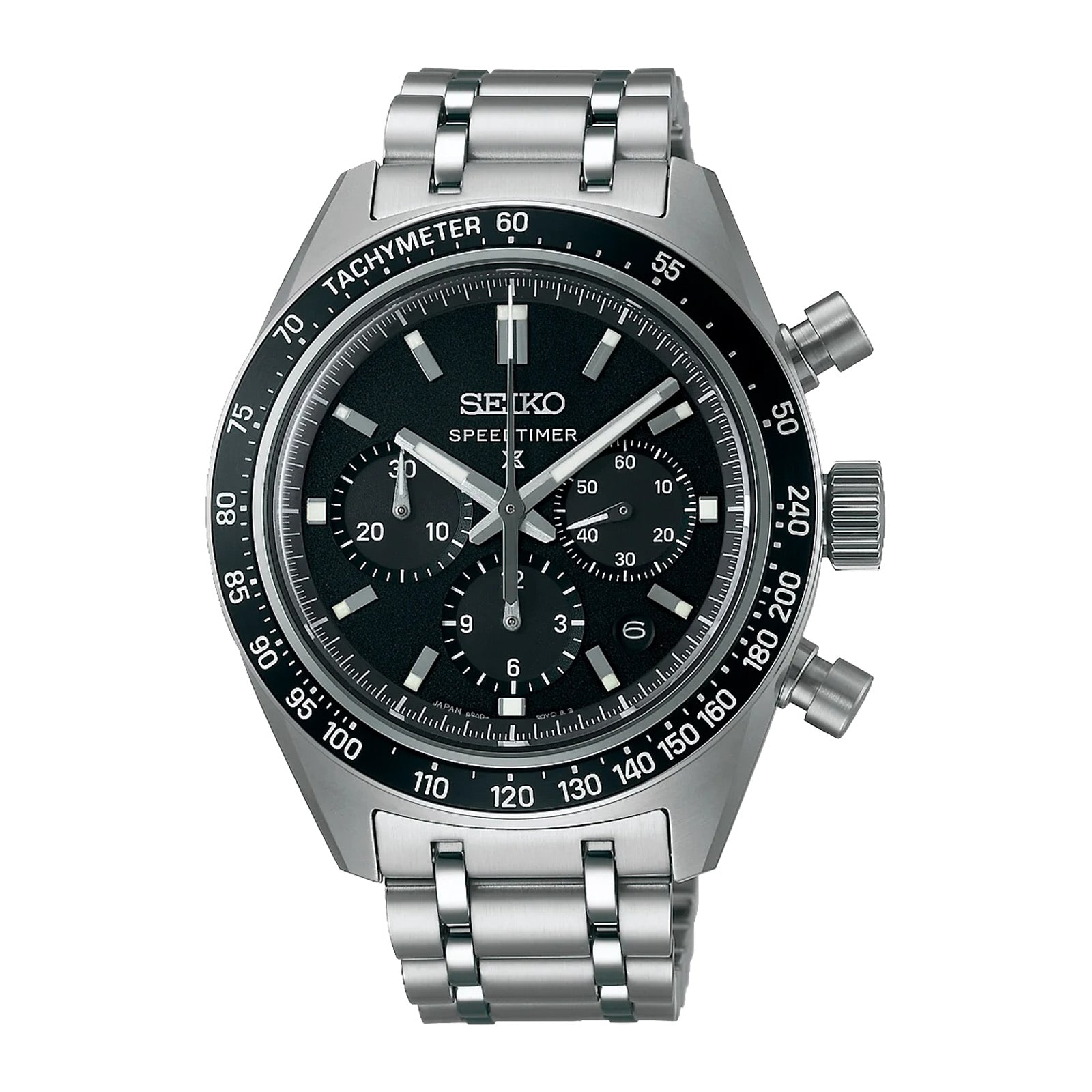 Prospex Speedtimer6 pcs · from 952.78 €
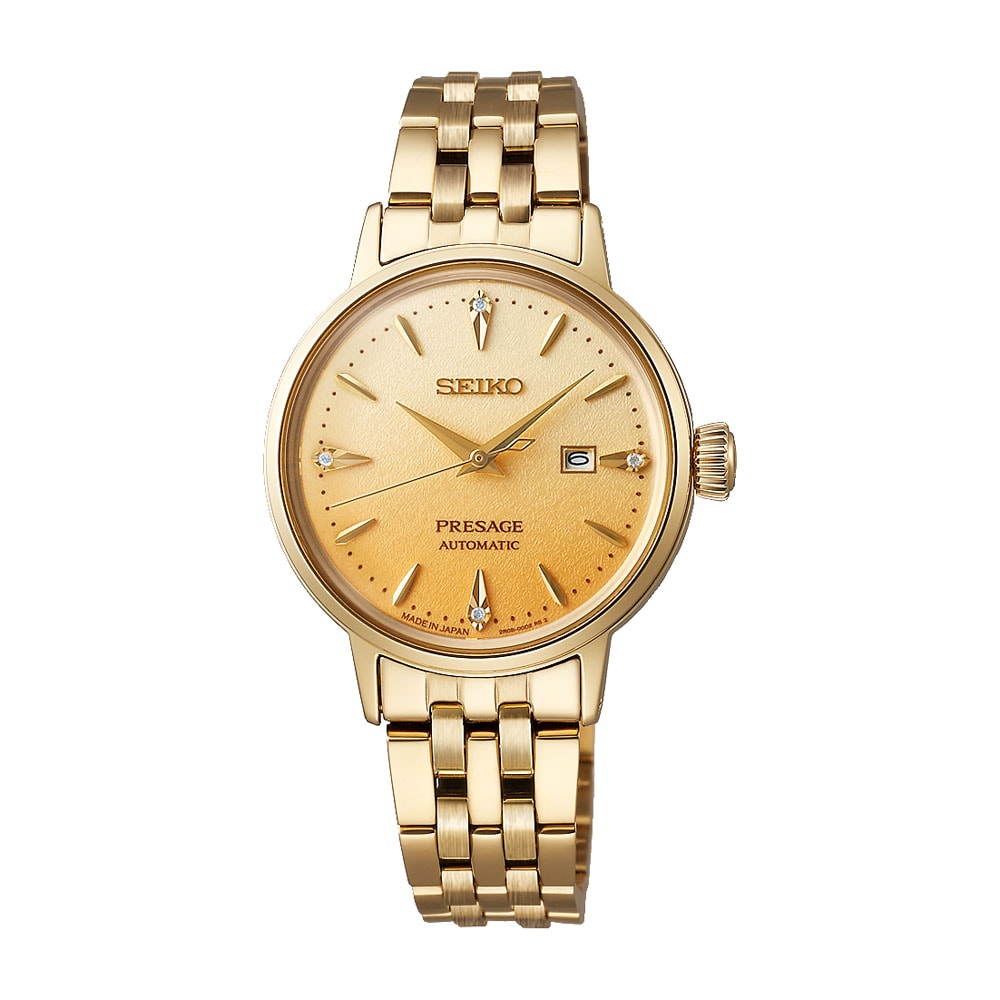 Presage Cocktail6 pcs · from 568.82 €
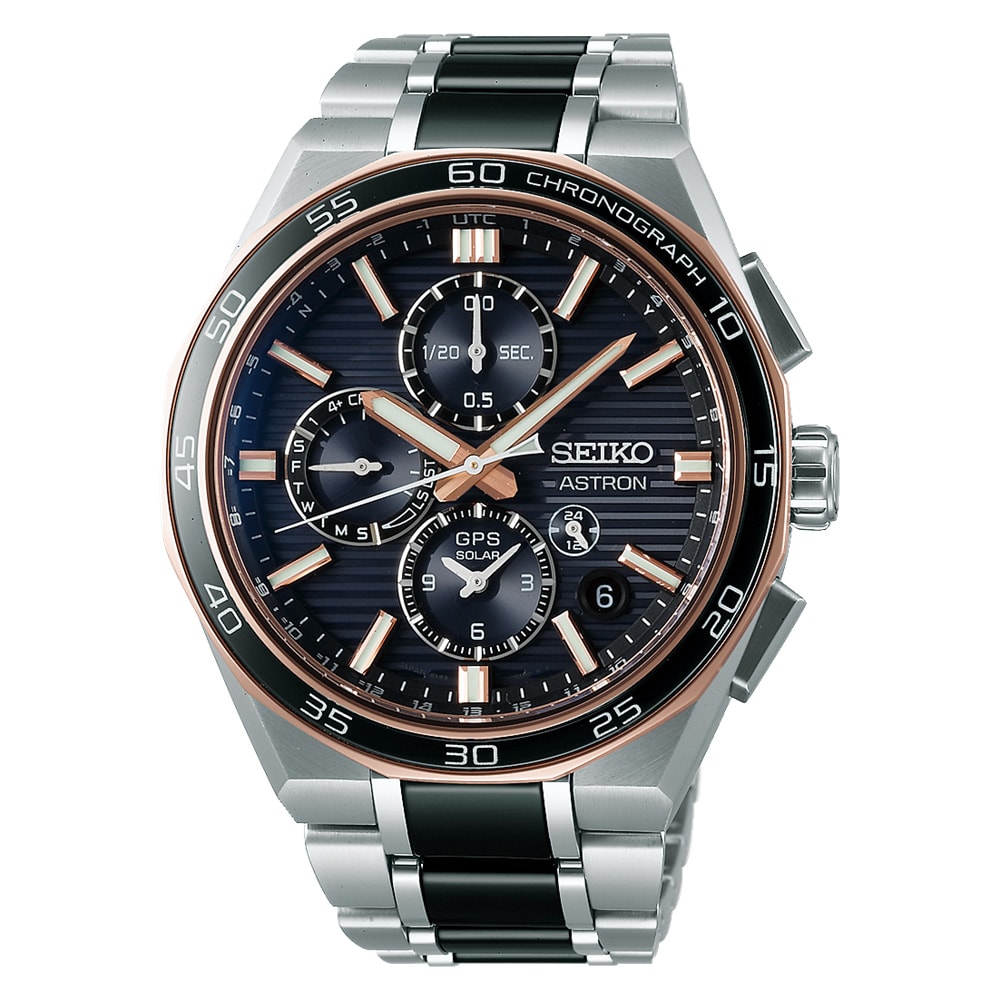 Astron GPS5 pcs · from 2 787.23 €
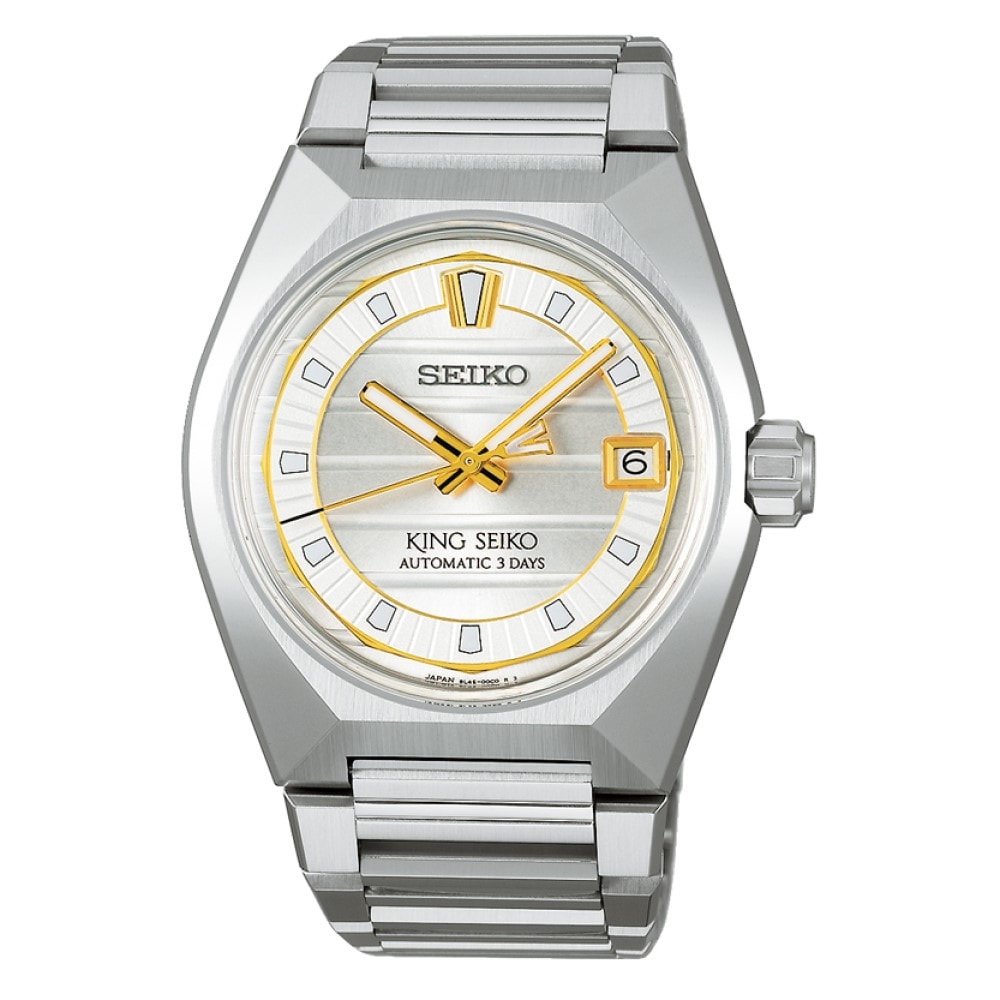 King Seiko4 pcs · from 4 123.96 €
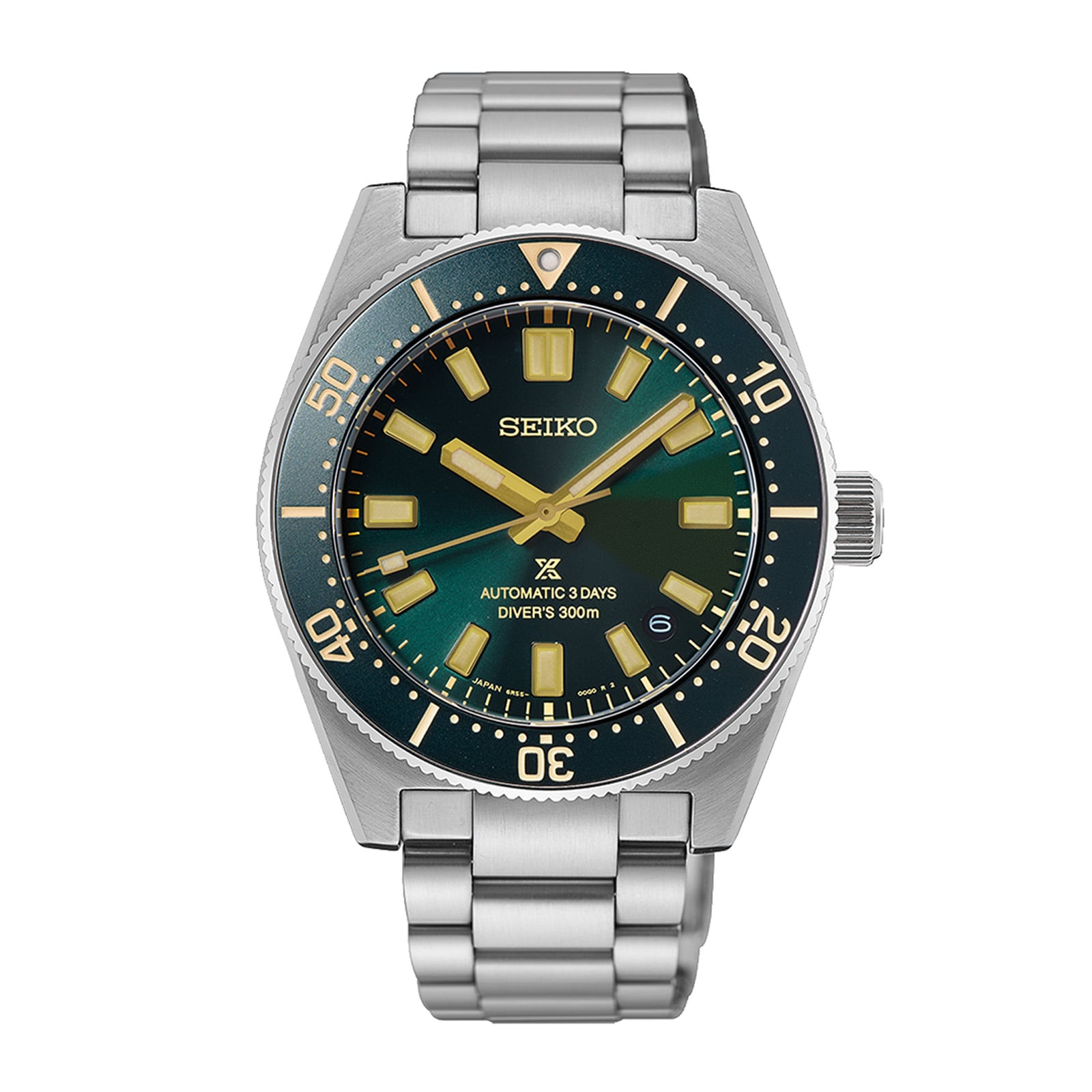 Prospex Prospex4 pcs · from 924.34 €
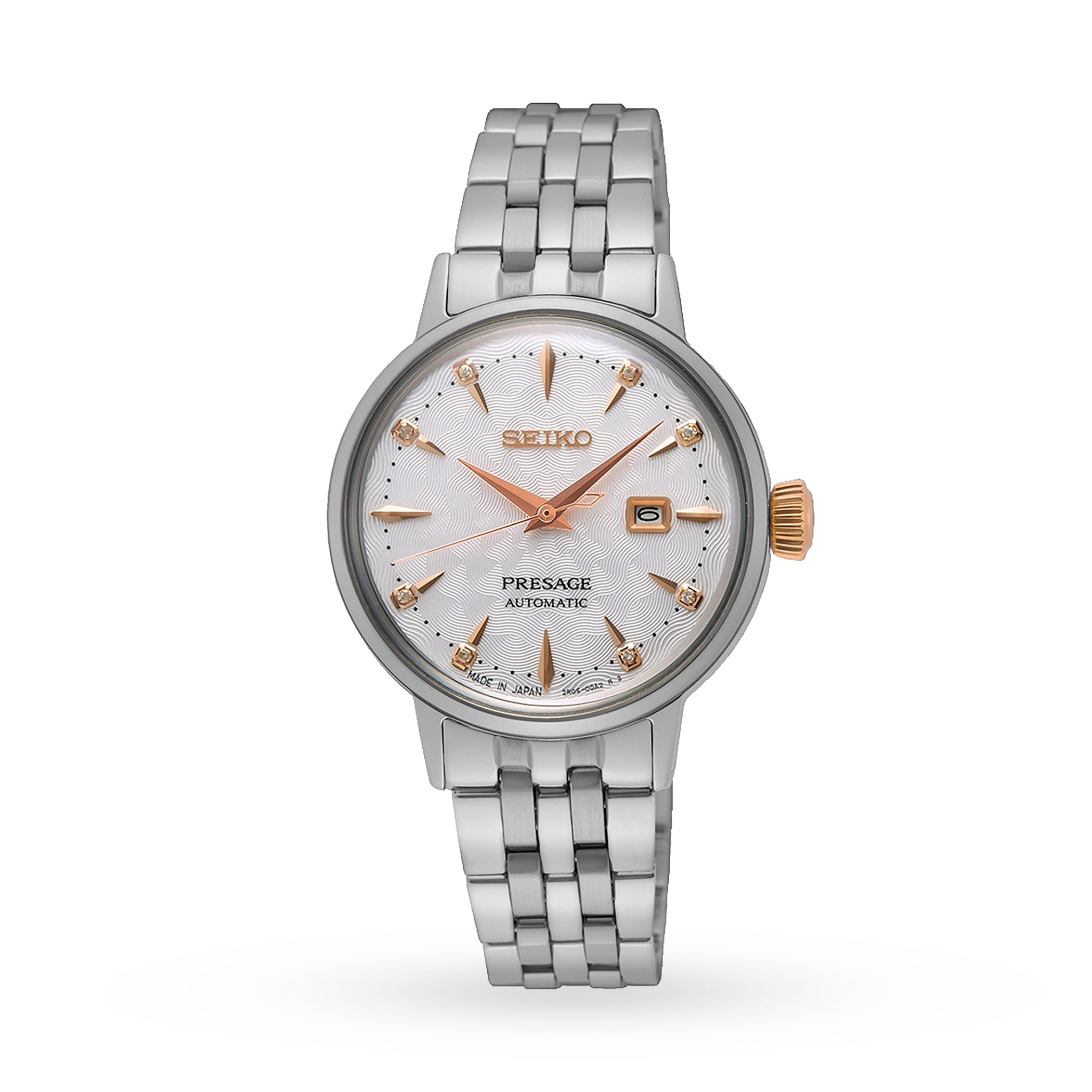 Presage Presage4 pcs · from 511.94 €
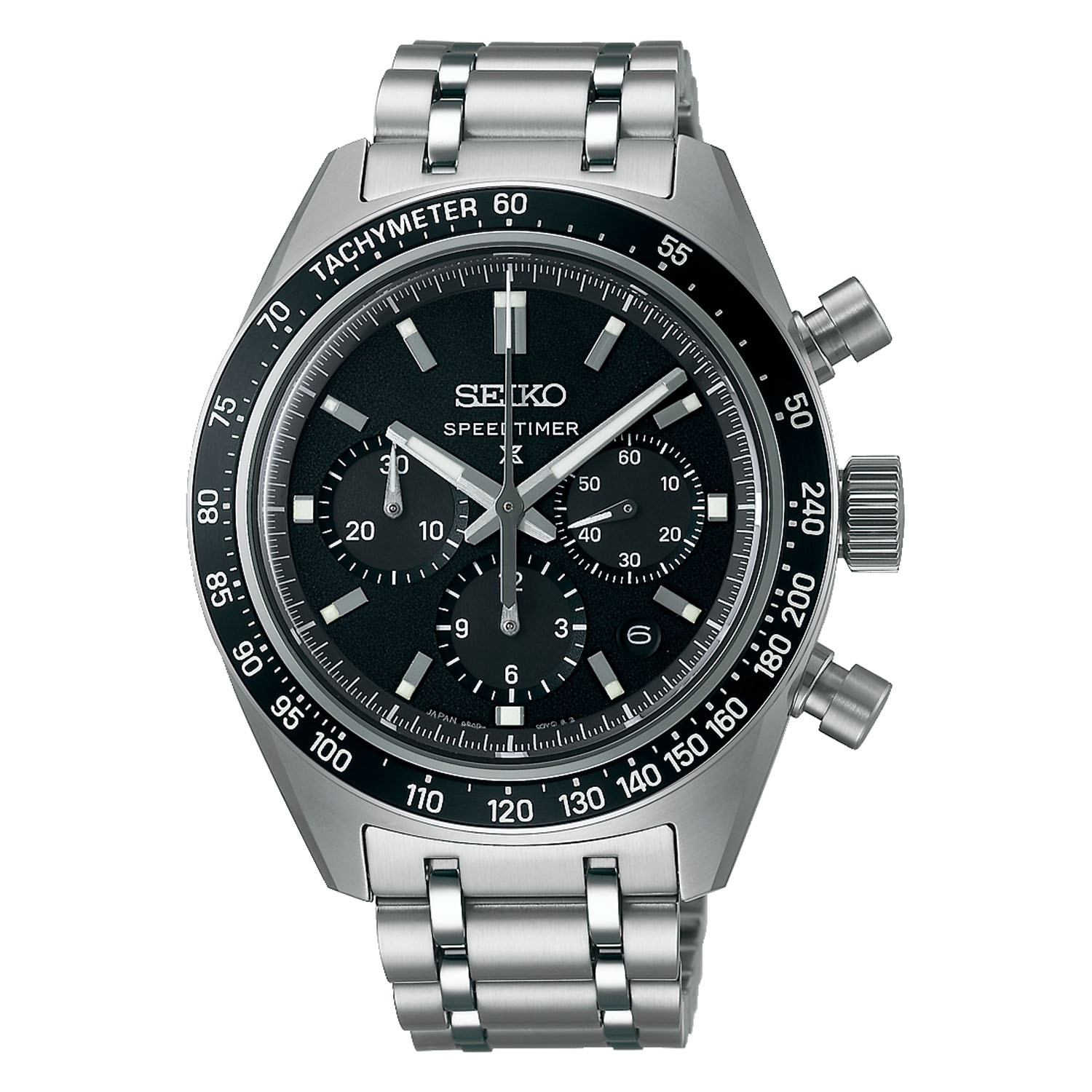 Speedtimer3 pcs · from 3 341.83 €
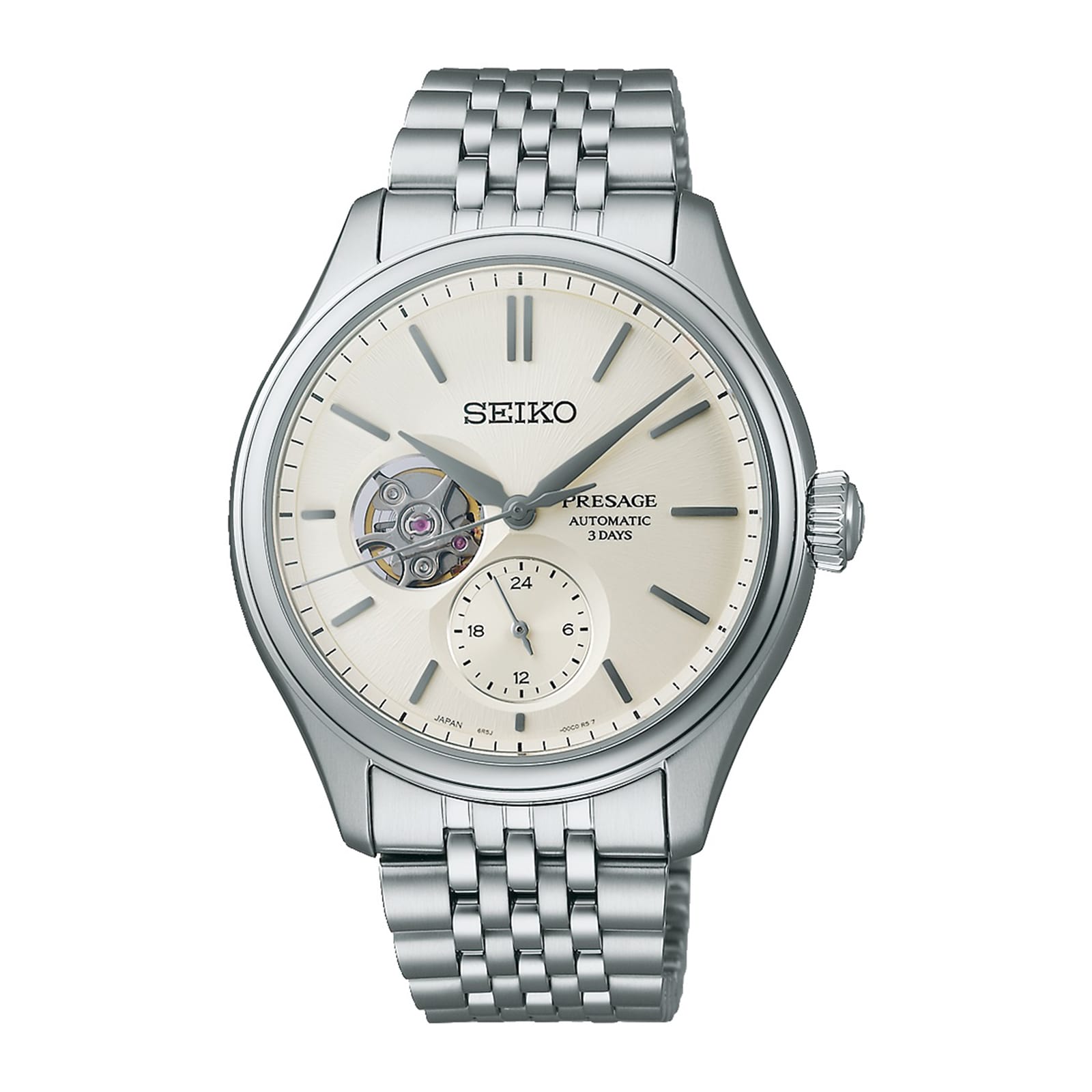 Presage Classic3 pcs · from 1 336.73 €
Models
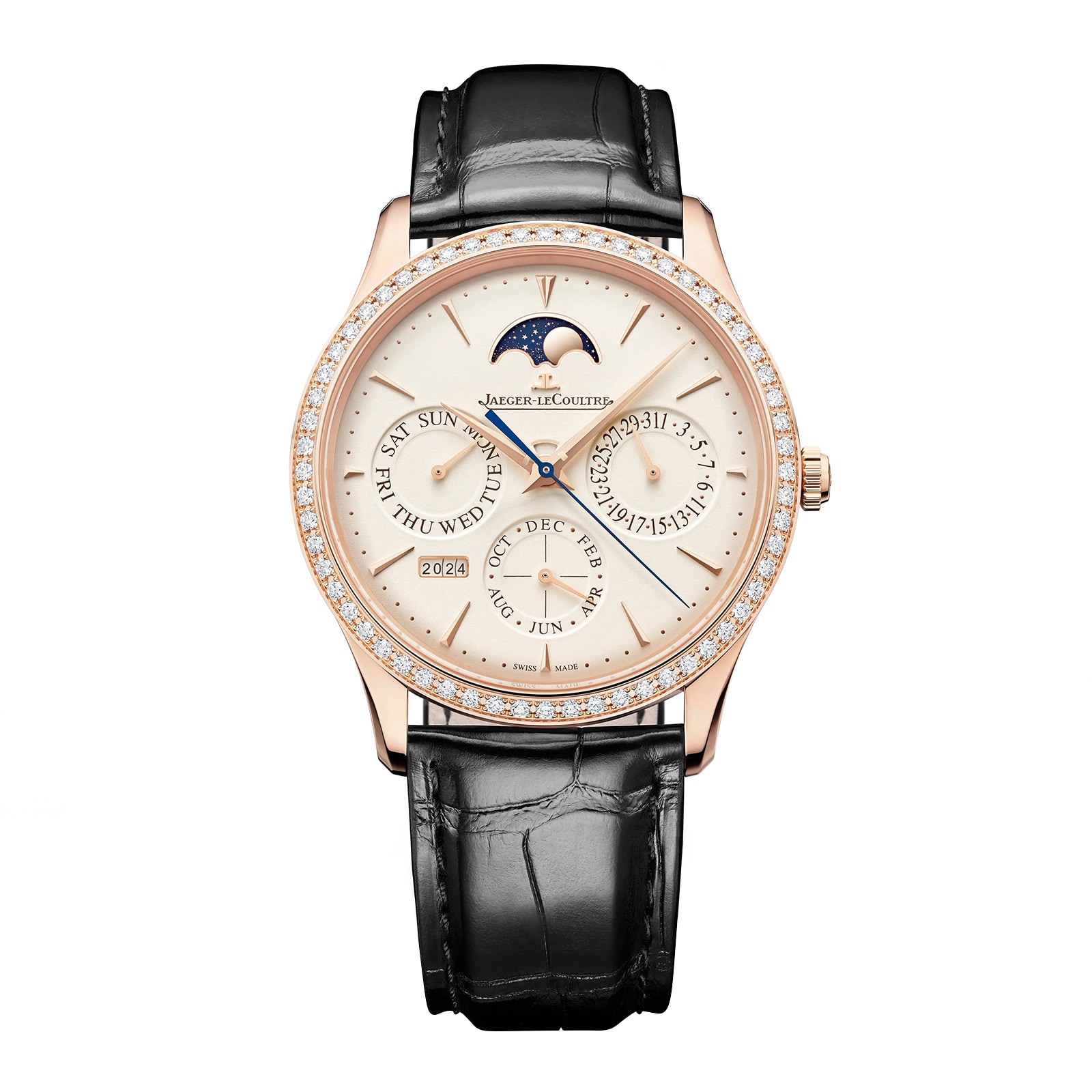 Master Ultra19 pcs · from 12 727.38 €
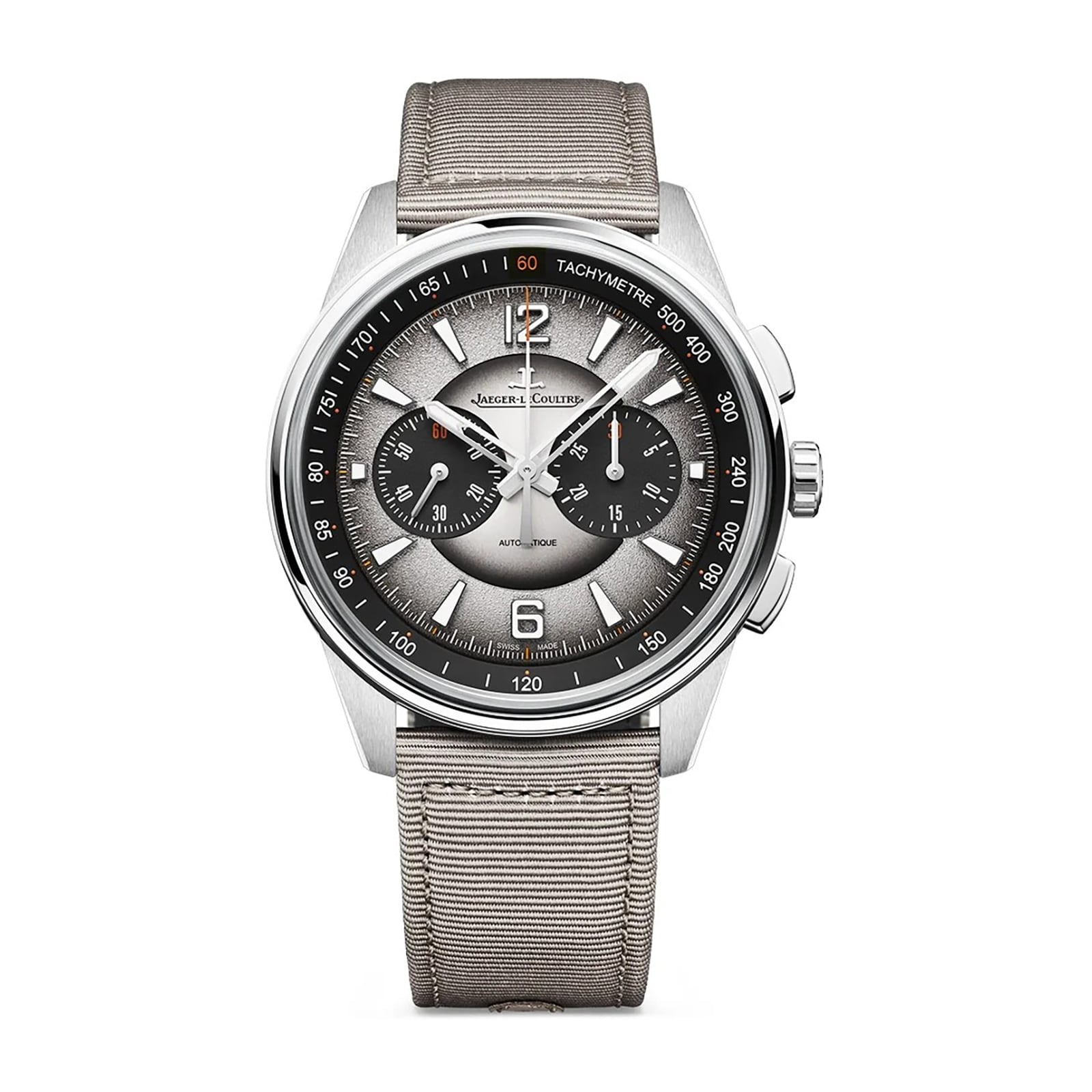 Polaris12 pcs · from 8 176.81 €
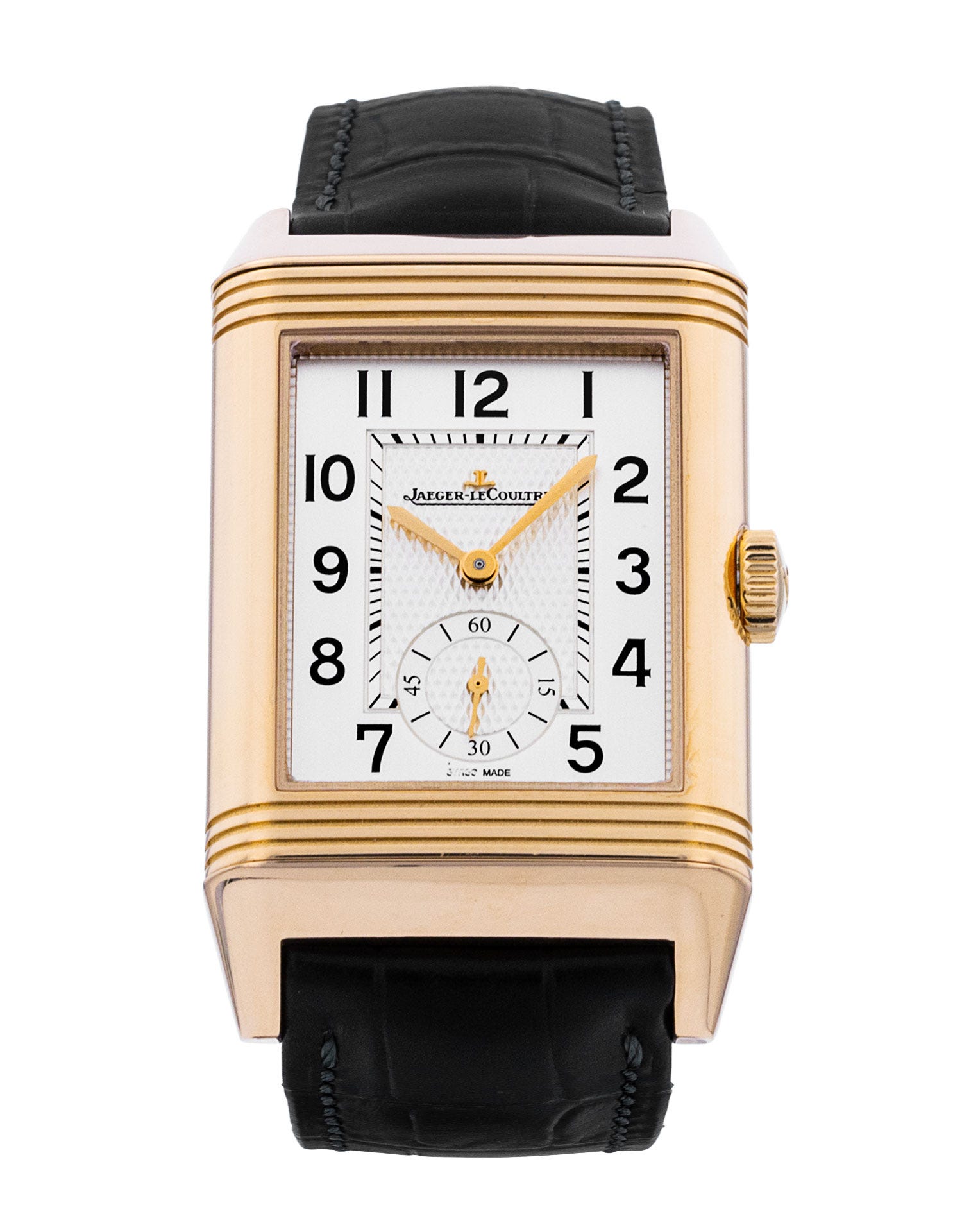 Reverso Classic10 pcs · from 7 110.27 €
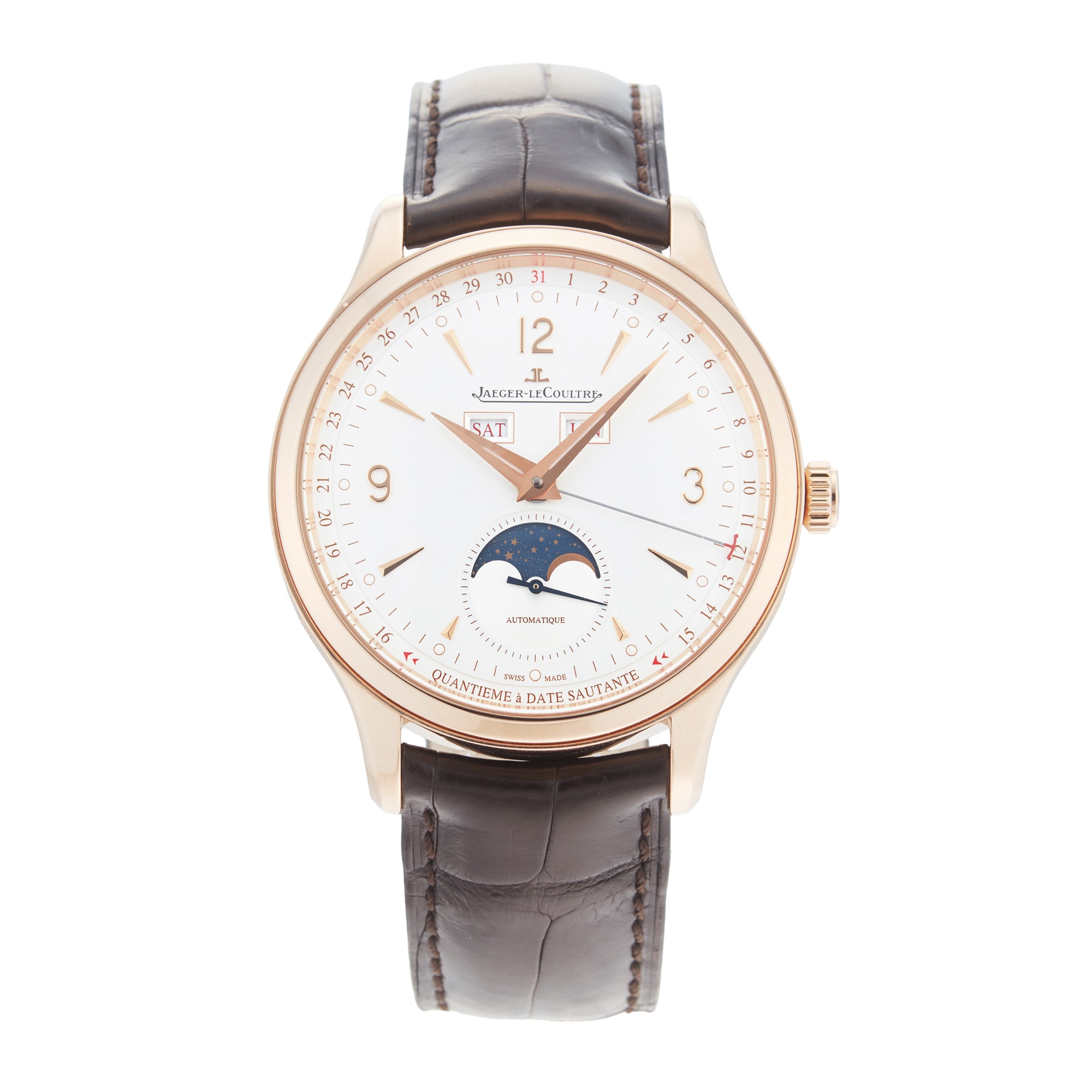 Master Control9 pcs · from 8 745.63 €
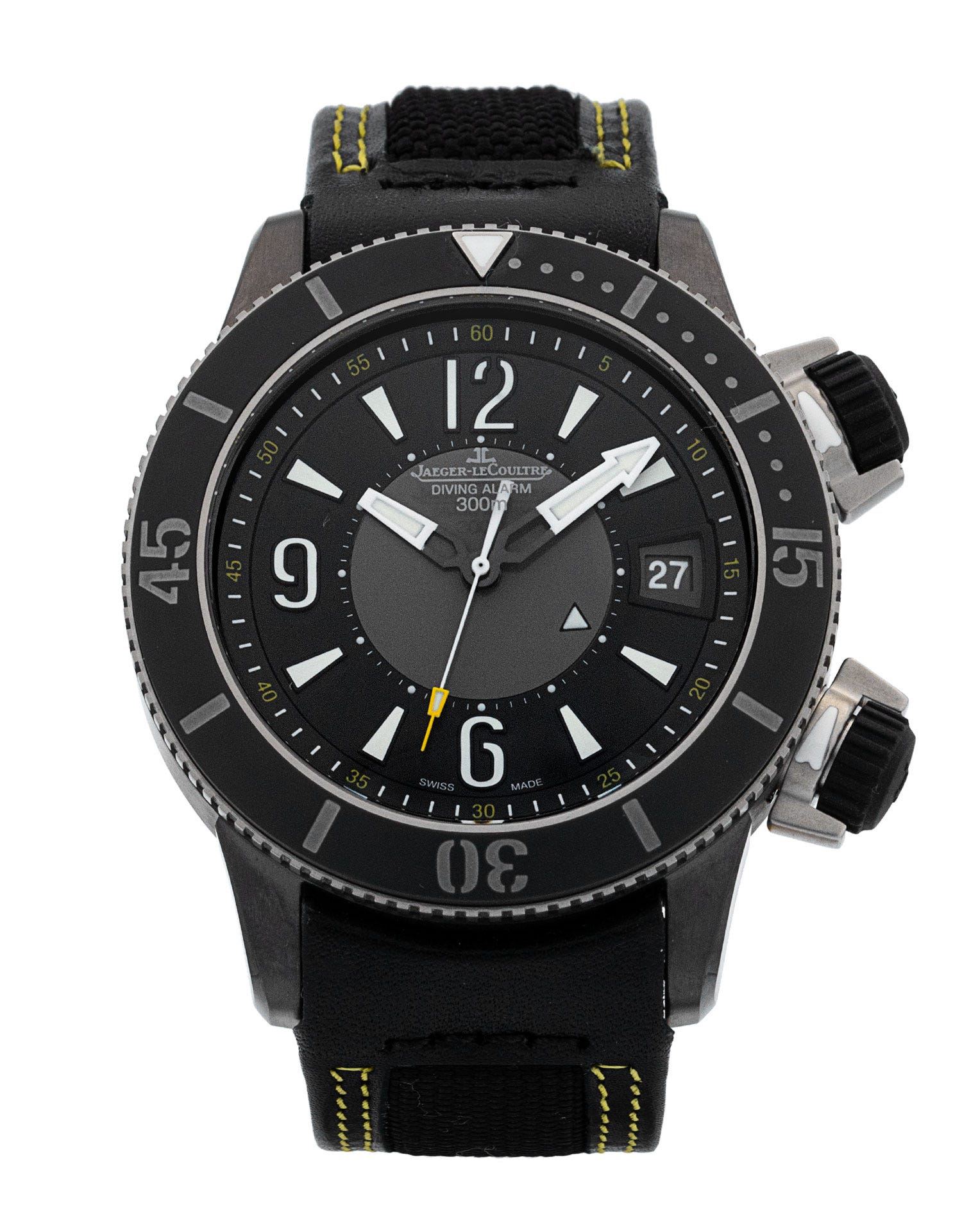 Master Compressor8 pcs · from 4 746.00 €
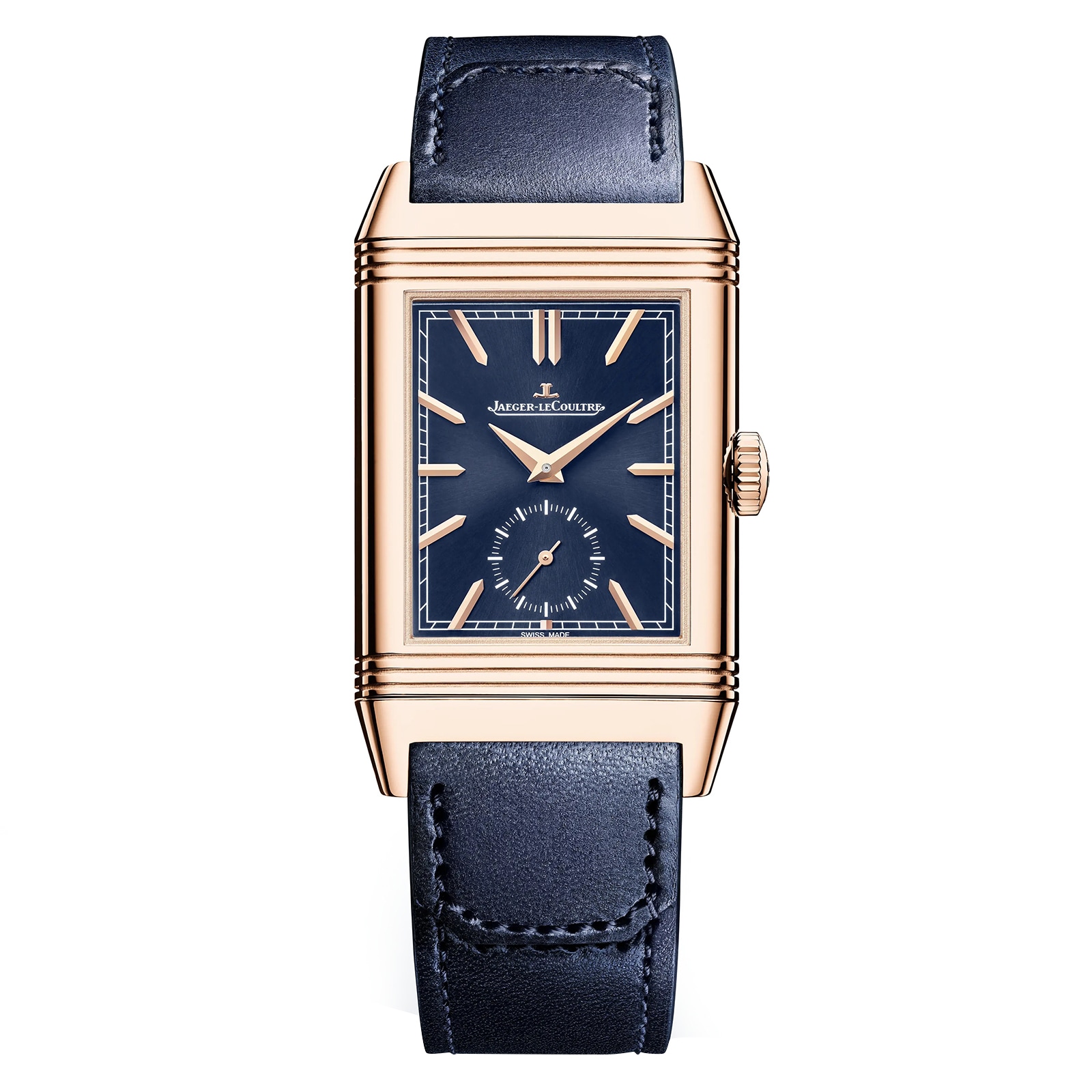 Reverso Tribute5 pcs · from 15 354.00 €
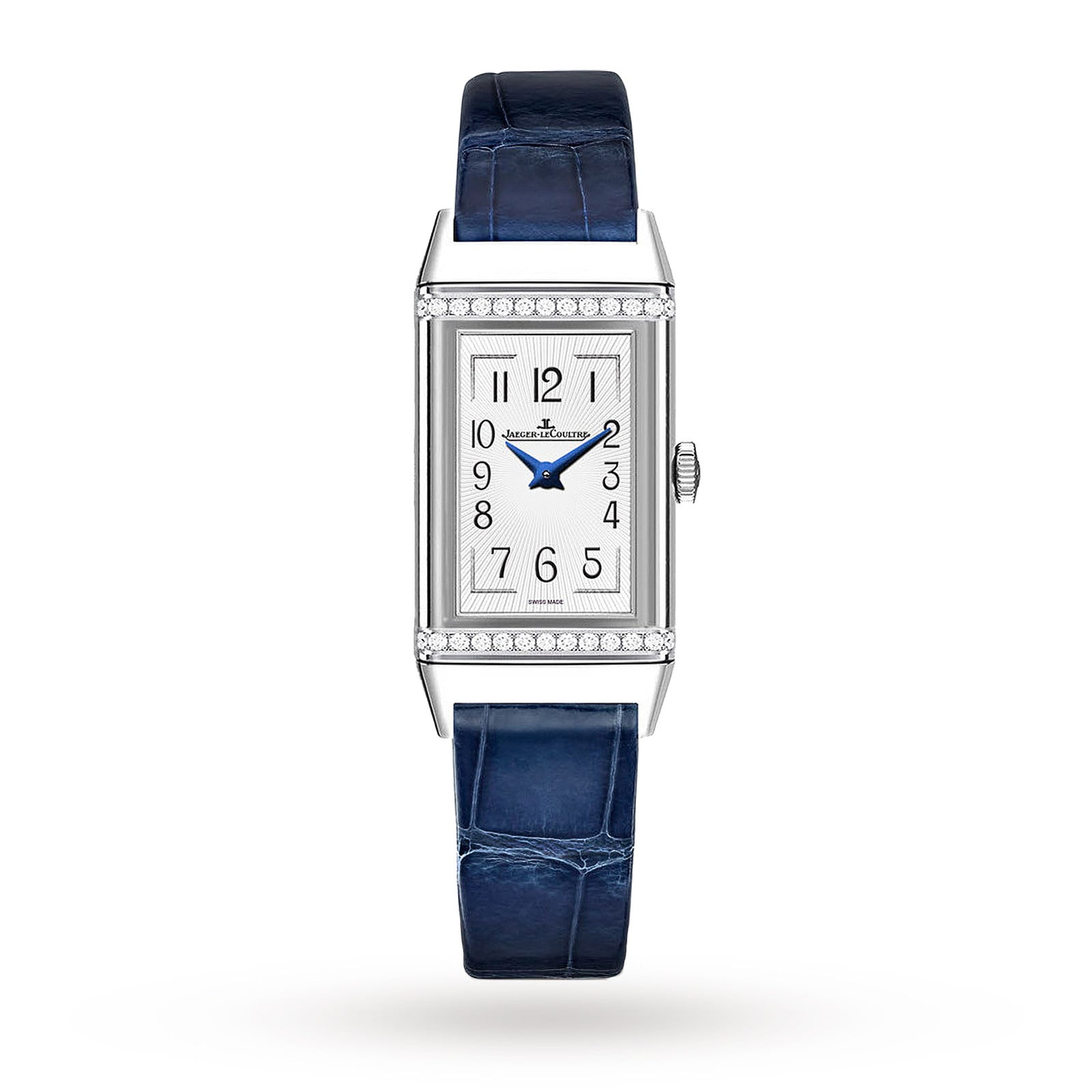 Reverso One4 pcs · from 8 034.61 €
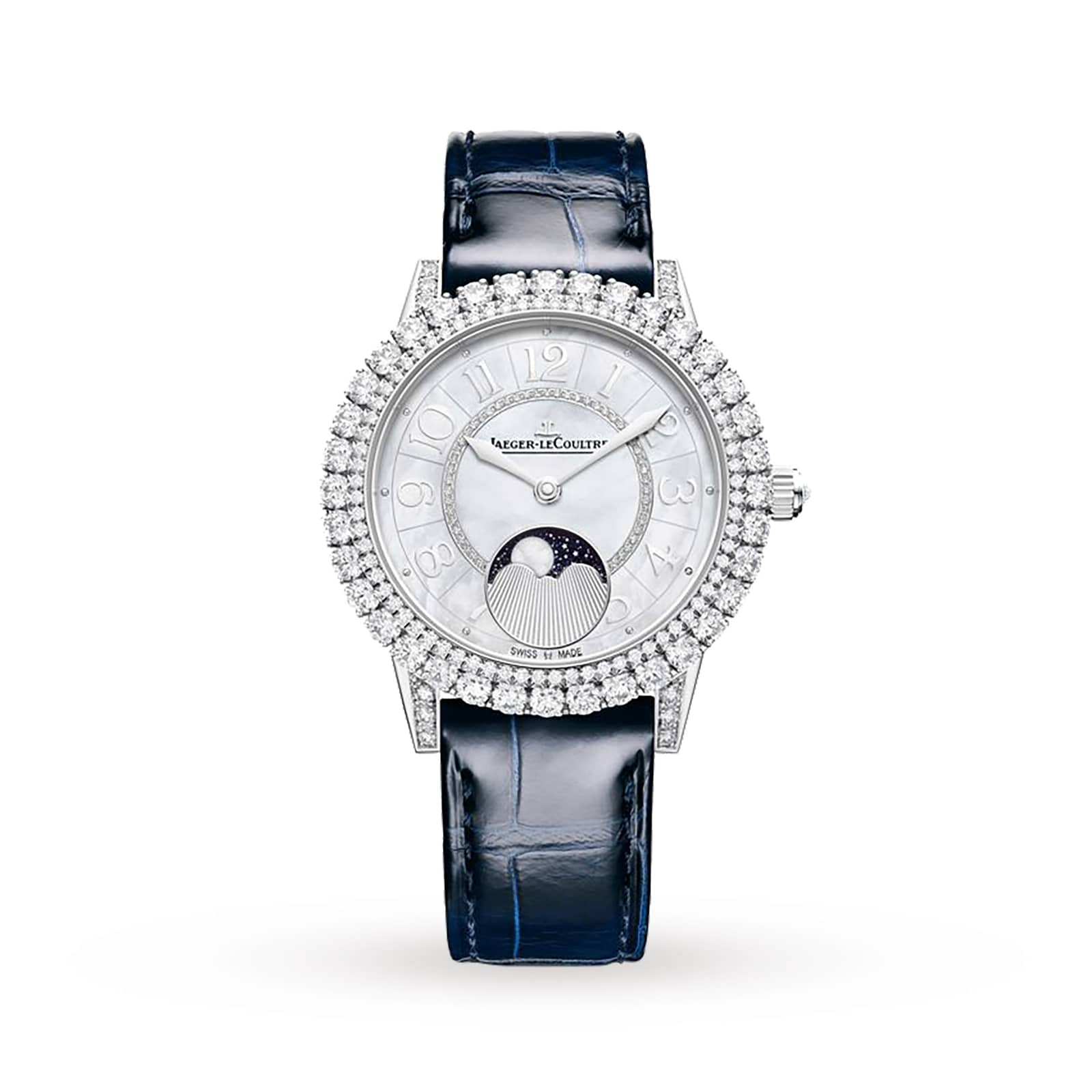 Jaeger-LeCoultre Rendez-Vous3 pcs · from 16 638.03 €
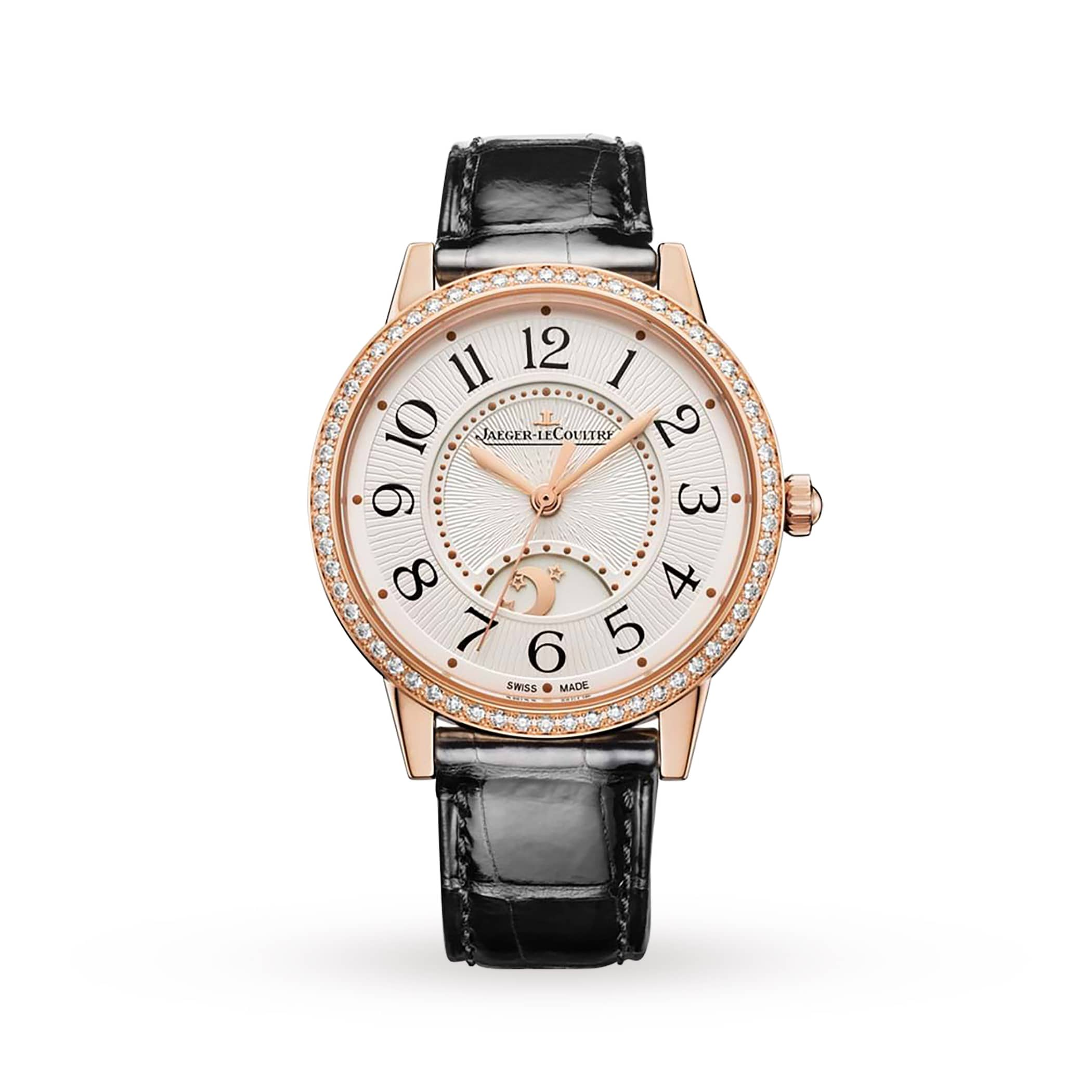 Rendez-Vous Night3 pcs · from 21 188.60 €
Models
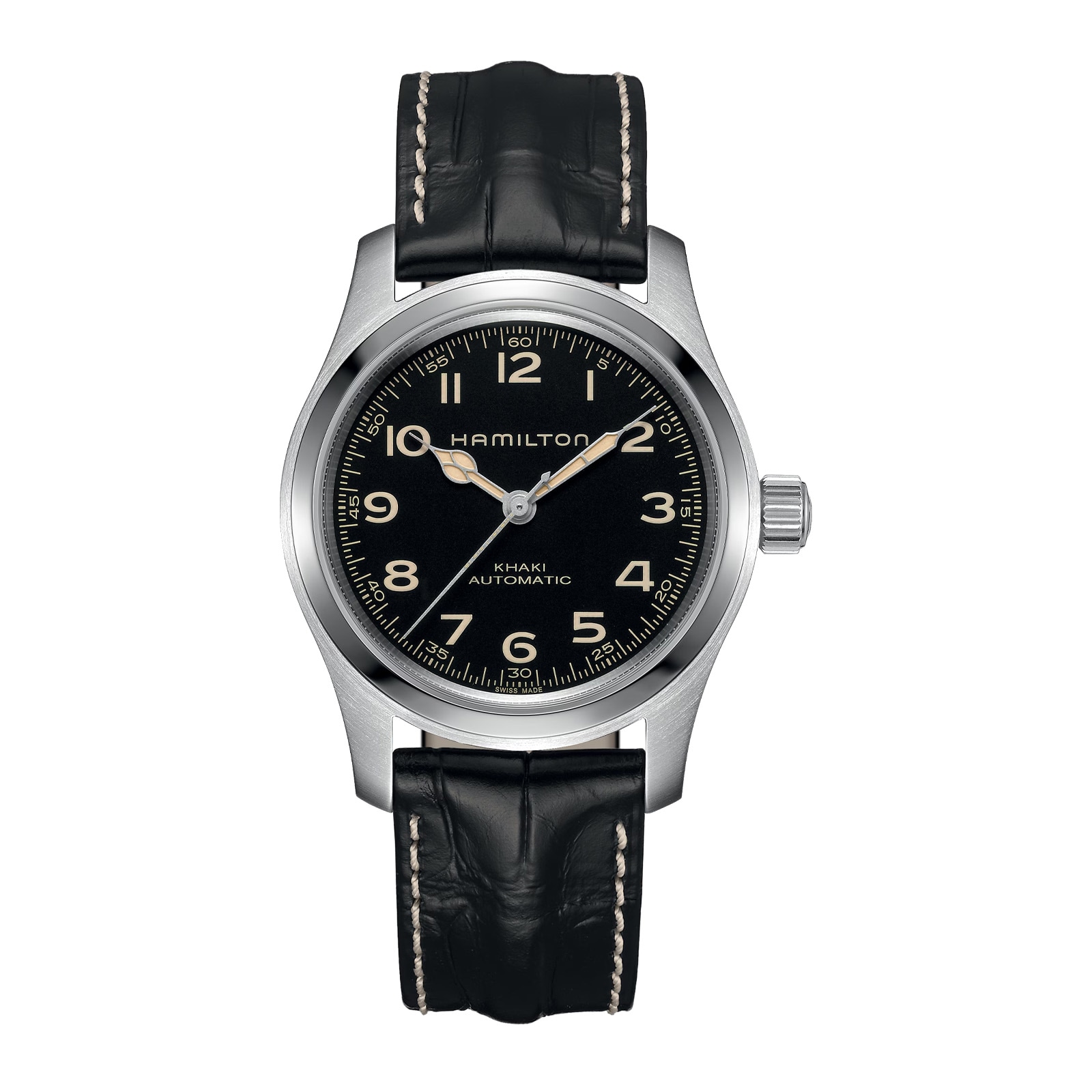 Khaki Field49 pcs · from 533.27 €
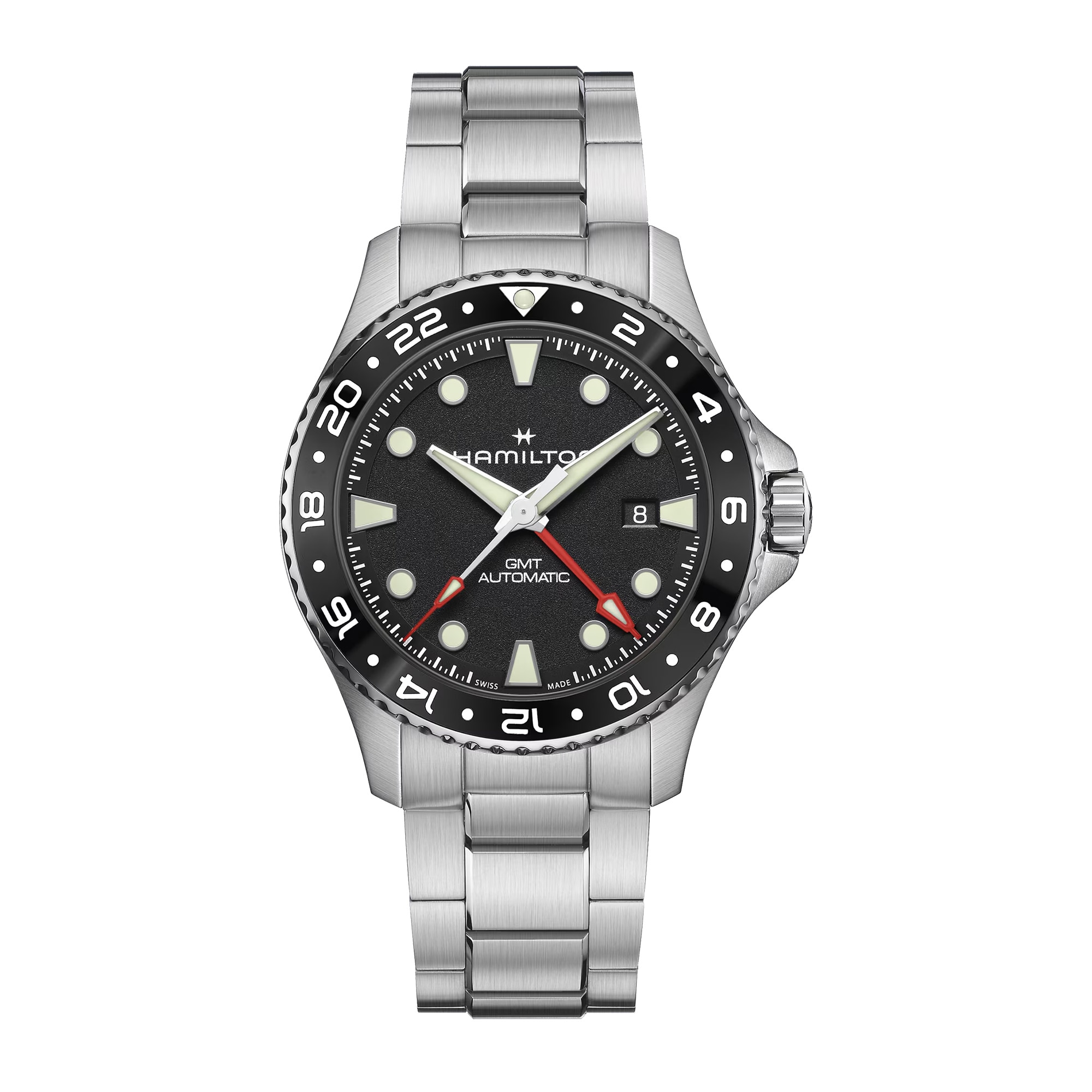 Khaki Navy9 pcs · from 1 123.42 €
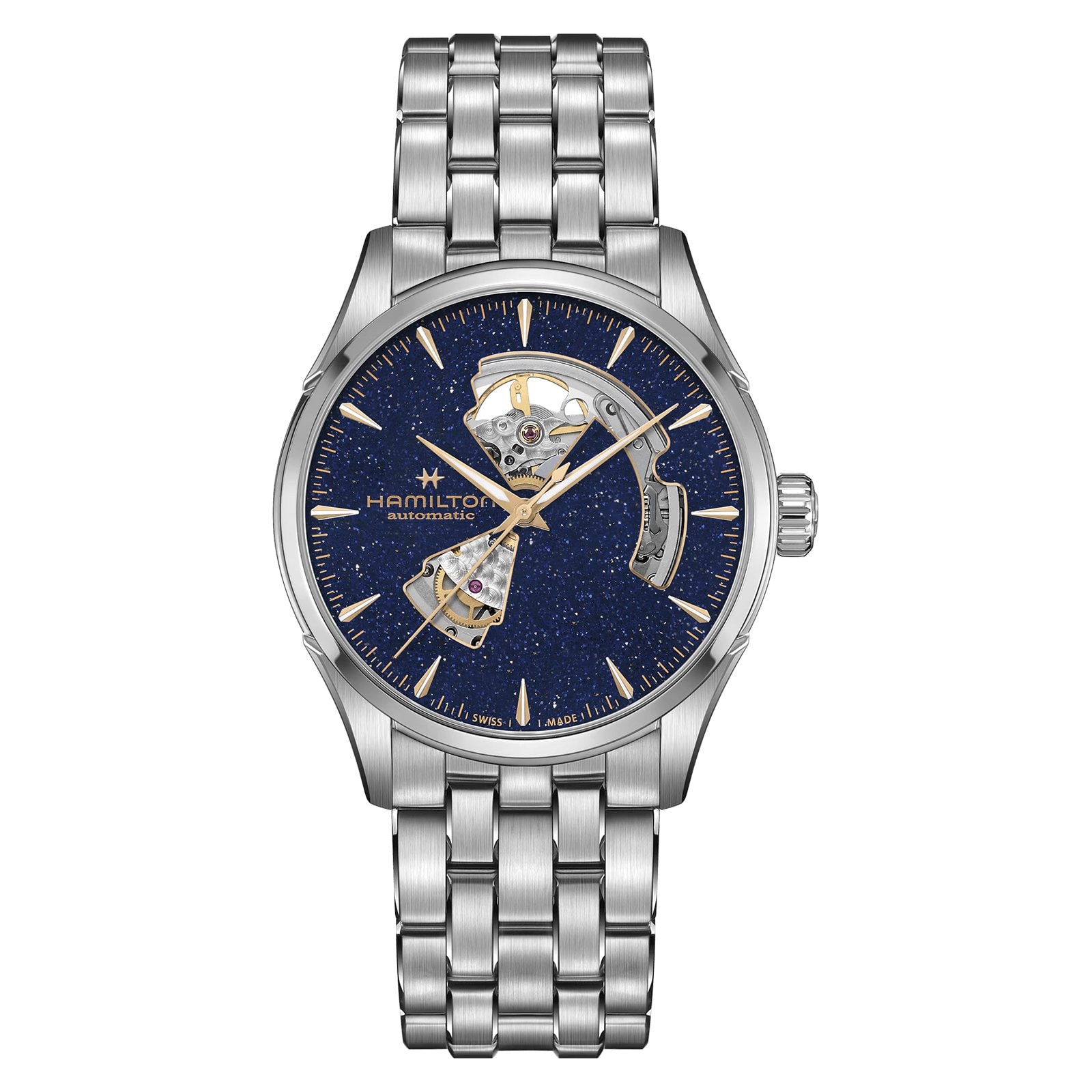 Jazzmaster Open8 pcs · from 1 407.83 €
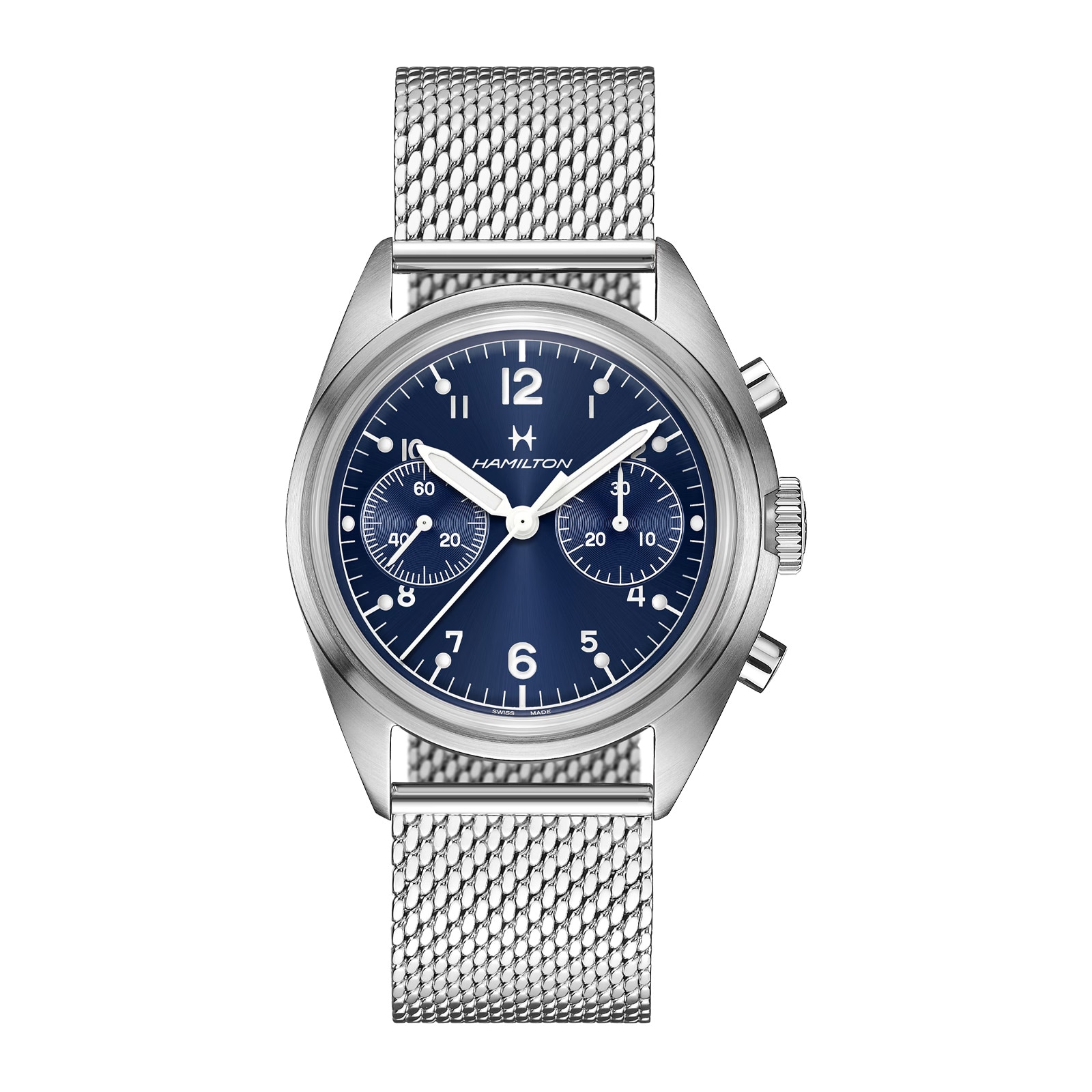 Khaki Aviation7 pcs · from 1 308.29 €
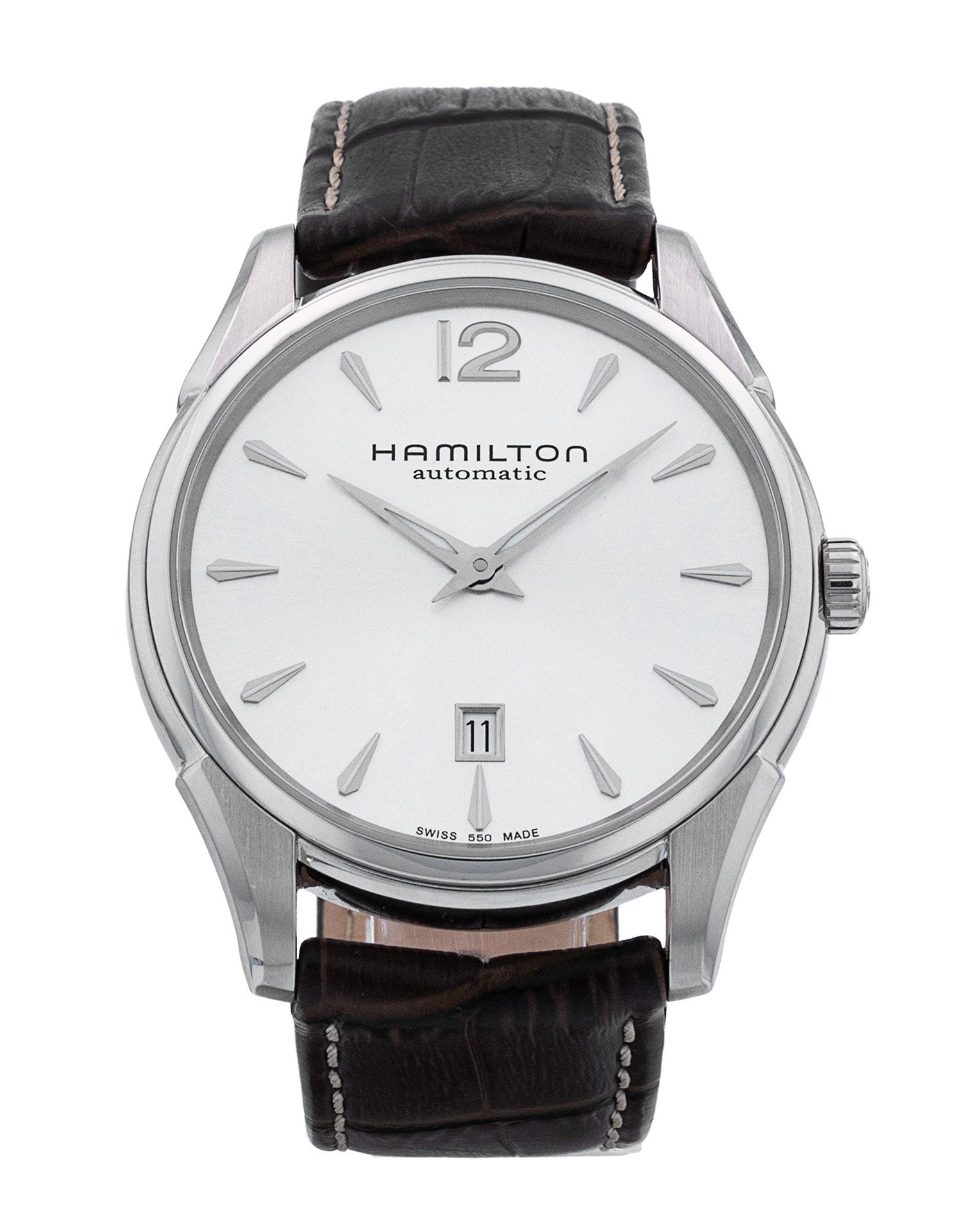 Jazzmaster6 pcs · from 554.60 €
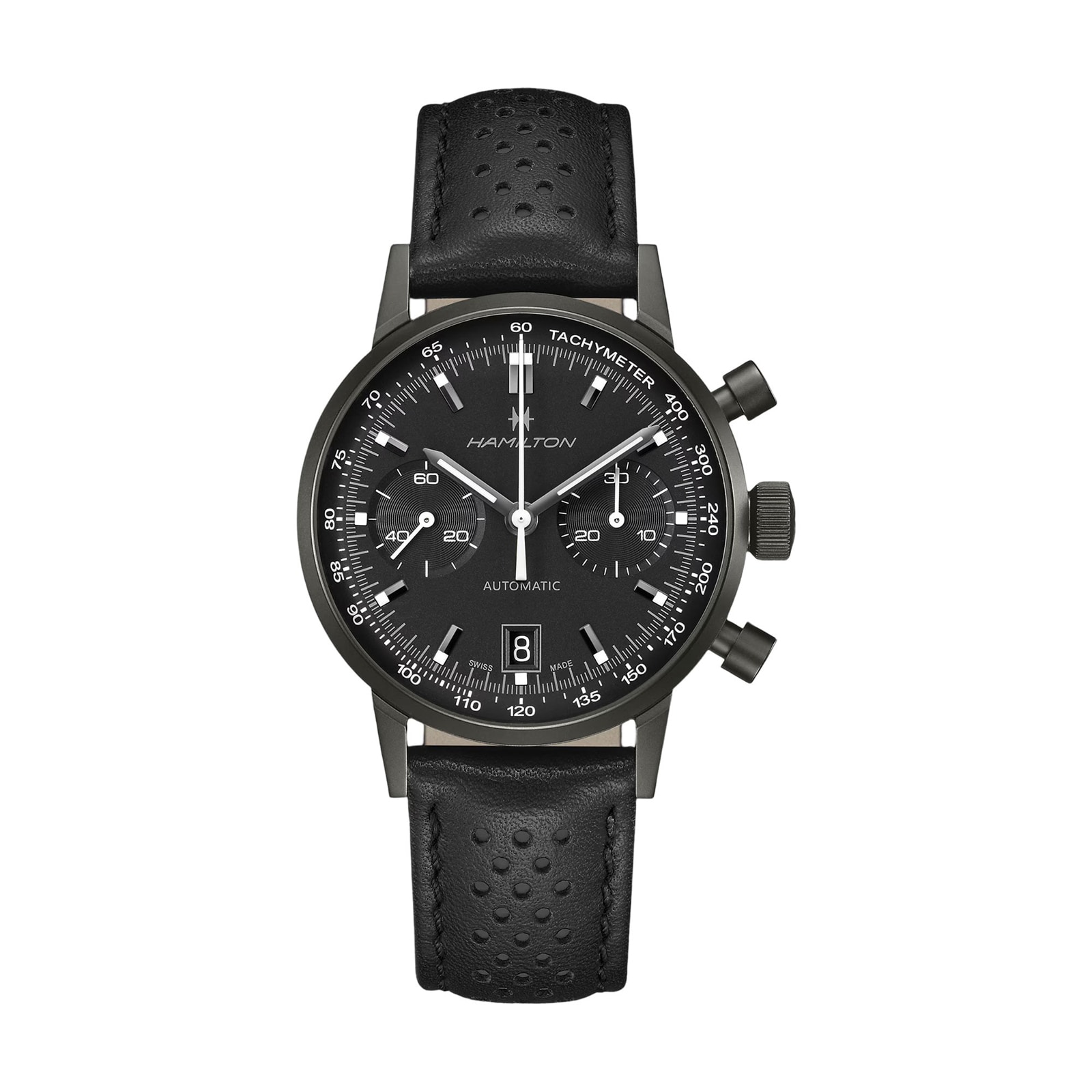 American ClassicIntra-Matic3 pcs · from 3 220.95 €
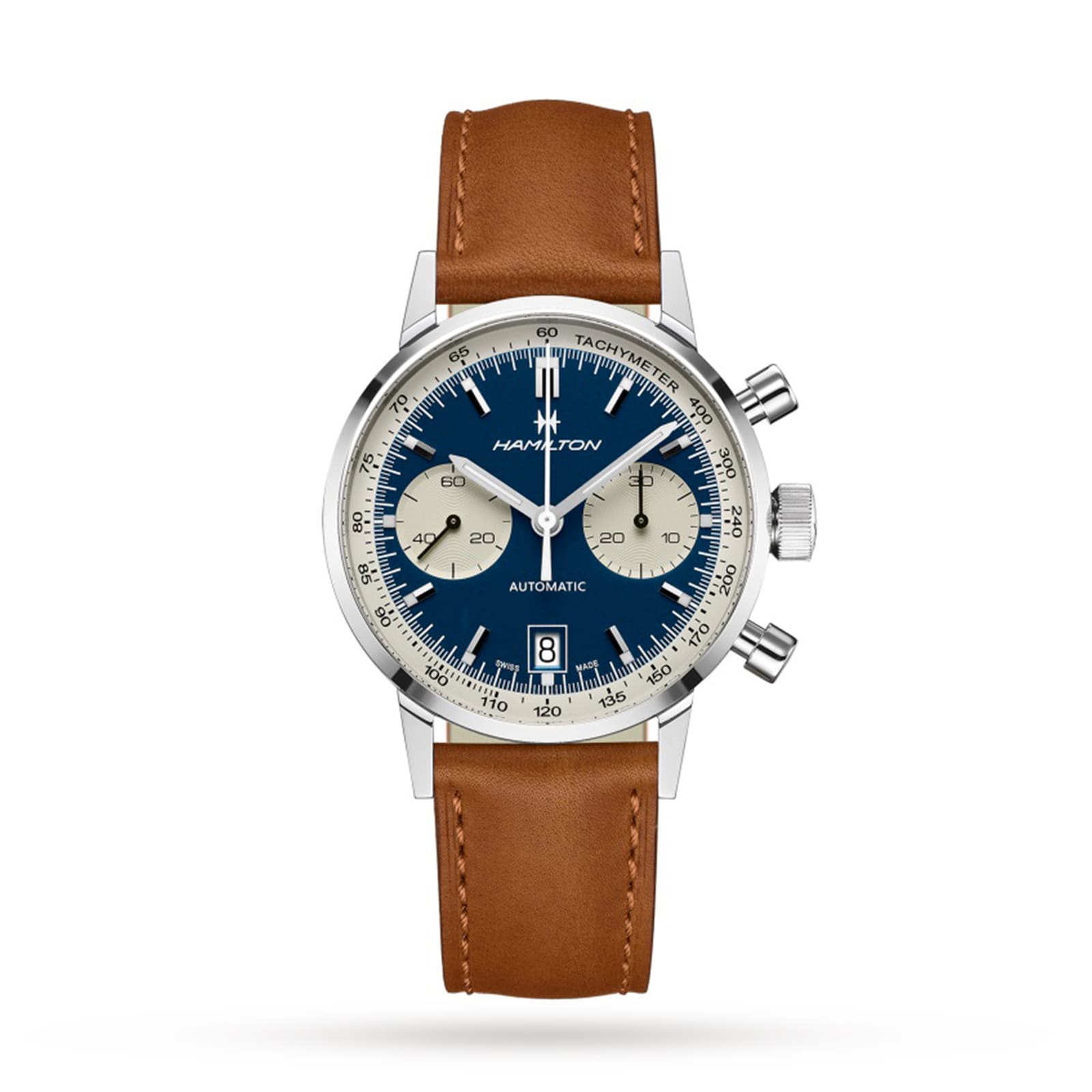 American Classic3 pcs · from 981.22 €
Models
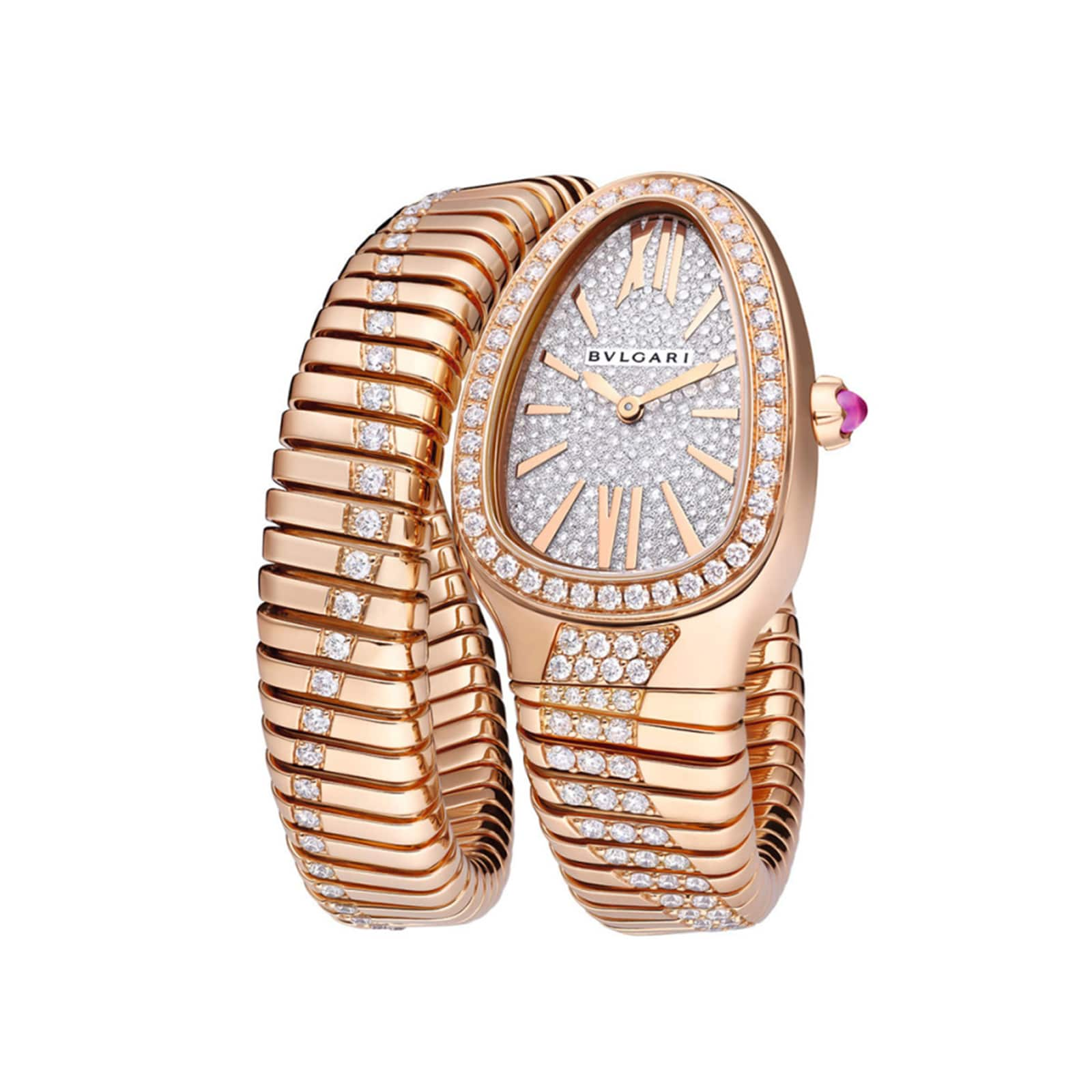 Serpenti Tubogas15 pcs · from 8 461.22 €
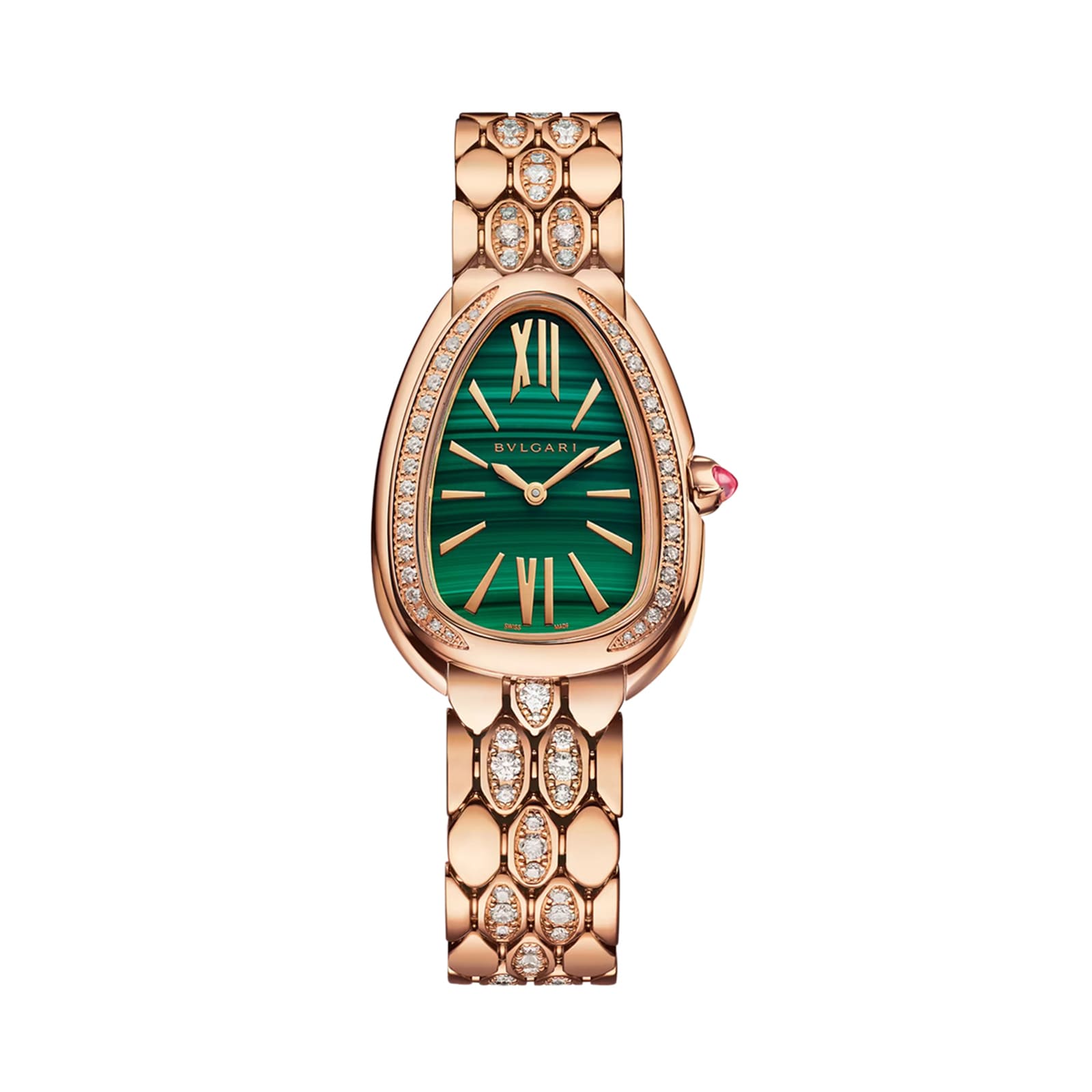 Serpenti Seduttori15 pcs · from 7 394.68 €
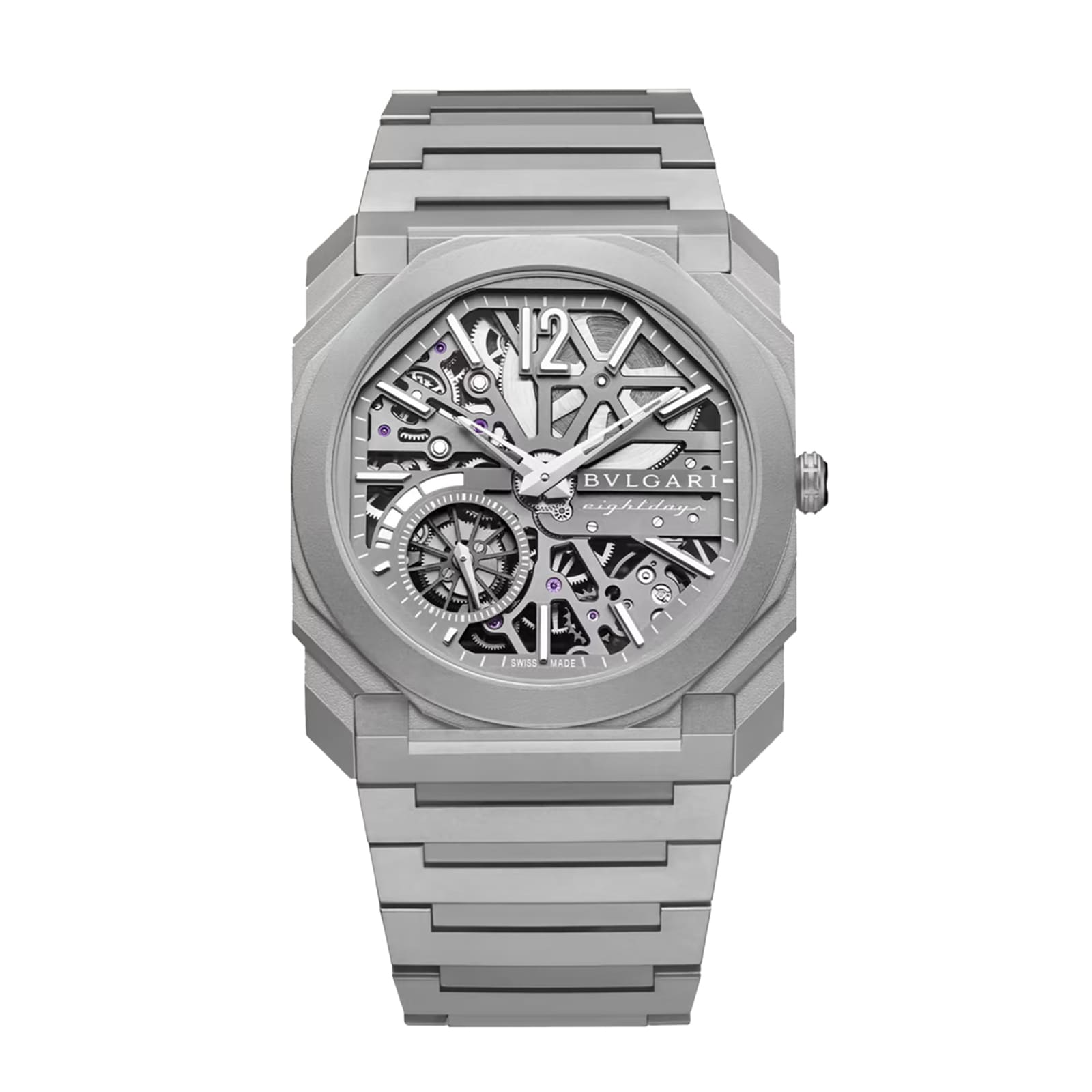 Octo Finissimo11 pcs · from 14 213.43 €
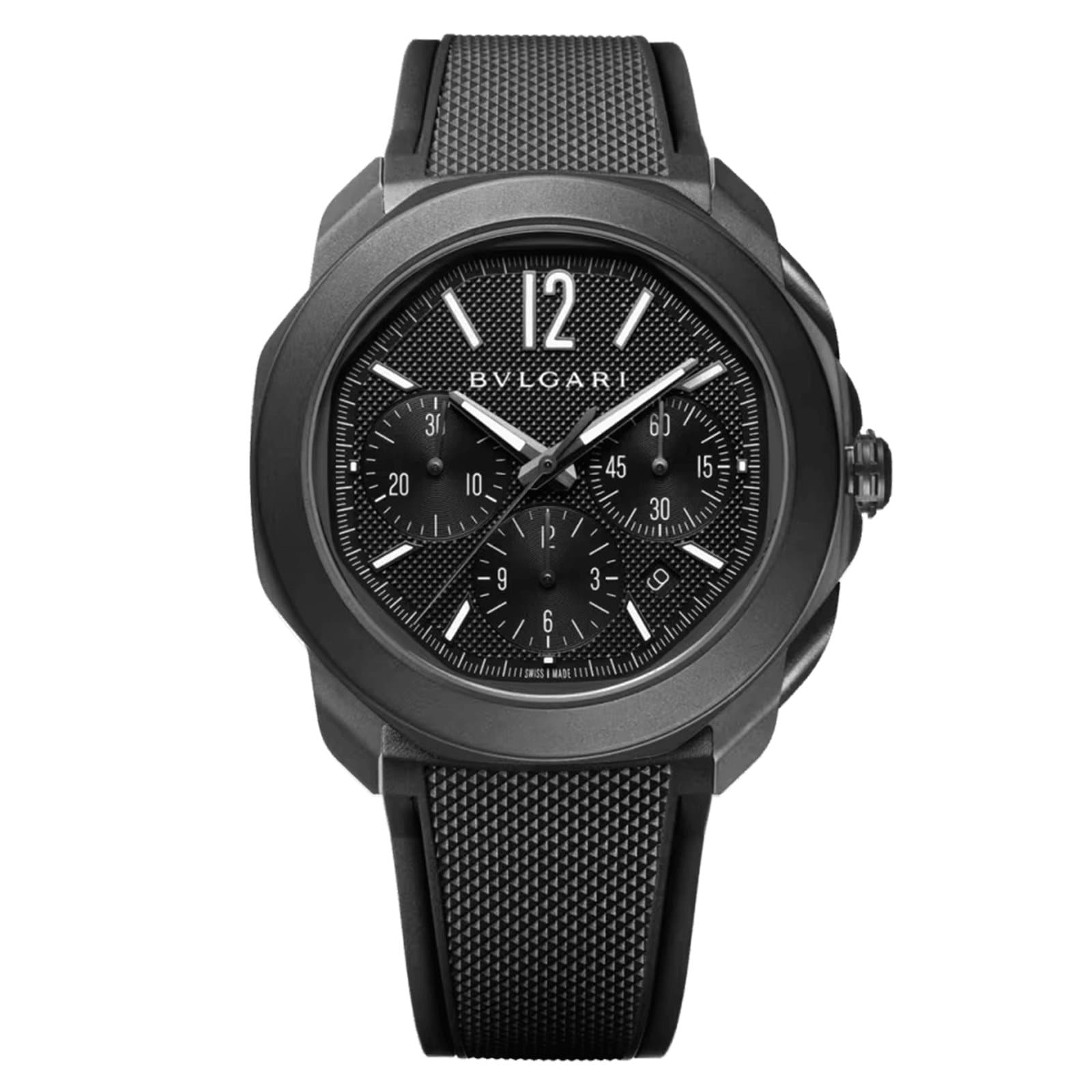 Octo Roma7 pcs · from 9 669.97 €
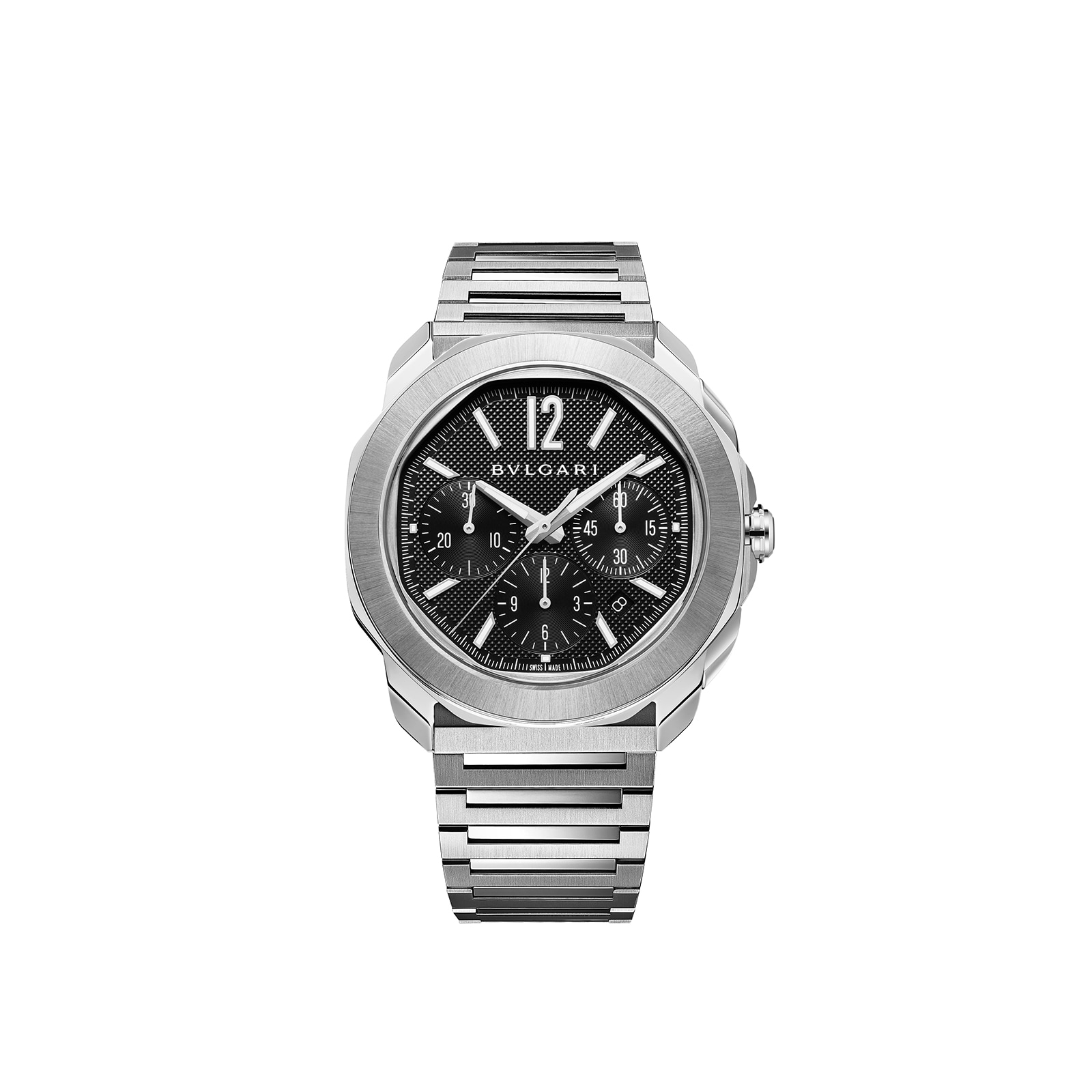 Stainless7 pcs · from 5 275.82 €
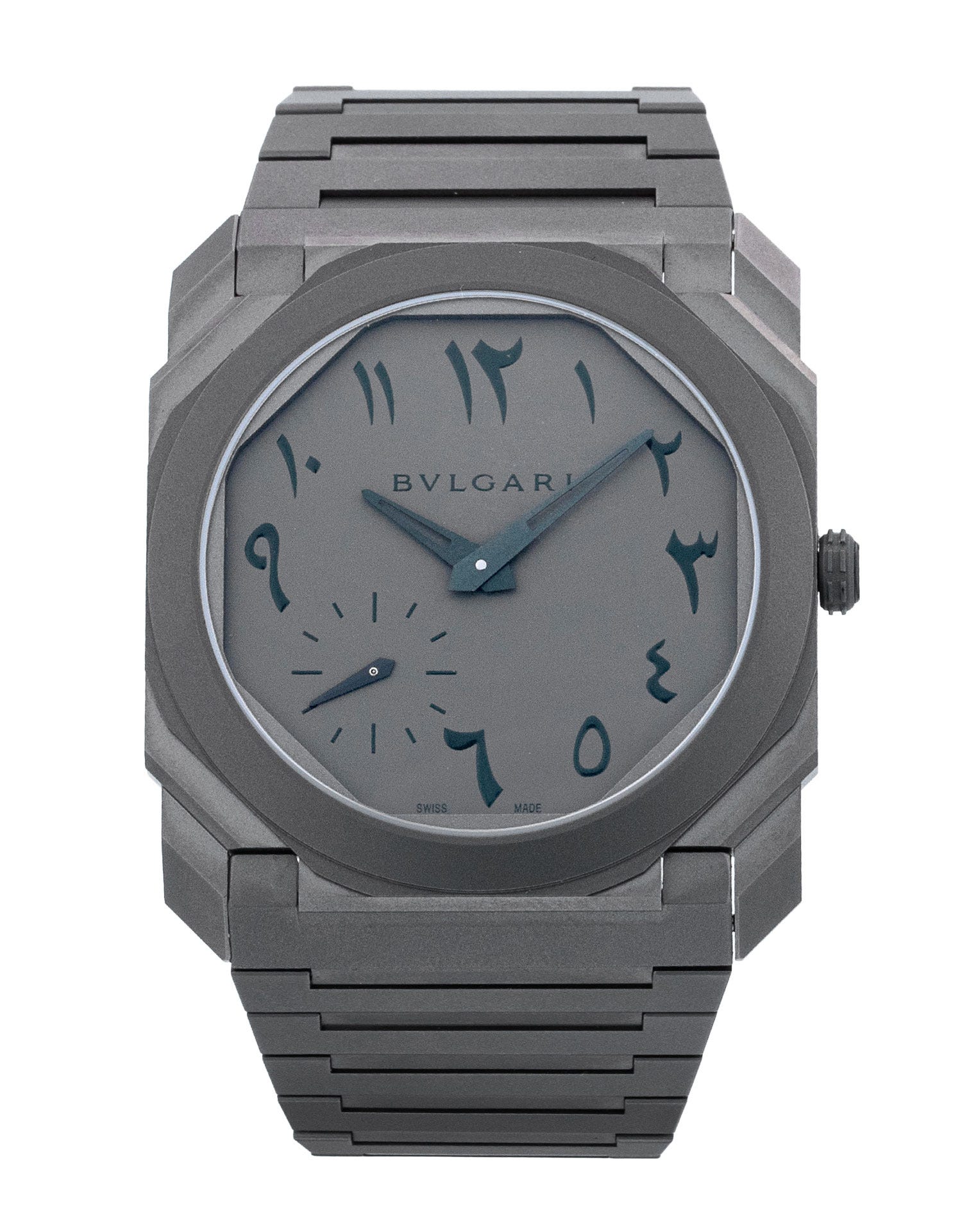 Octo6 pcs · from 4 920.00 €
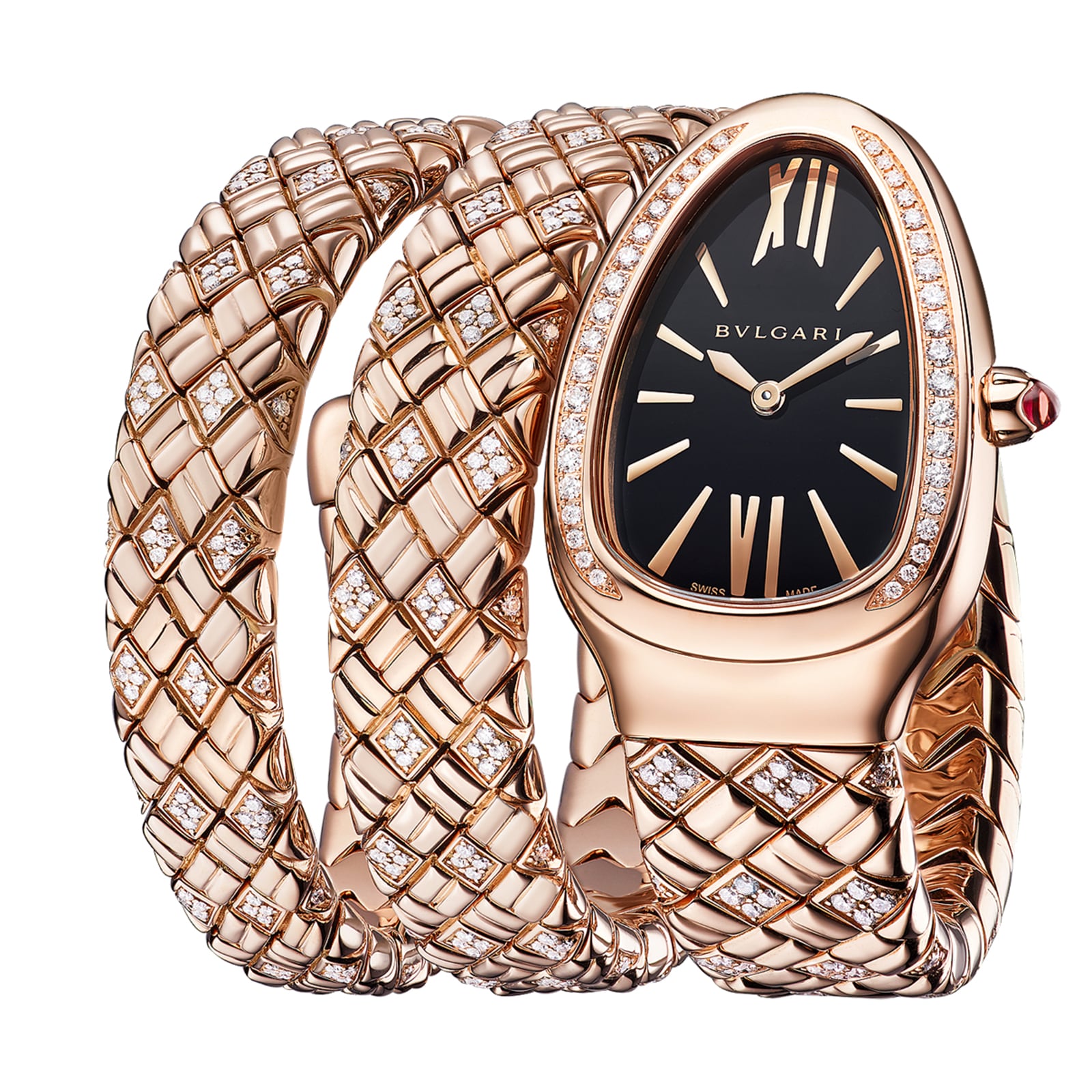 Serpenti Spiga4 pcs · from 17 206.85 €
Models
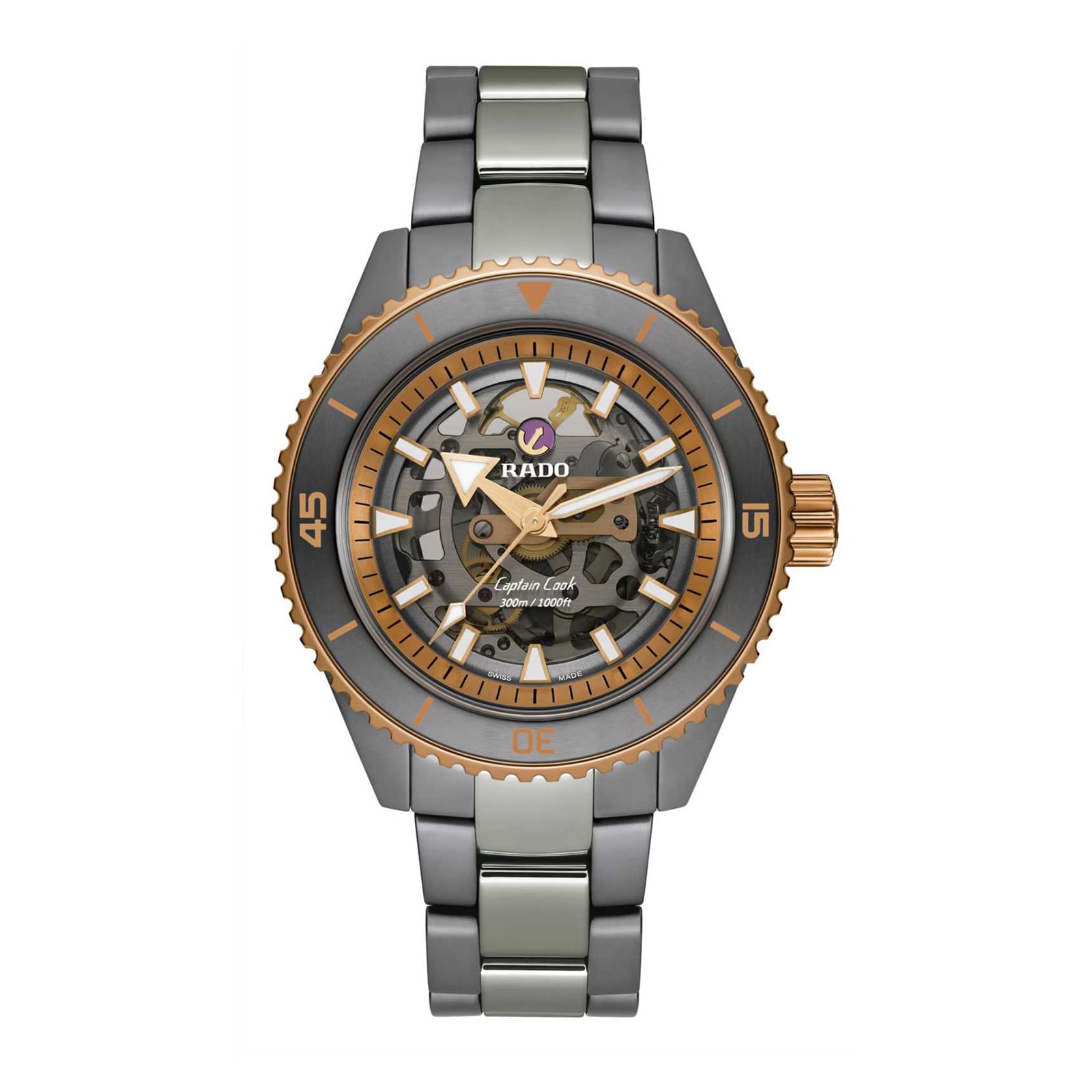 Captain Cook19 pcs · from 2 346.39 €
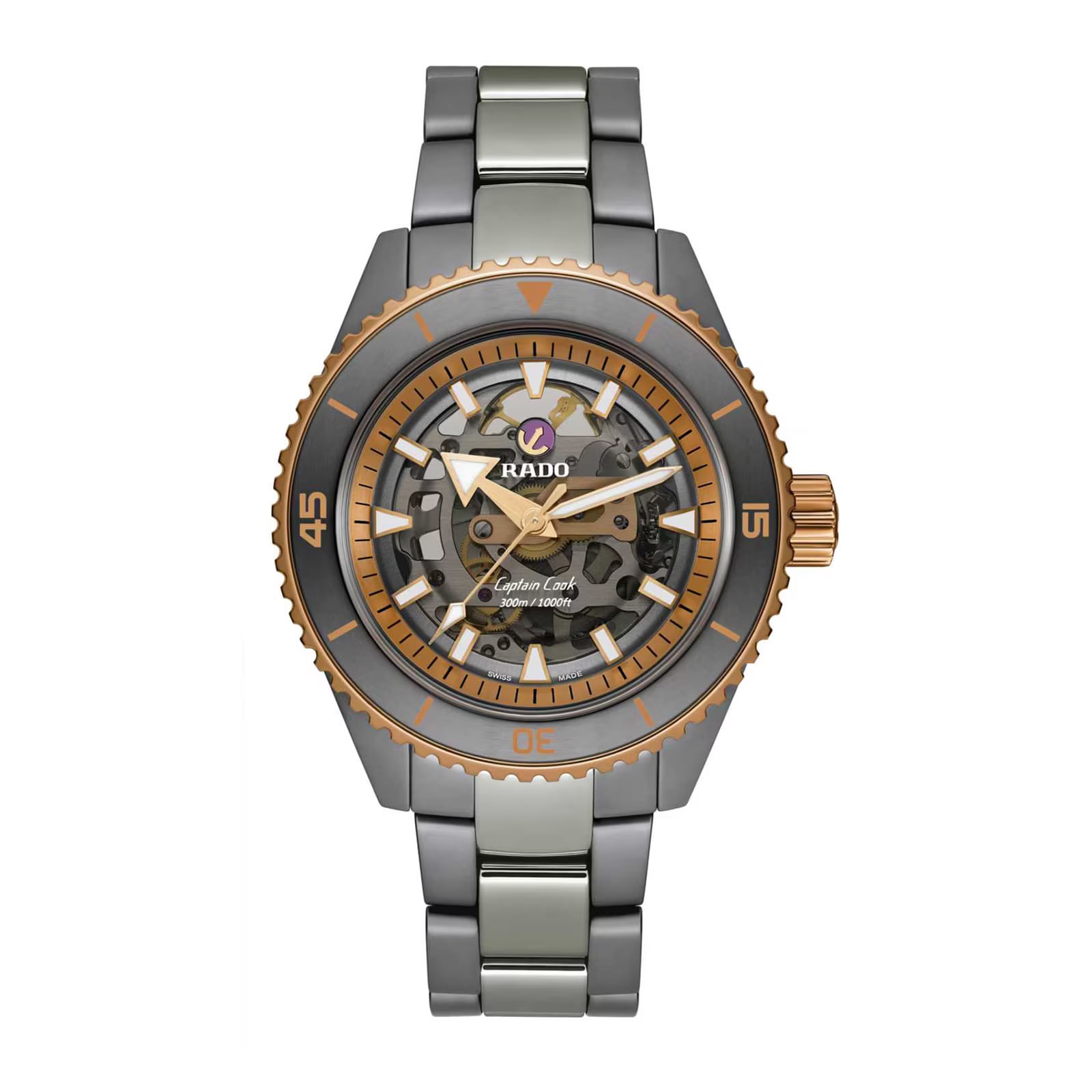 Rado Captain9 pcs · from 2 915.21 €
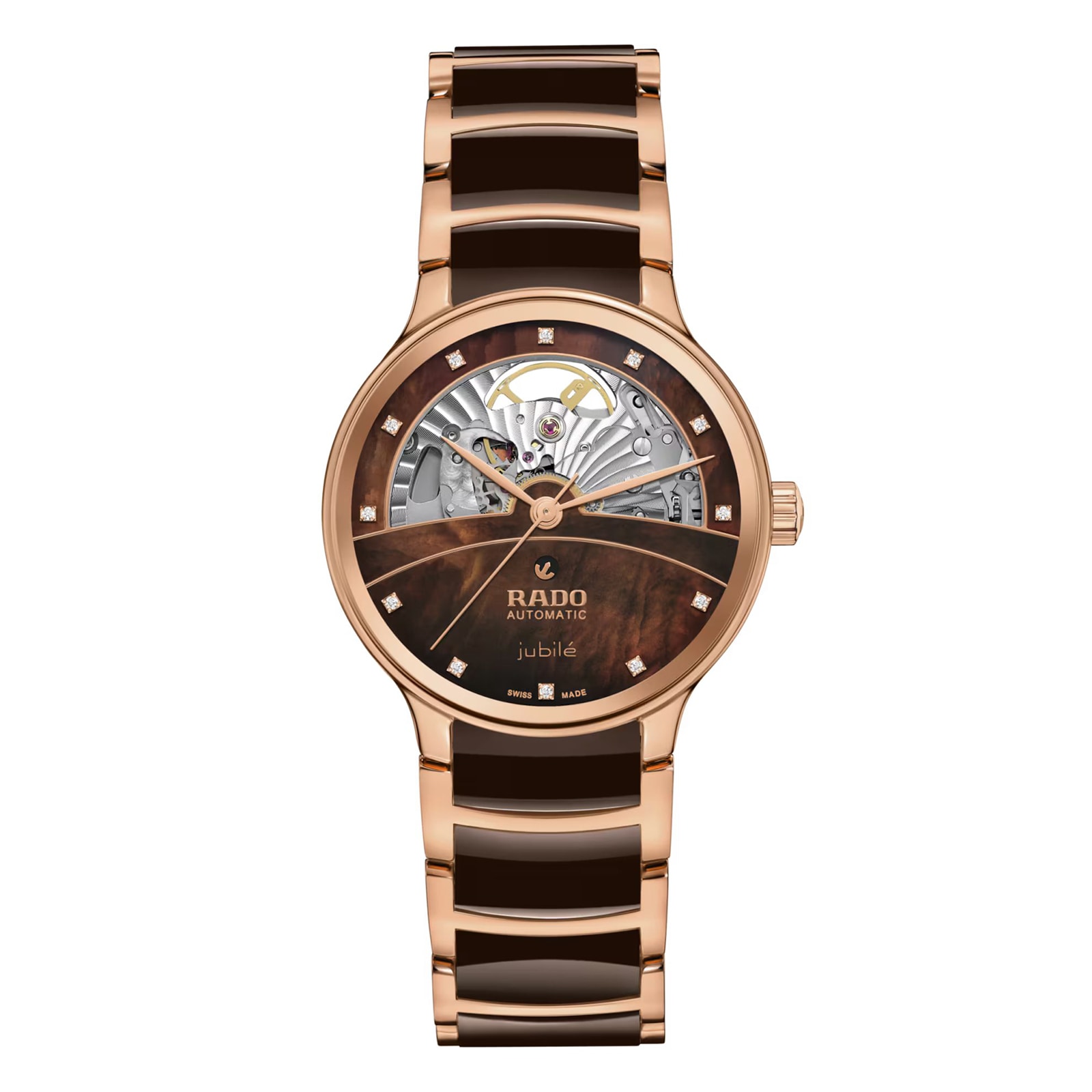 Centrix8 pcs · from 1 350.95 €
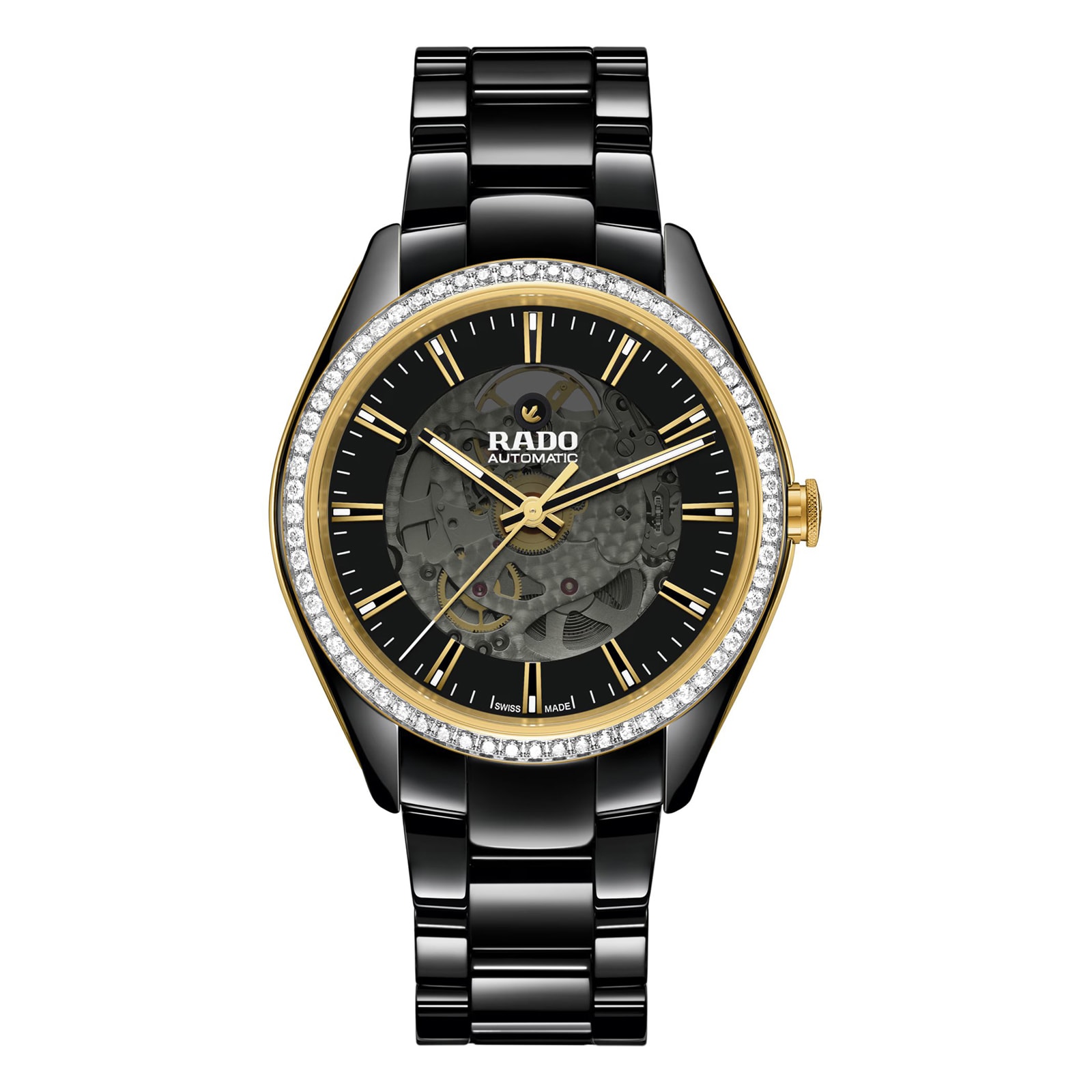 HyperChrome7 pcs · from 1 919.77 €
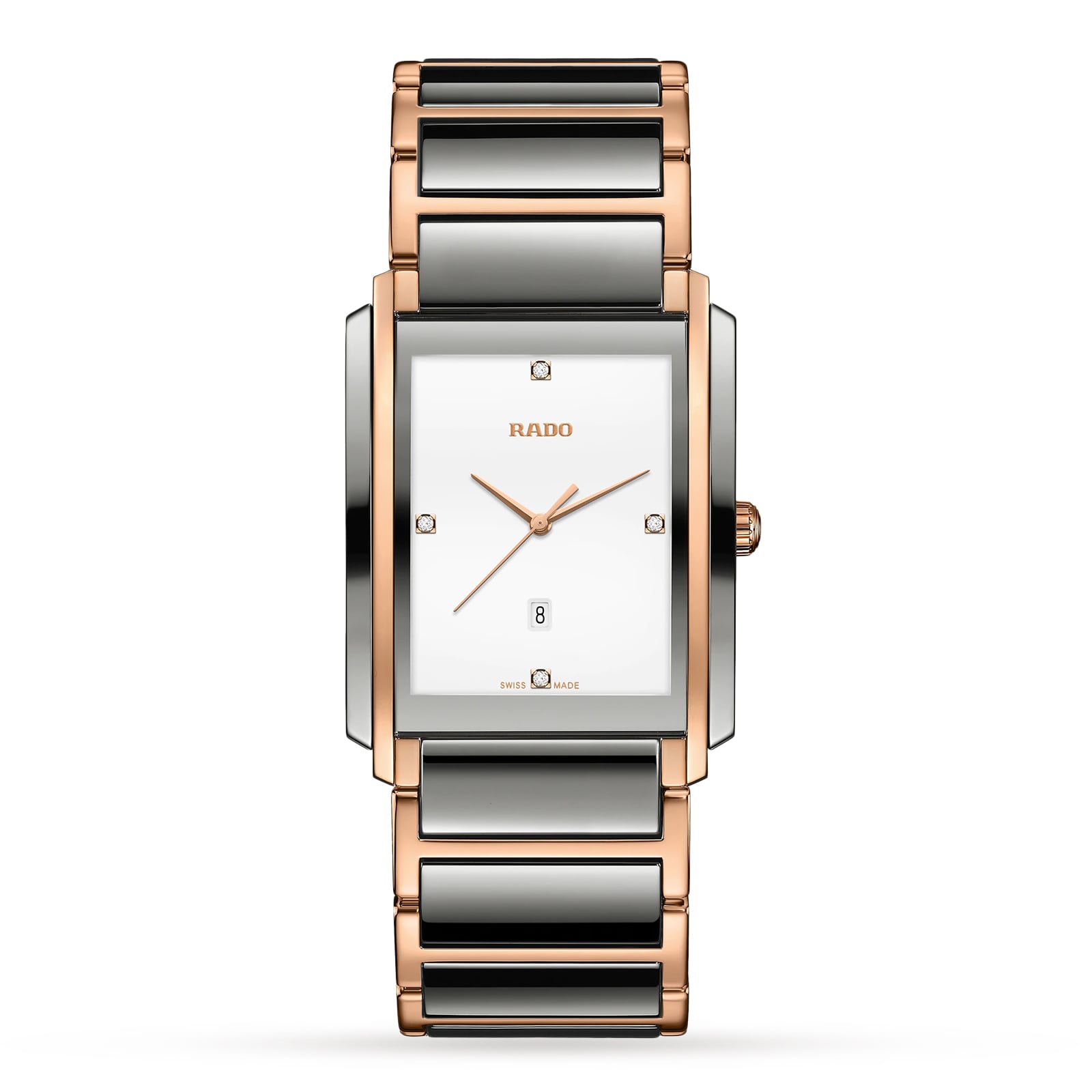 Integral Diamonds6 pcs · from 3 199.62 €
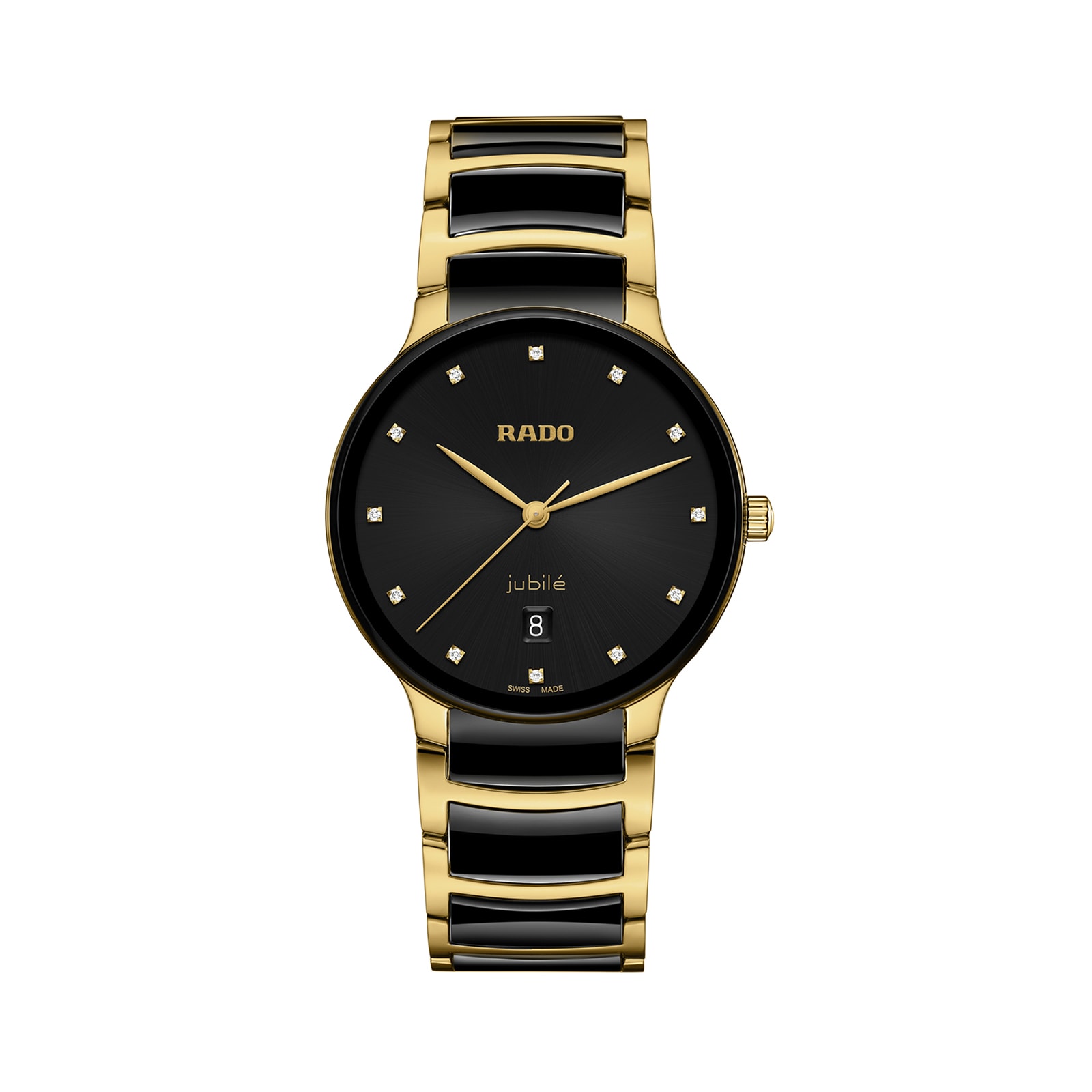 Centrix Diamonds6 pcs · from 2 417.49 €
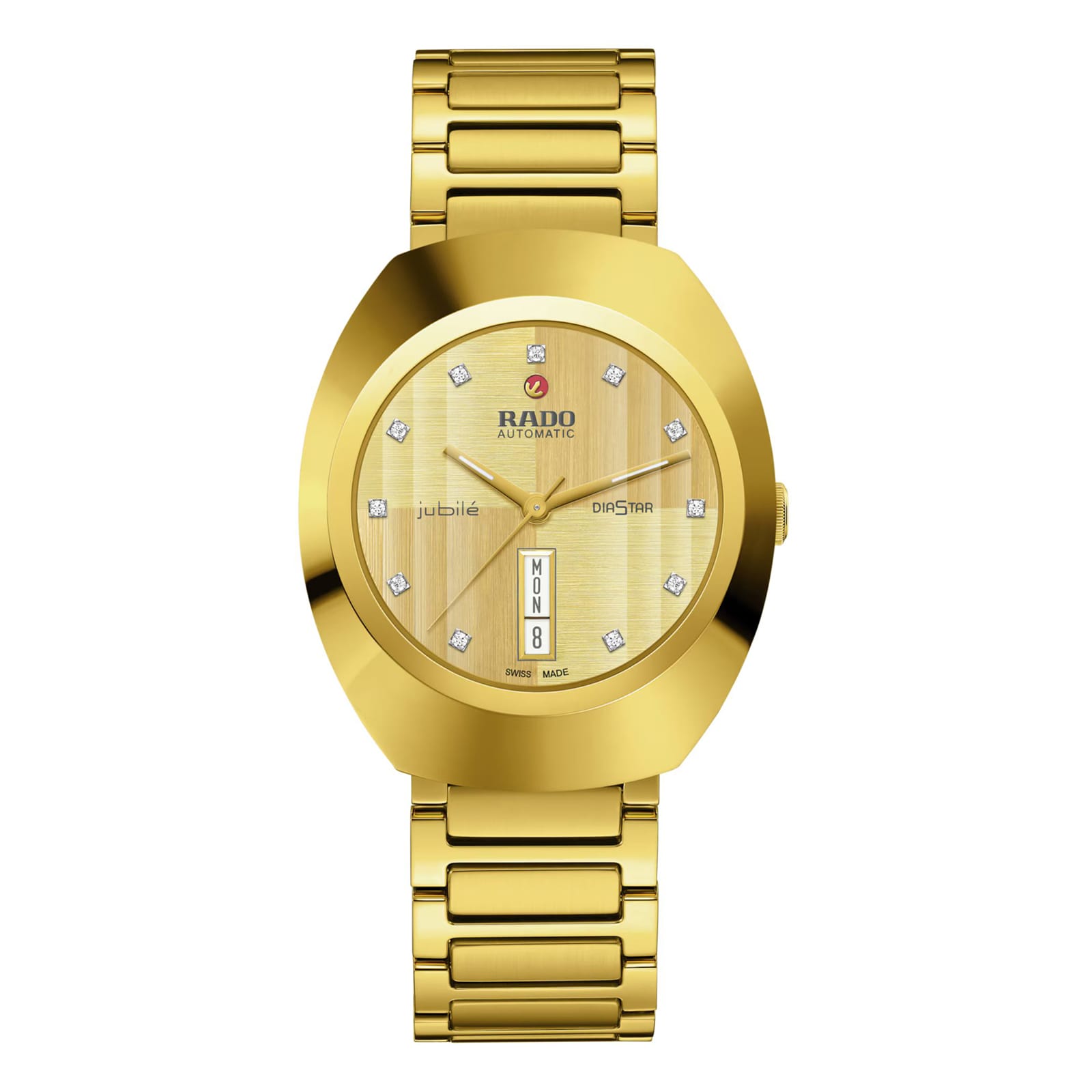 DiaStar Original5 pcs · from 2 133.08 €
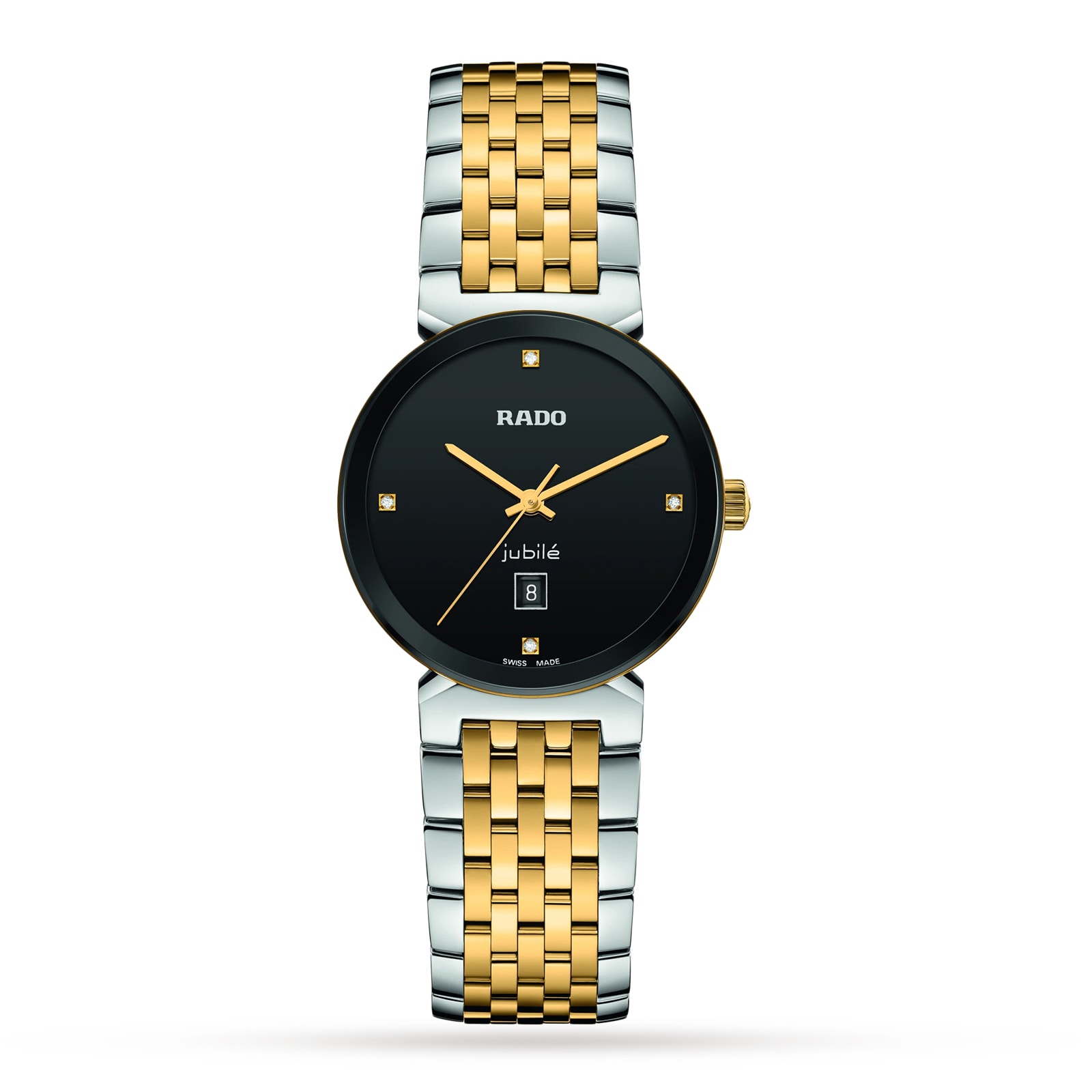 Florence5 pcs · from 1 194.53 €
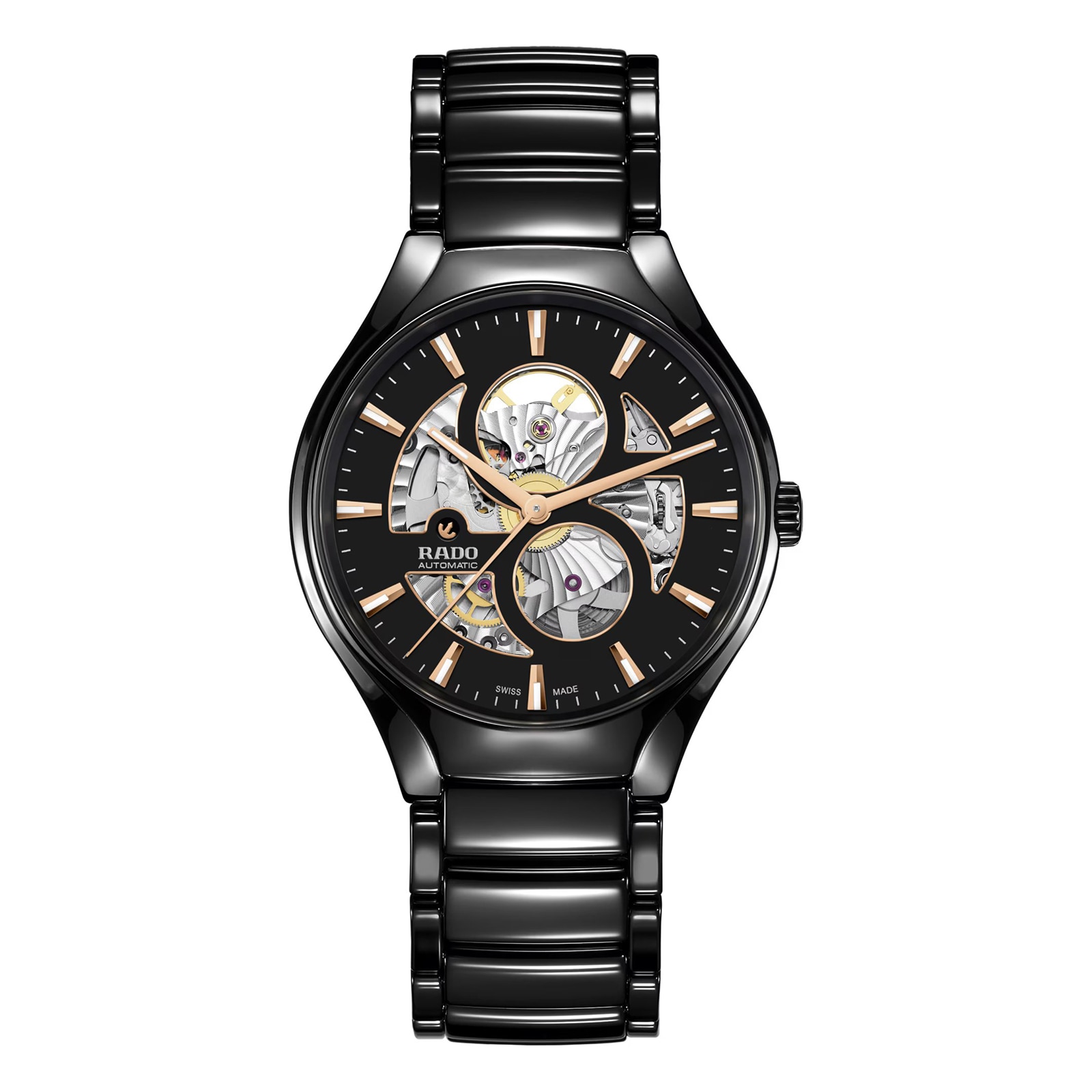 True Round4 pcs · from 1 635.36 €
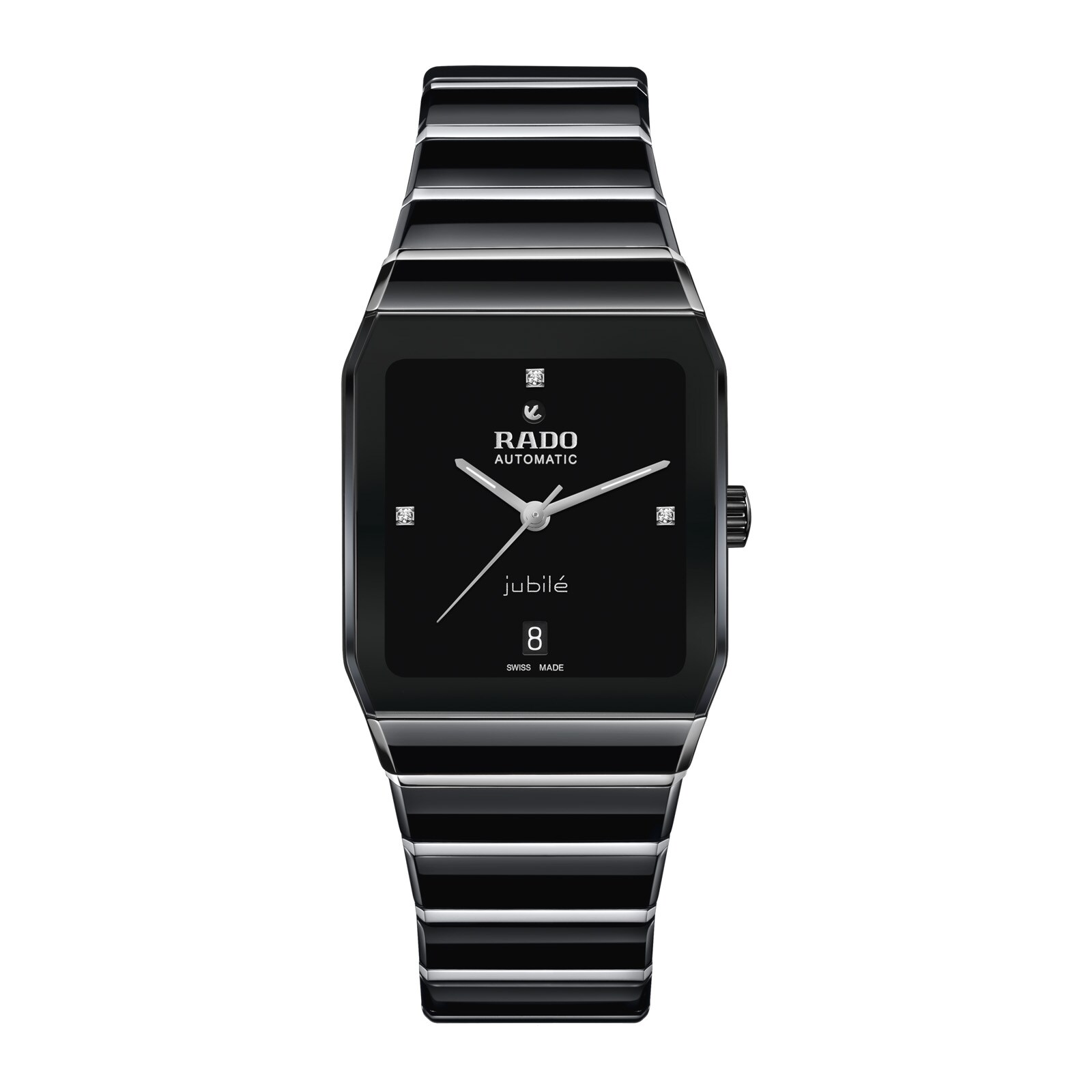 Anatom3 pcs · from 5 403.81 €
Models
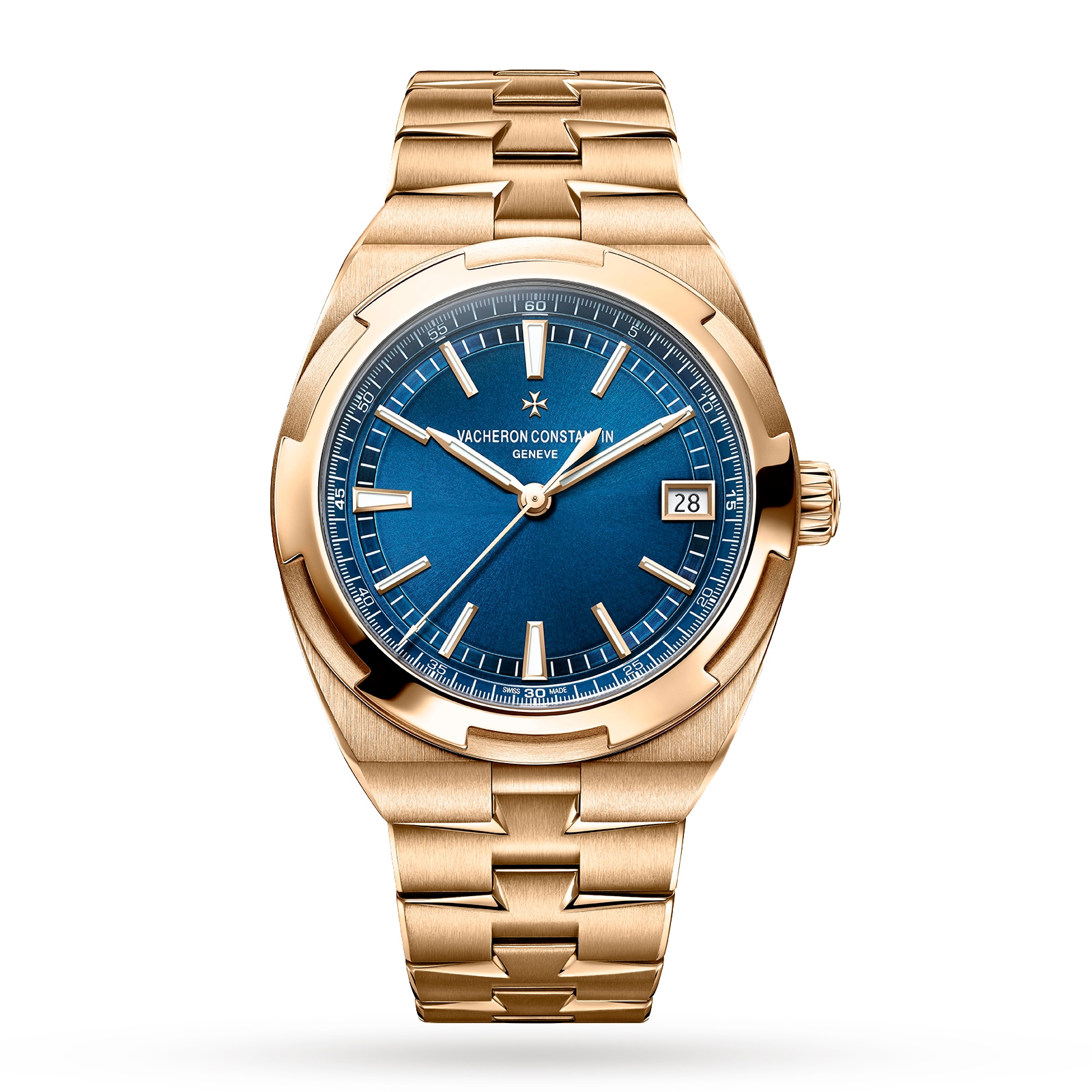 Overseas12 pcs · from 17 700.00 €
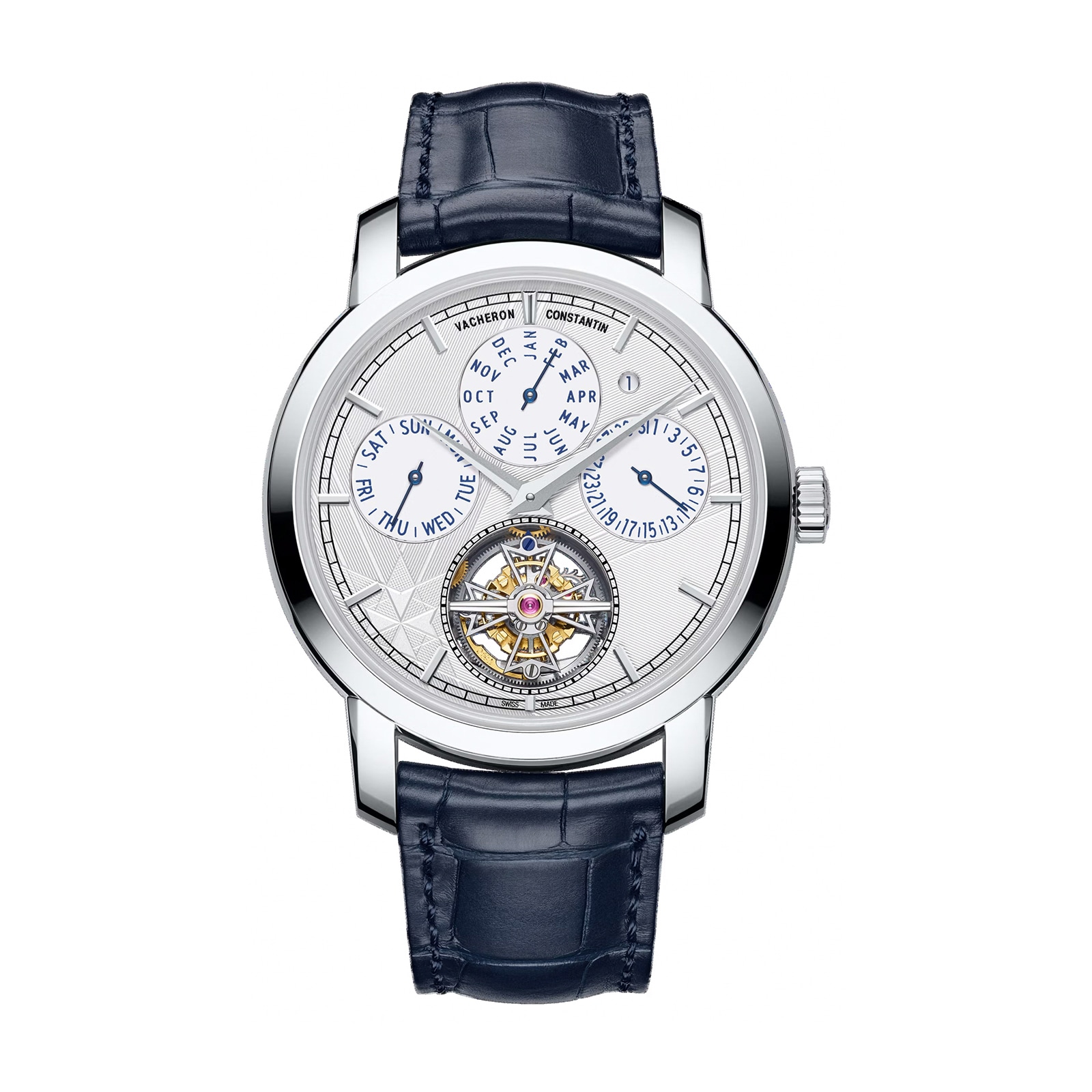 Traditionnelle Tourbillon7 pcs · from 213 308.10 €
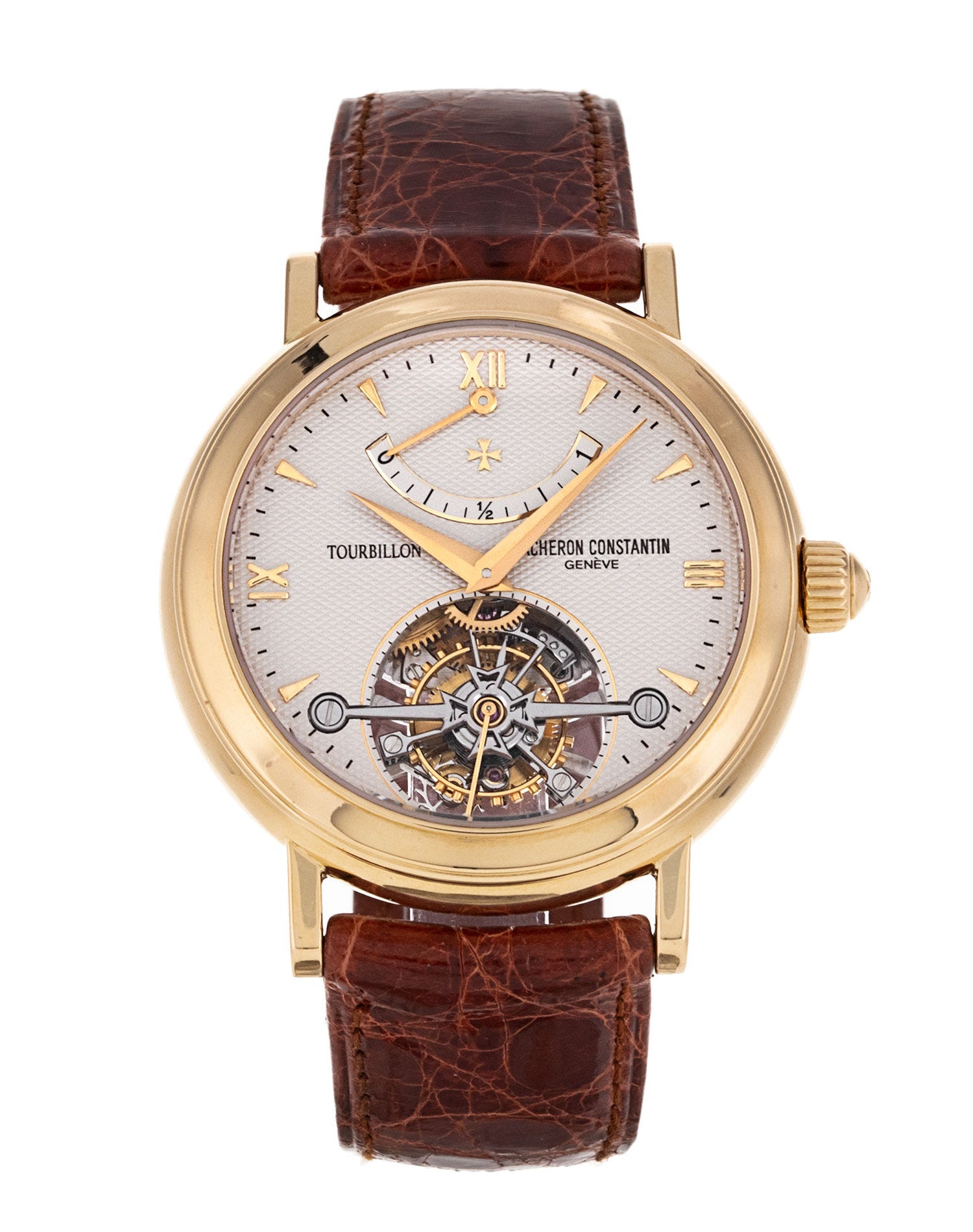 Patrimony6 pcs · from 21 168.00 €
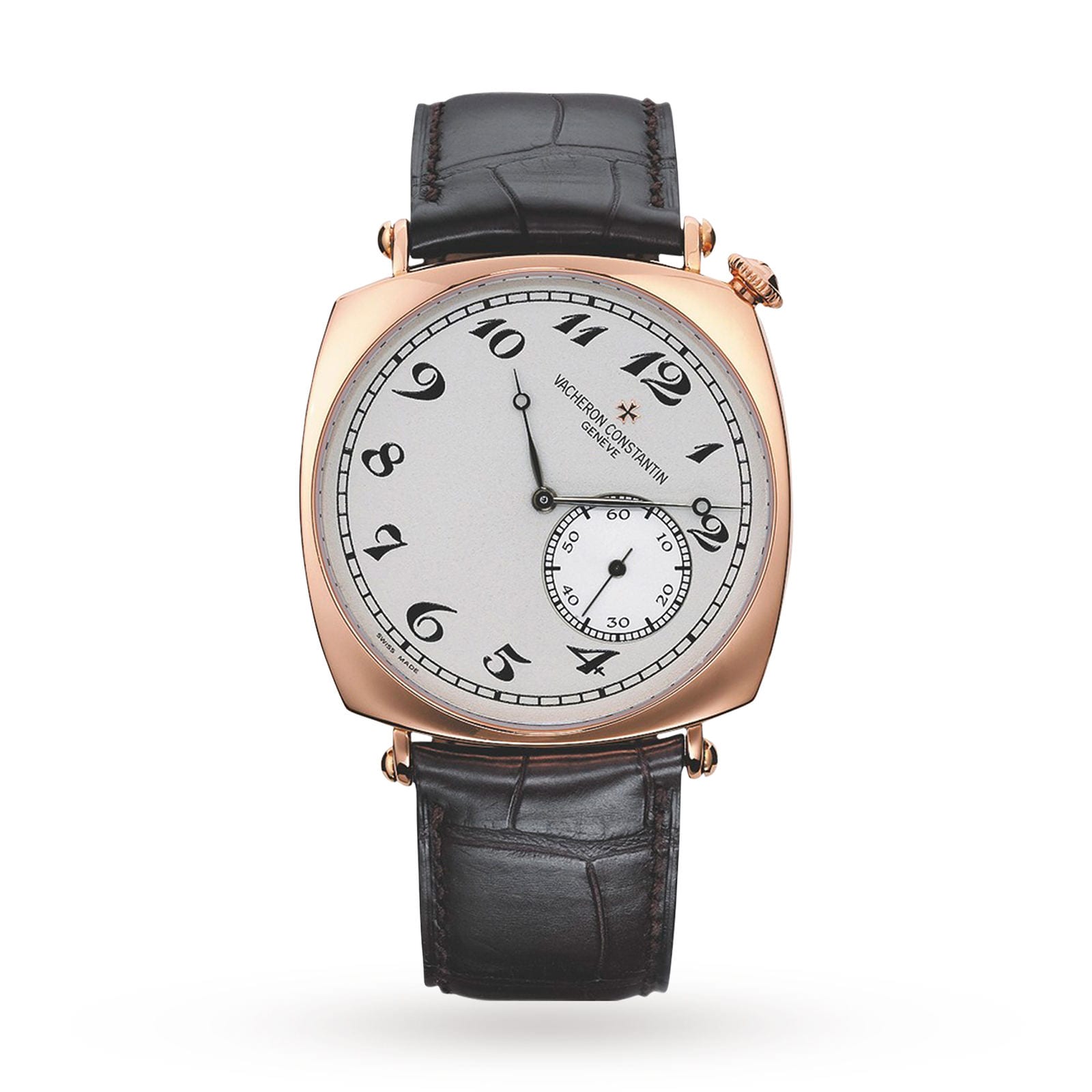 Historiques American5 pcs · from 41 168.46 €
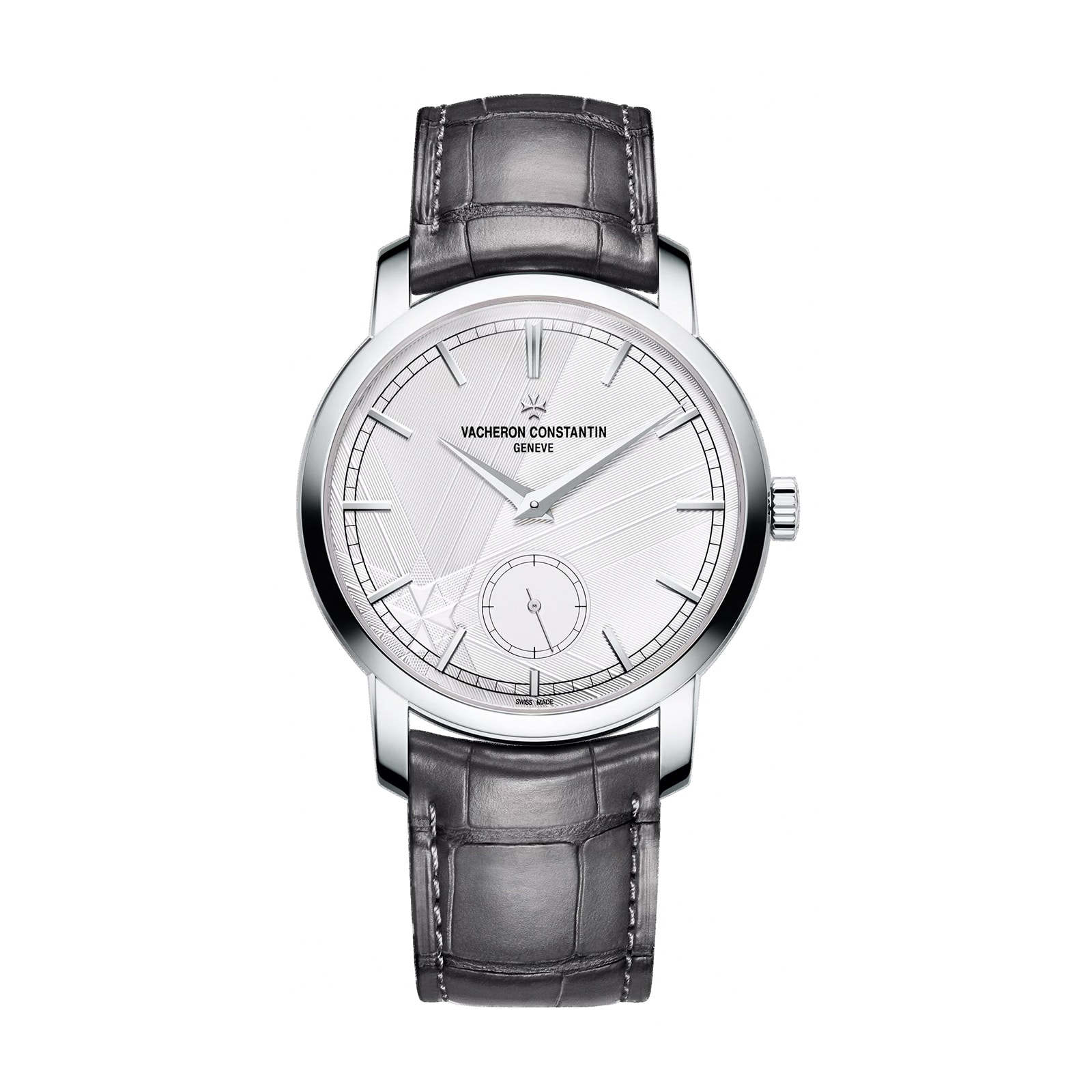 Traditionnelle5 pcs · from 23 534.99 €
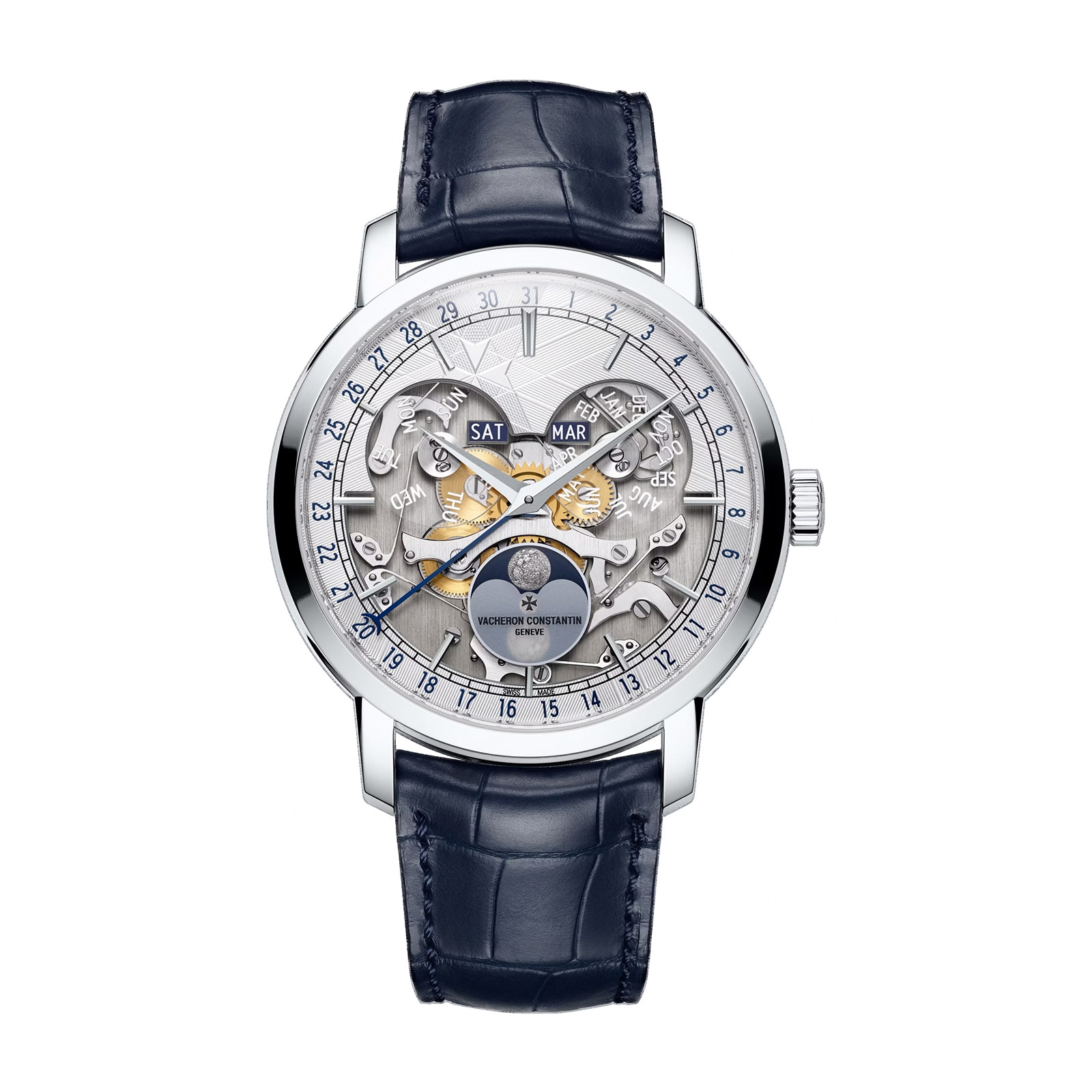 Traditionnelle Complete4 pcs · from 67 831.98 €
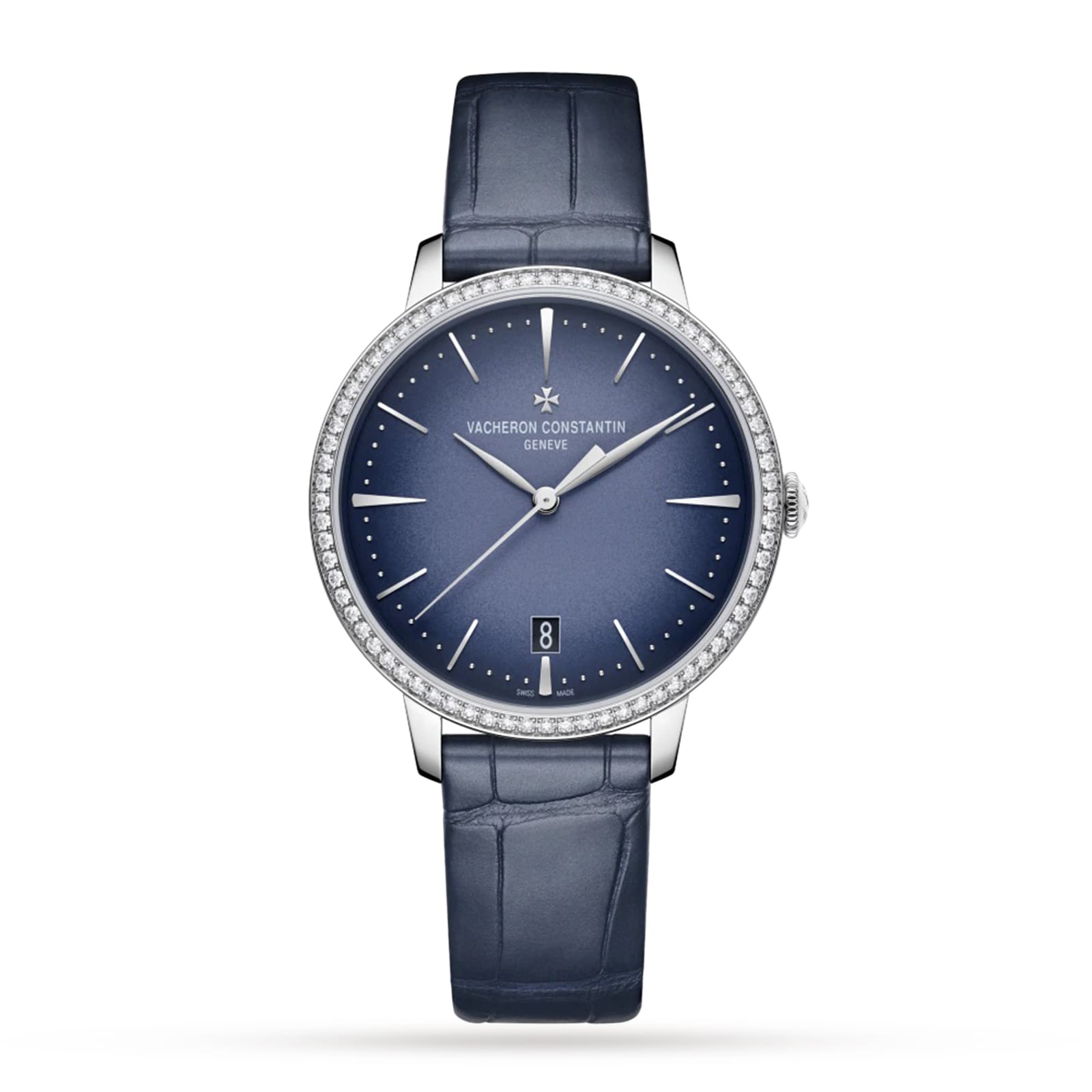 Patrimony Self-Winding4 pcs · from 41 239.57 €
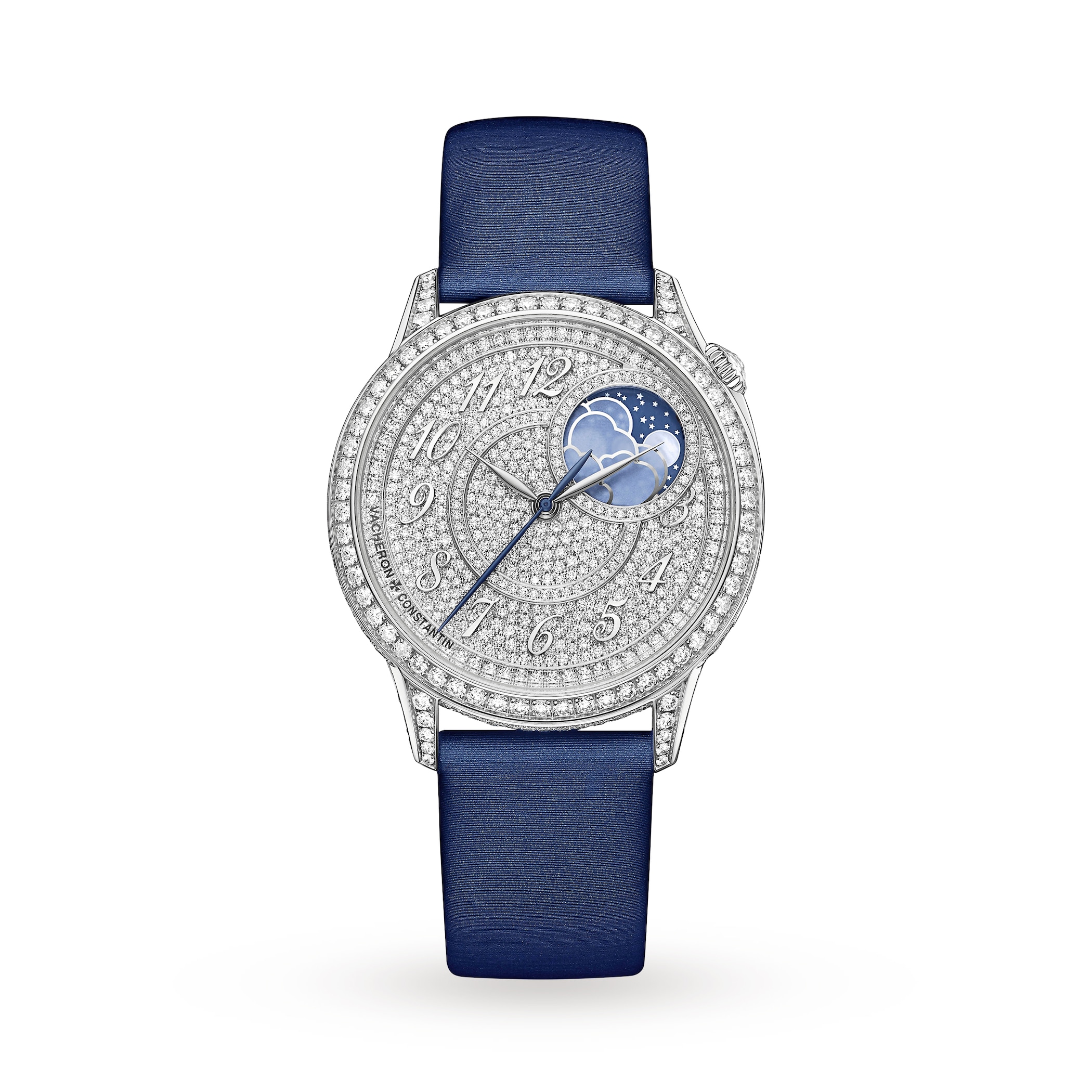 Egerie Moon3 pcs · from 40 386.33 €
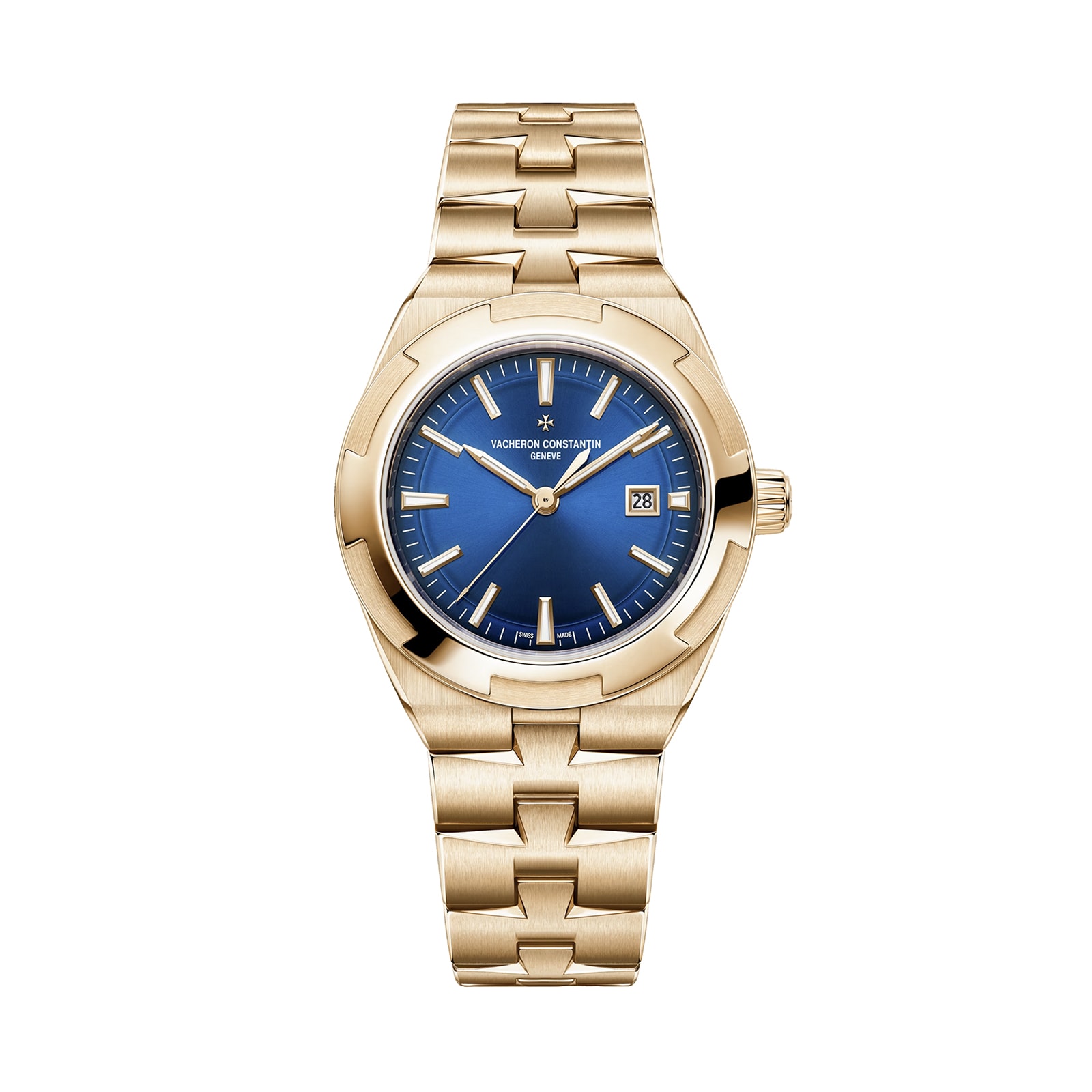 Overseas Self-Winding3 pcs · from 36 262.38 €
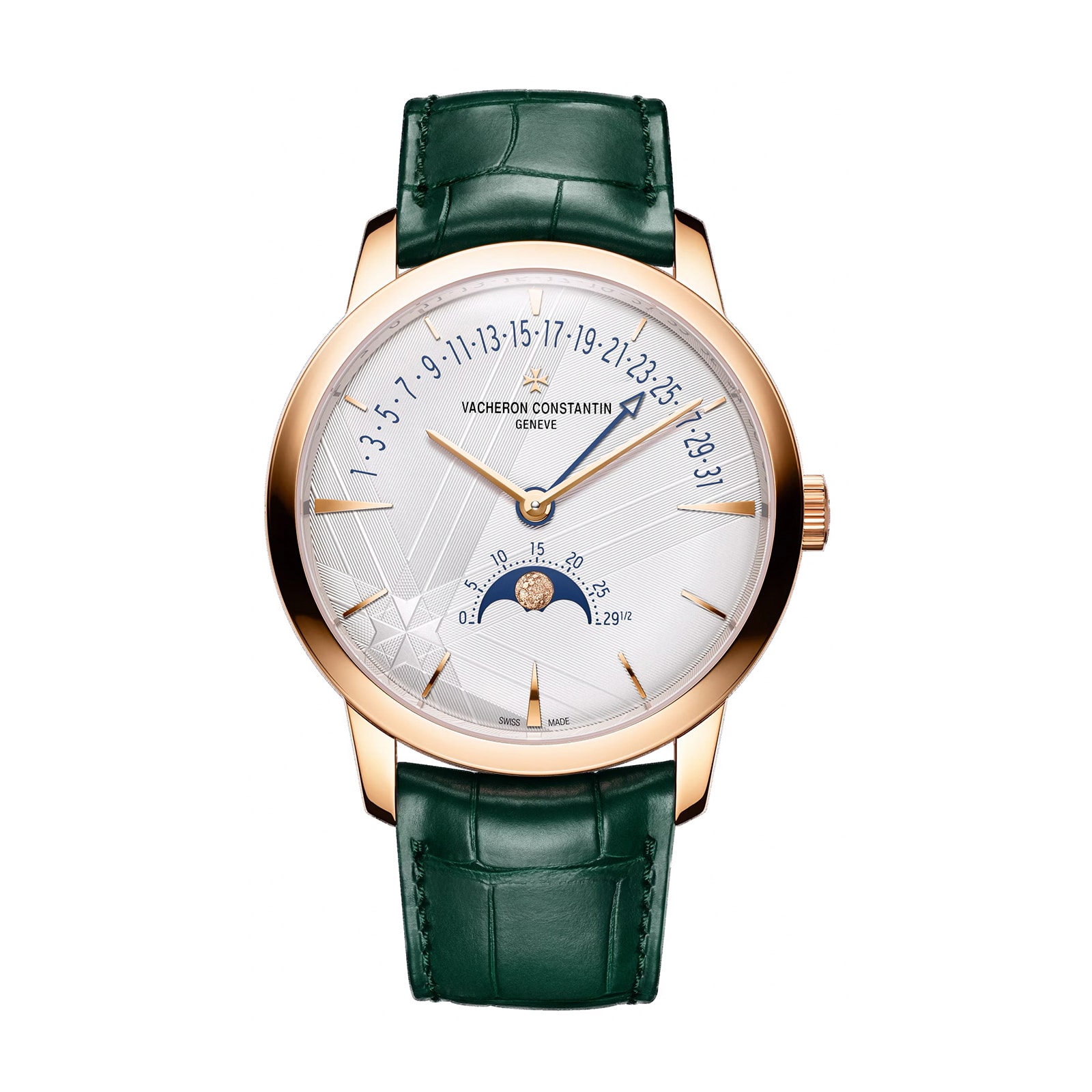 Patrimony Moon3 pcs · from 70 960.49 €
Models
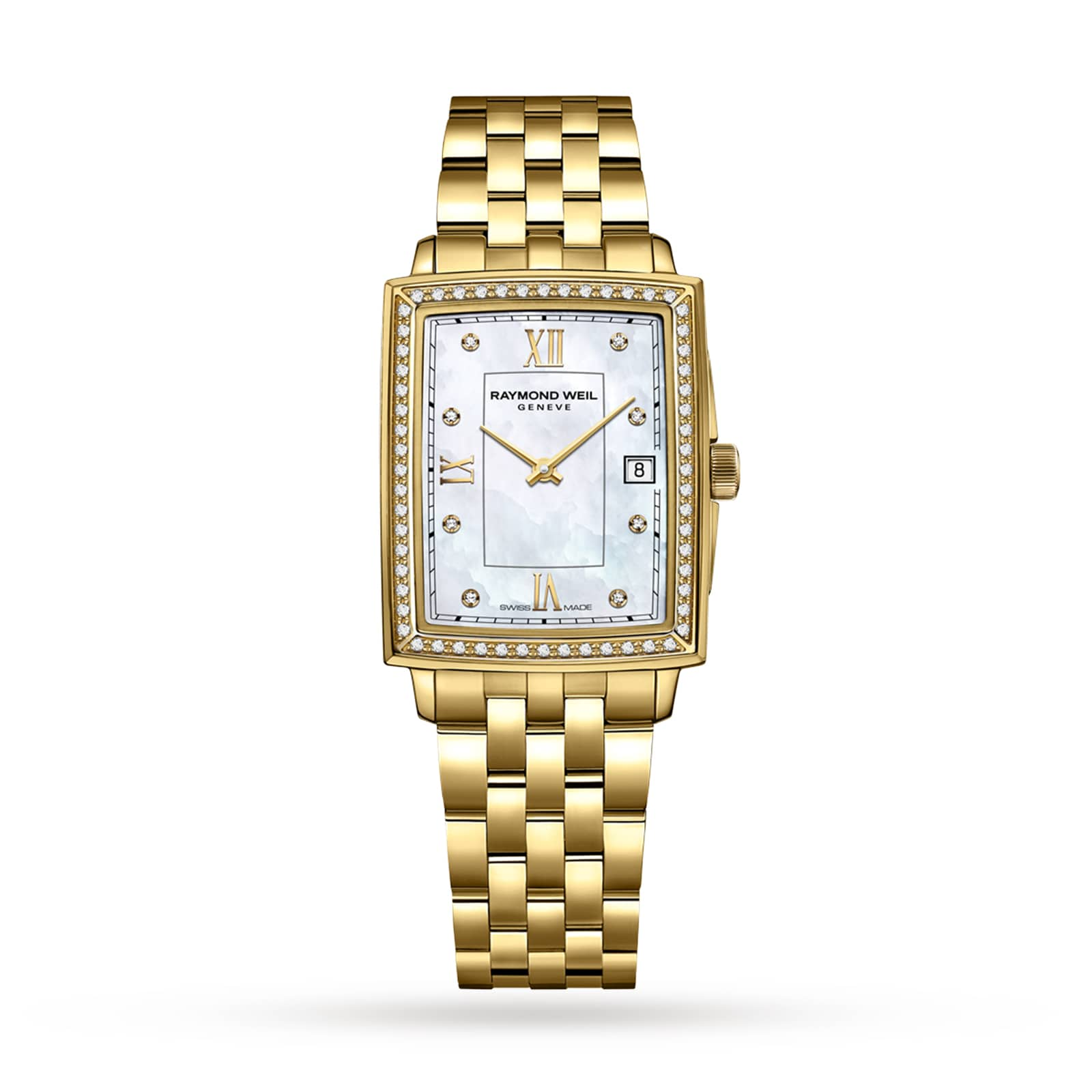 Toccata19 pcs · from 1 208.75 €
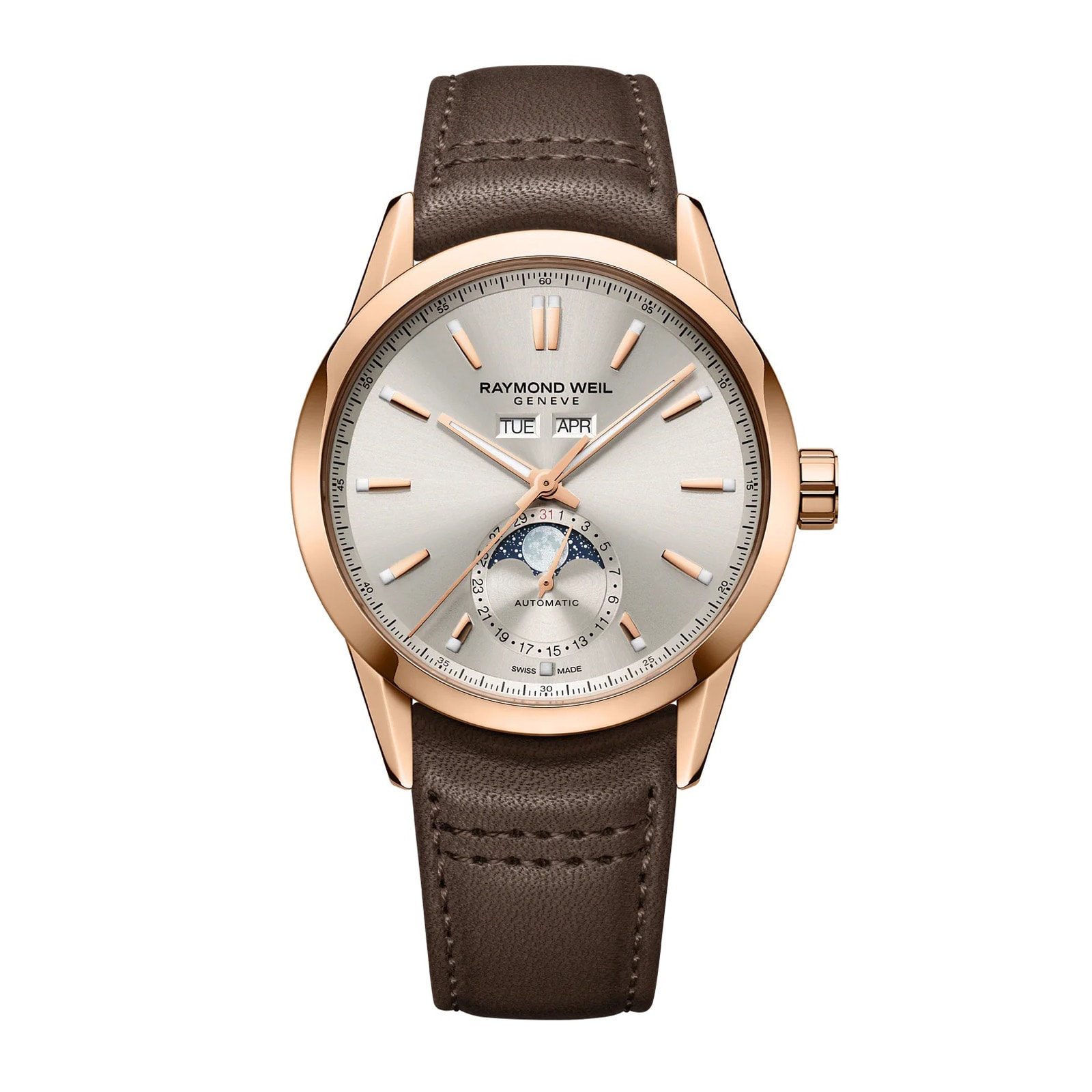 Freelancer13 pcs · from 2 837.00 €
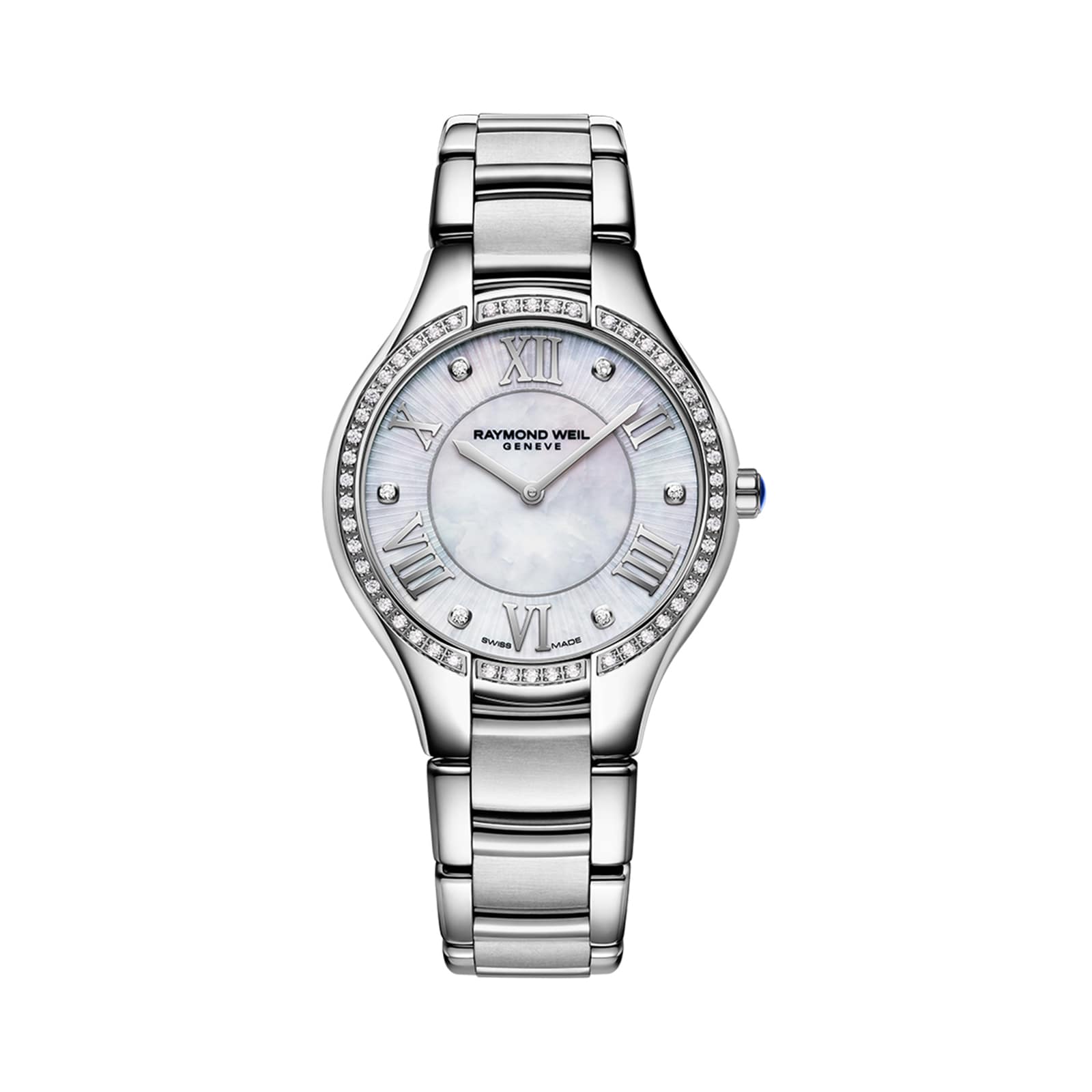 Noemia8 pcs · from 1 841.56 €
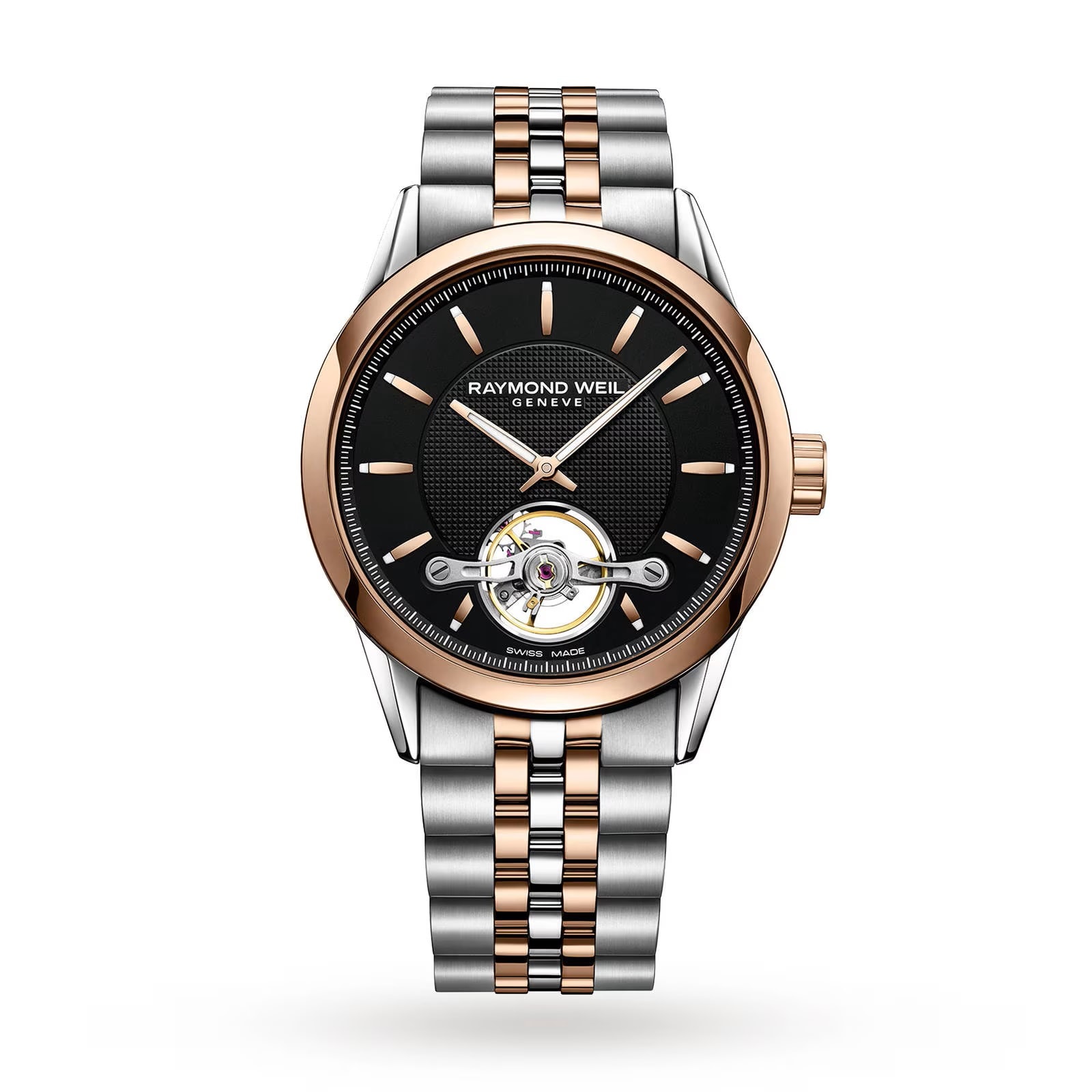 Raymond Weil7 pcs · from 1 381.17 €
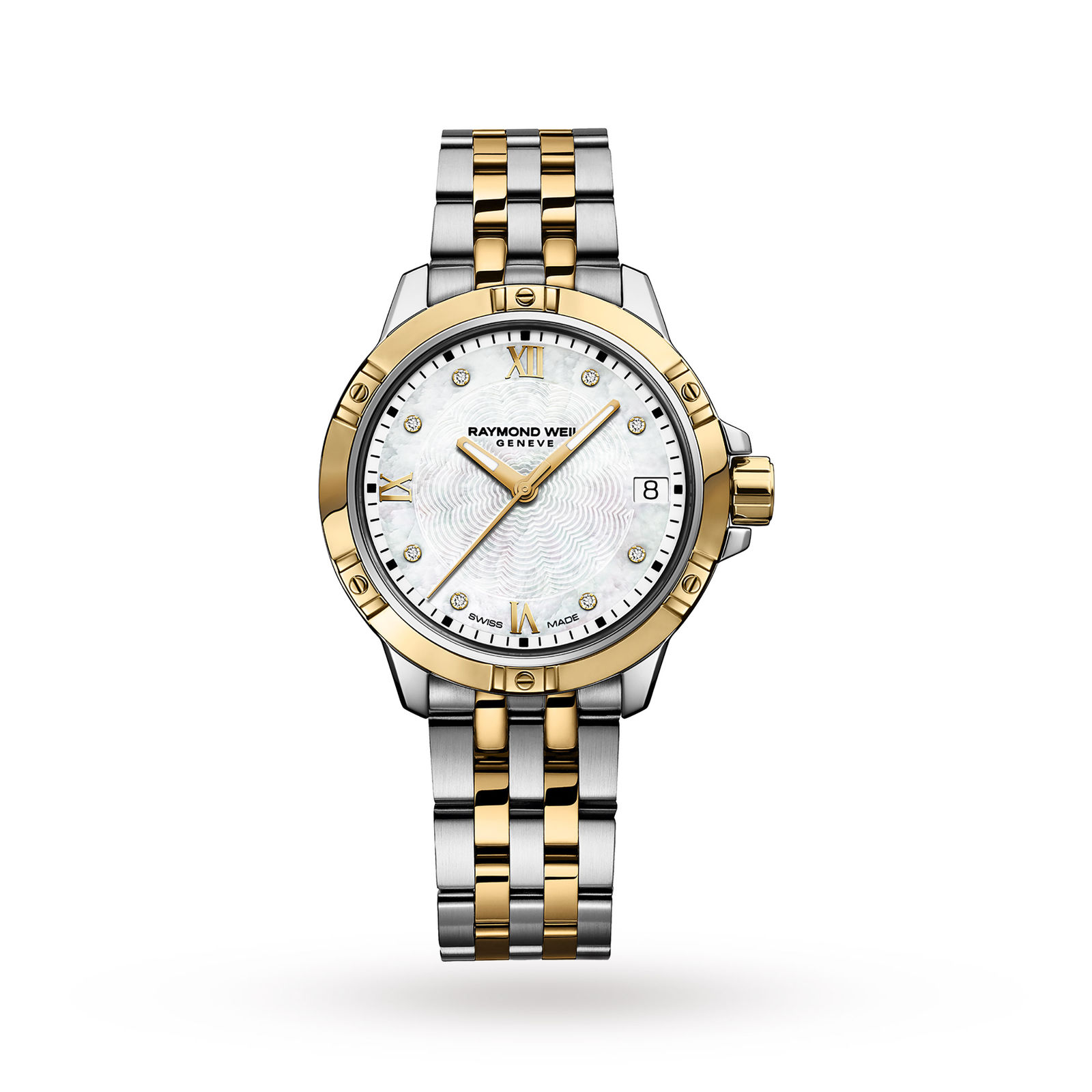 Tango7 pcs · from 1 066.54 €
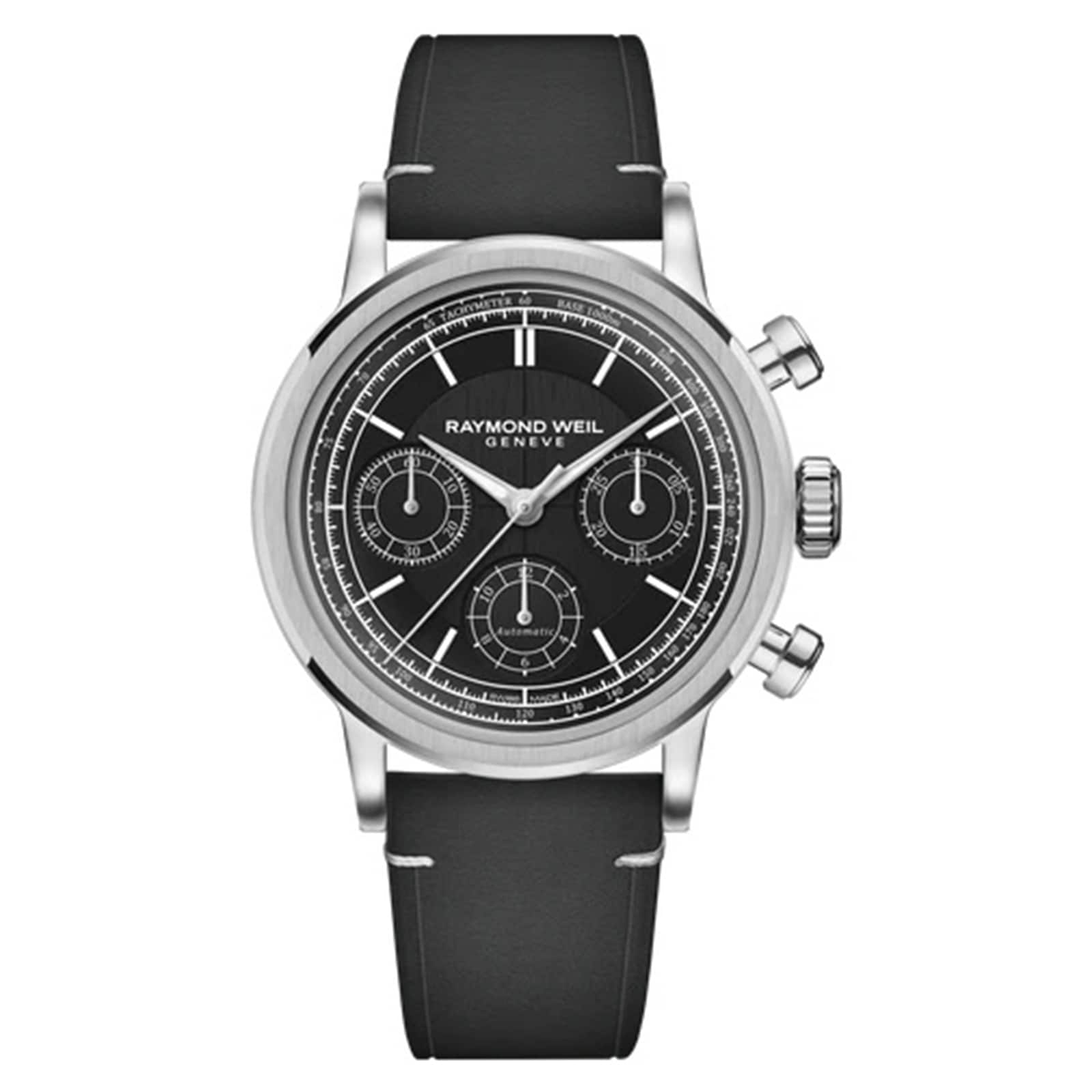 Millesime6 pcs · from 2 346.39 €
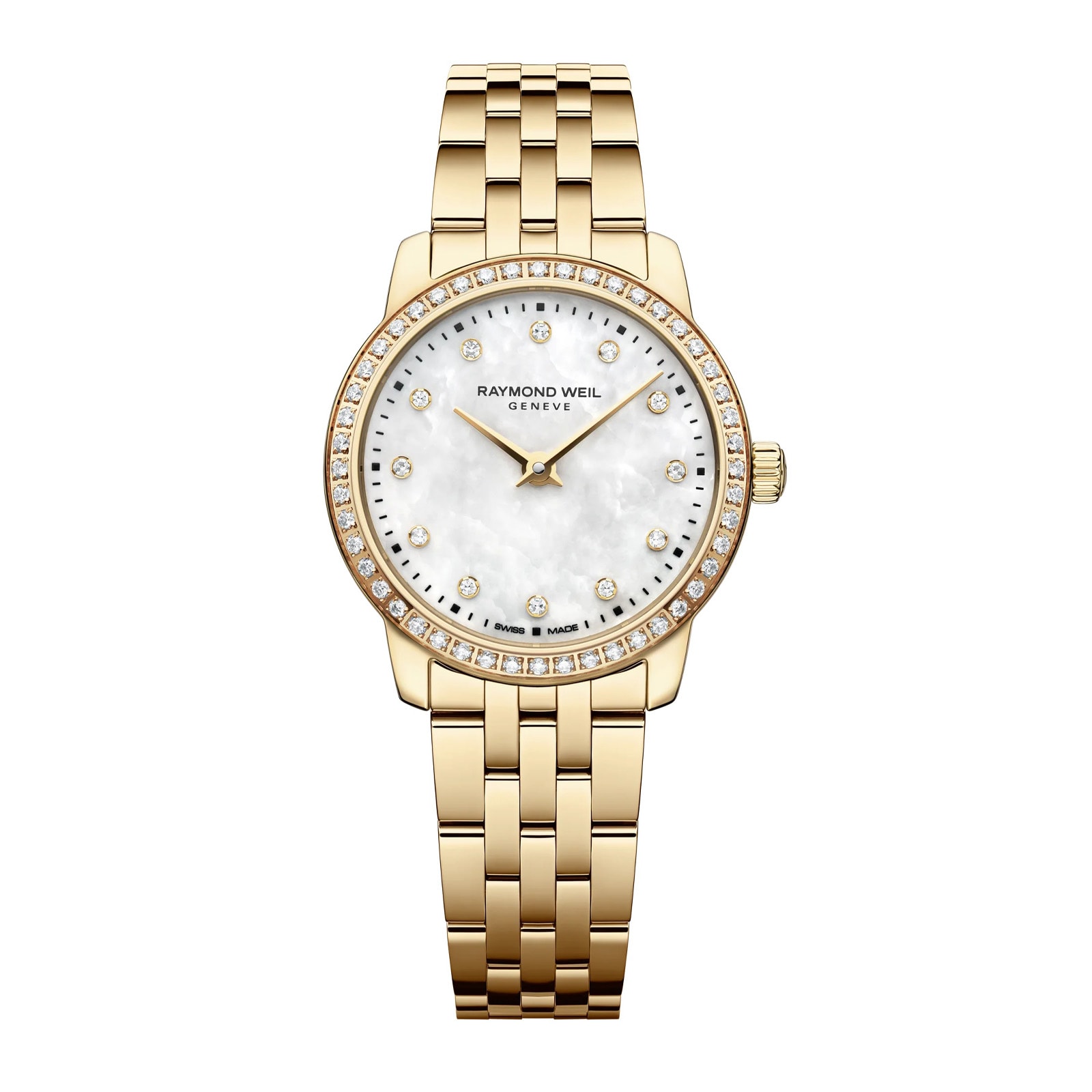 Toccata Classic6 pcs · from 1 635.36 €
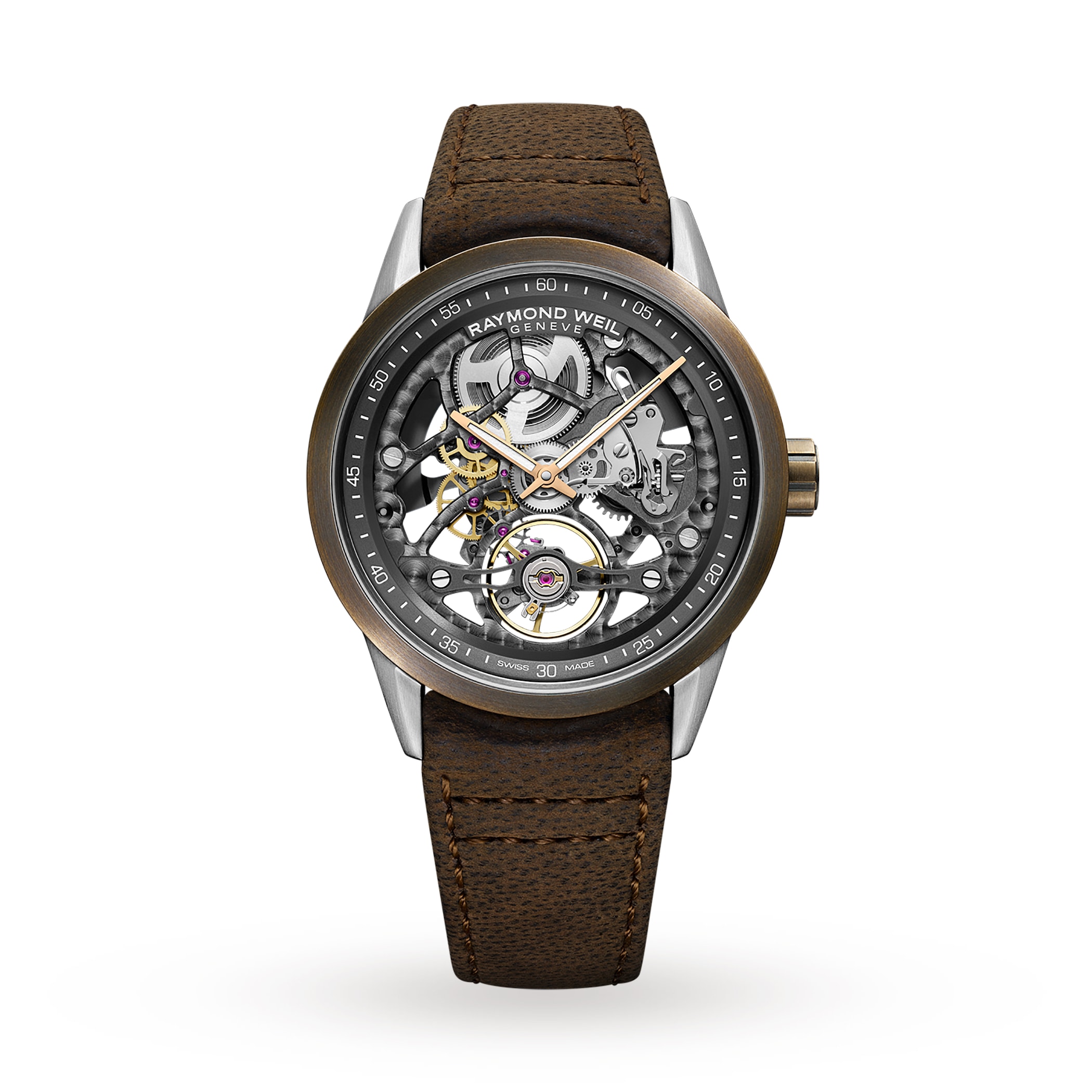 Freelancer Skeleton4 pcs · from 4 259.05 €
 Toccata Heritage3 pcs · from 1 699.35 €
 A.R.T.3 pcs · from 2 268.18 €
Models
 Fifty Fathoms36 pcs · from 13 098.00 €
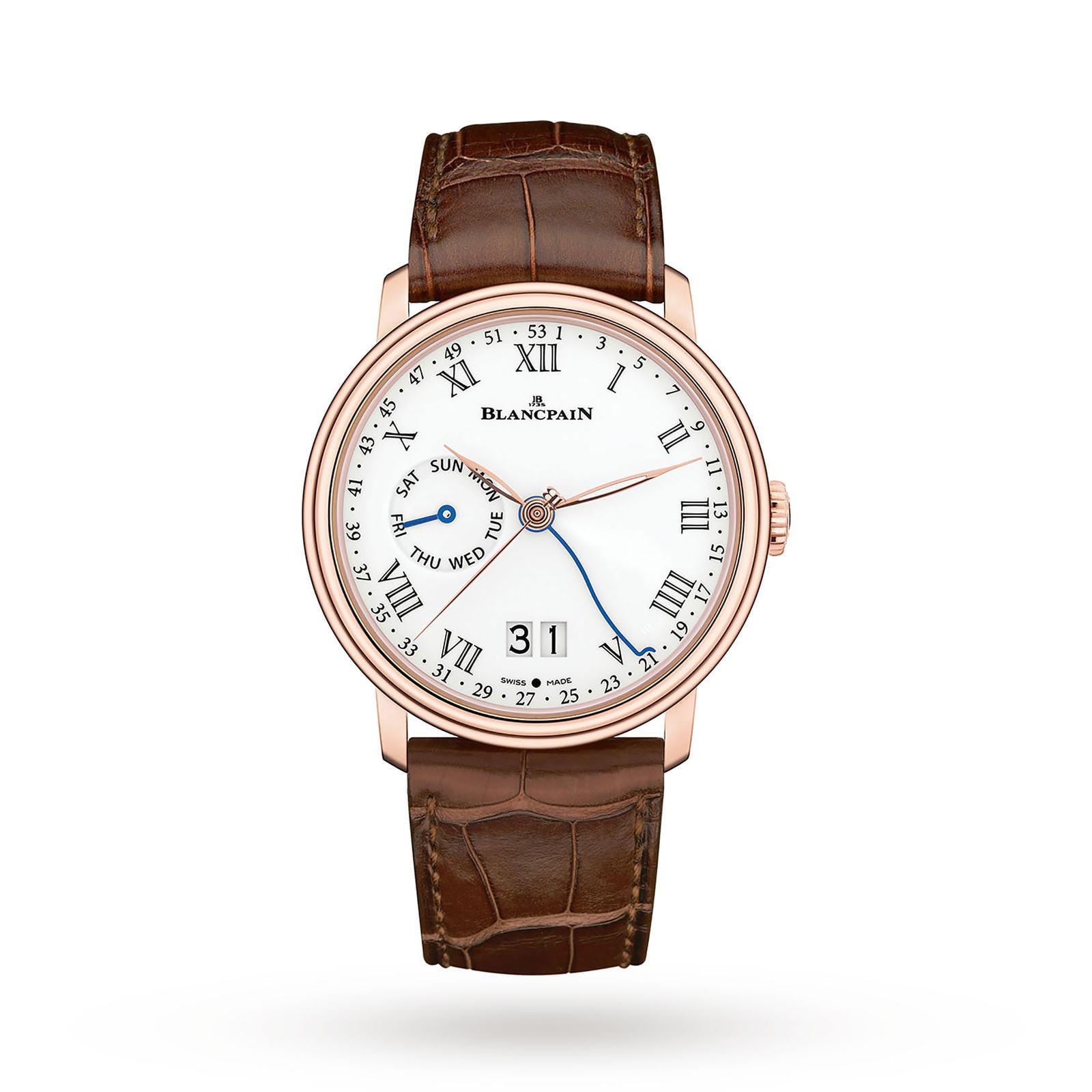
 Villeret Quantieme12 pcs · from 15 073.77 €
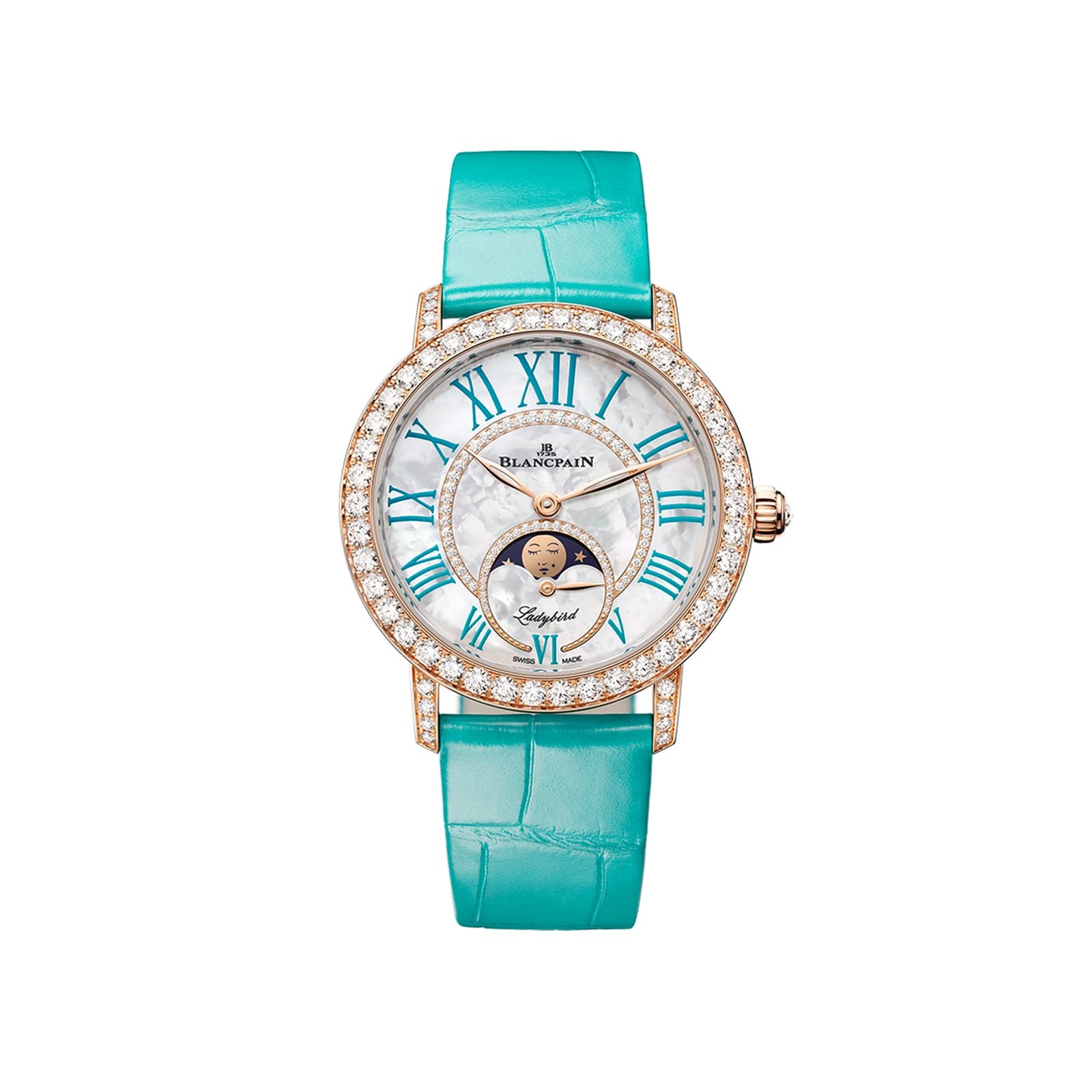 Ladybird Colours10 pcs · from 41 097.36 €
 Villeret5 pcs · from 8 496.00 €
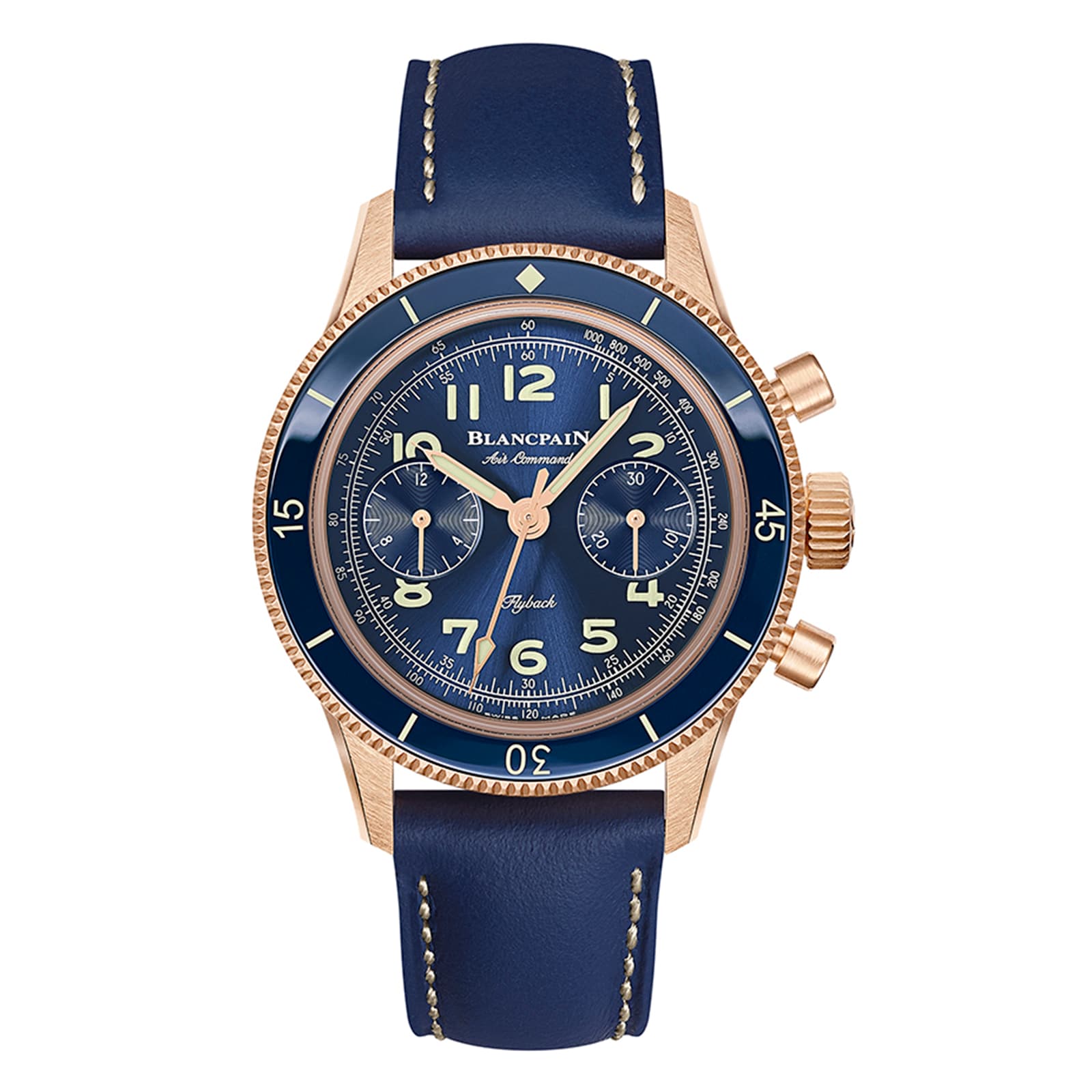 Air Command4 pcs · from 21 168.00 €
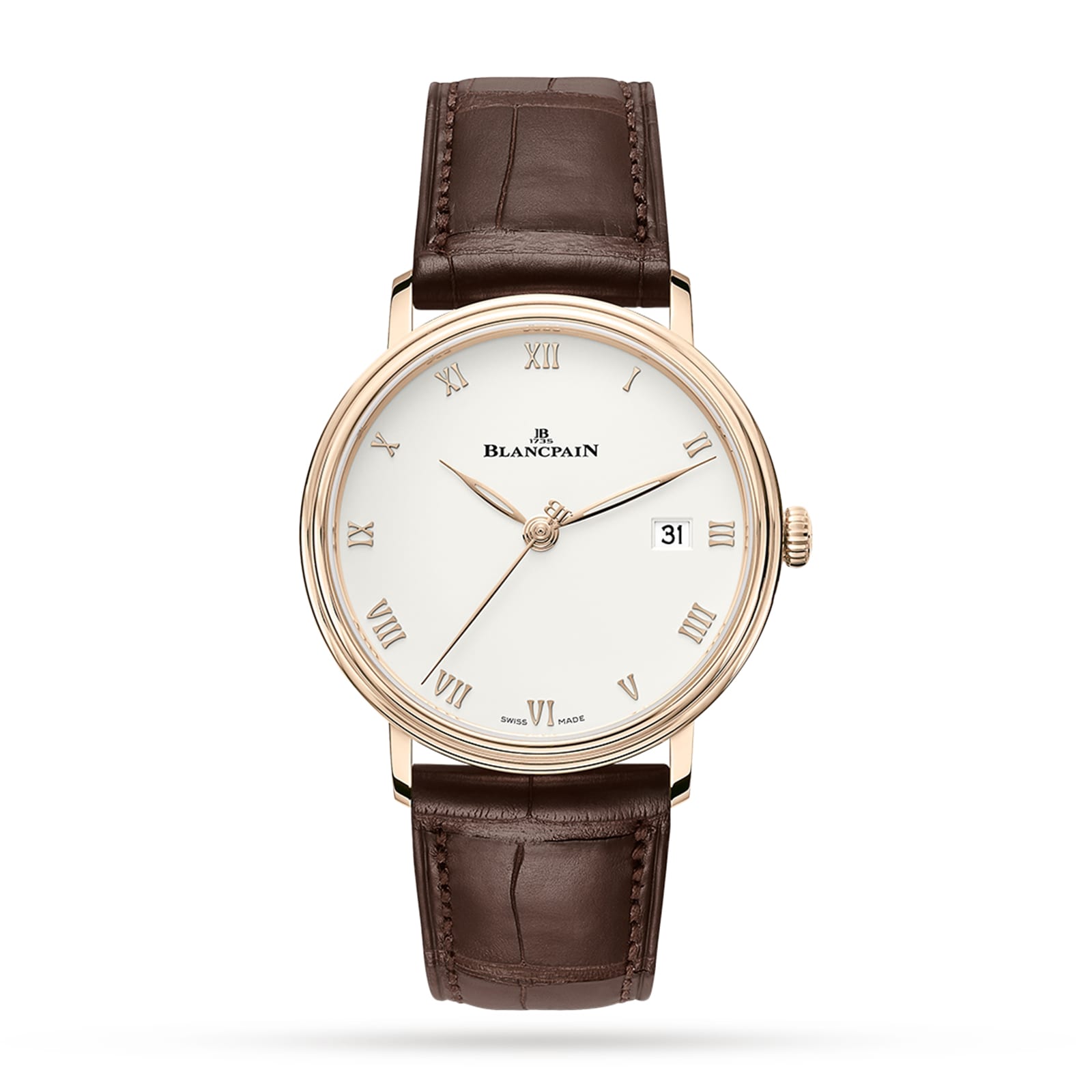 Villeret Ultraplate4 pcs · from 14 078.33 €
Models
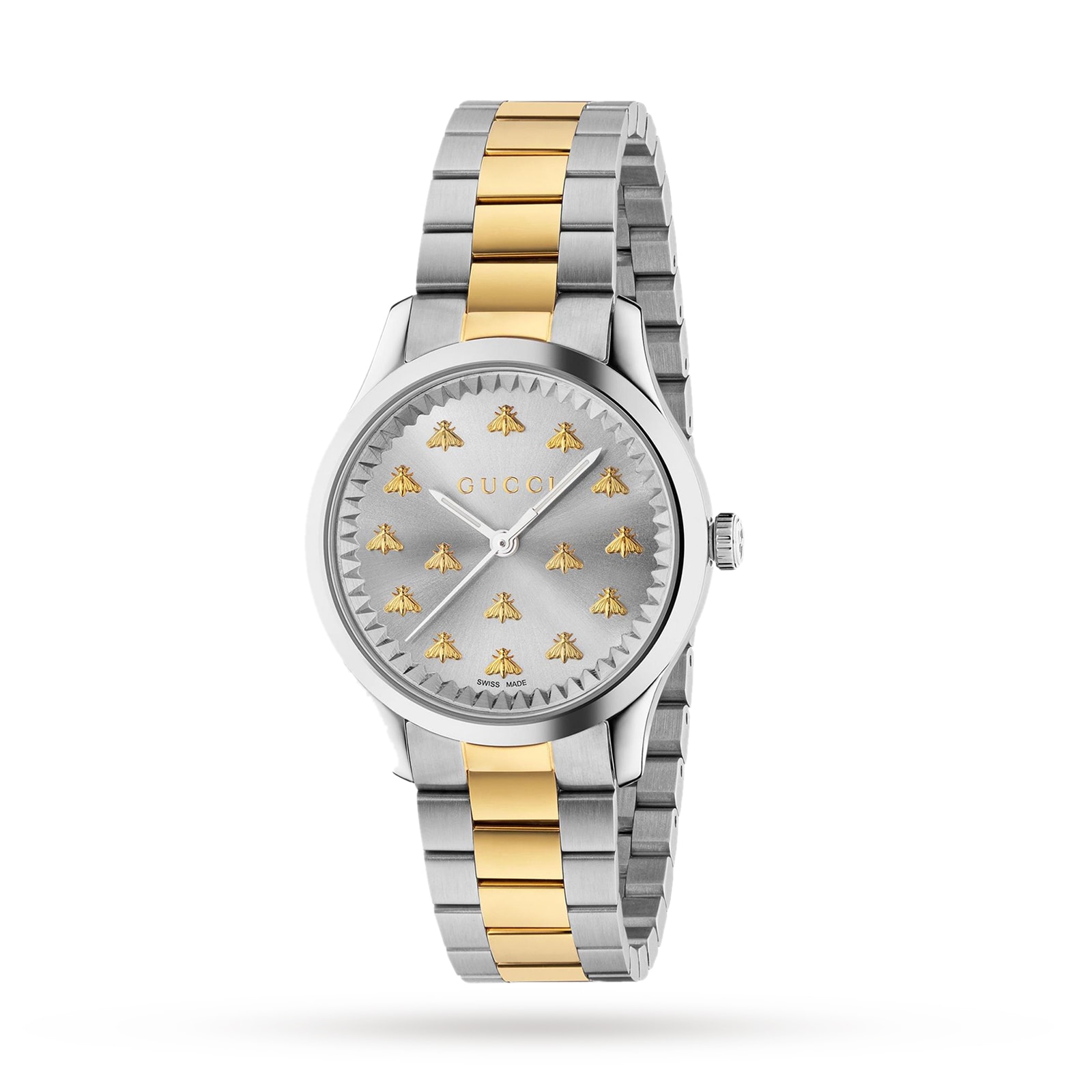 G-Timeless20 pcs · from 1 564.26 €
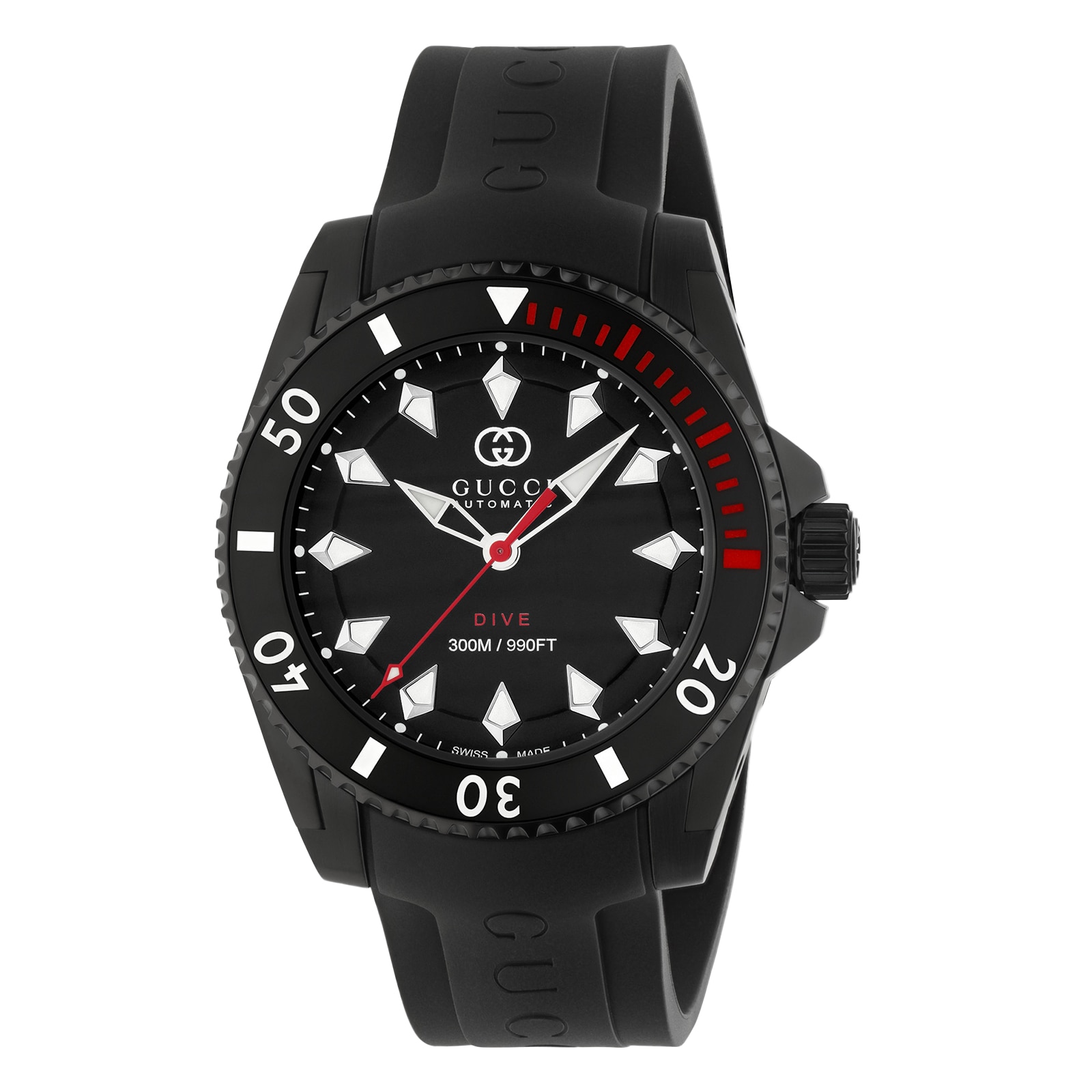 Dive12 pcs · from 1 962.43 €
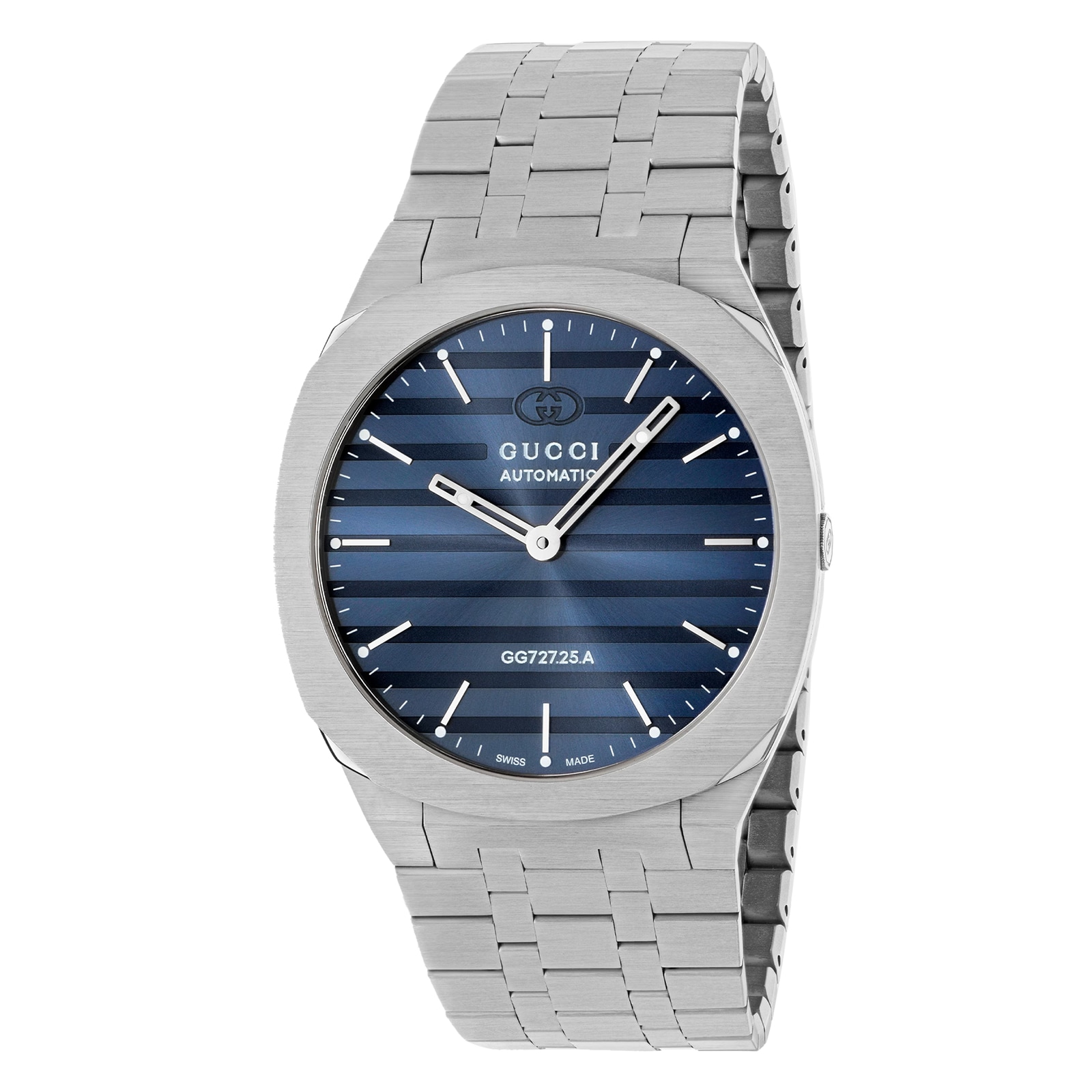 25H10 pcs · from 1 066.54 €
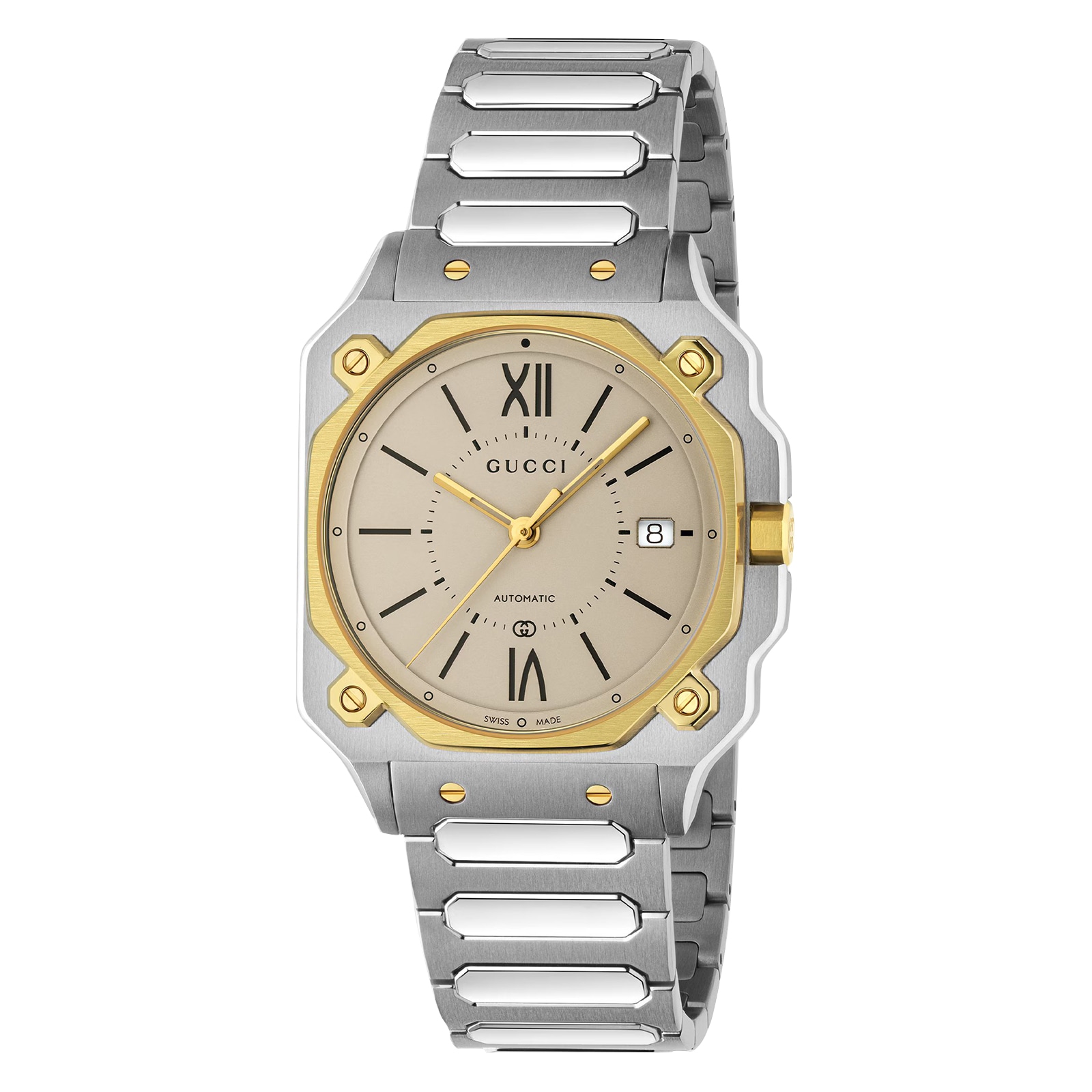 G-Flat10 pcs · from 2 147.30 €
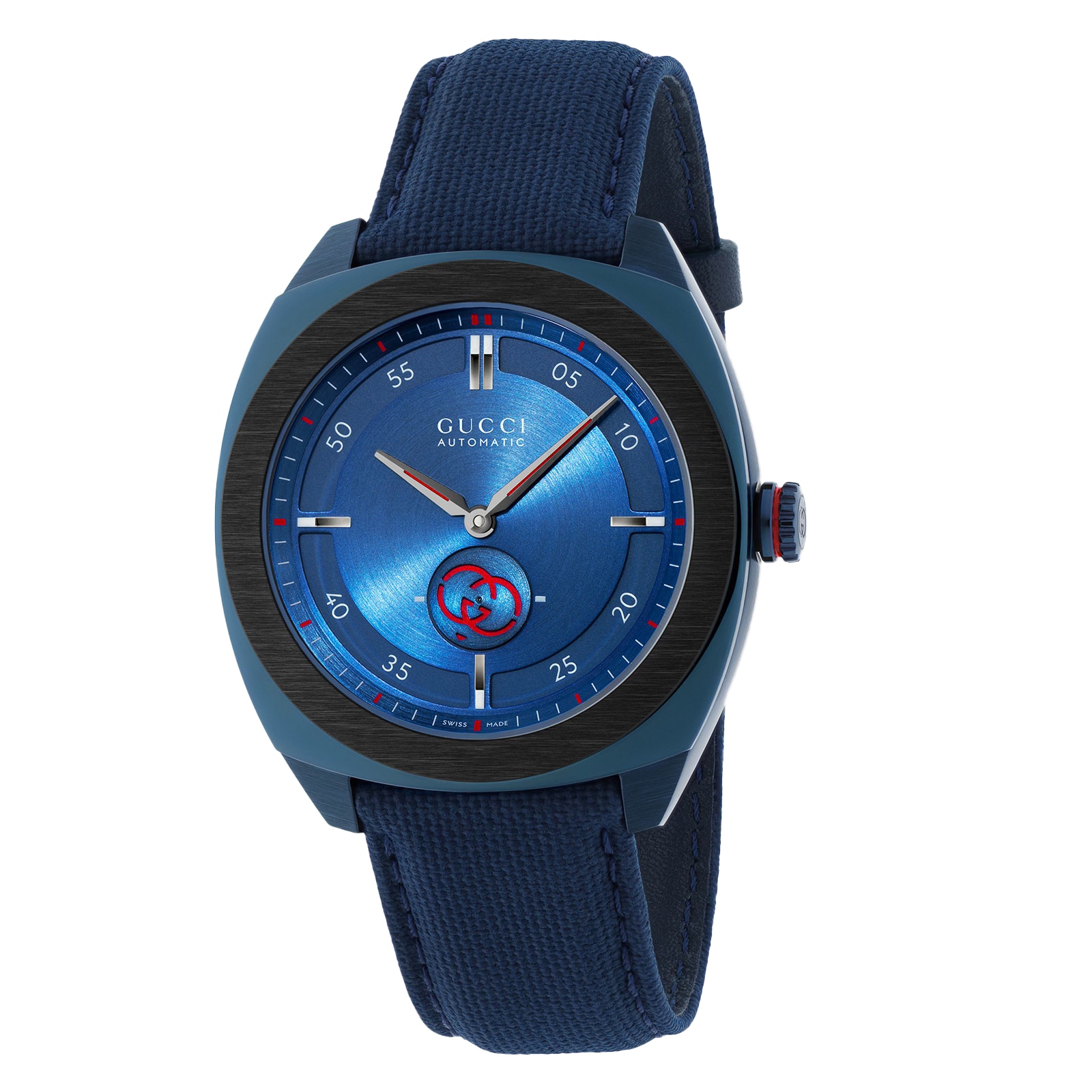 Interlocking8 pcs · from 2 261.07 €
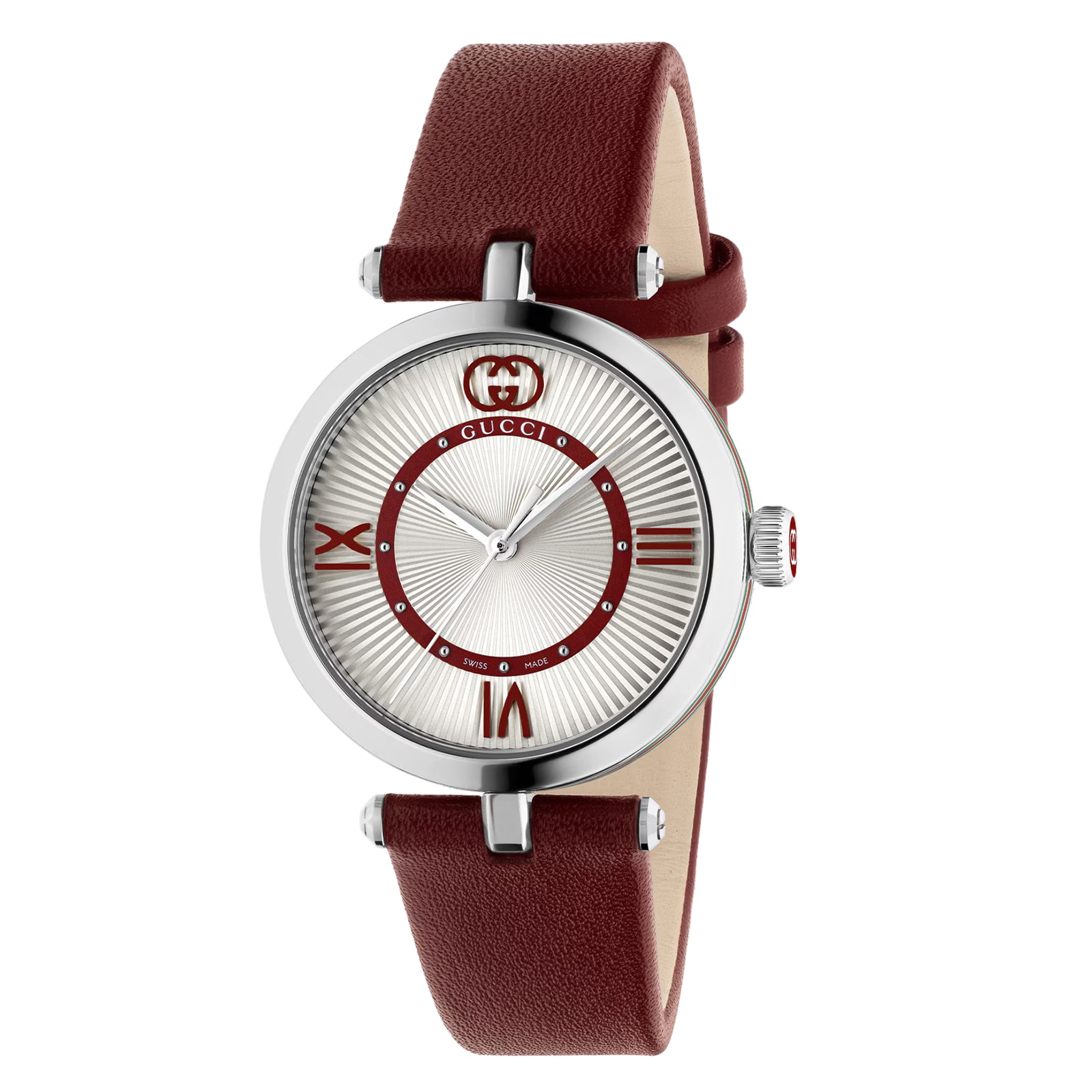 Model5 pcs · from 1 749.13 €
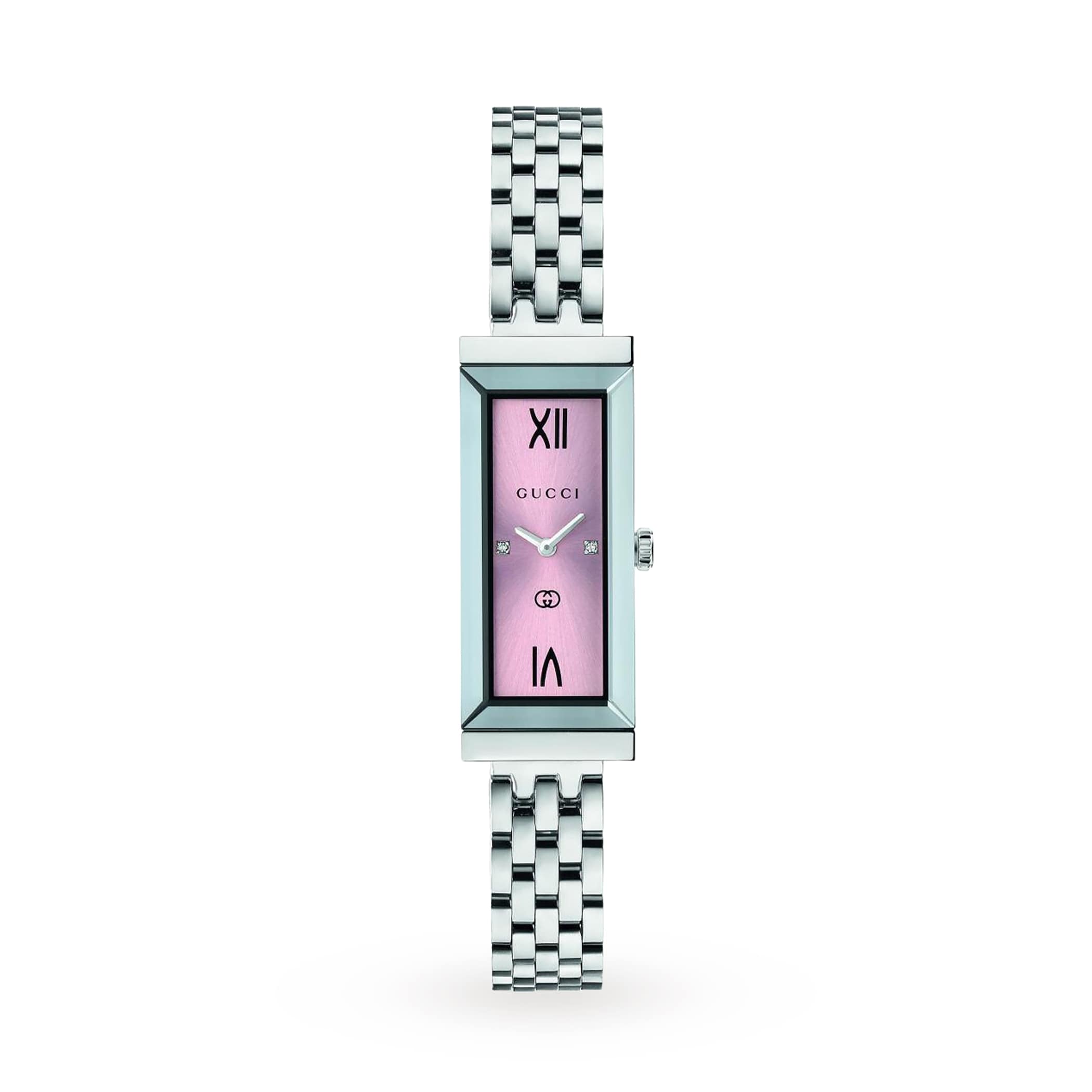 G-Frame5 pcs · from 1 621.14 €
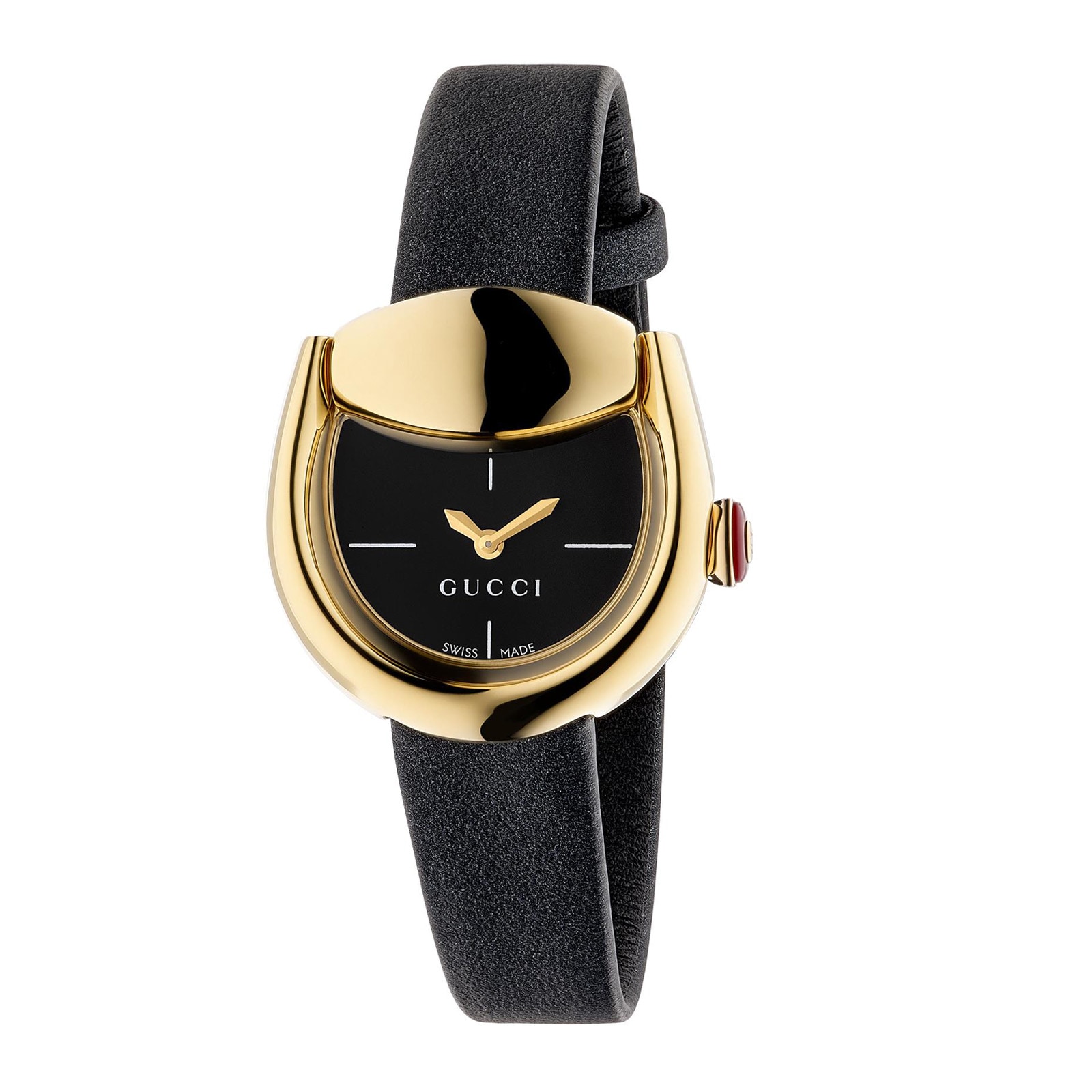 Horsebit3 pcs · from 1 990.88 €
Models
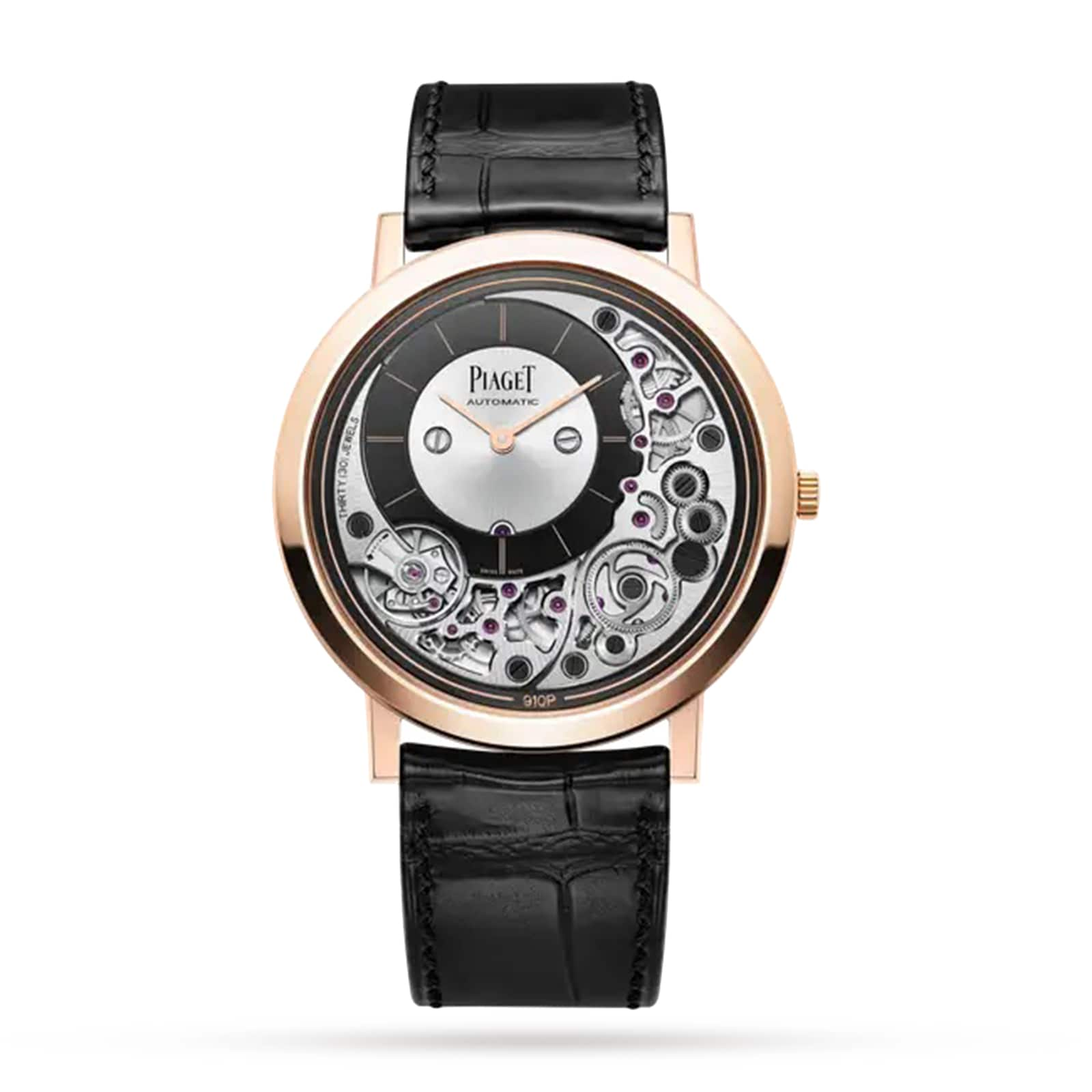 Altiplano14 pcs · from 6 084.00 €
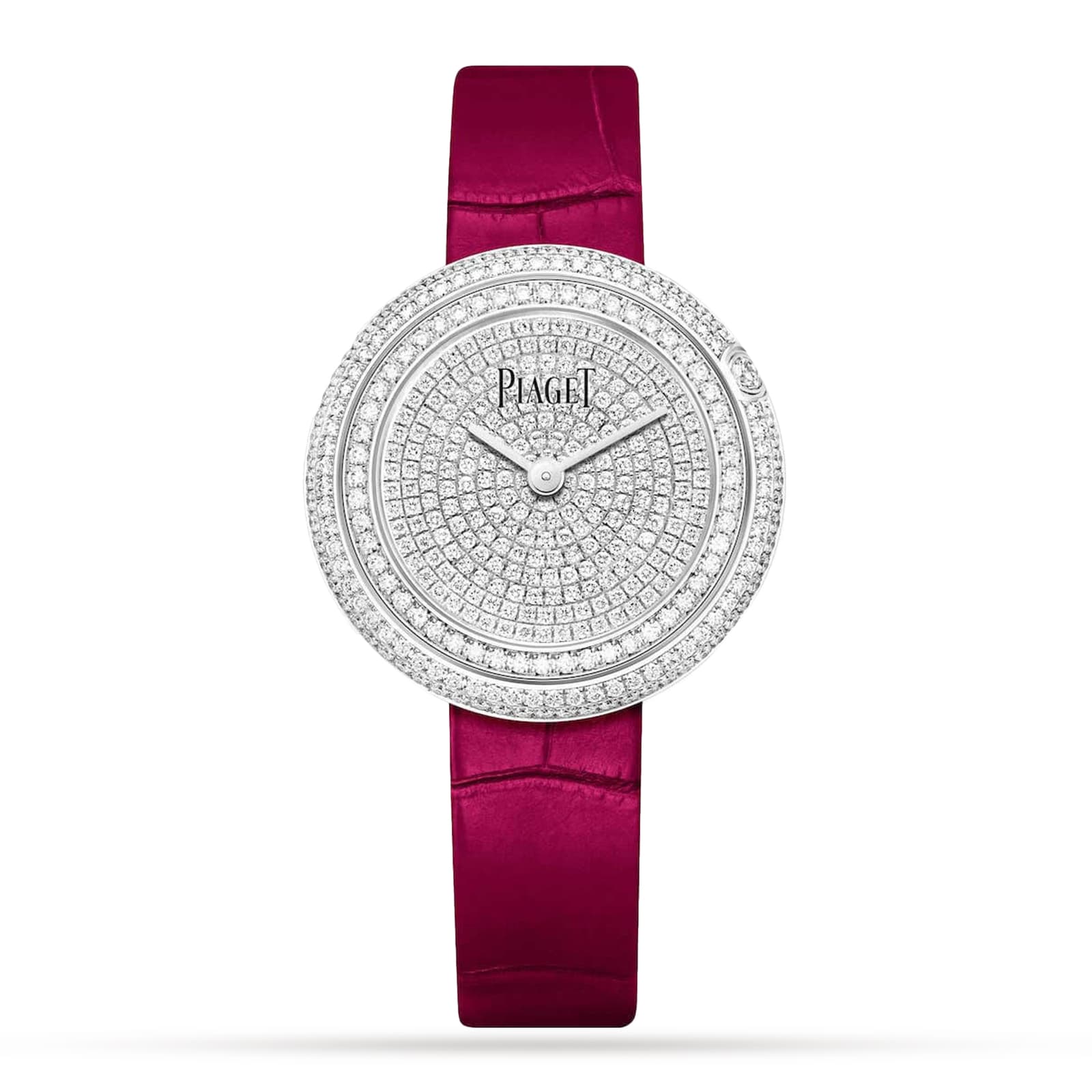 Possession13 pcs · from 7 323.58 €
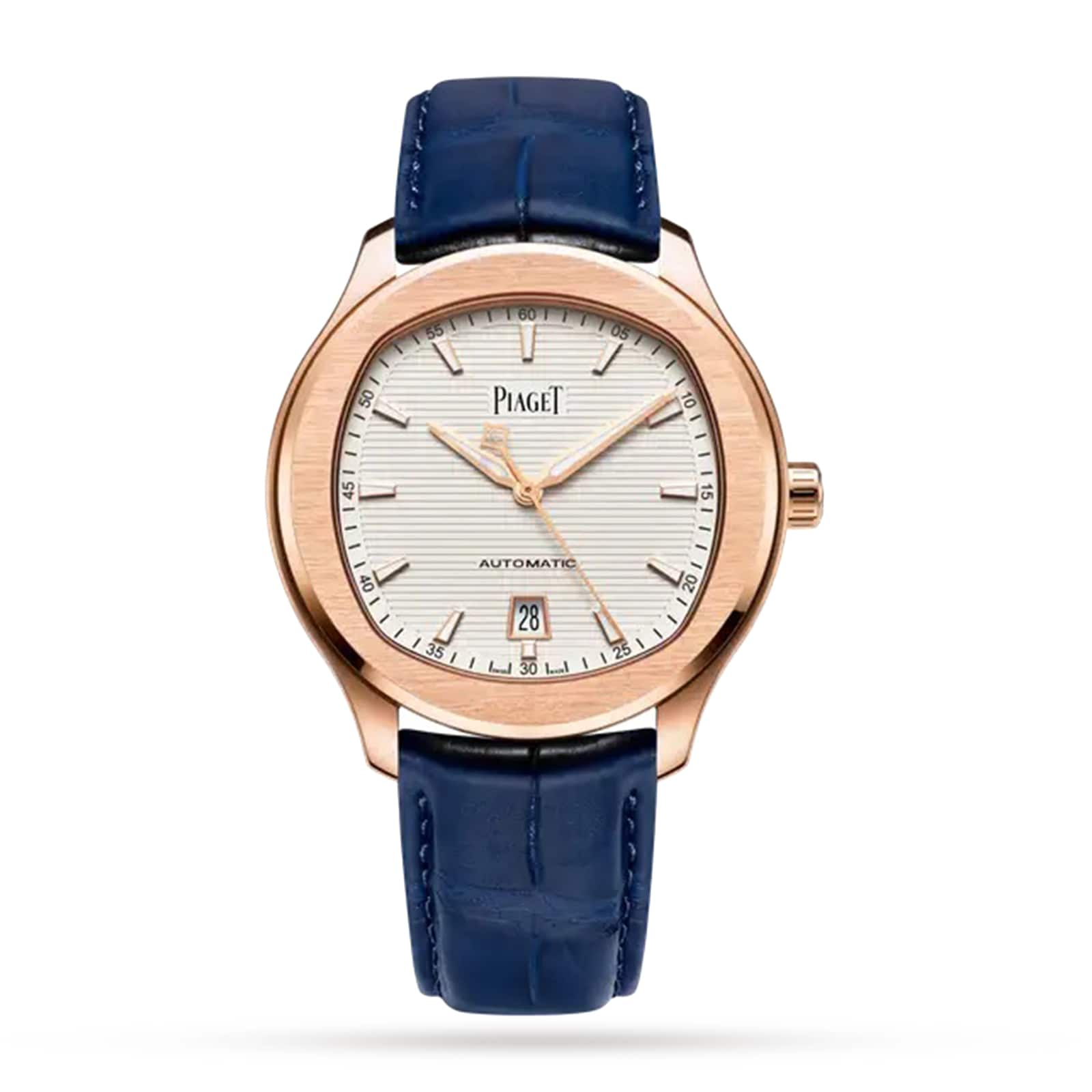 Polo12 pcs · from 10 266.00 €
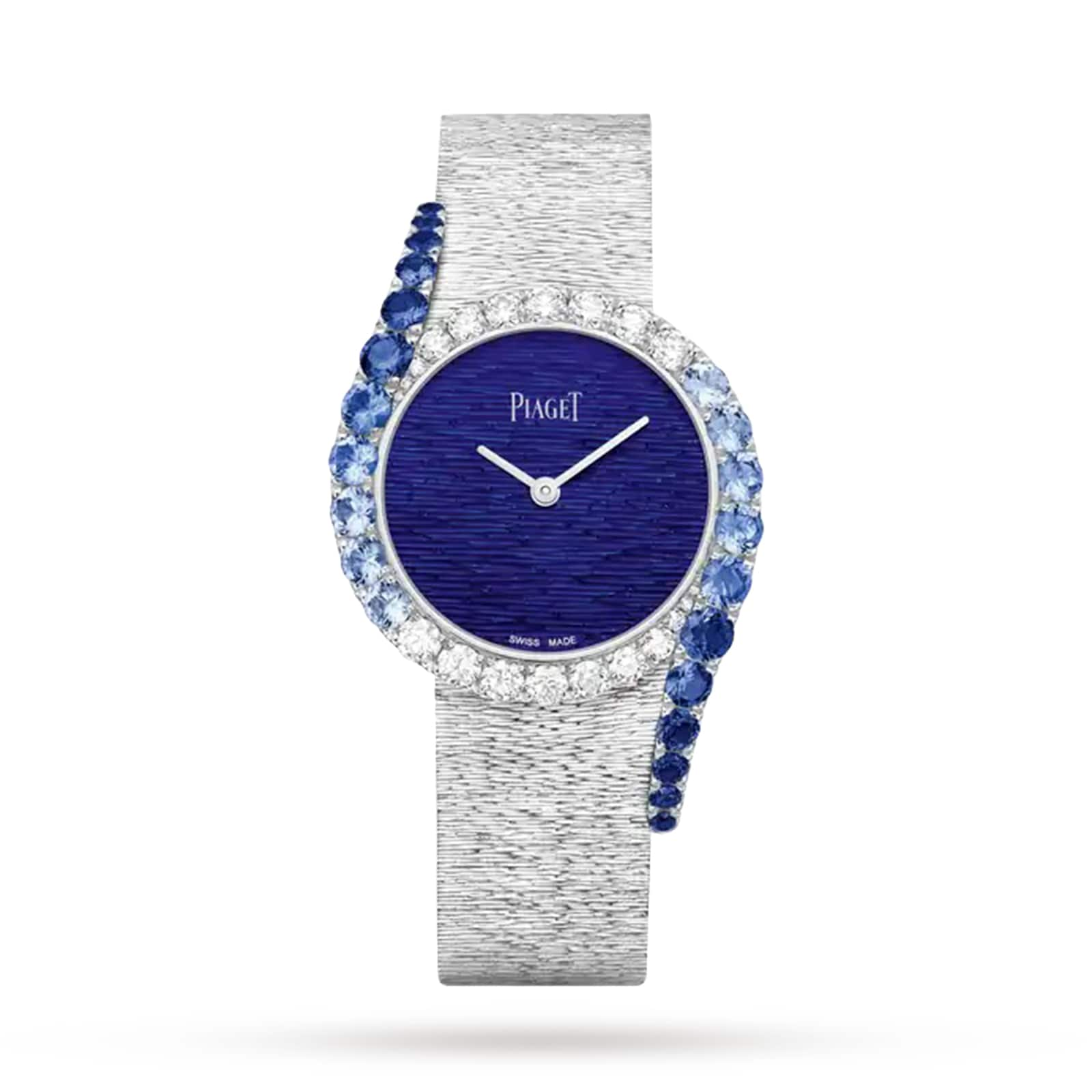 Limelight11 pcs · from 30 858.57 €
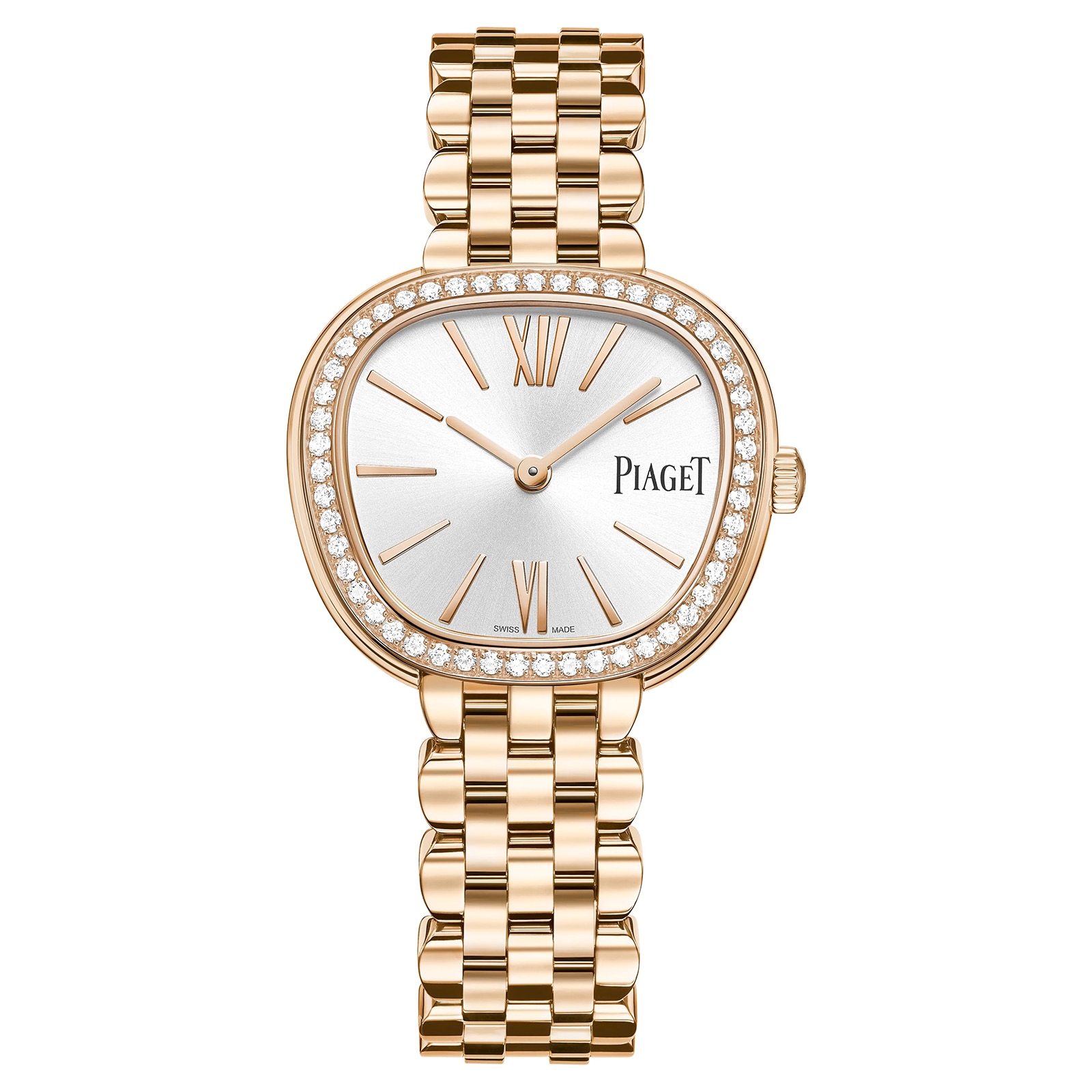 Sixtie5 pcs · from 14 647.16 €
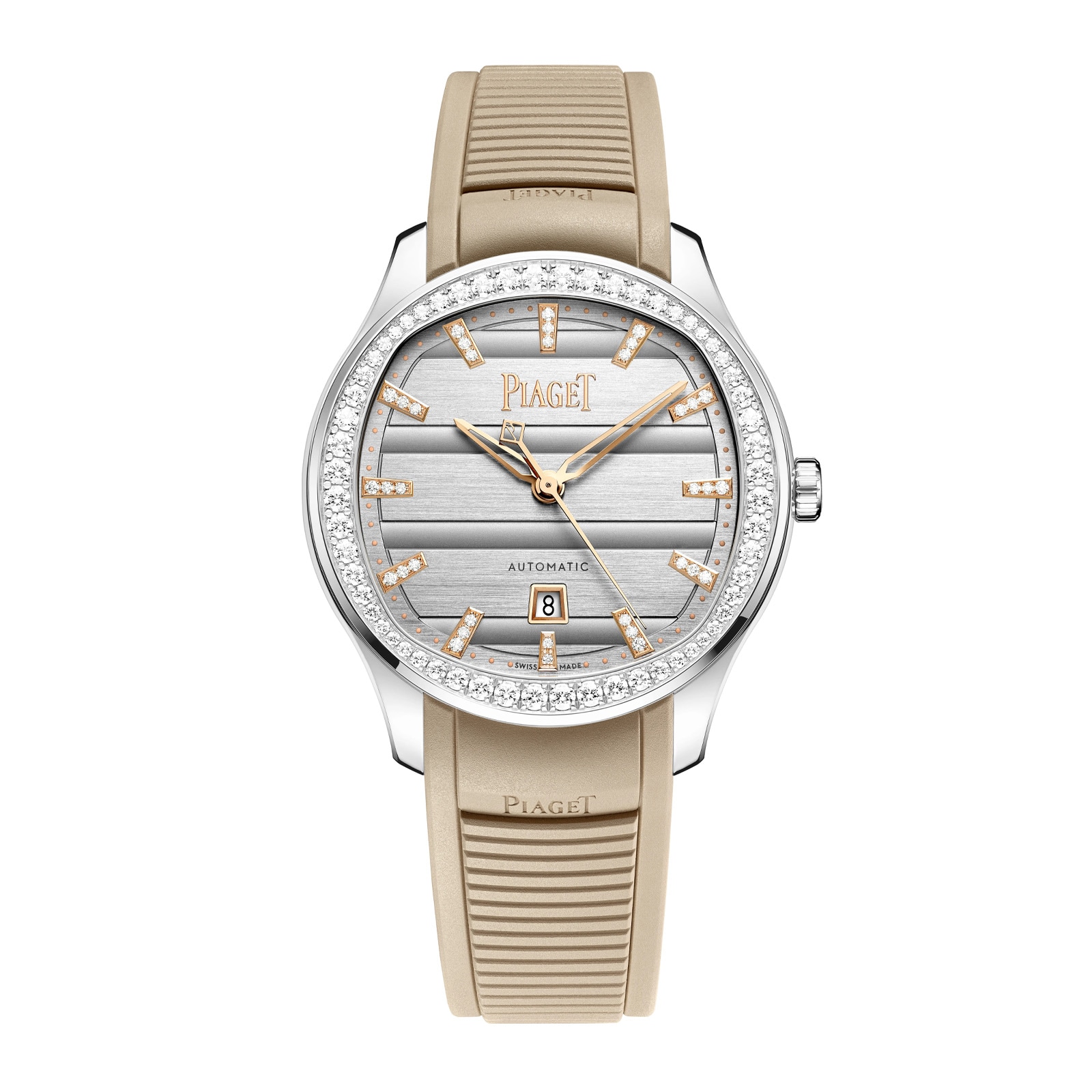 Polo Signature3 pcs · from 16 211.42 €
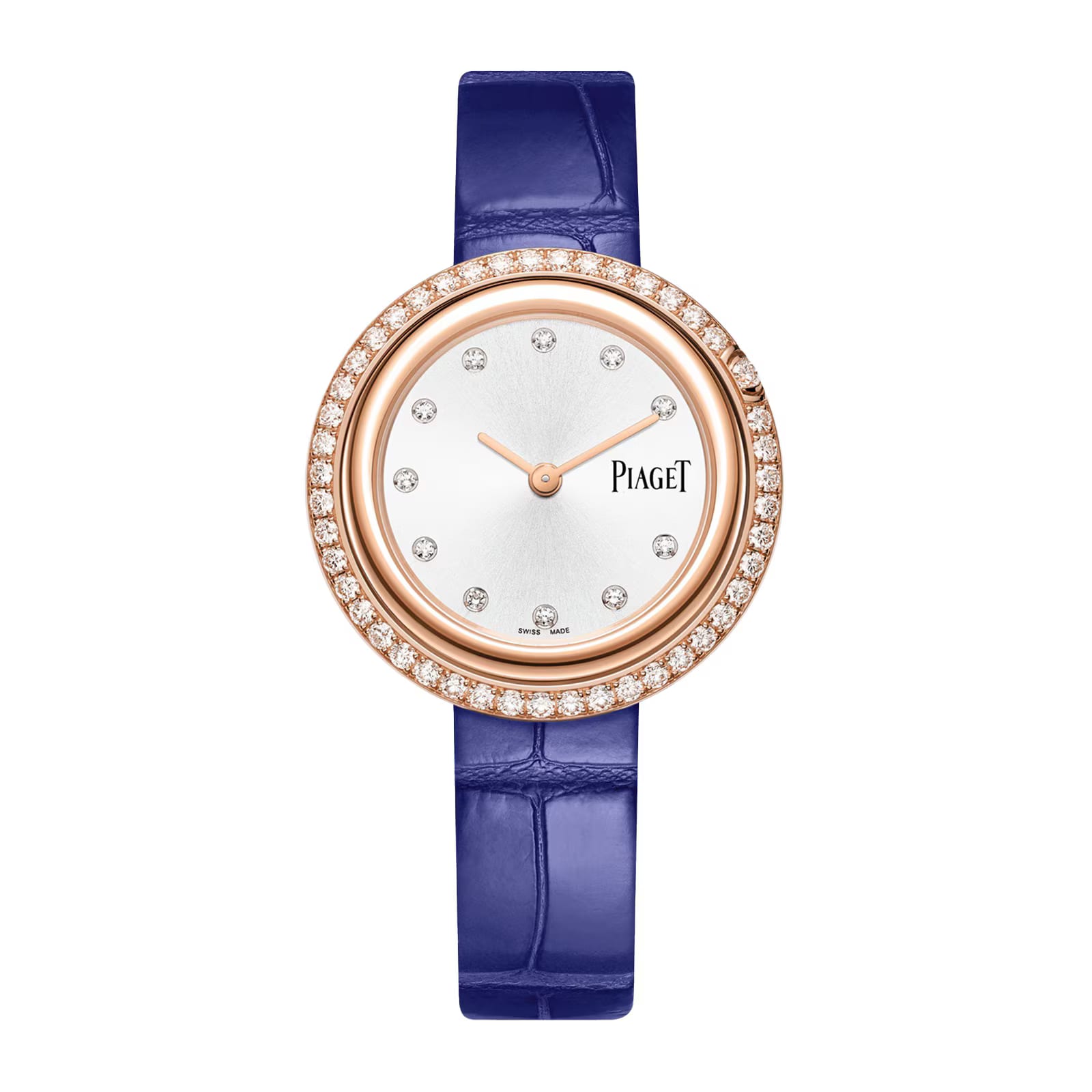 Piaget Possession3 pcs · from 14 931.57 €
Models
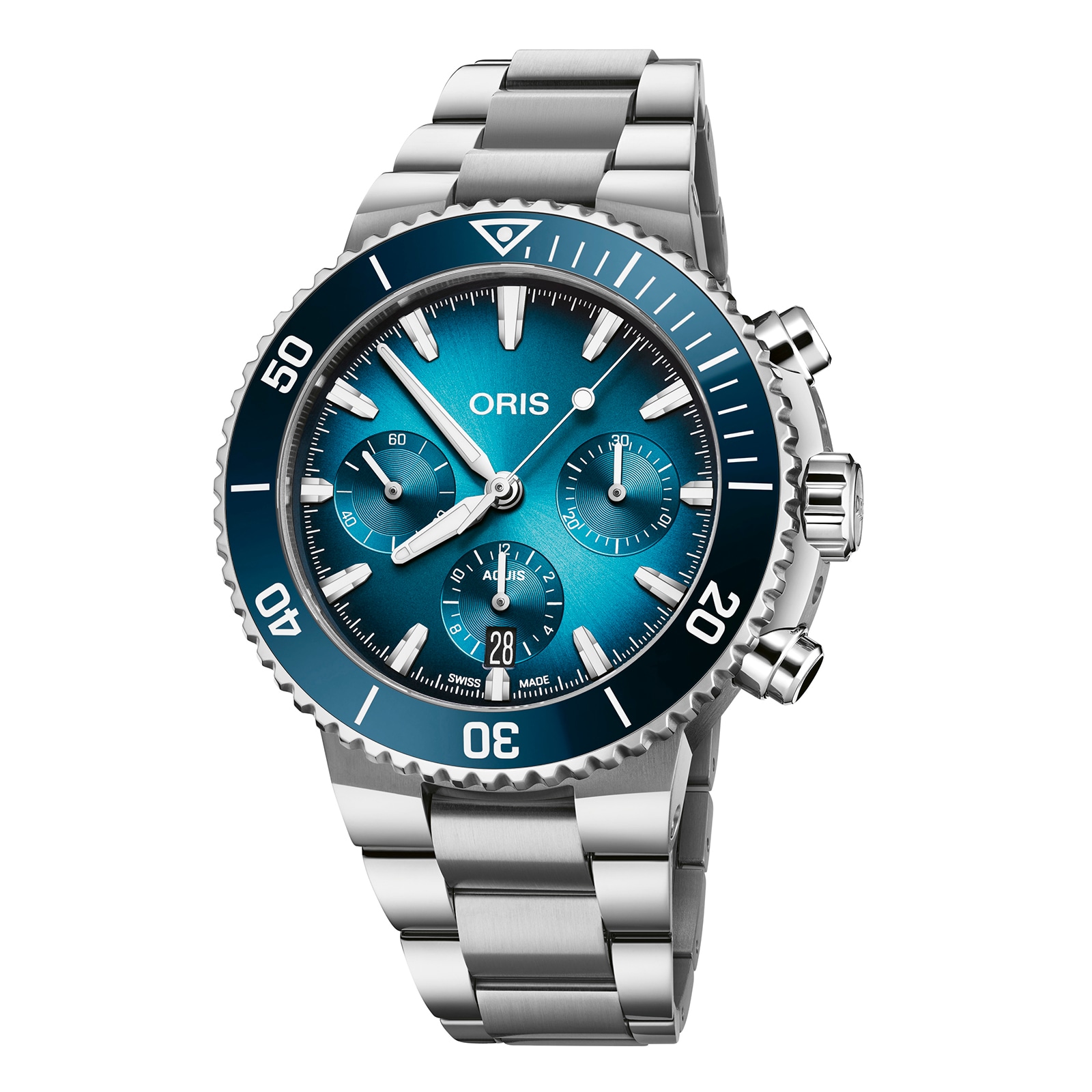 Aquis15 pcs · from 1 777.57 €
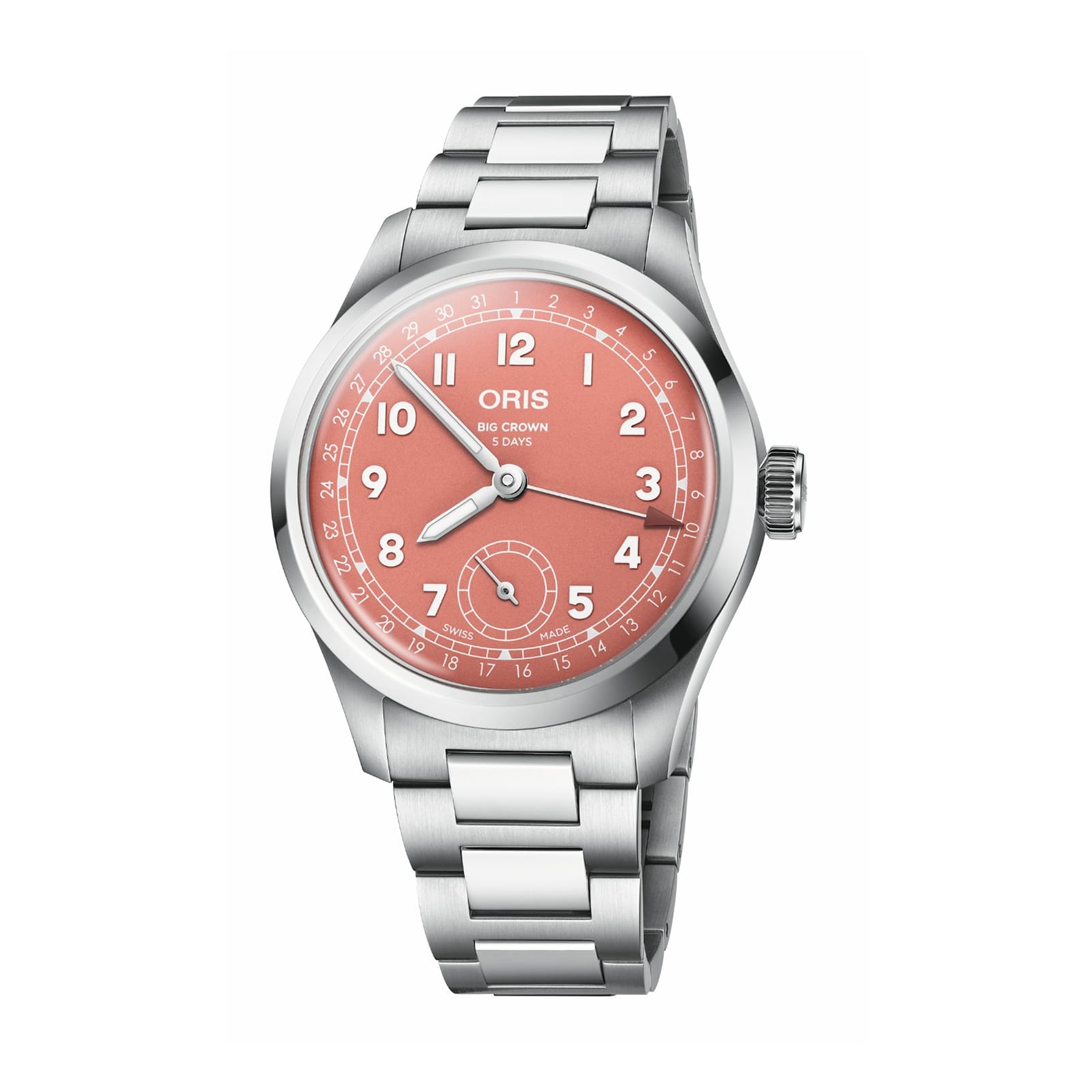 Big Crown11 pcs · from 1 919.77 €
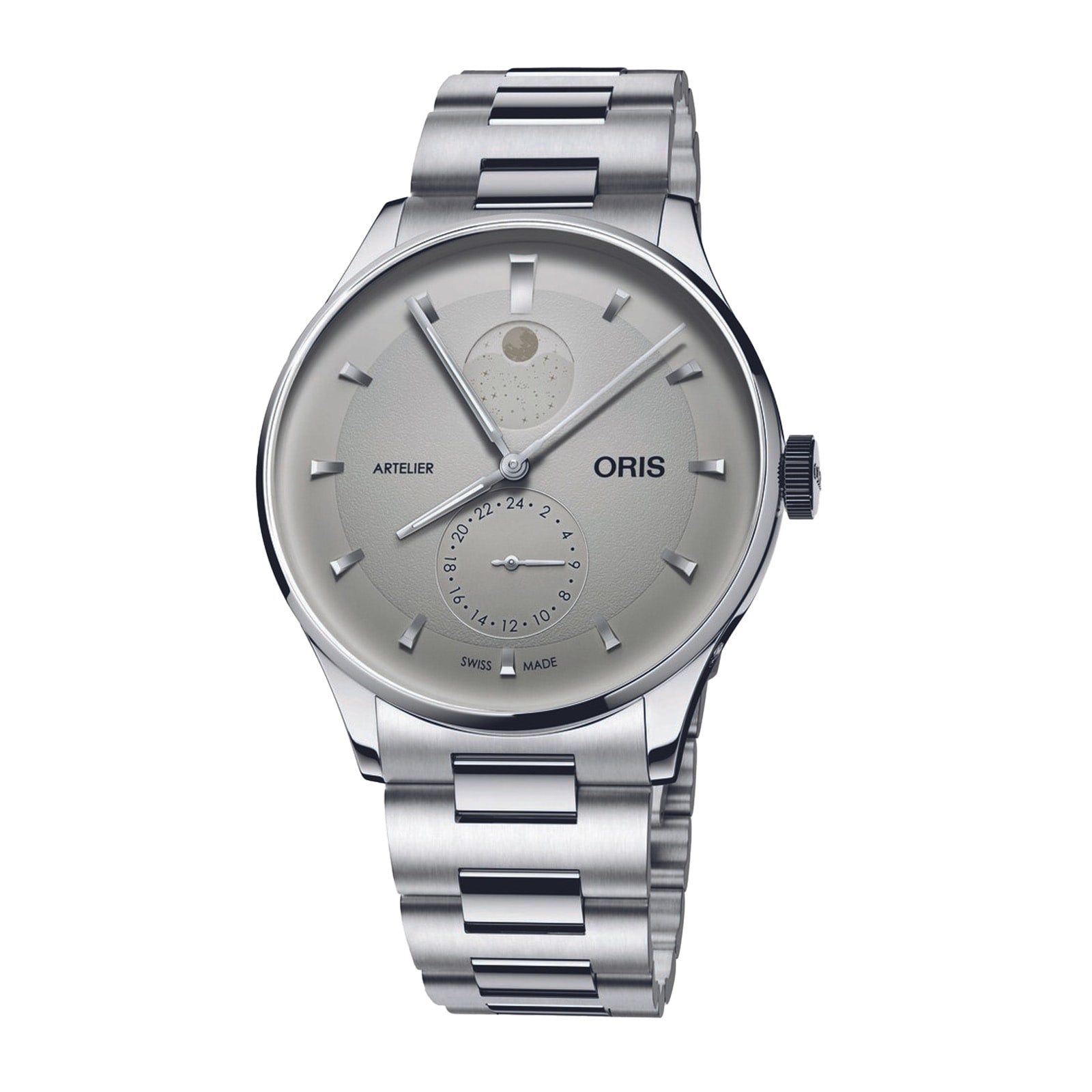 Artelier Complication6 pcs · from 3 199.62 €
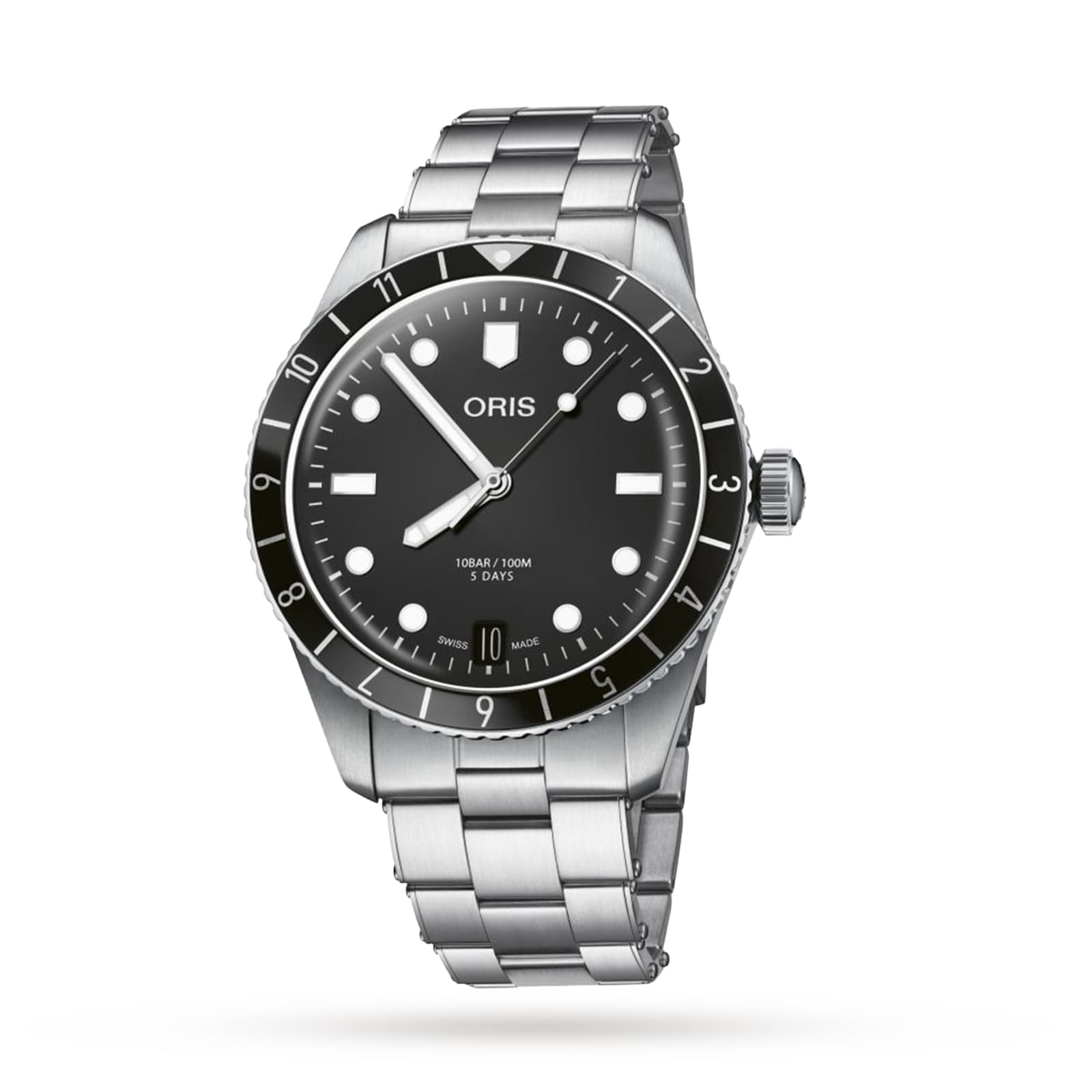 Divers Sixty-Five5 pcs · from 1 777.57 €
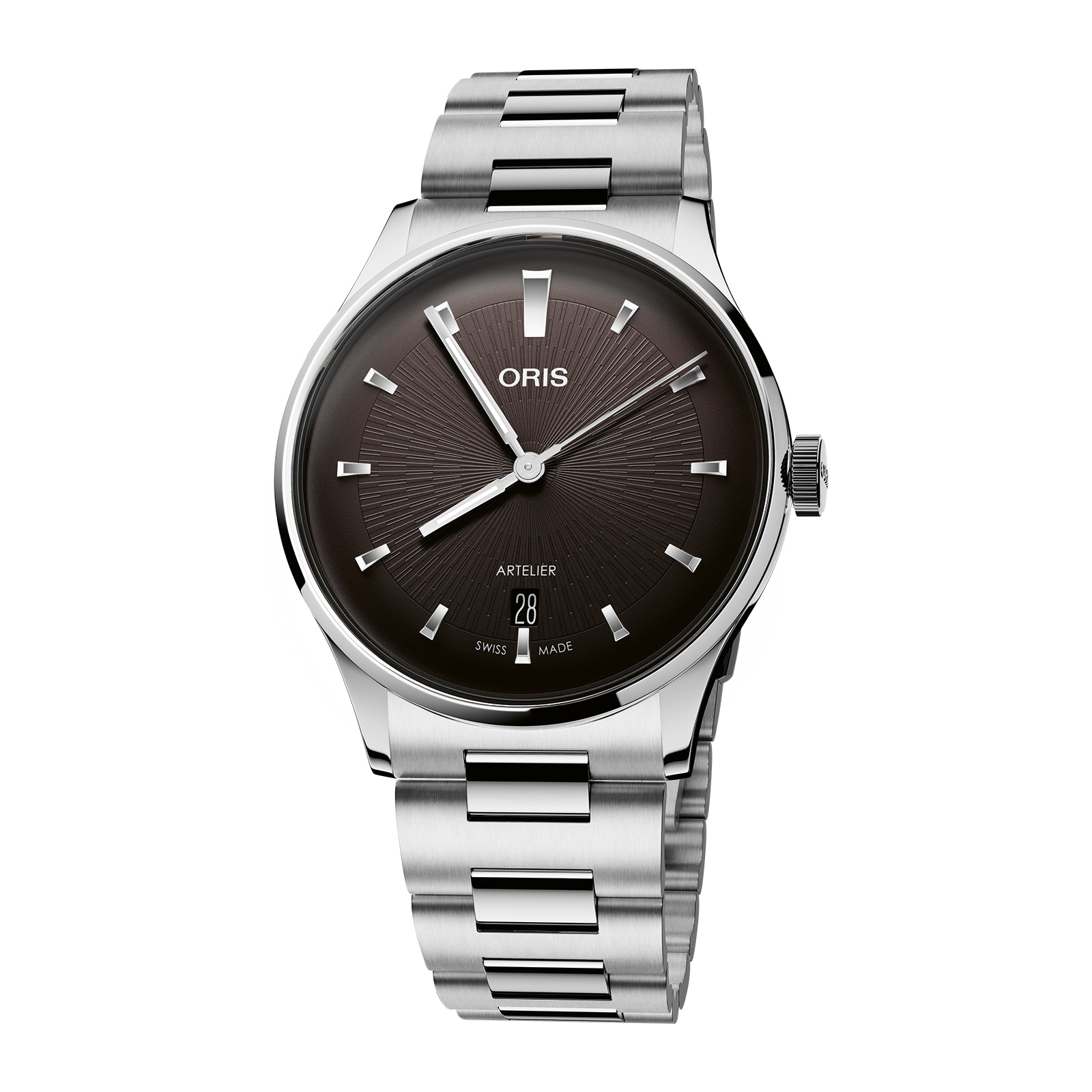 Artelier5 pcs · from 2 417.49 €
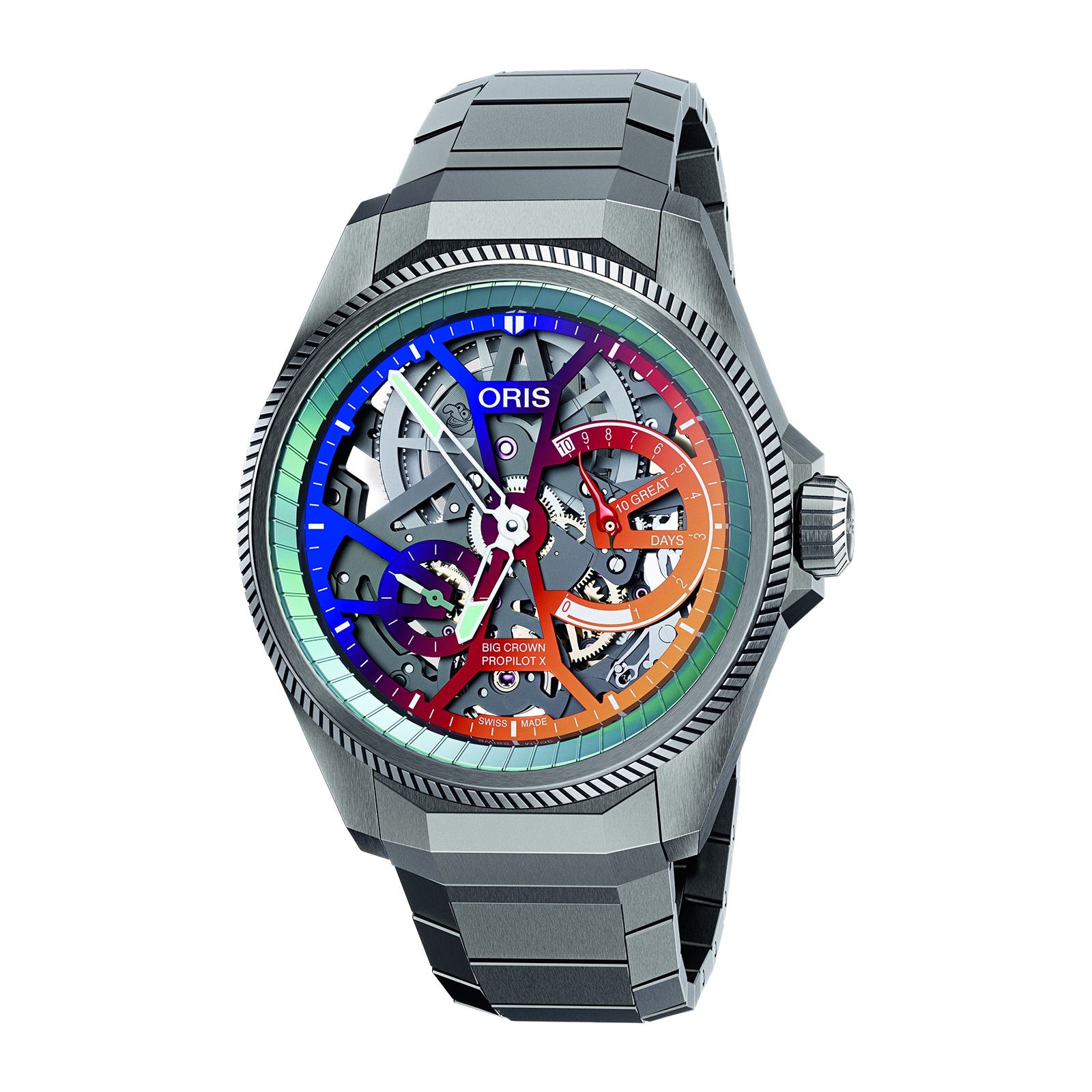 ProPilot X4 pcs · from 3 910.65 €
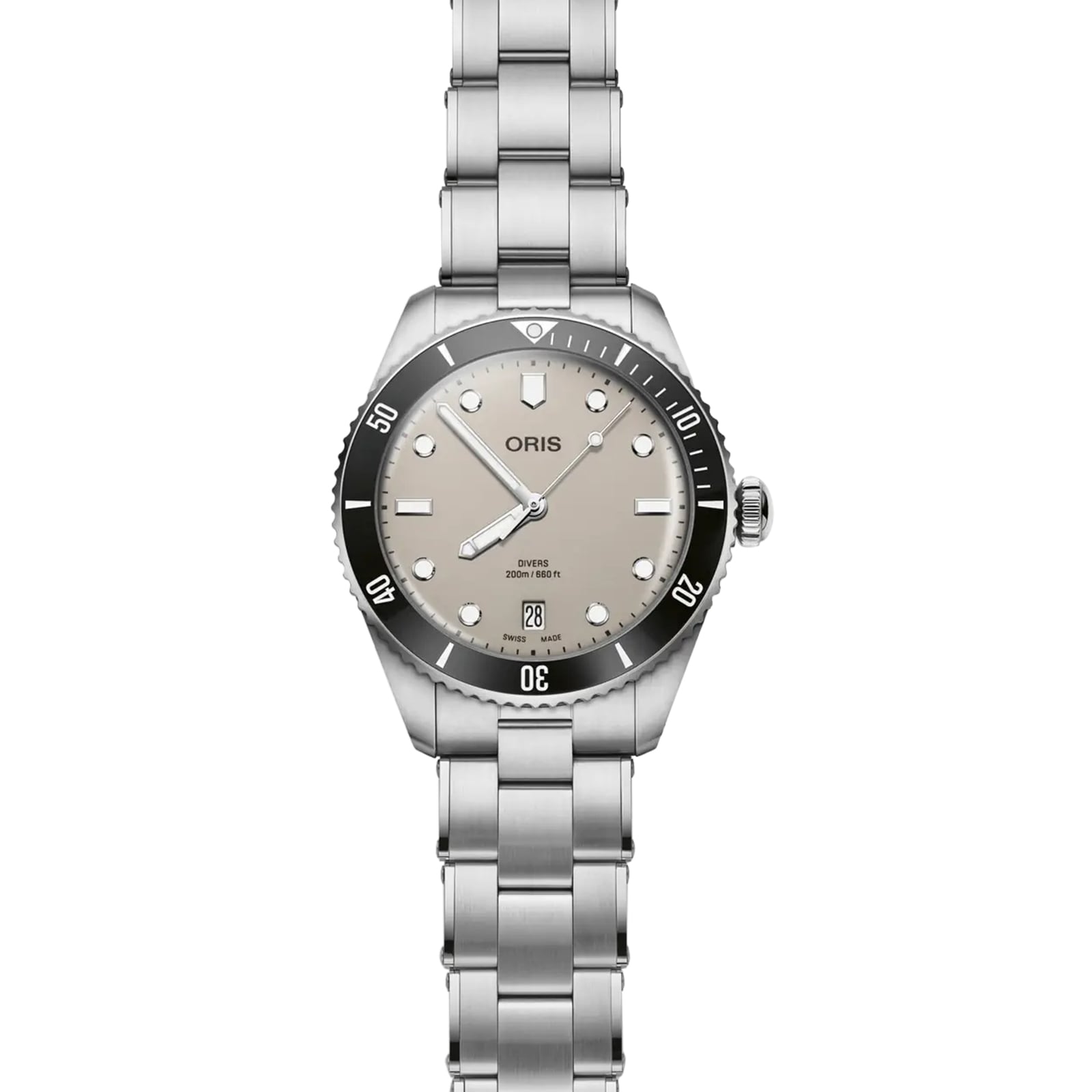 Divers4 pcs · from 1 830.00 €
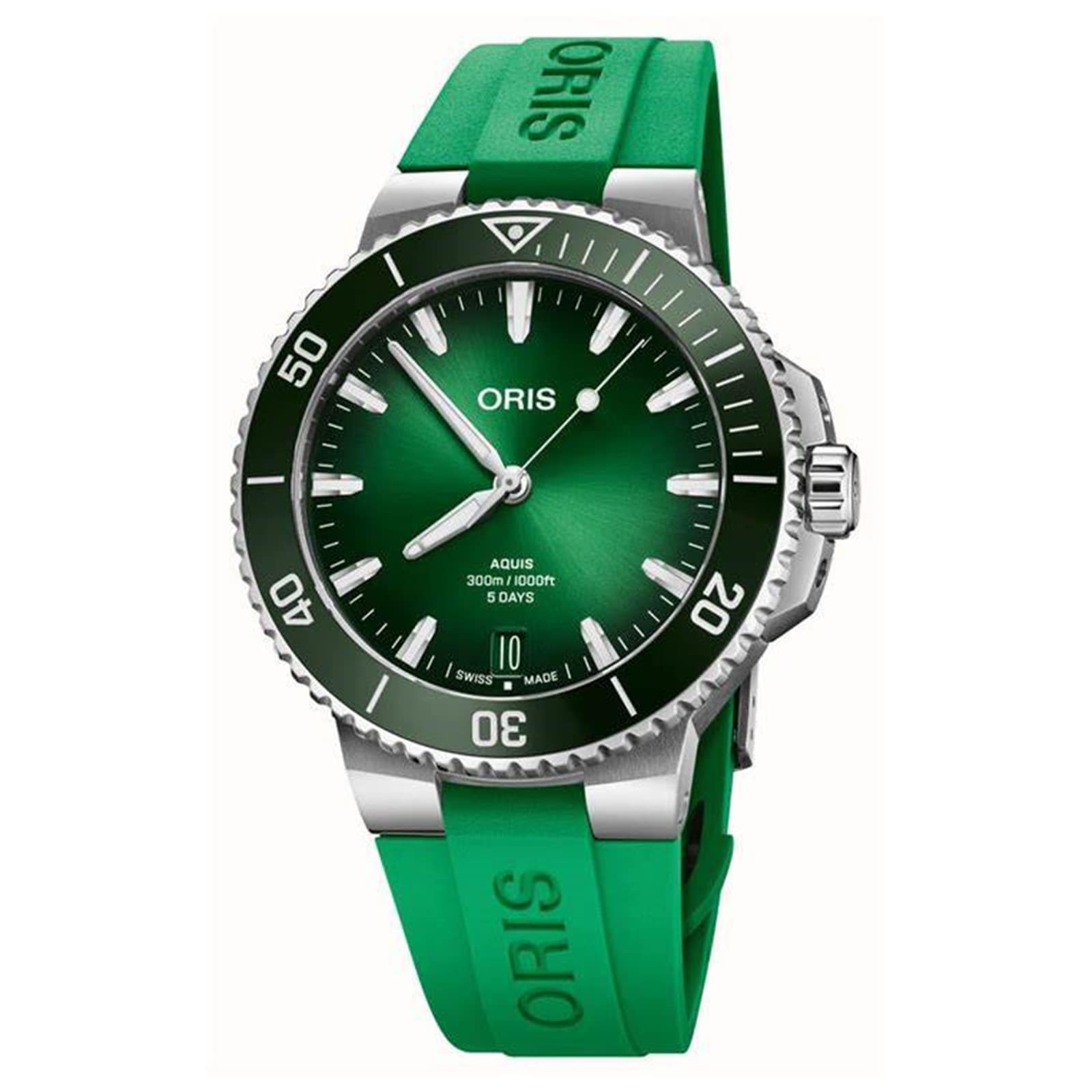 Aquis Calibre3 pcs · from 3 334.72 €
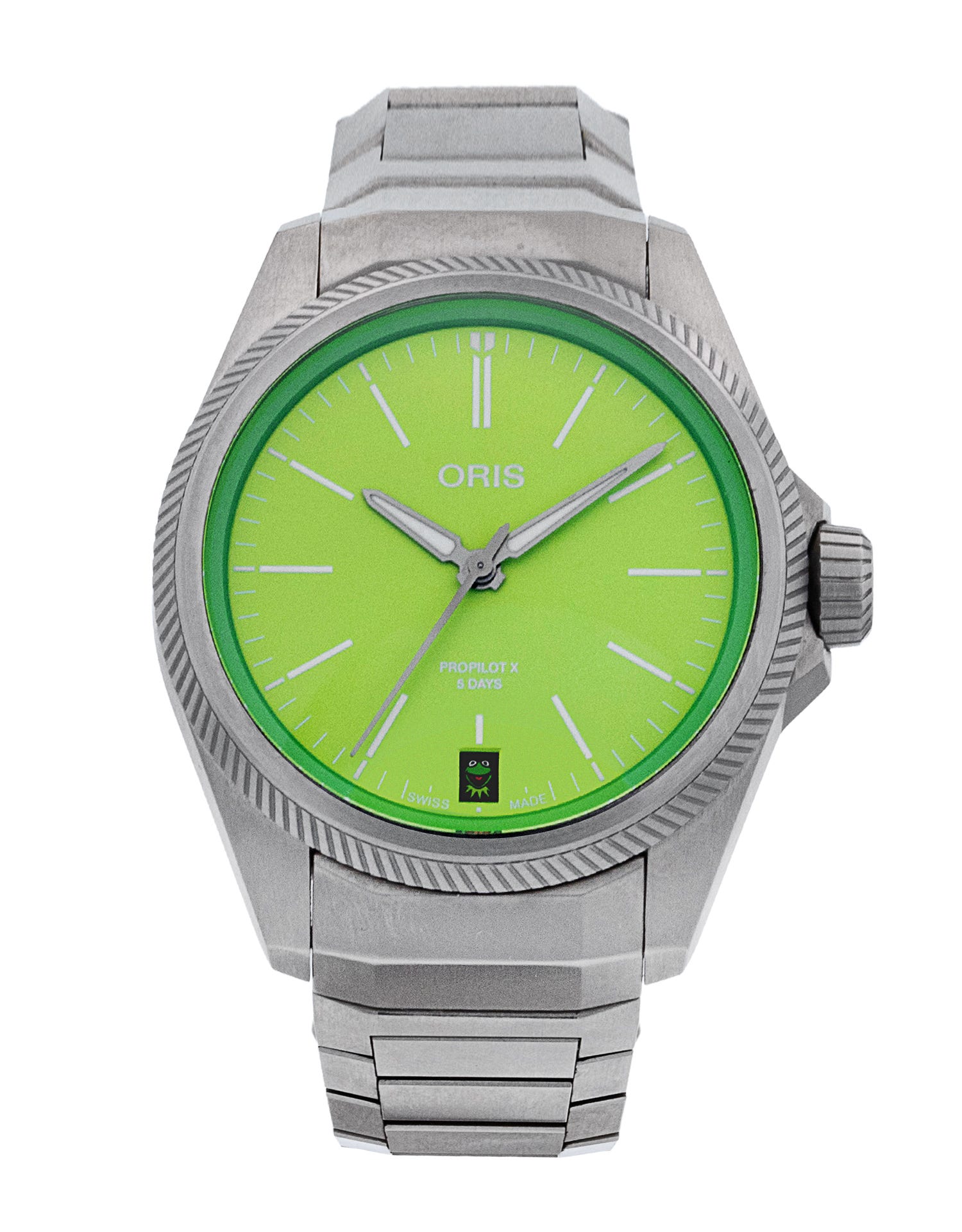 ProPilot3 pcs · from 2 773.01 €
Models
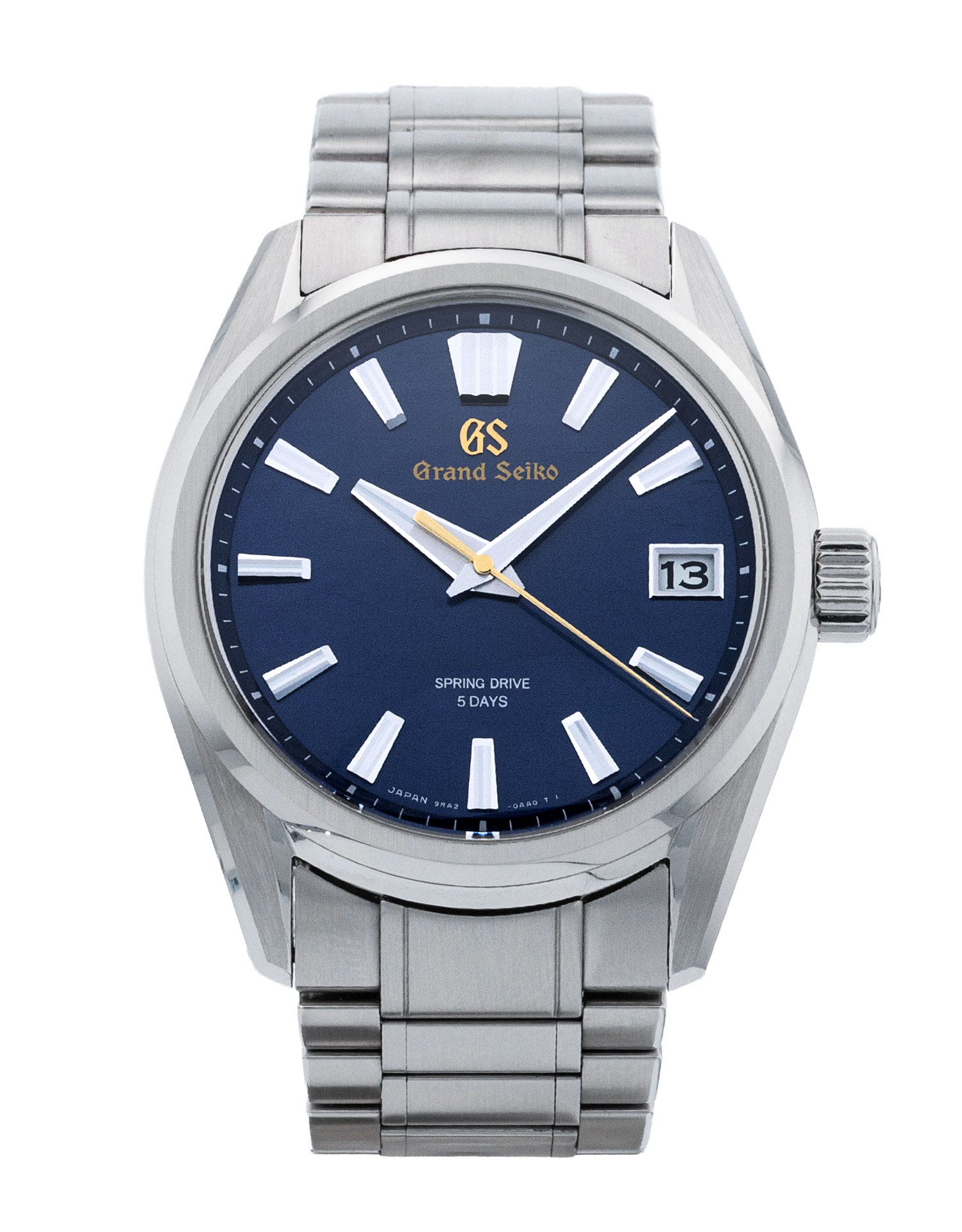 Heritage Collection13 pcs · from 2 773.01 €
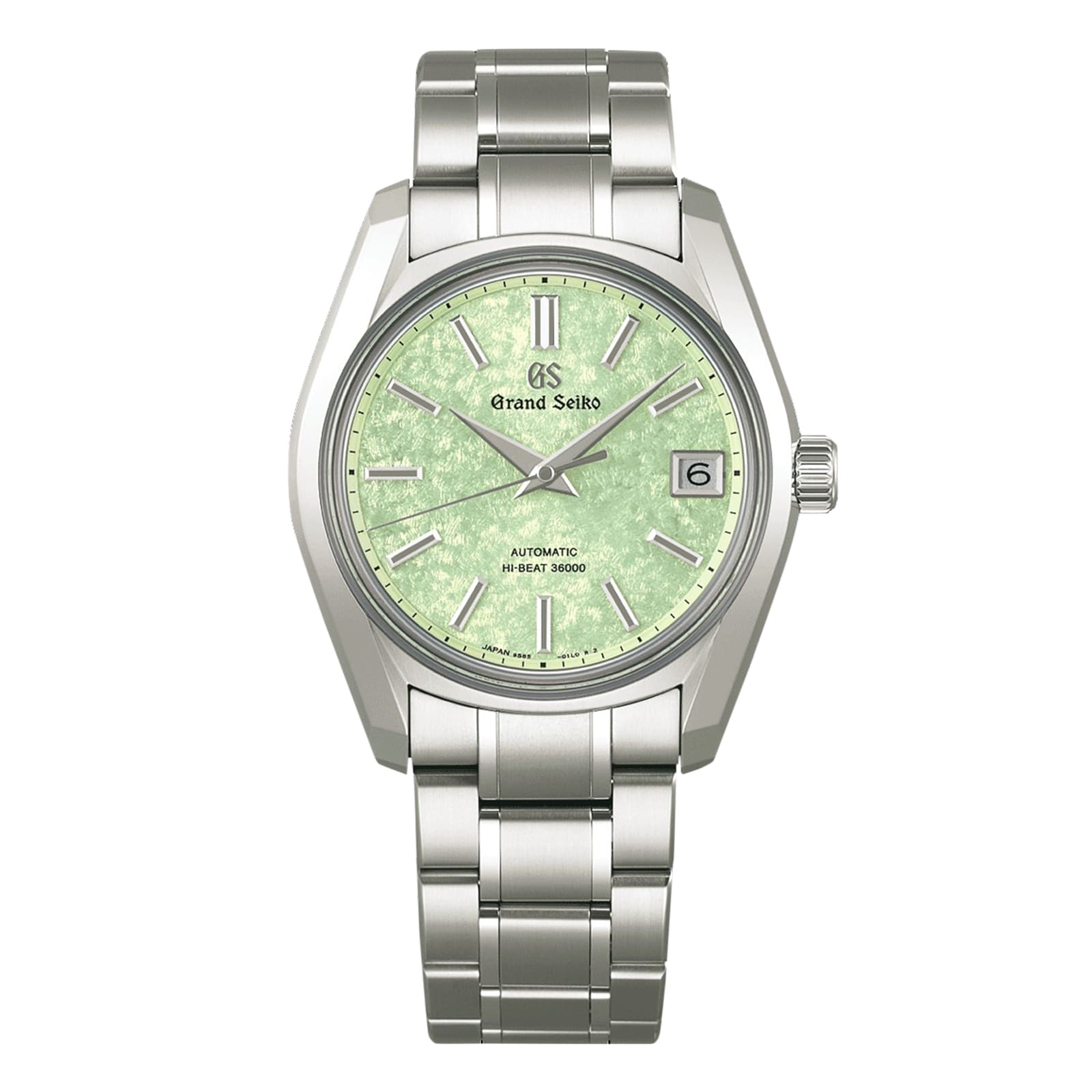 Heritage11 pcs · from 3 270.72 €
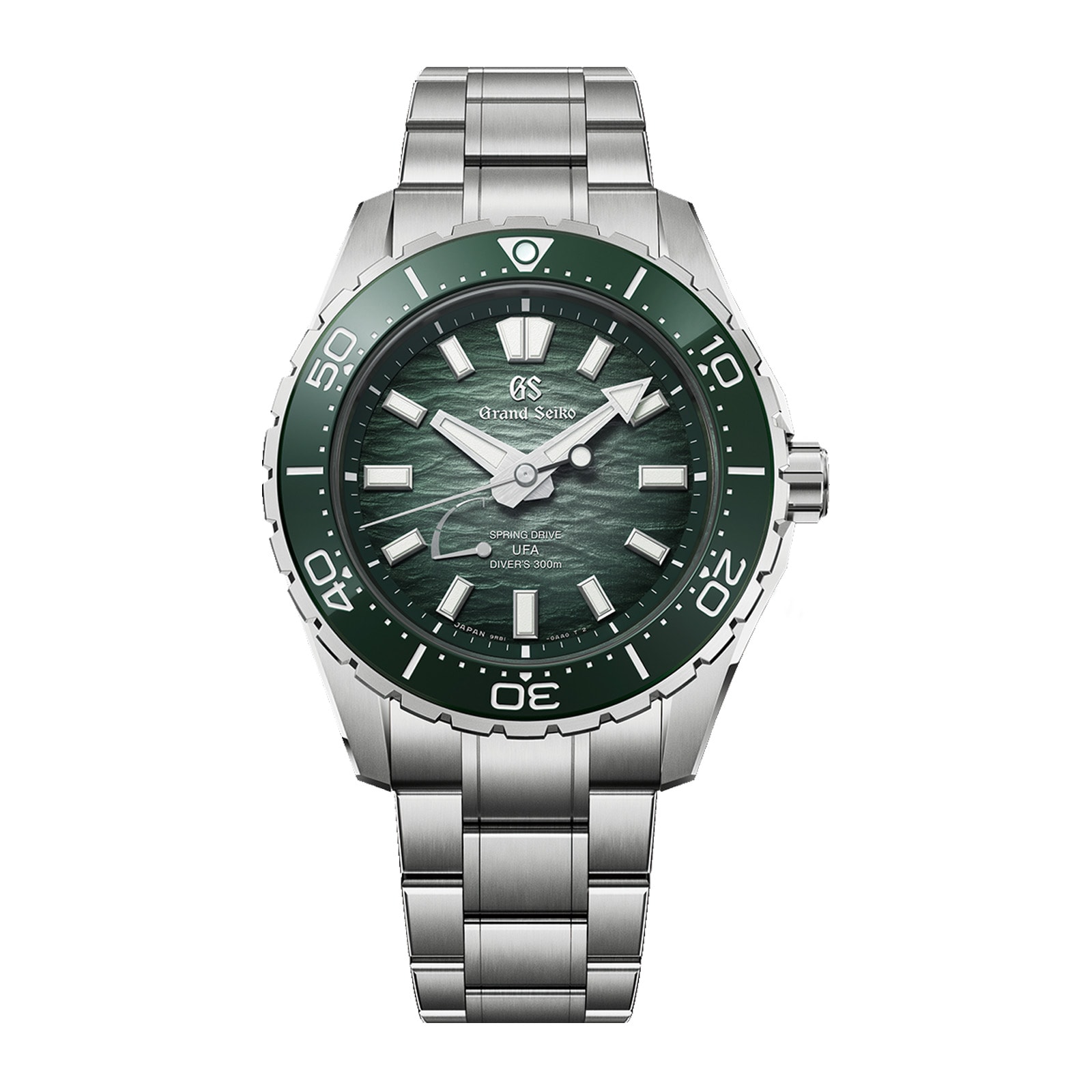 Evolution8 pcs · from 7 863.96 €
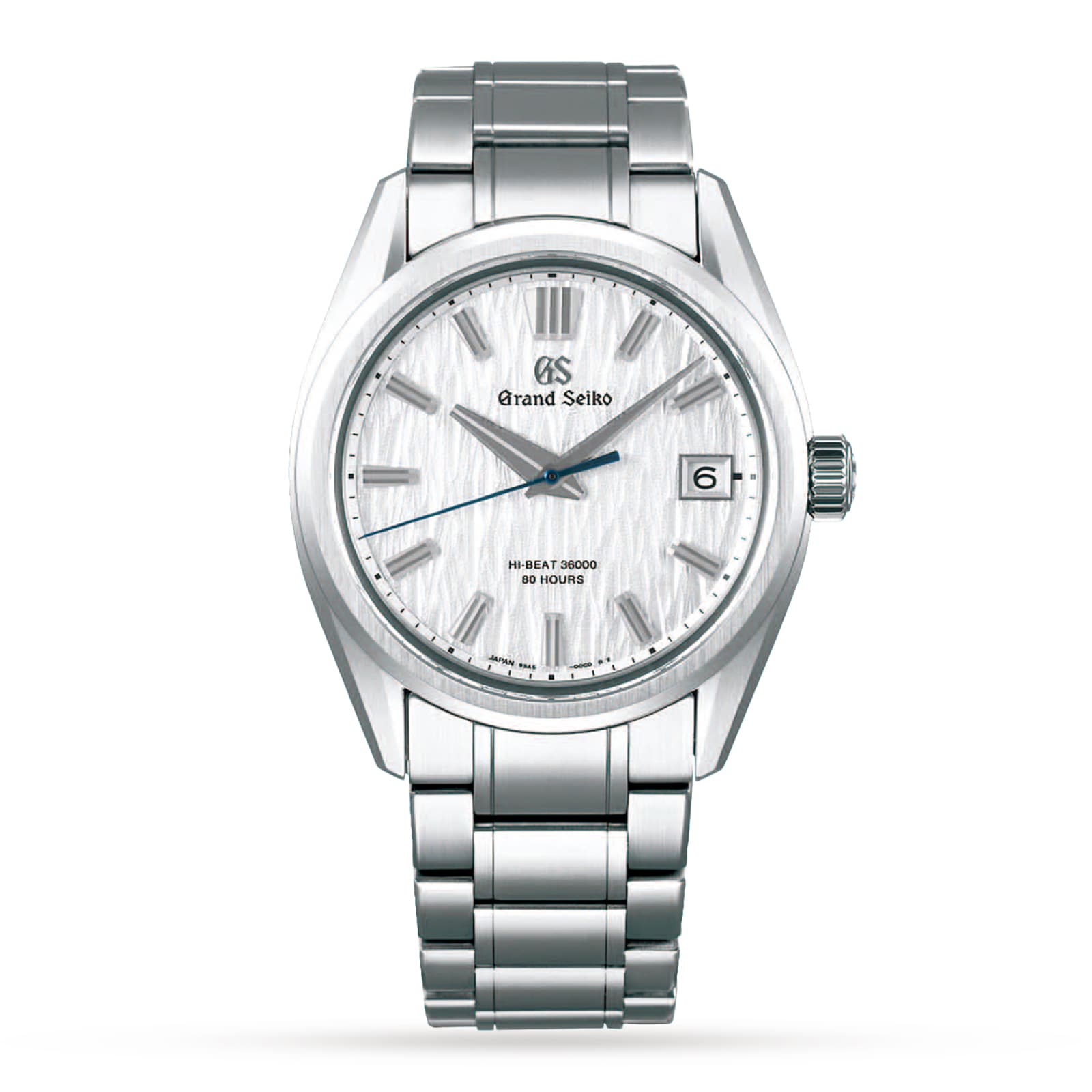 Grand Seiko5 pcs · from 8 461.22 €
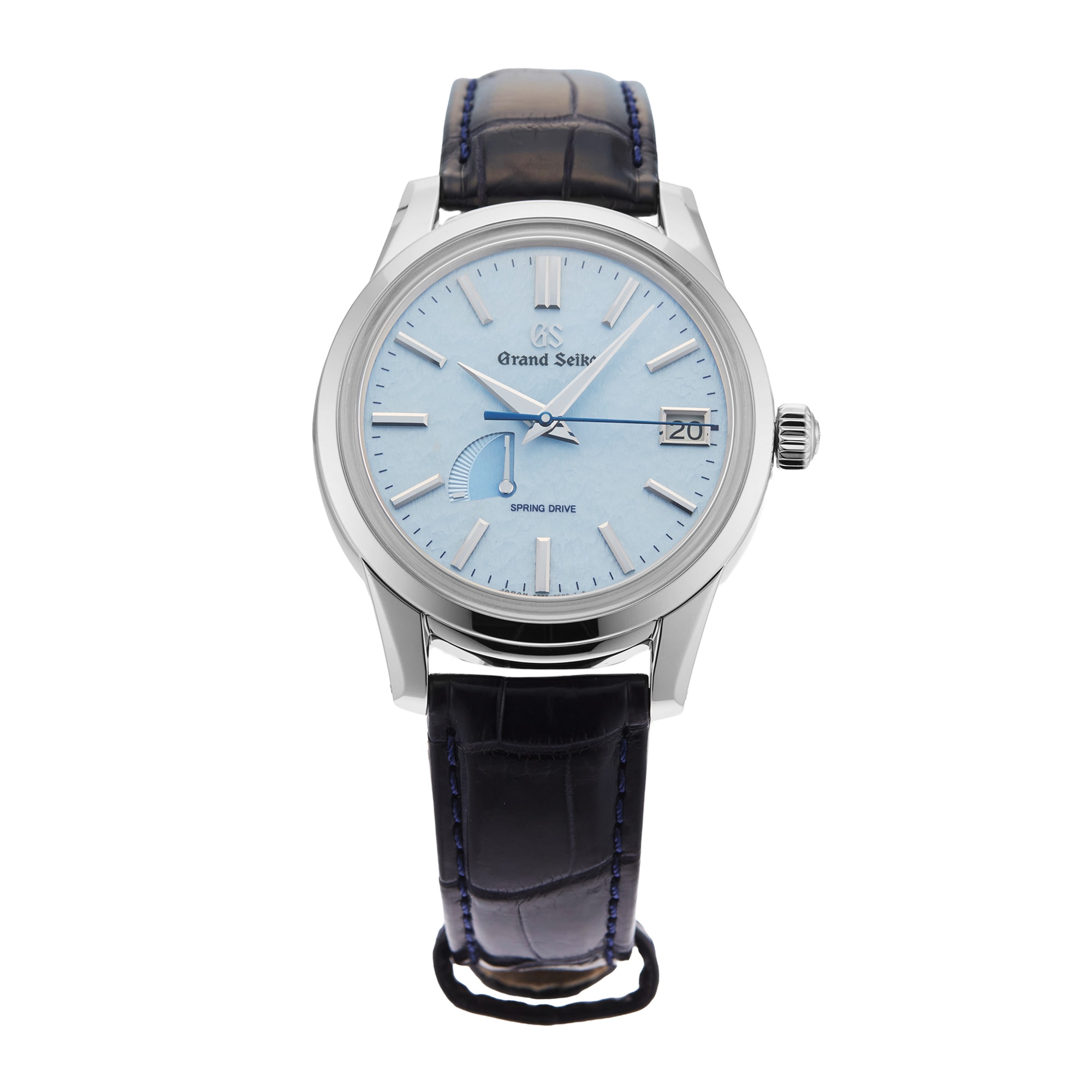 Elegance Collection5 pcs · from 3 906.00 €
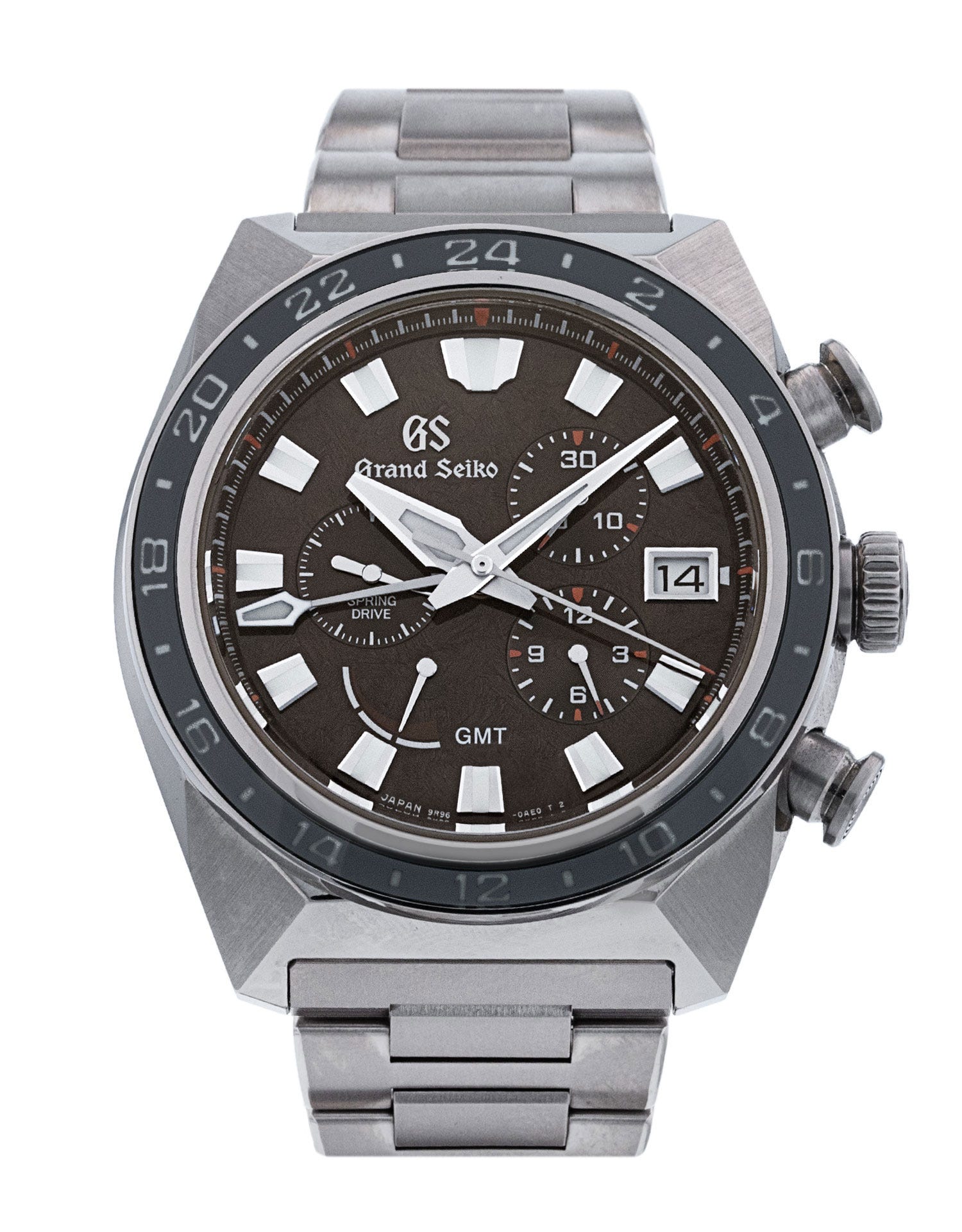 Sport Collection4 pcs · from 4 692.78 €
Models
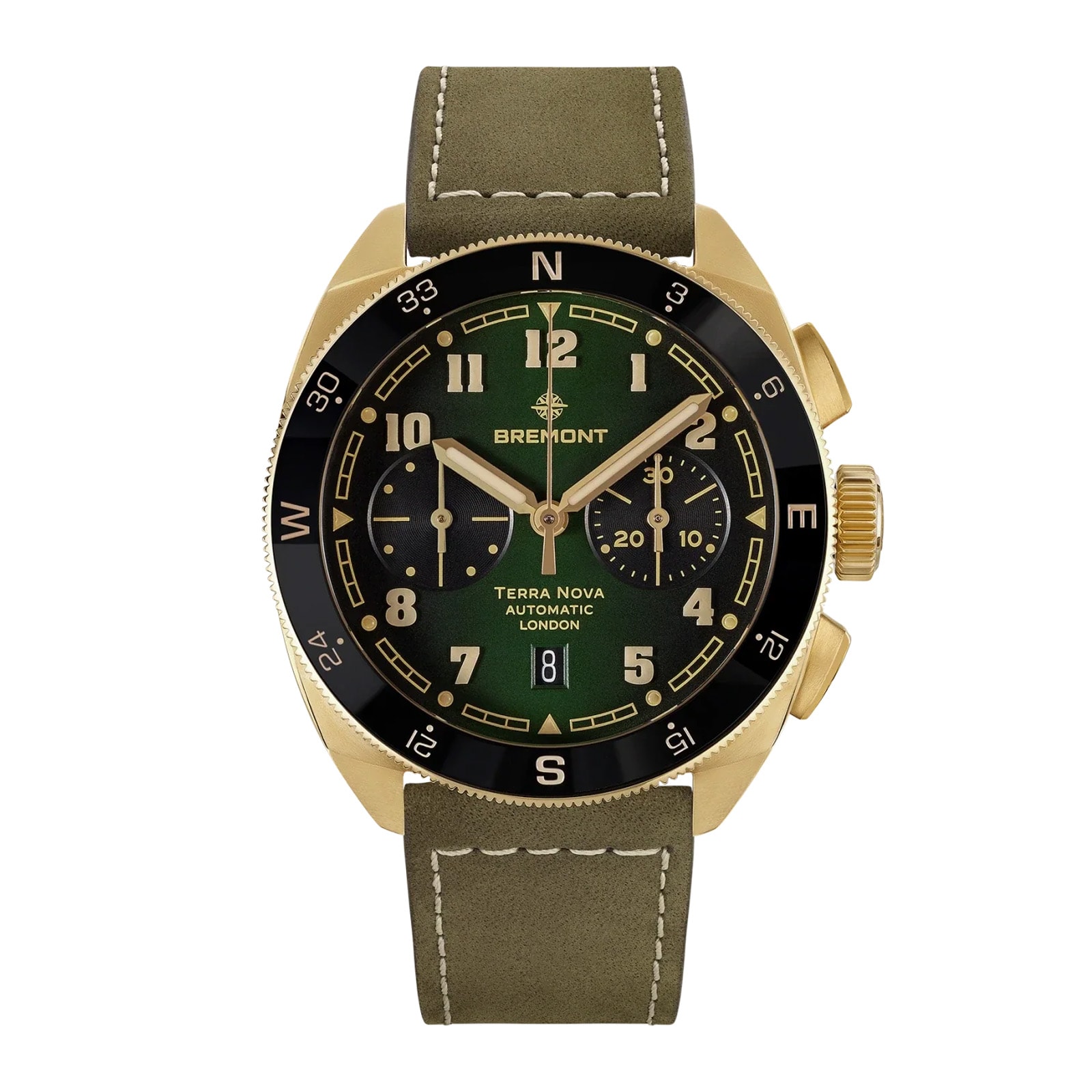 Terra Nova10 pcs · from 4 052.85 €
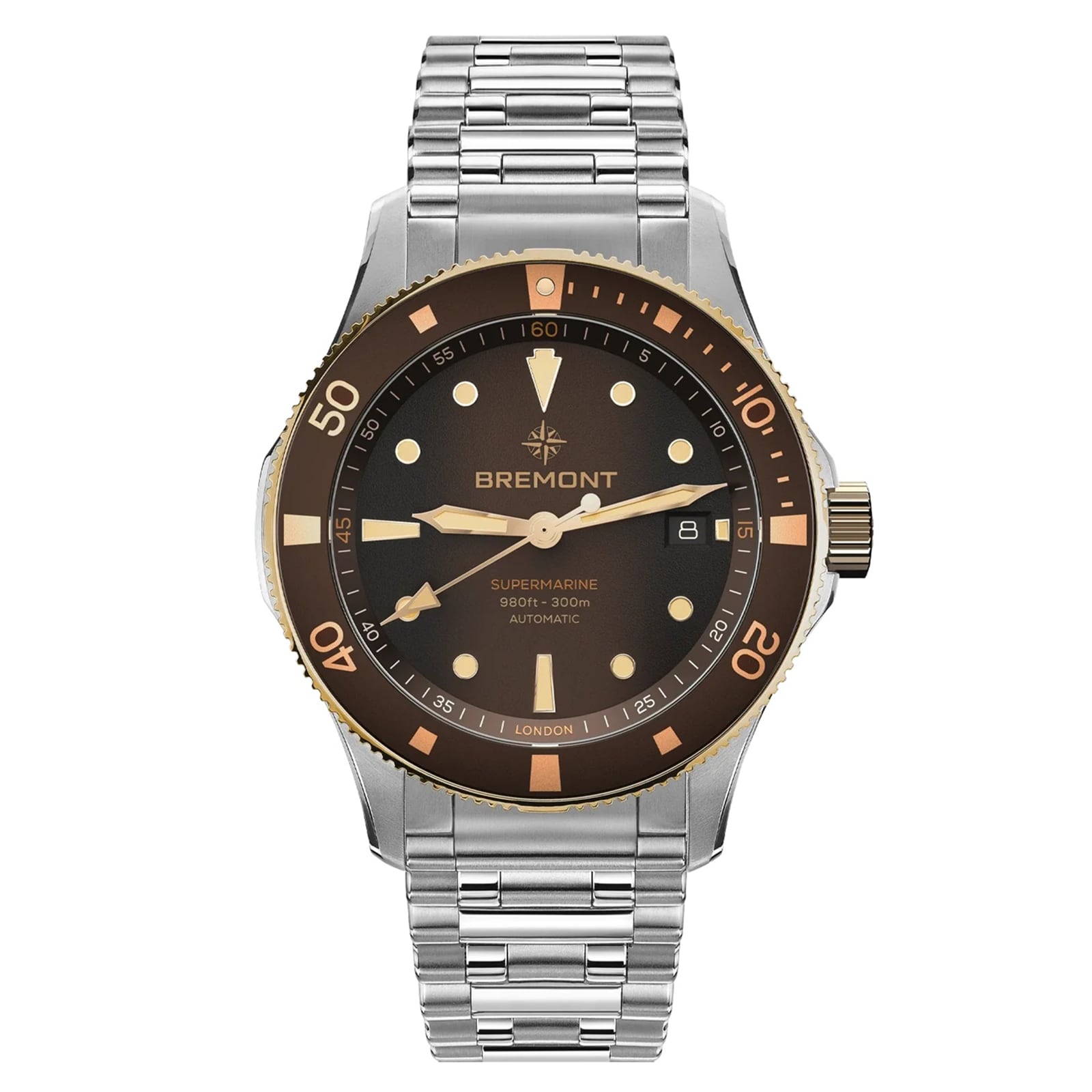 Supermarine9 pcs · from 3 341.83 €
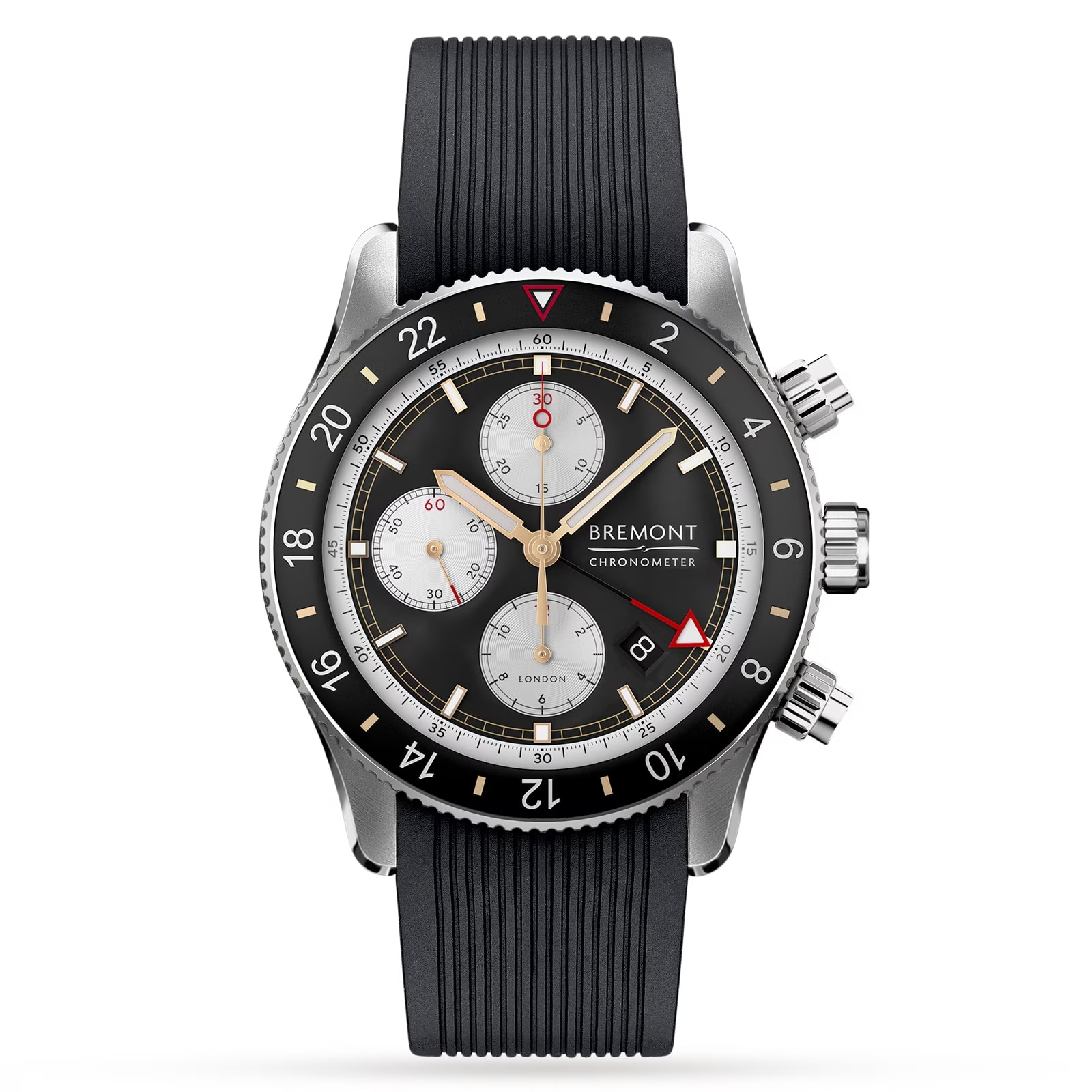 Bremont Supermarine7 pcs · from 4 187.95 €
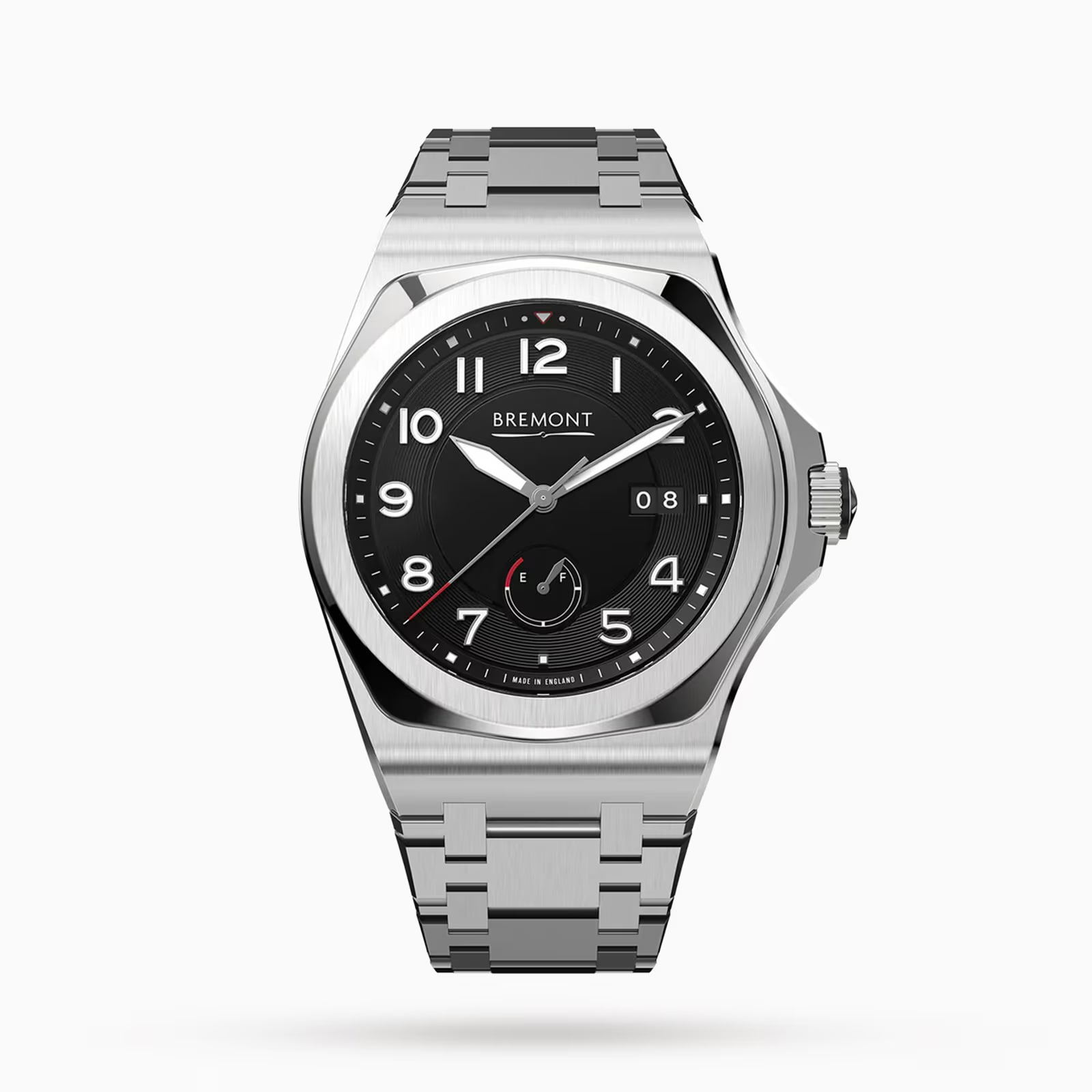 Bremont5 pcs · from 6 257.04 €
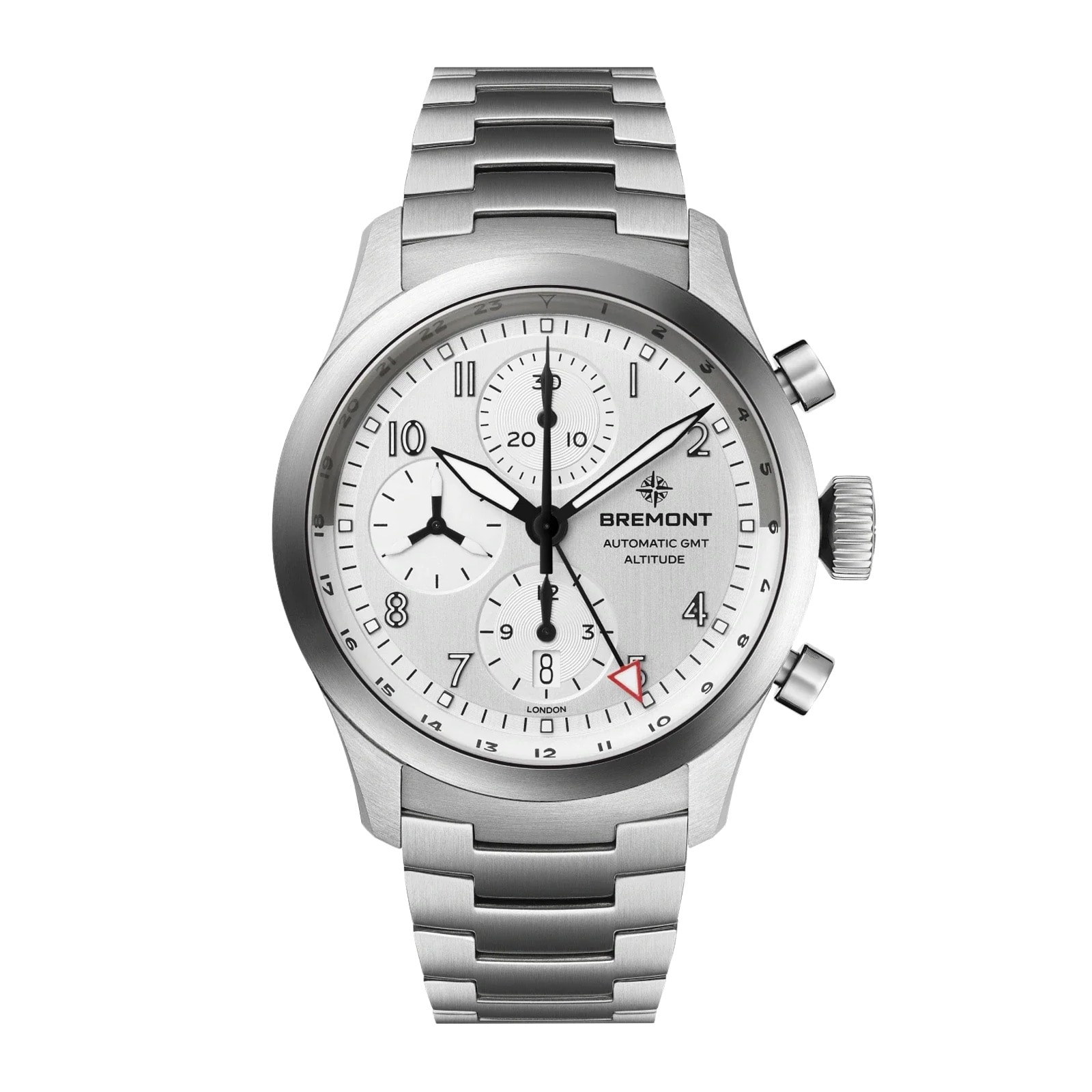 Altitude4 pcs · from 5 261.60 €
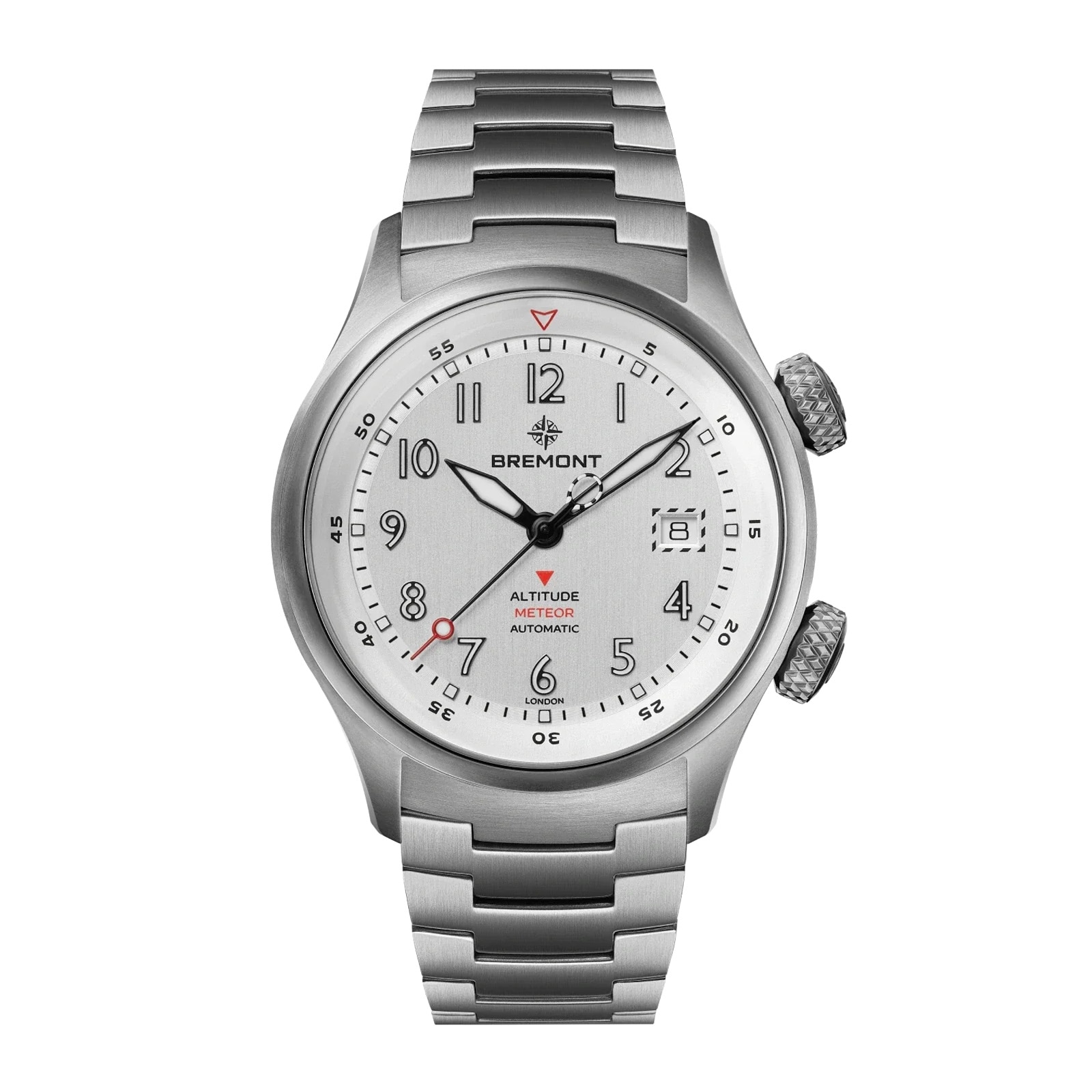 Altitude MB3 pcs · from 6 541.45 €
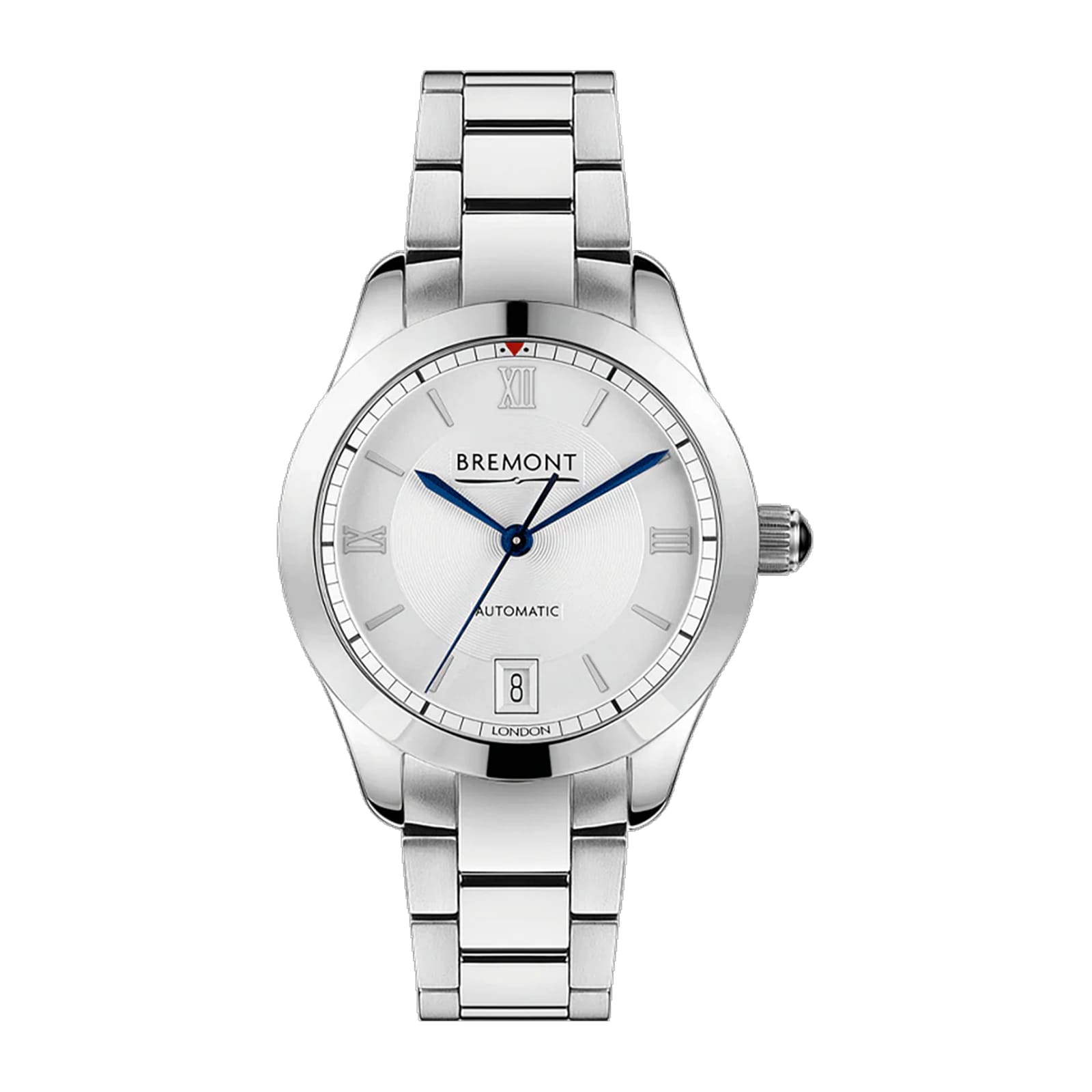 Solo3 pcs · from 2 773.01 €
Models
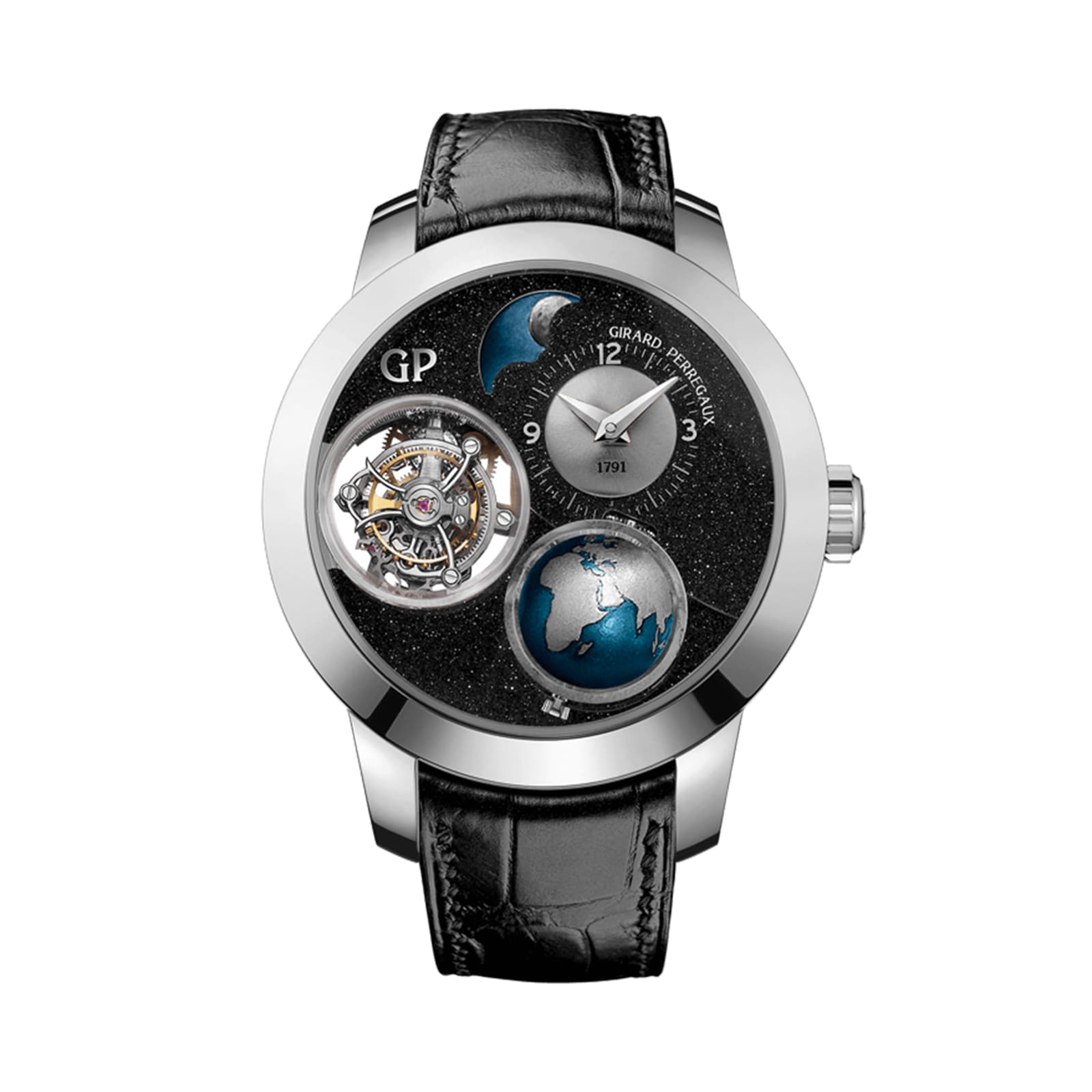 Girard Perregaux41 pcs · from 10 736.51 €
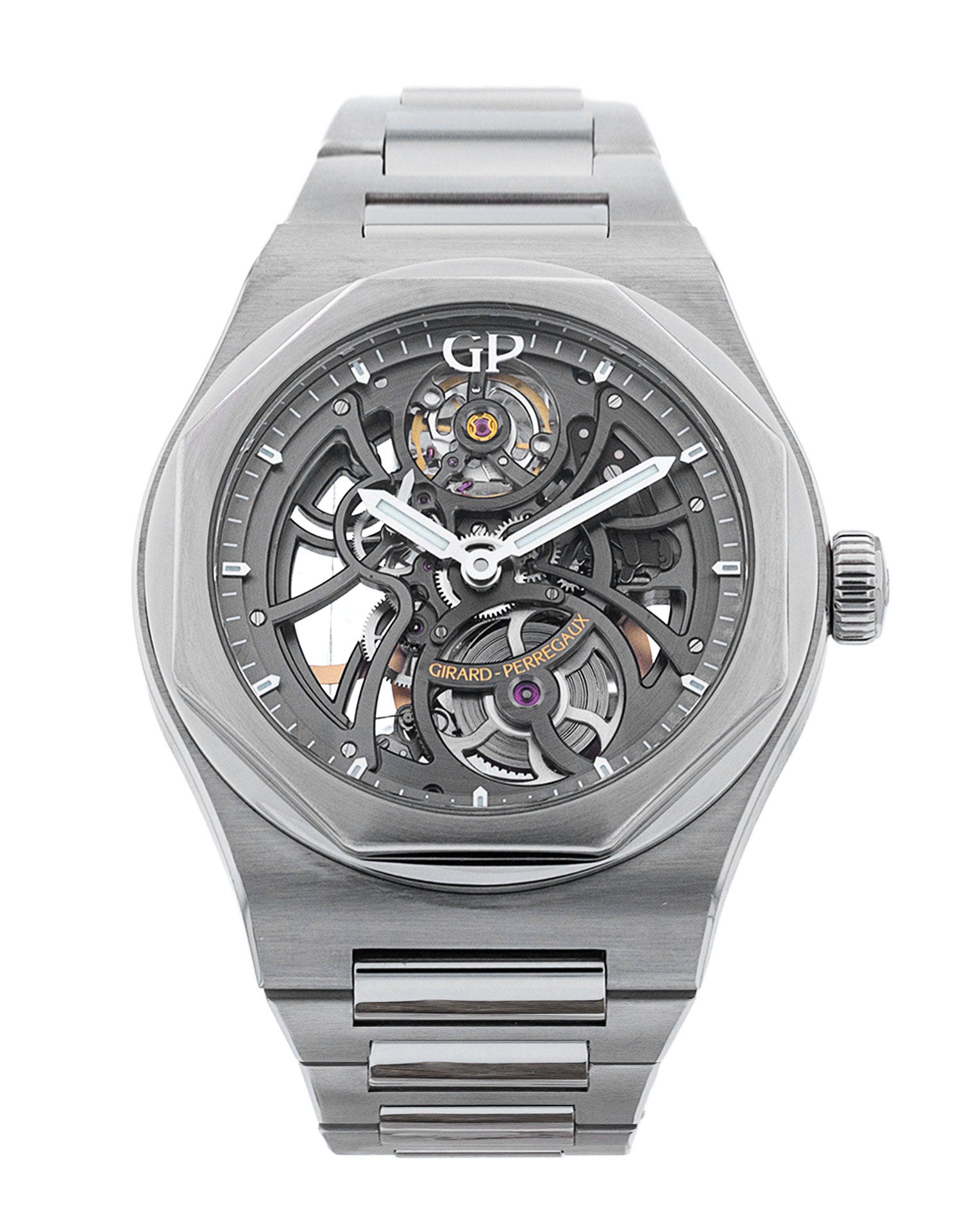 Laureato12 pcs · from 9 630.00 €
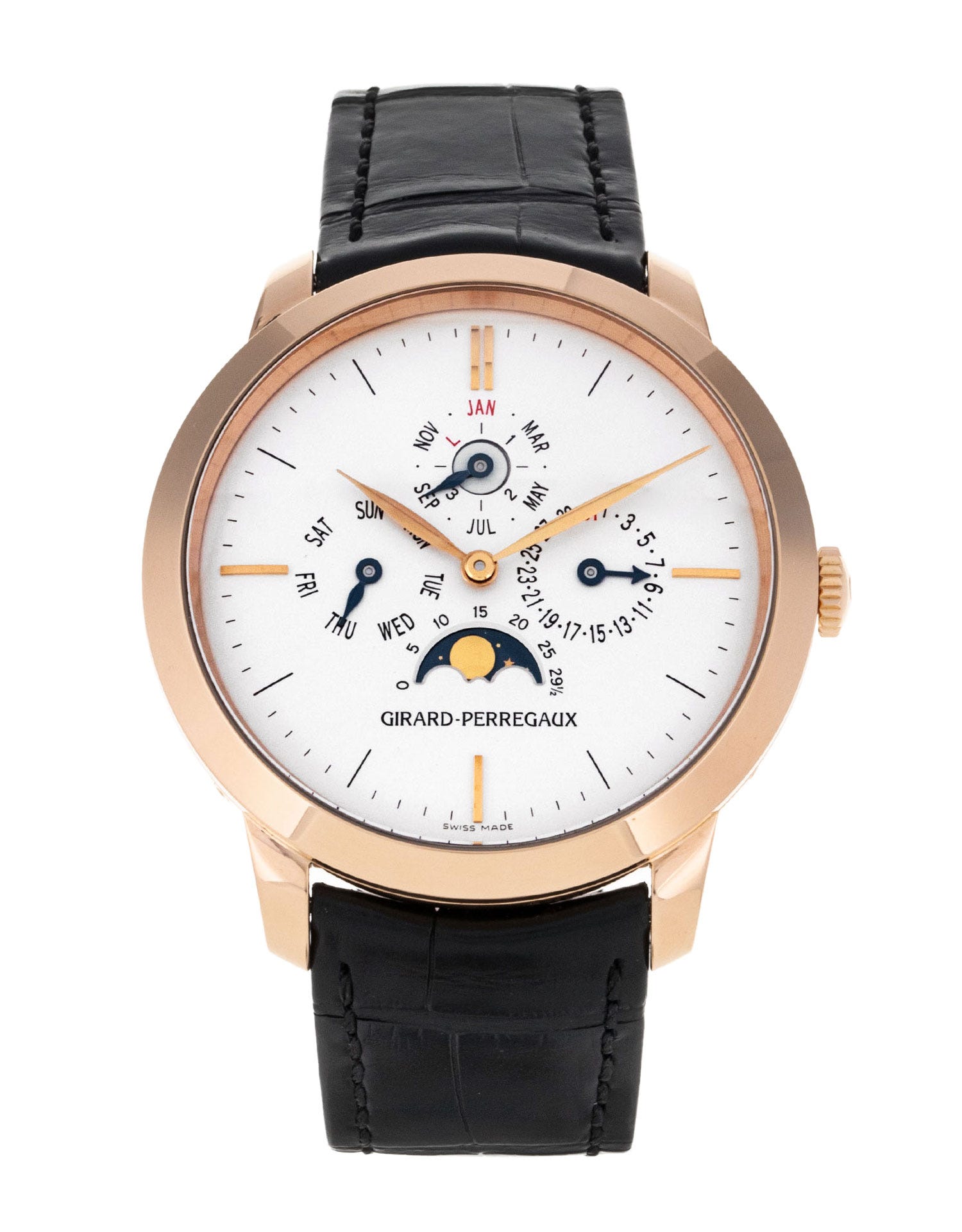 19664 pcs · from 5 490.00 €
Models
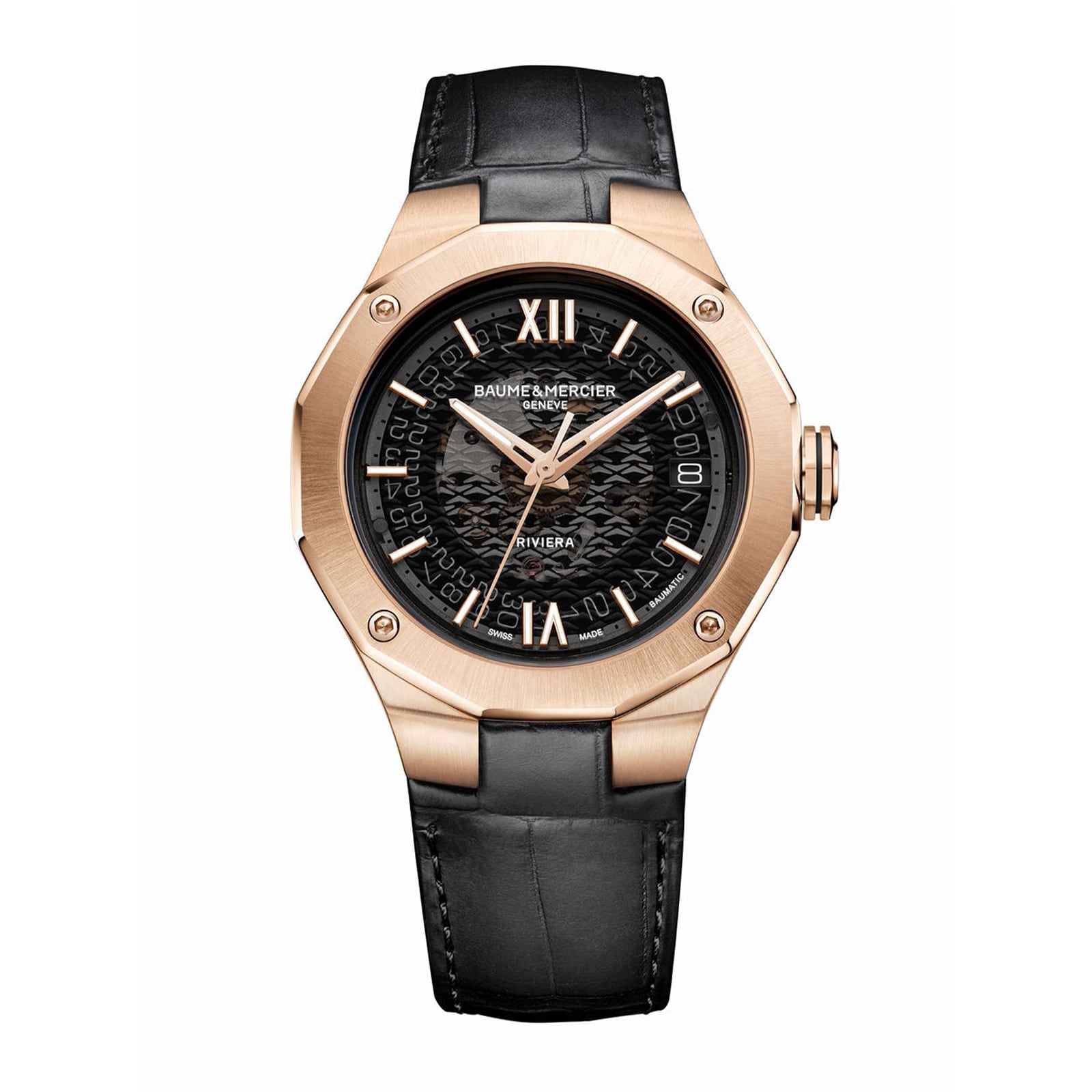 Riviera22 pcs · from 2 204.18 €
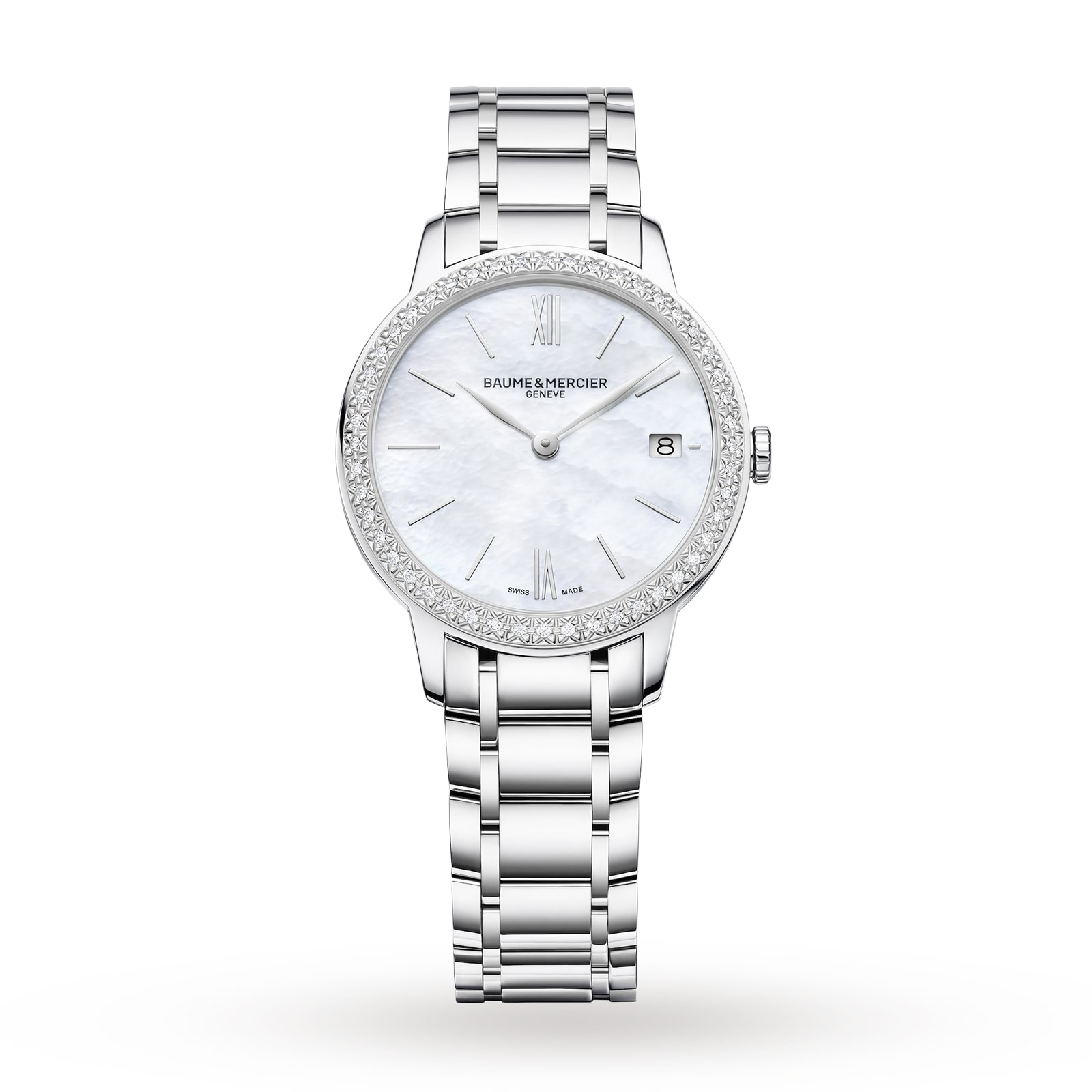 Classima12 pcs · from 1 208.75 €
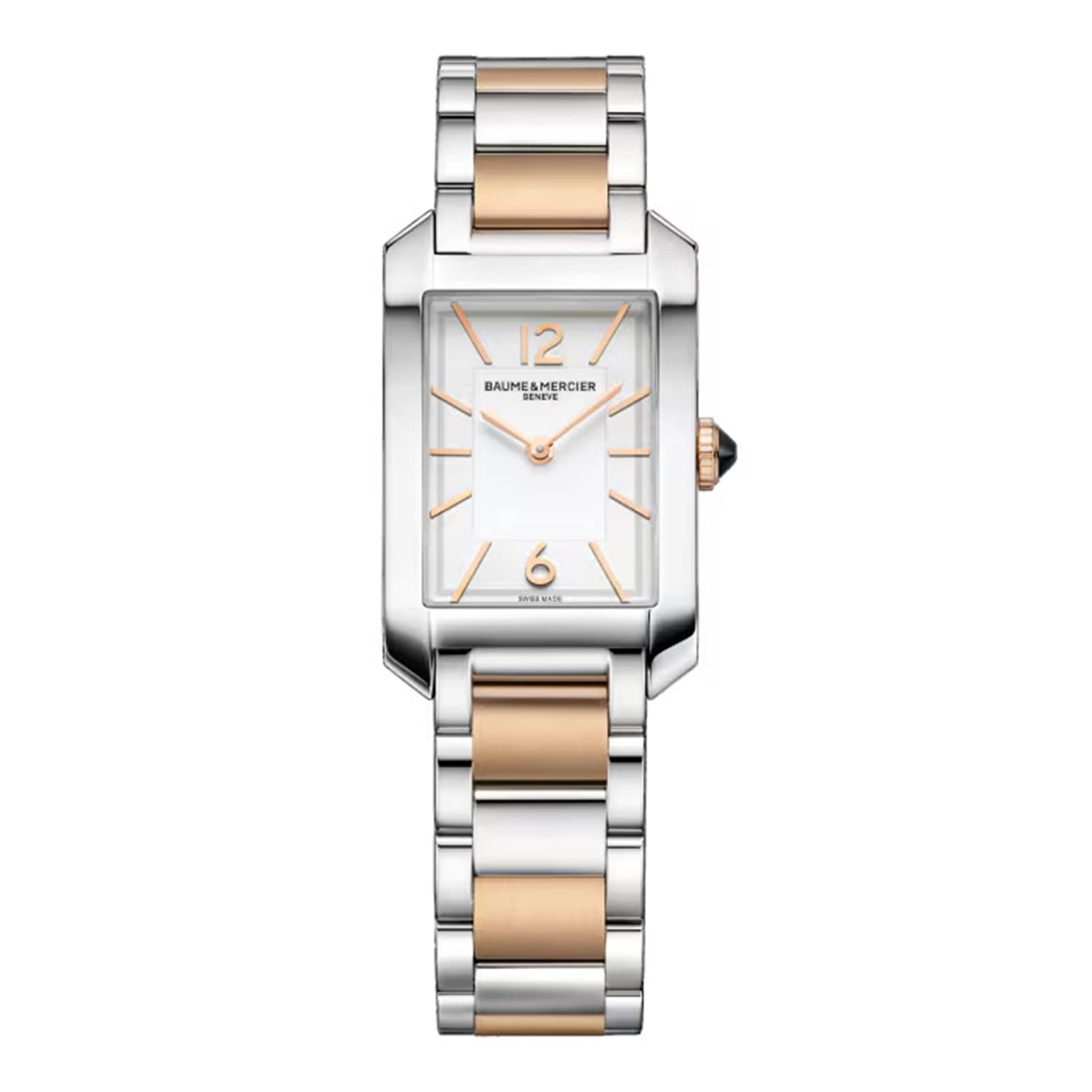 Hampton11 pcs · from 1 692.24 €
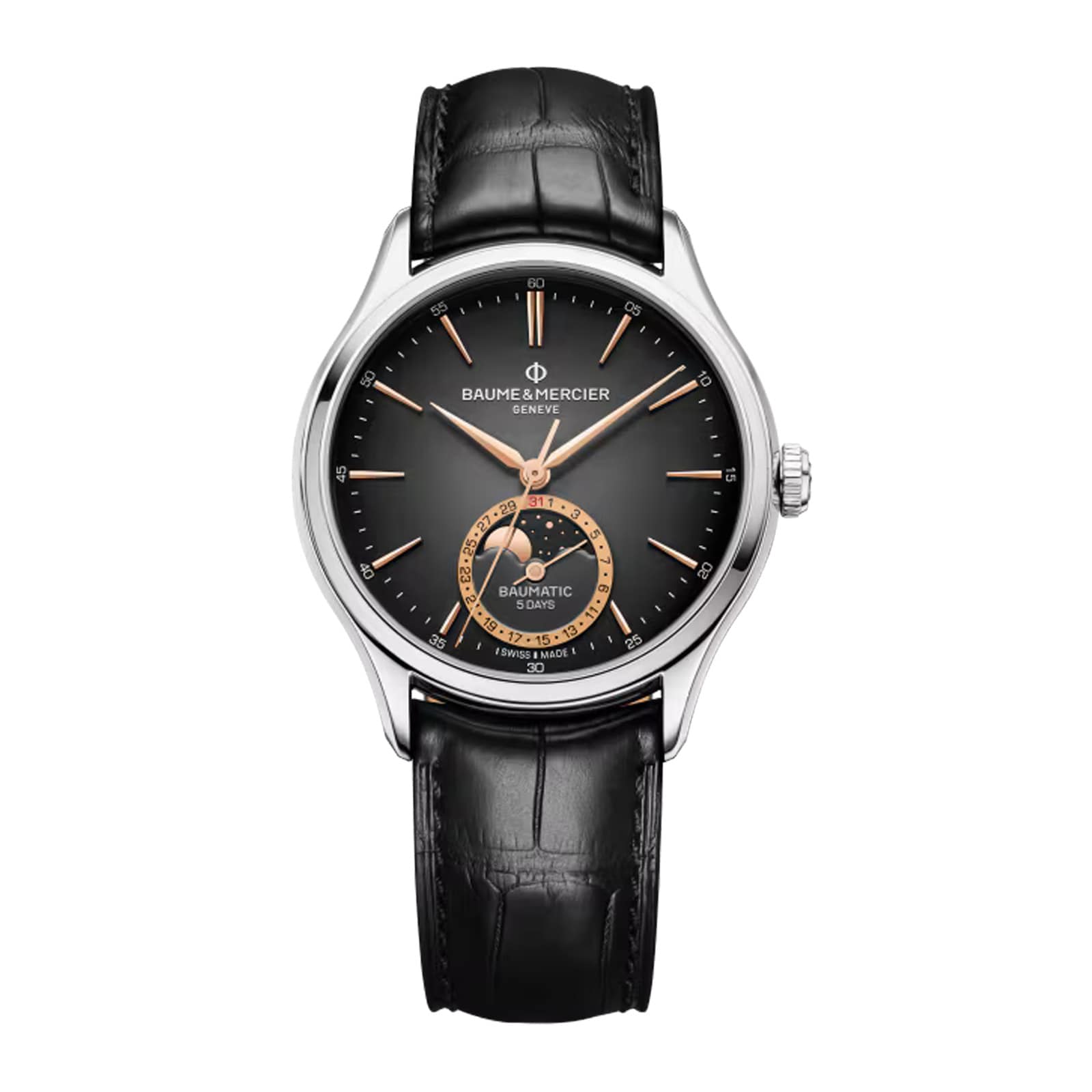 Clifton5 pcs · from 3 640.46 €
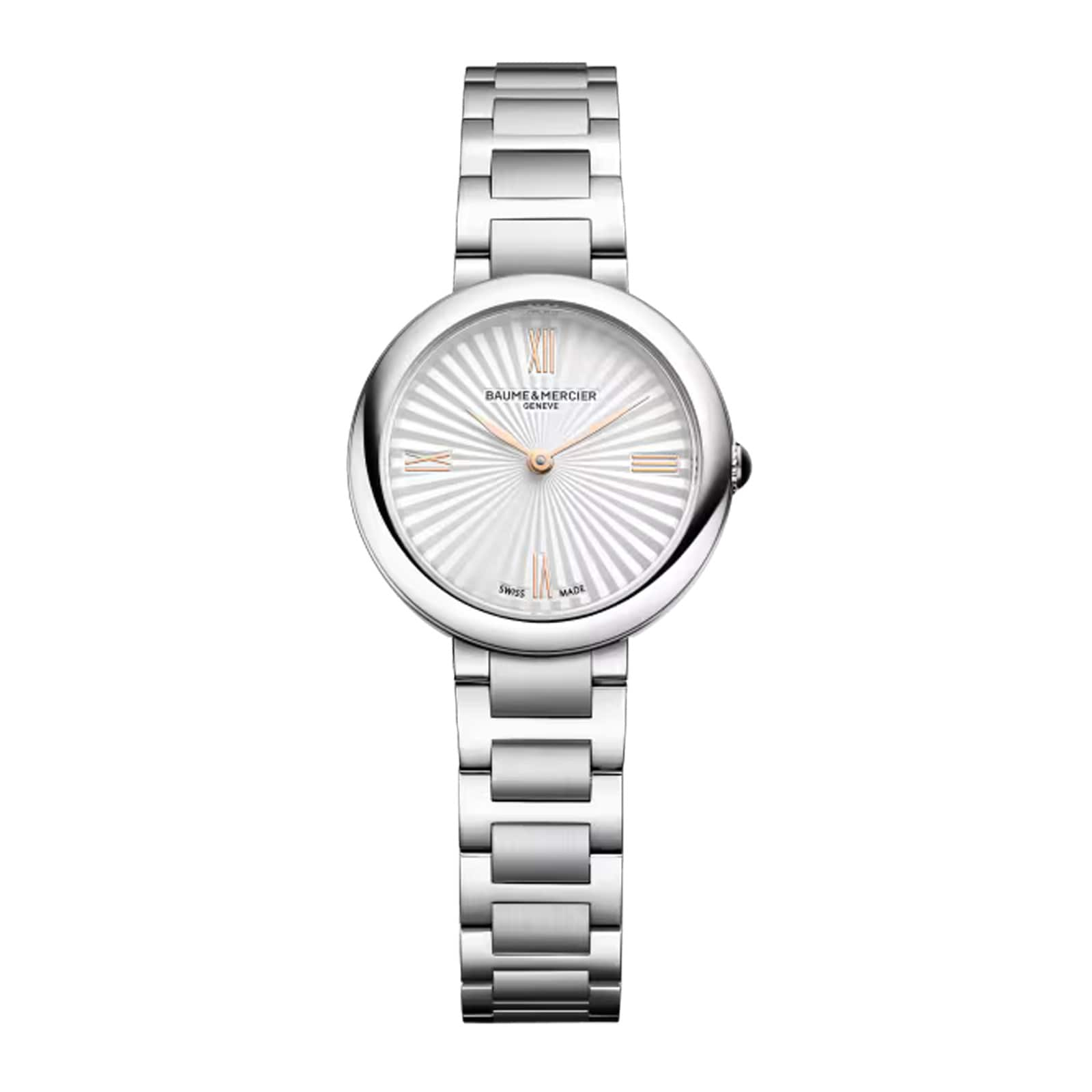 Joia3 pcs · from 1 692.24 €
Models
Models
Models
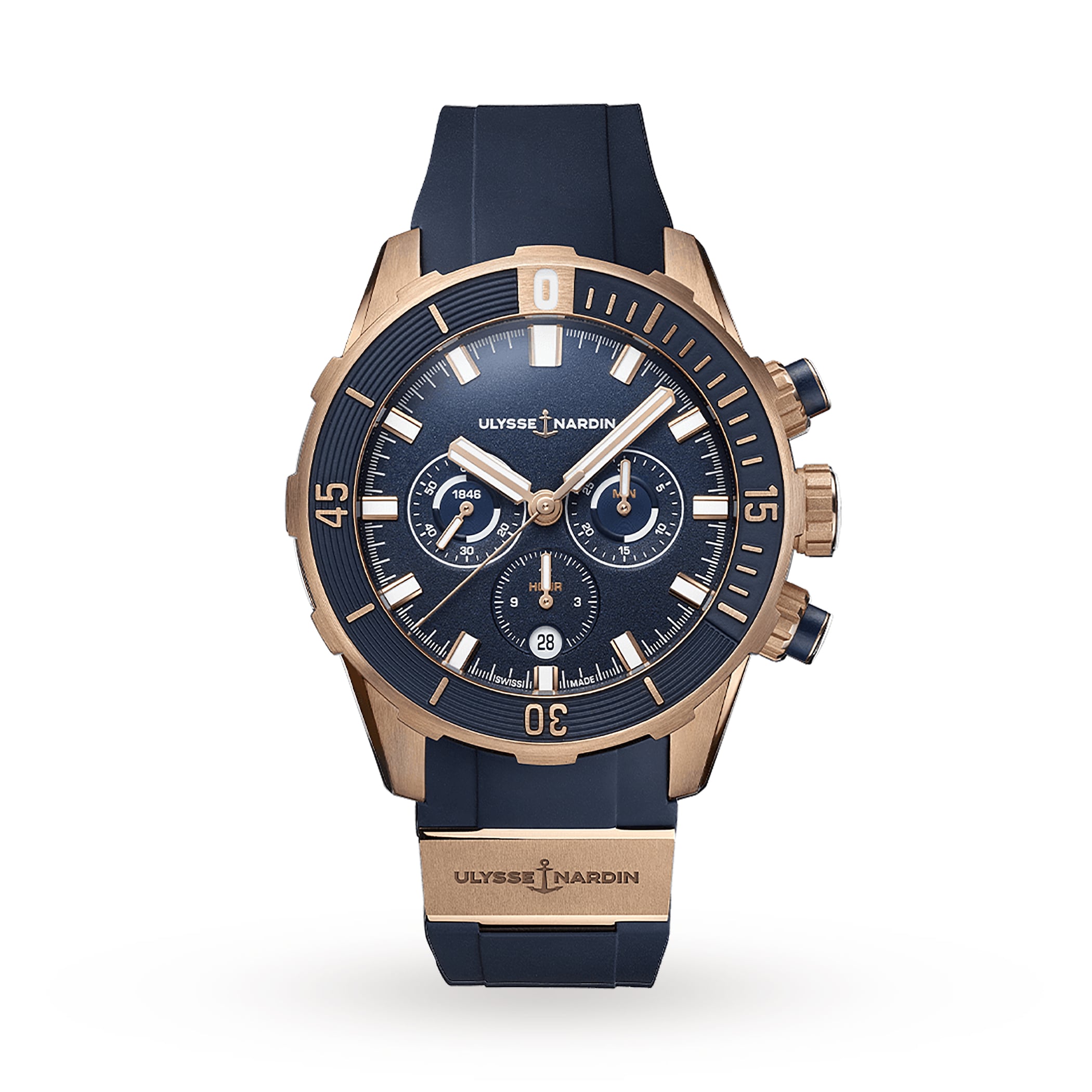 Diver15 pcs · from 9 314.45 €
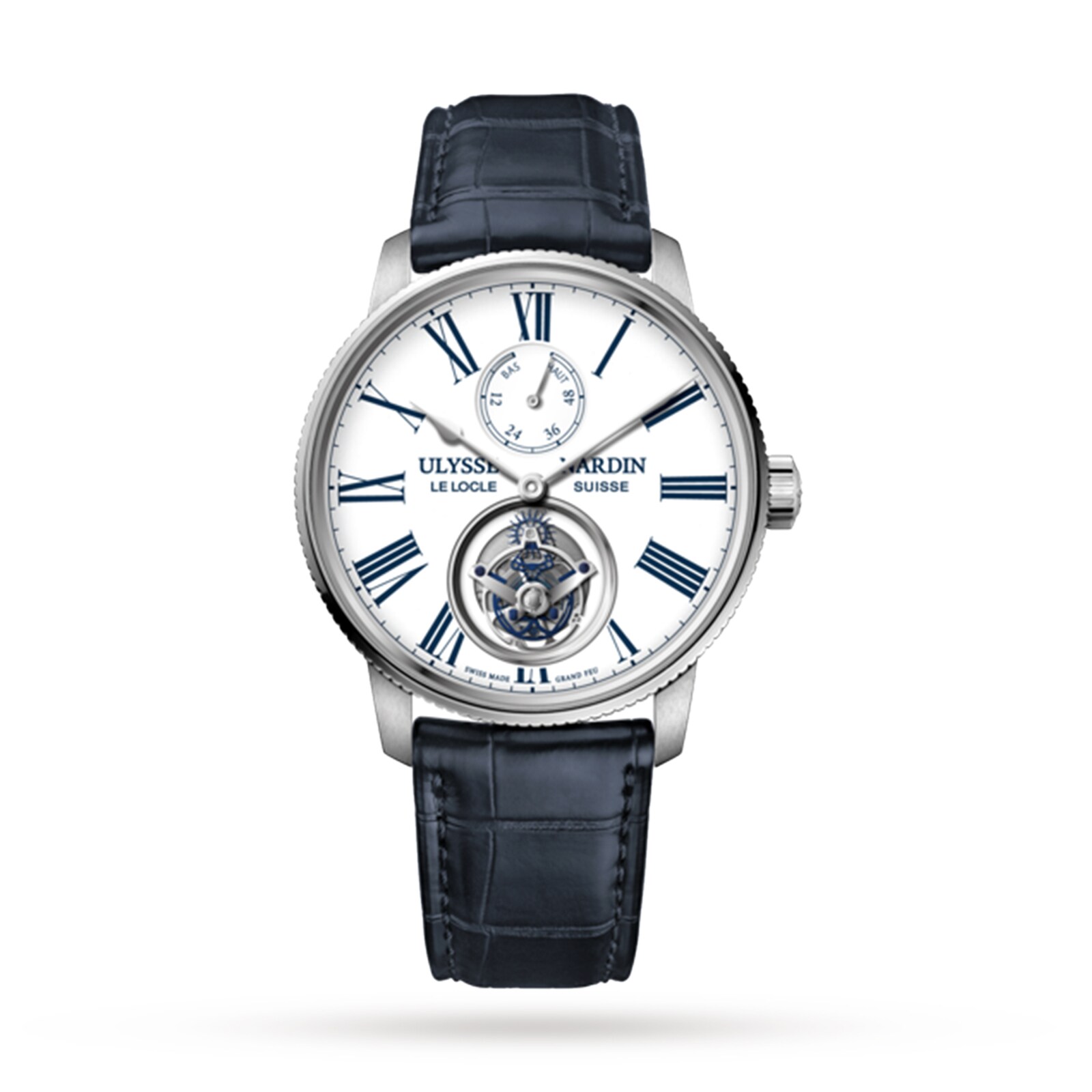 Marine Torpilleur8 pcs · from 11 134.68 €
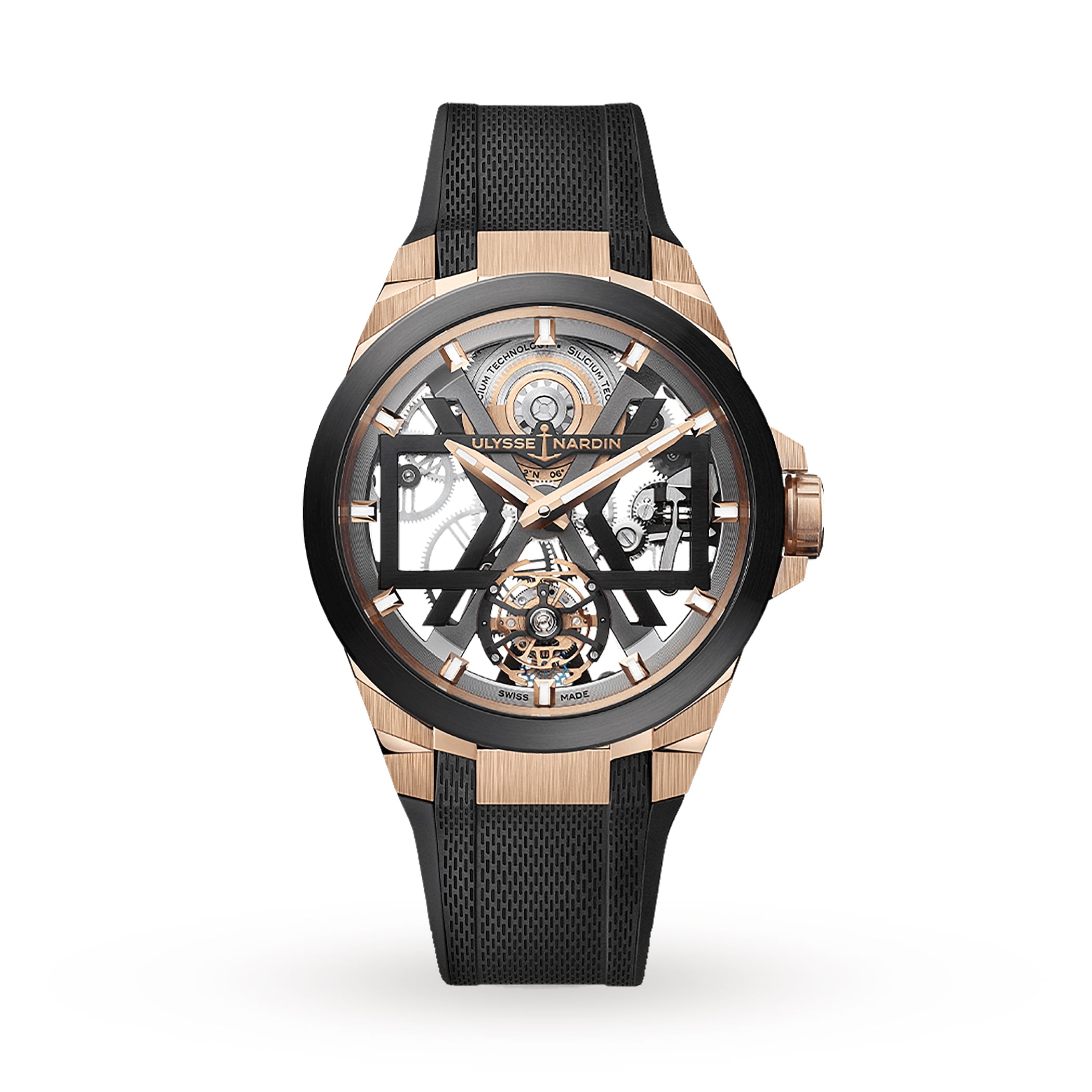 Blast Tourbillon4 pcs · from 67 945.74 €
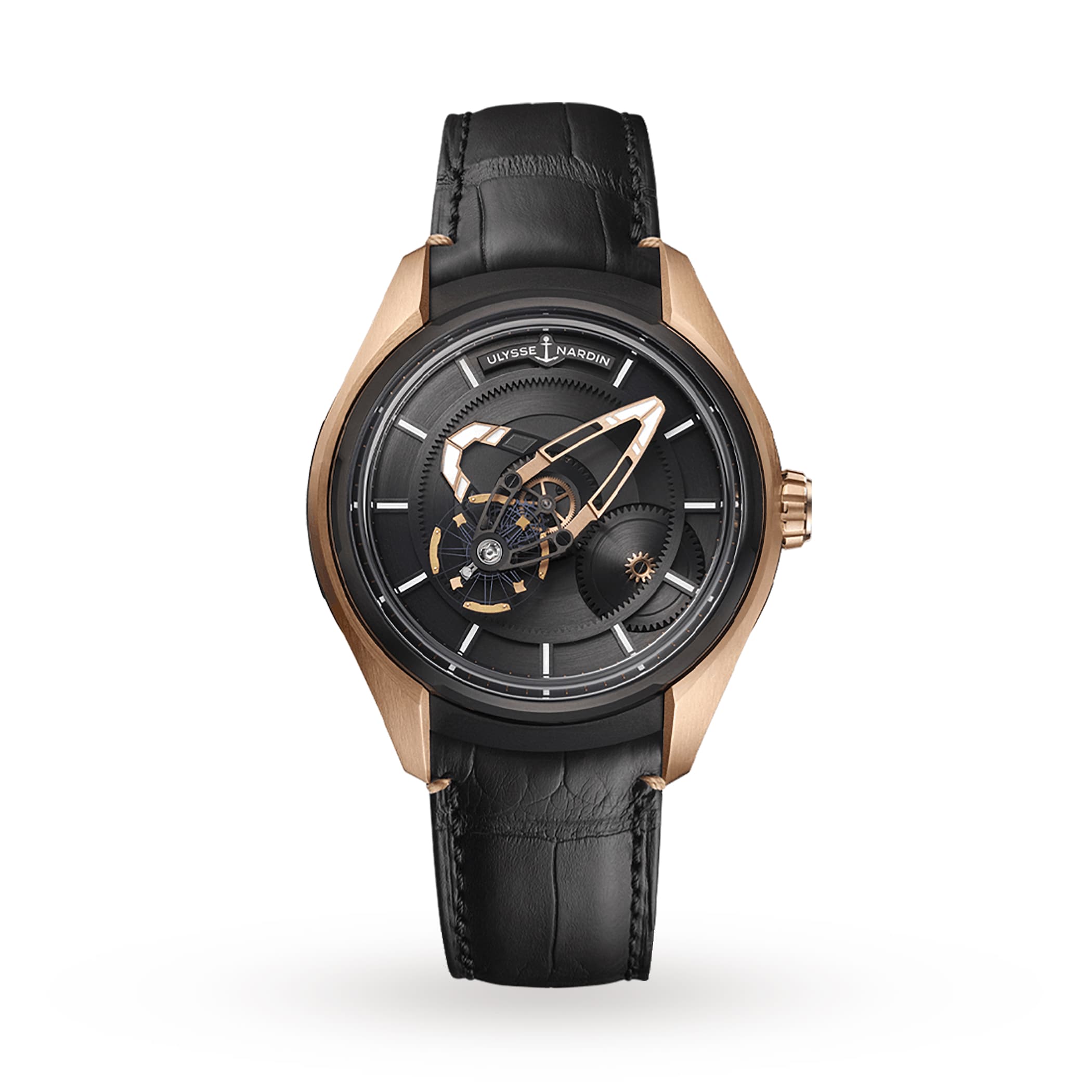 Freak X4 pcs · from 33 773.78 €
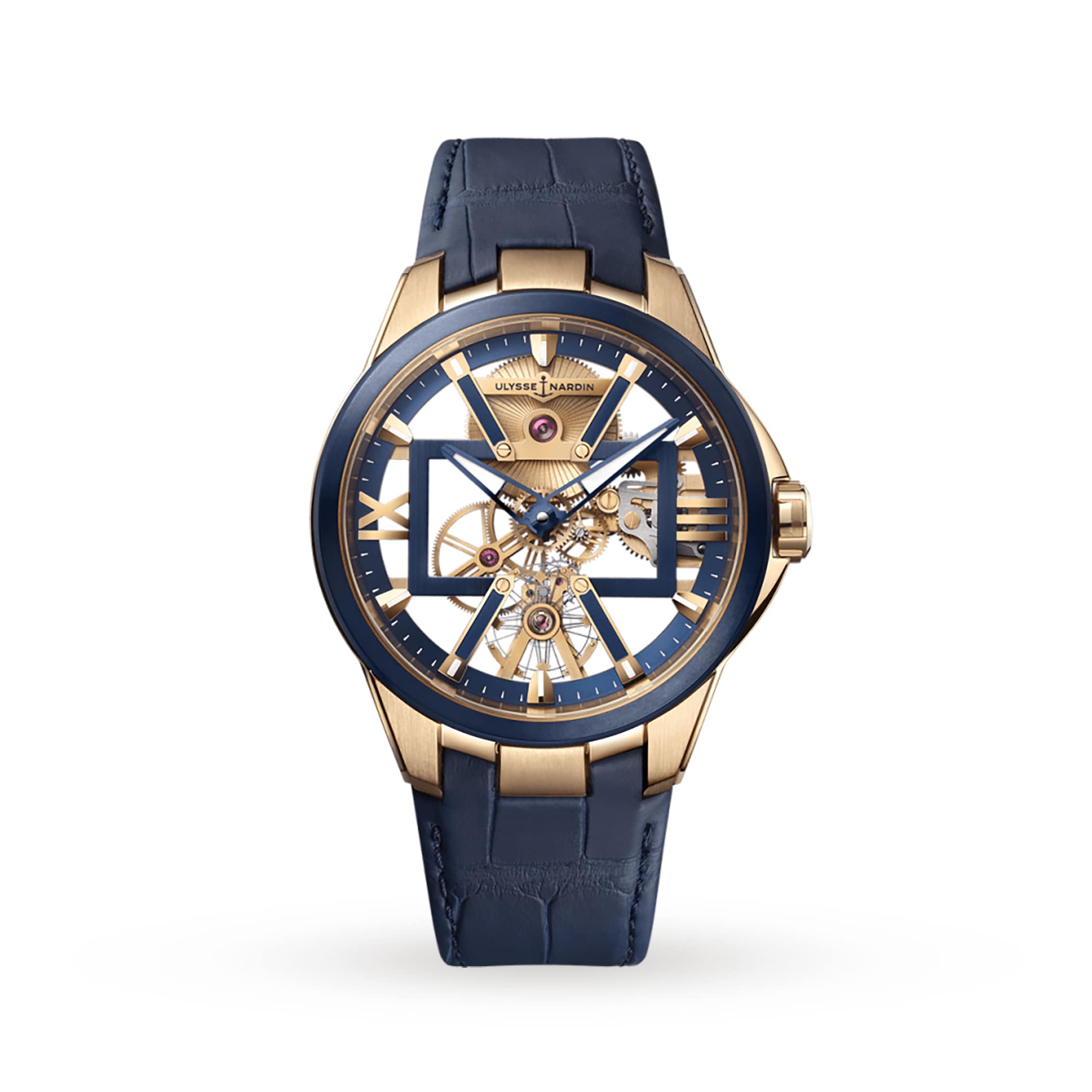 Blast Skeleton4 pcs · from 29 379.64 €
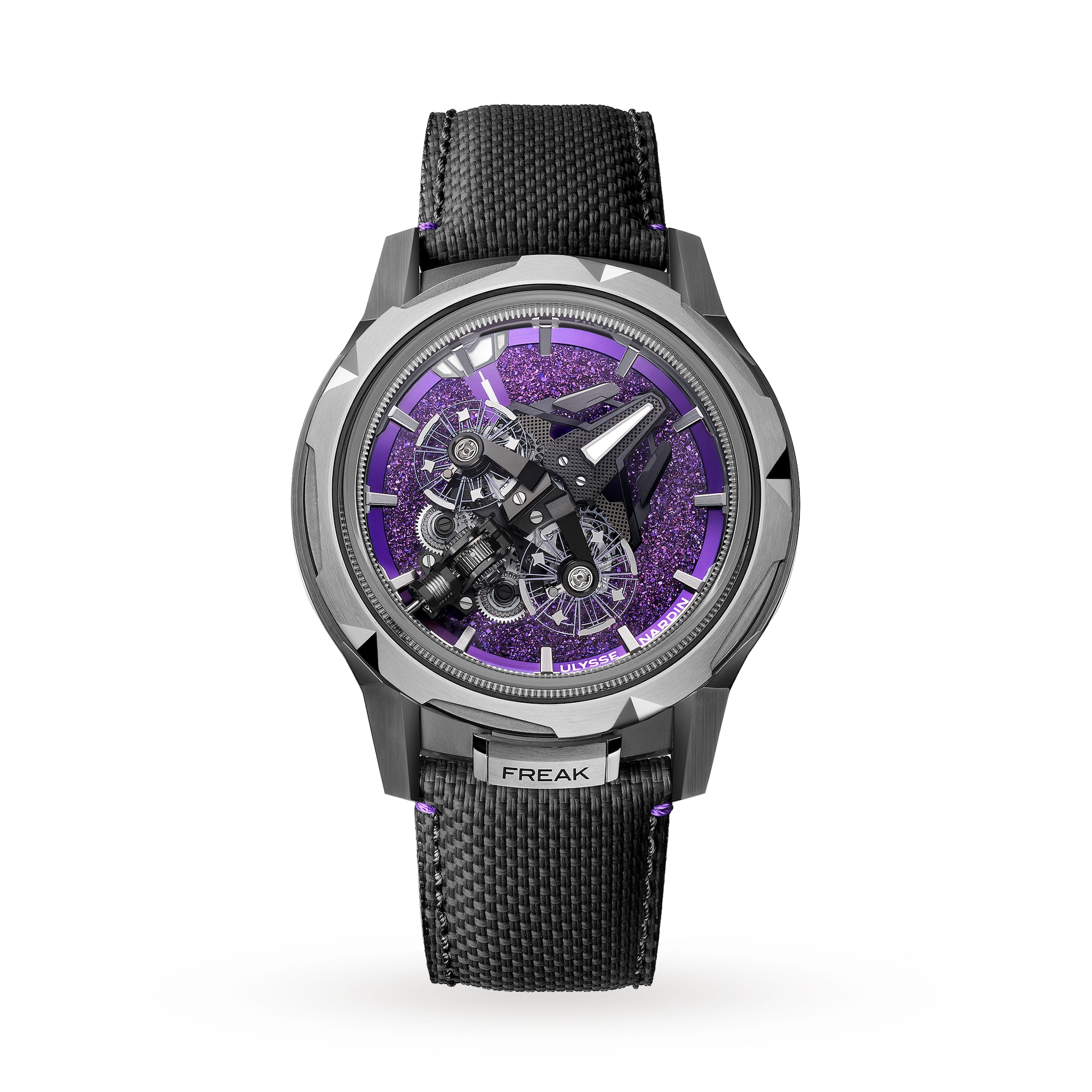 Freak S3 pcs · from 186 601.93 €
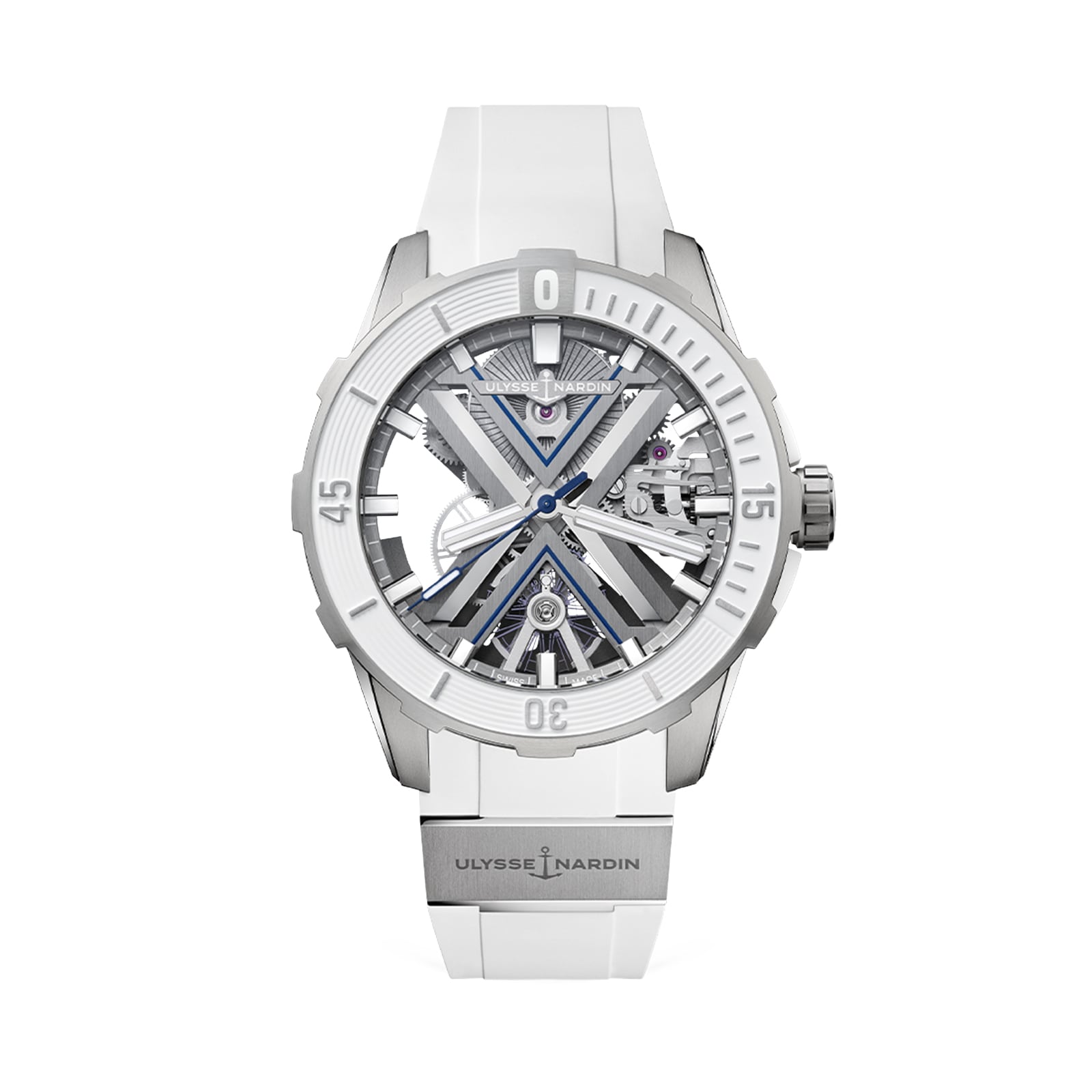 Diver X3 pcs · from 34 683.90 €
Models
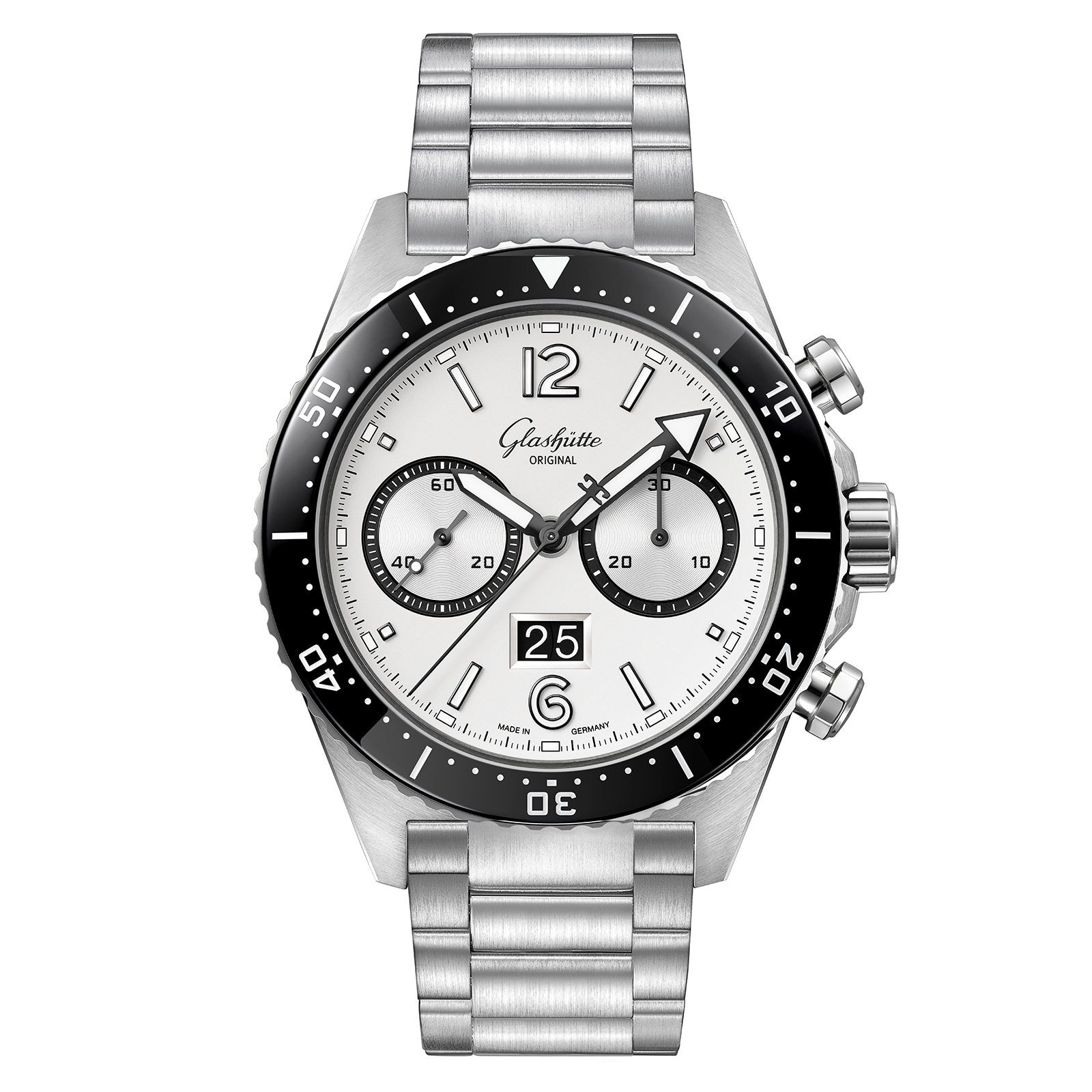 SeaQ13 pcs · from 11 660.84 €
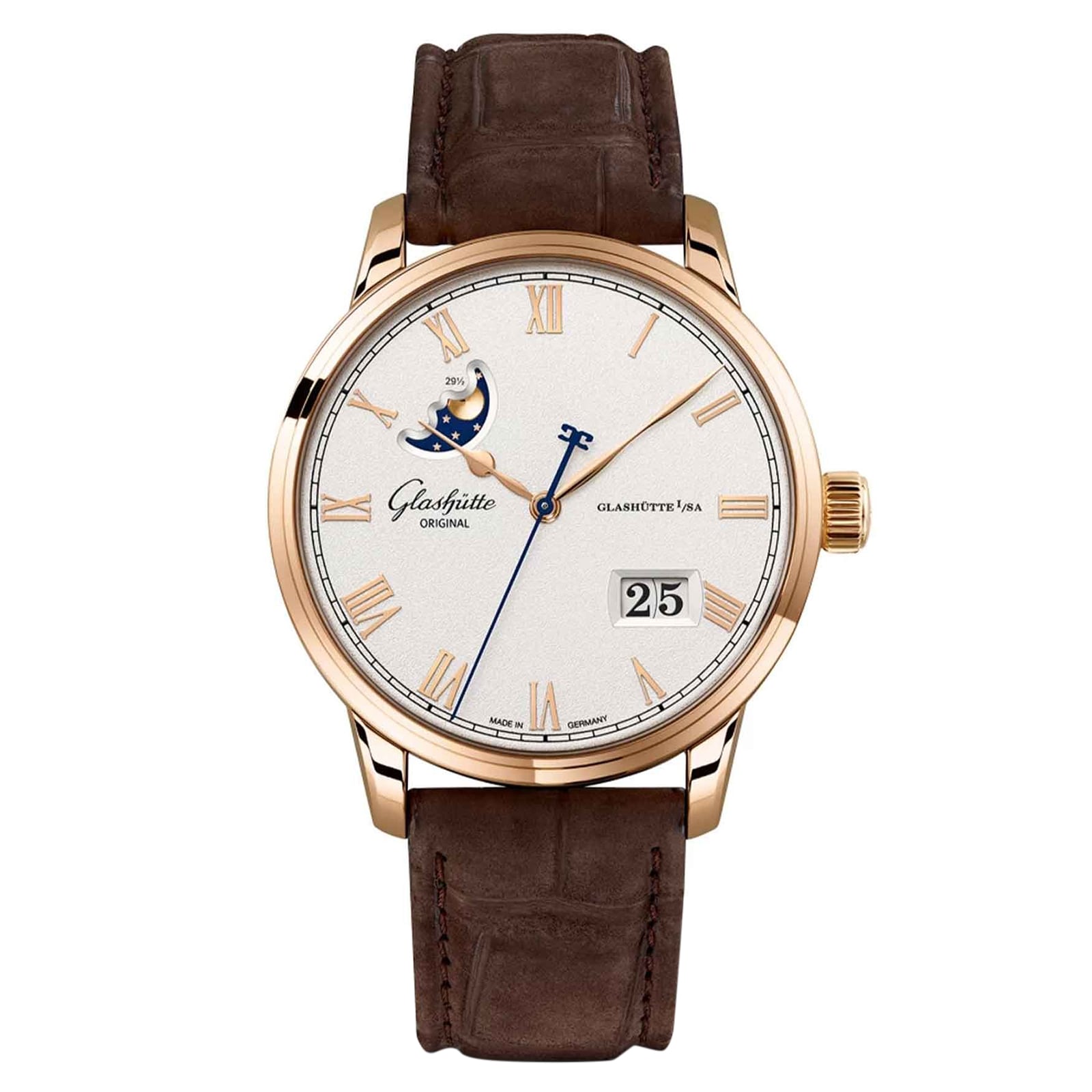 Senator Excellence7 pcs · from 14 362.75 €
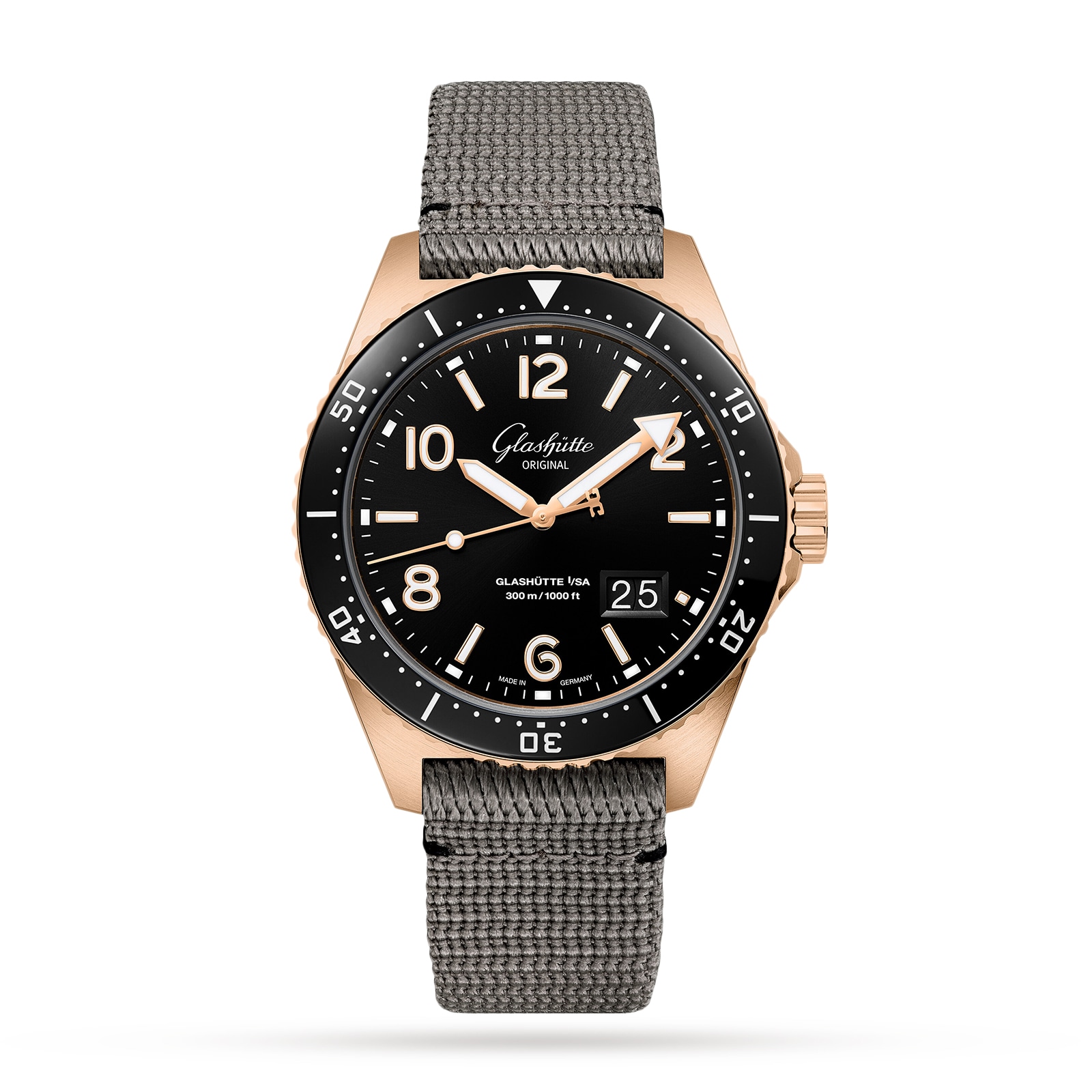 Original SeaQ5 pcs · from 20 477.58 €
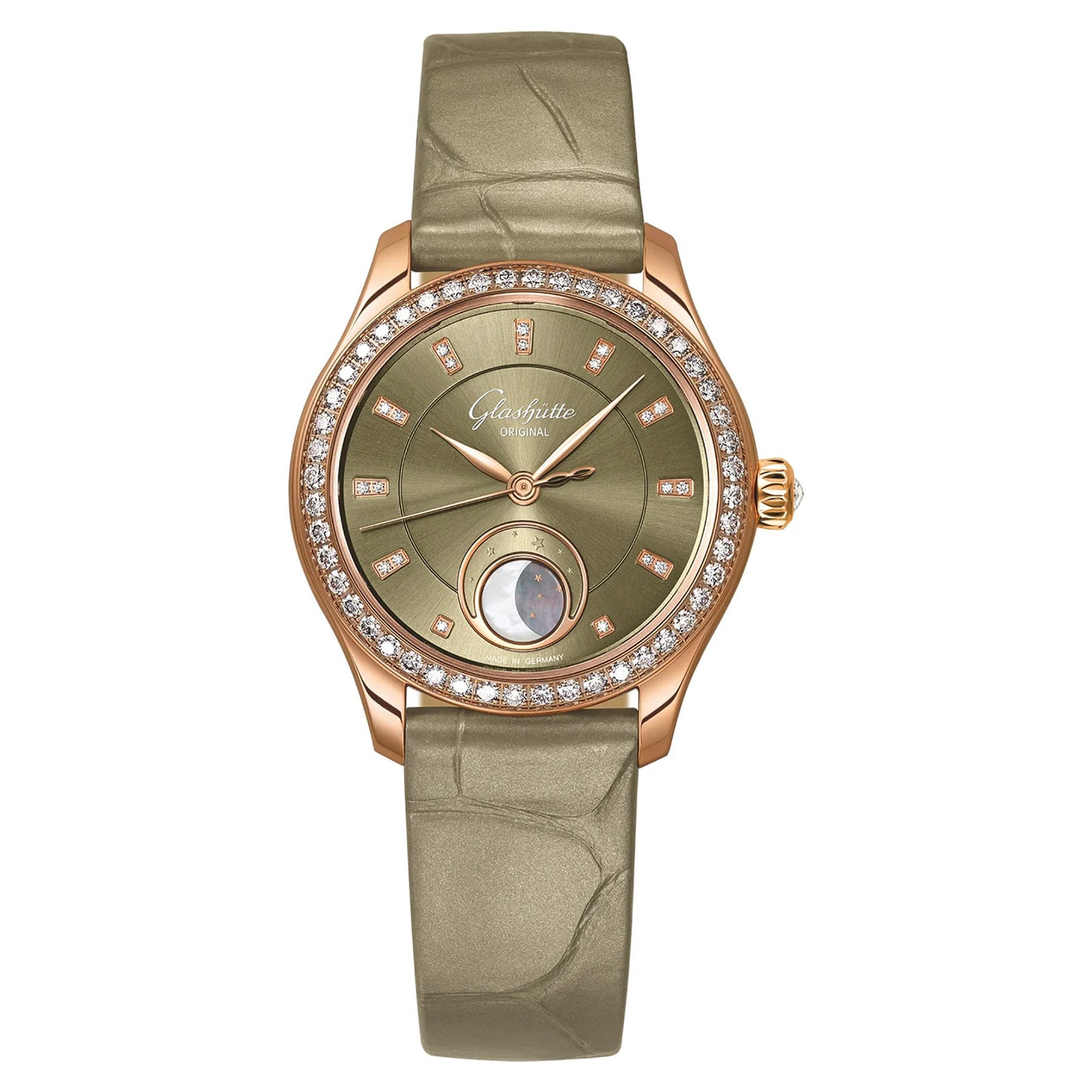 Serenade Luna5 pcs · from 13 225.10 €
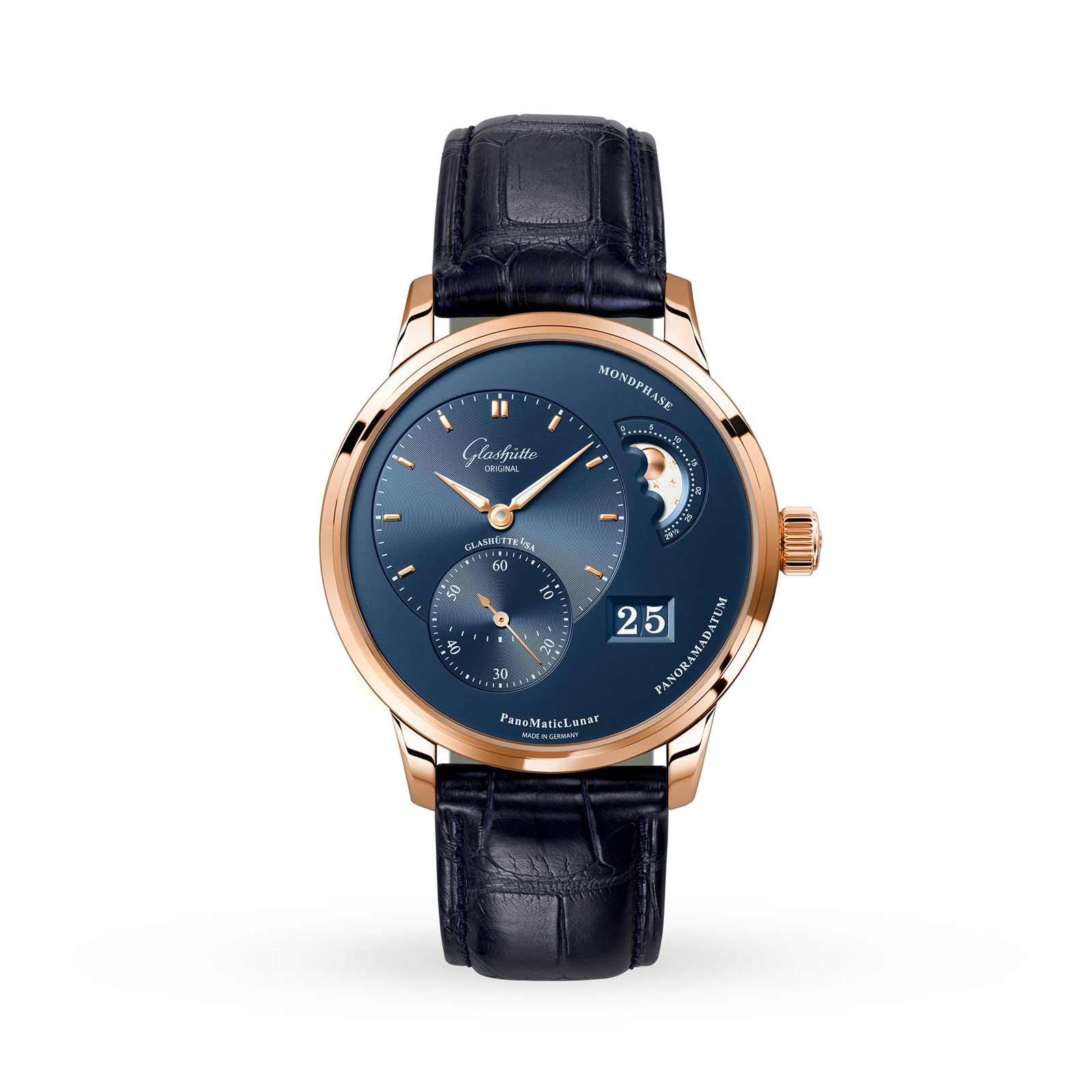 PanoMaticLunar3 pcs · from 14 362.75 €
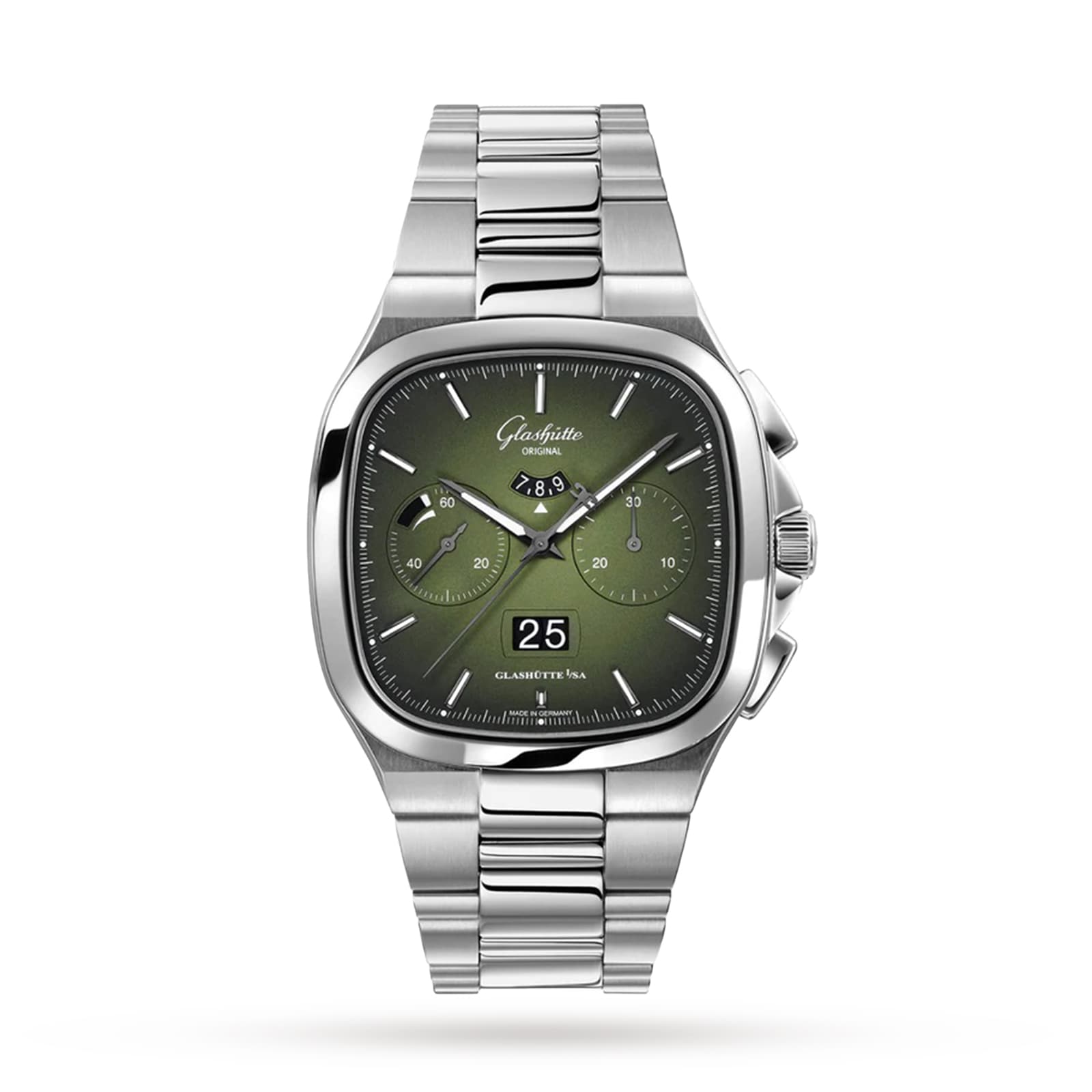 Vintage Seventies3 pcs · from 18 060.09 €
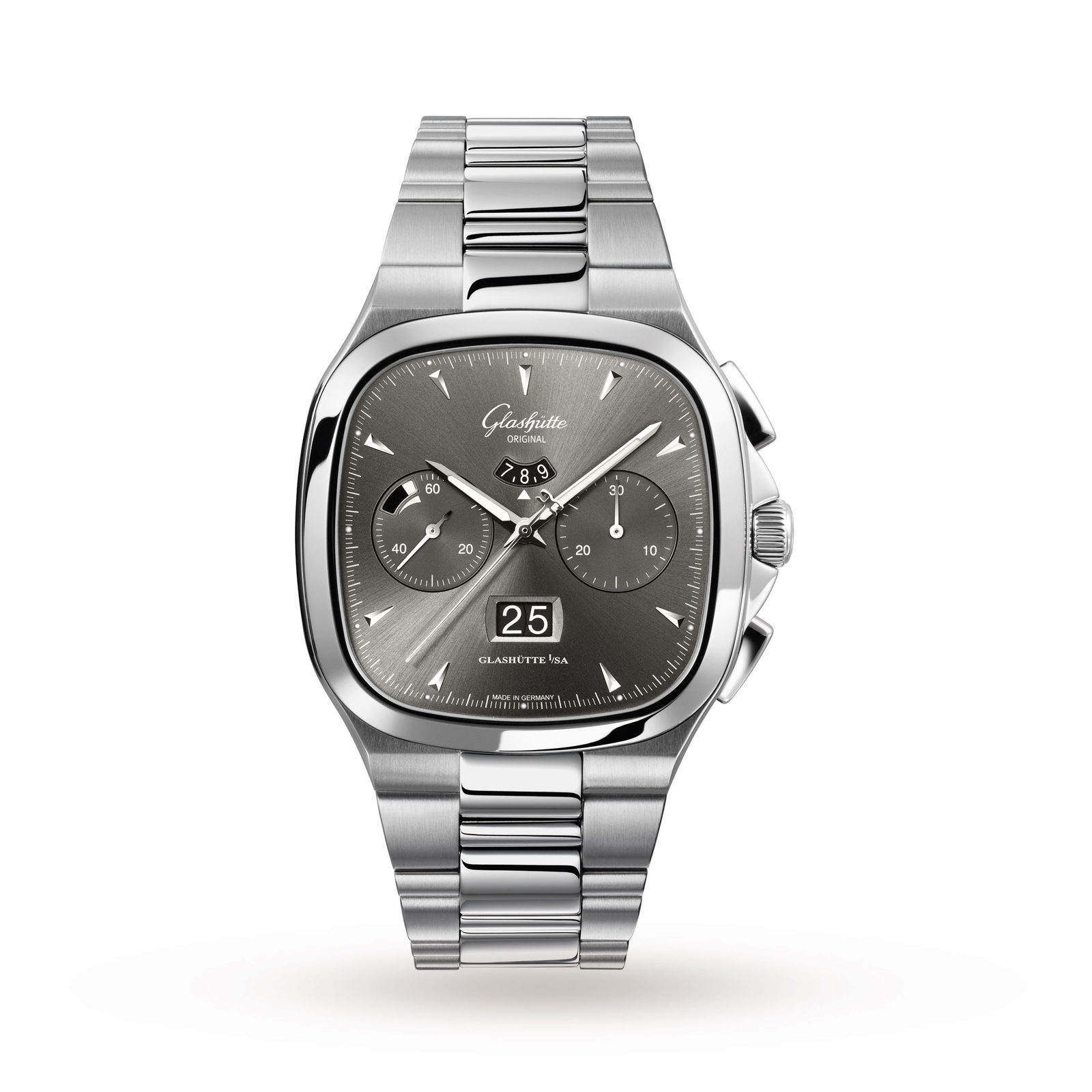 Seventies3 pcs · from 18 060.09 €
Models
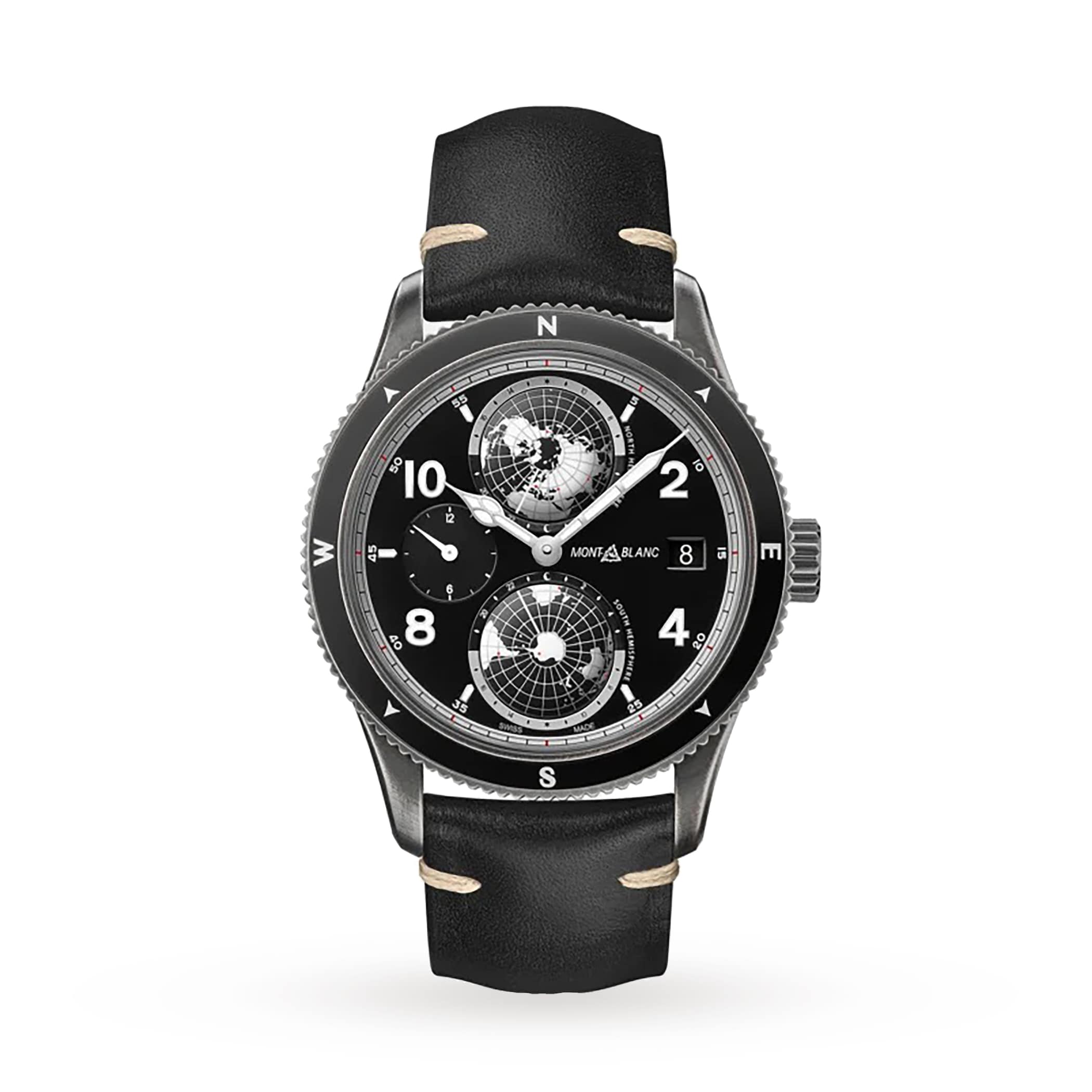 1858 Geosphere8 pcs · from 4 194.00 €
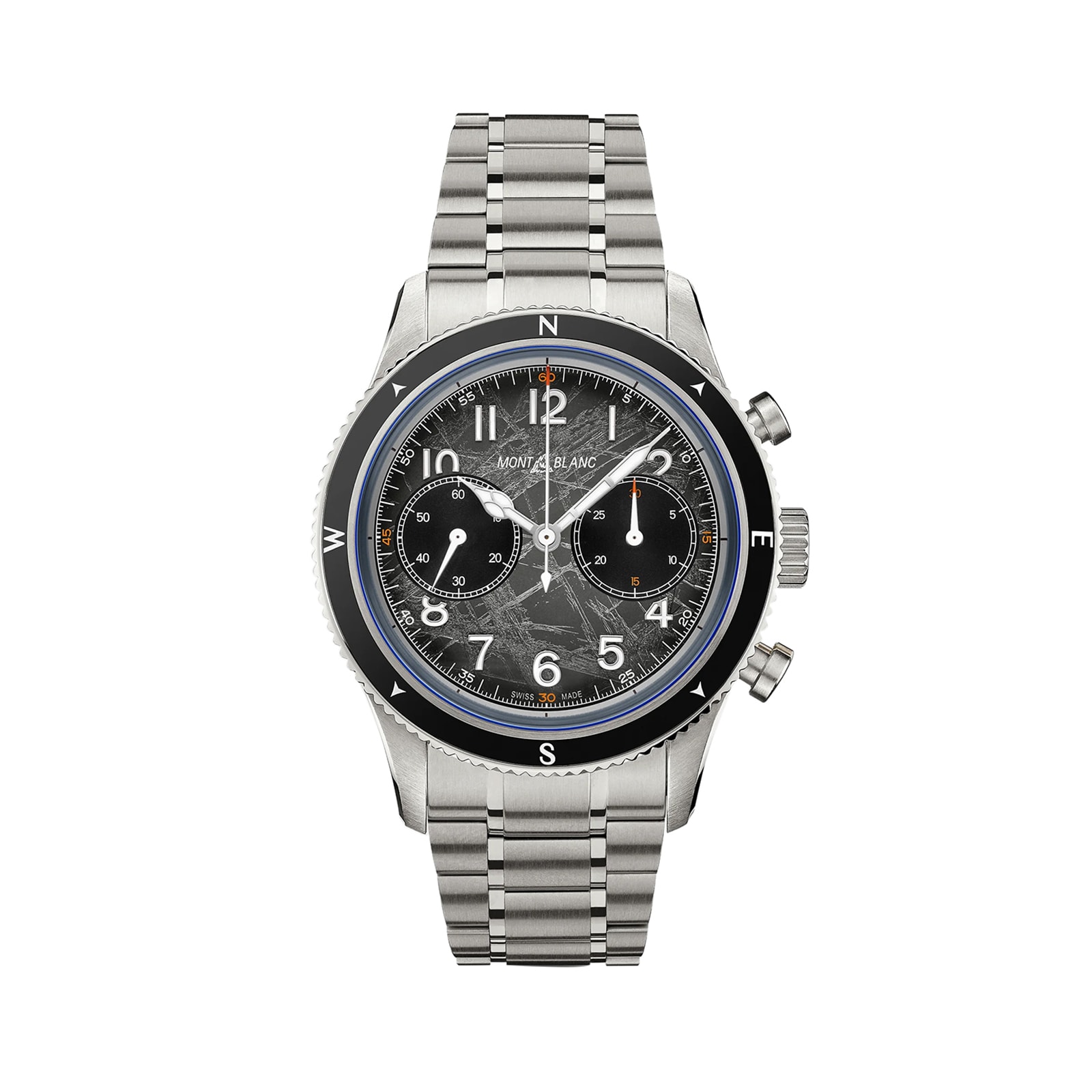 18588 pcs · from 2 238.00 €
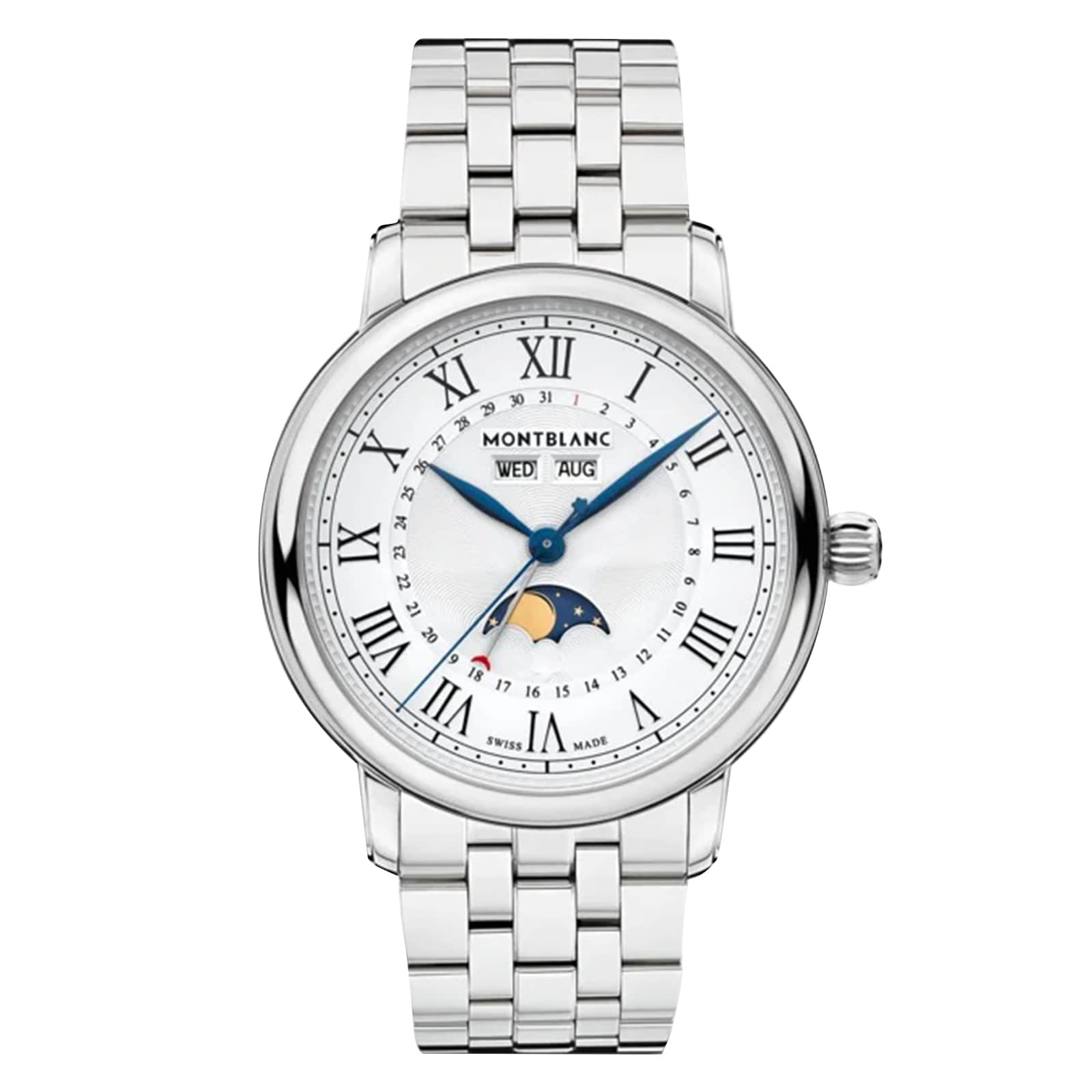 Star Legacy8 pcs · from 3 661.79 €
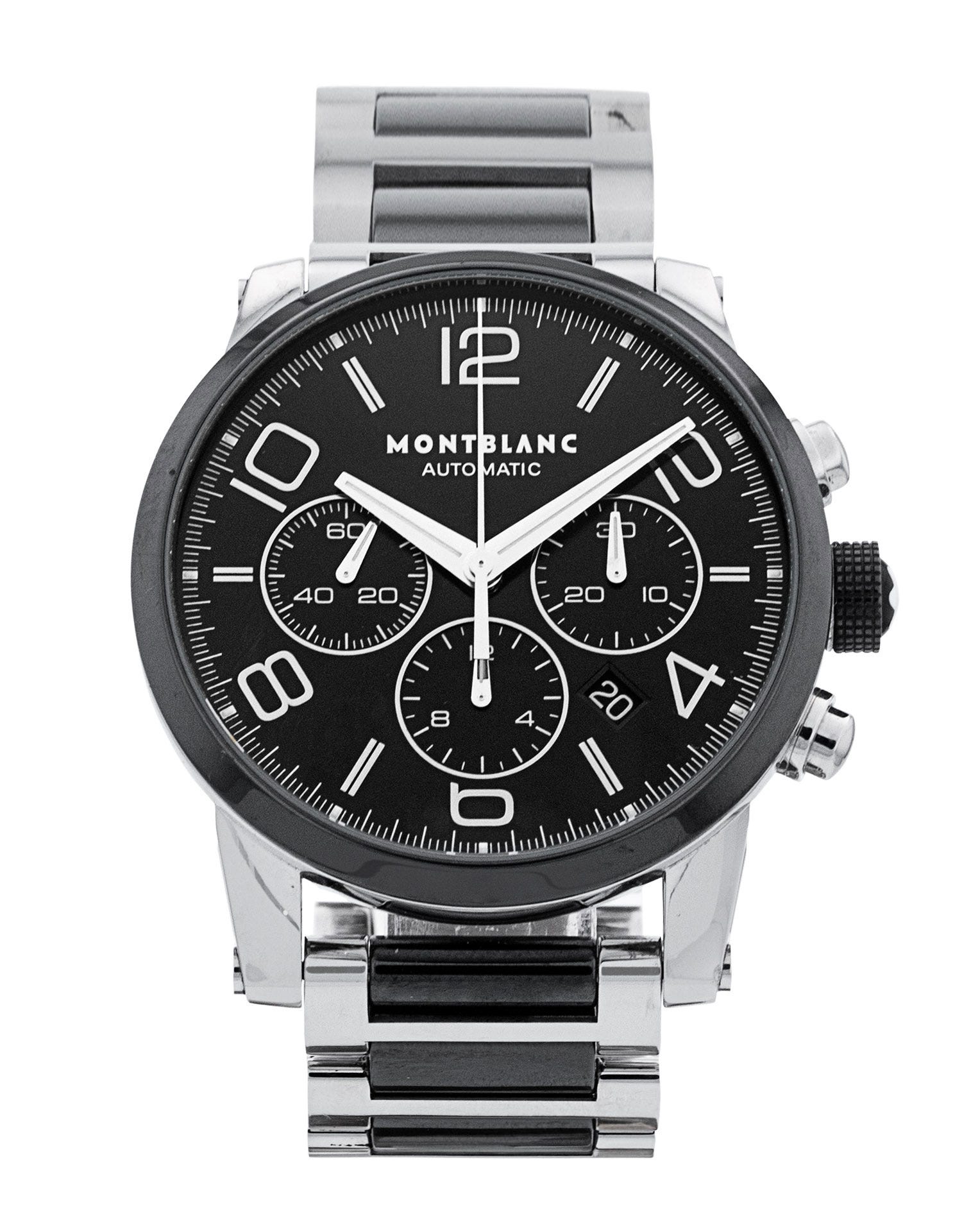 TimeWalker4 pcs · from 2 592.00 €
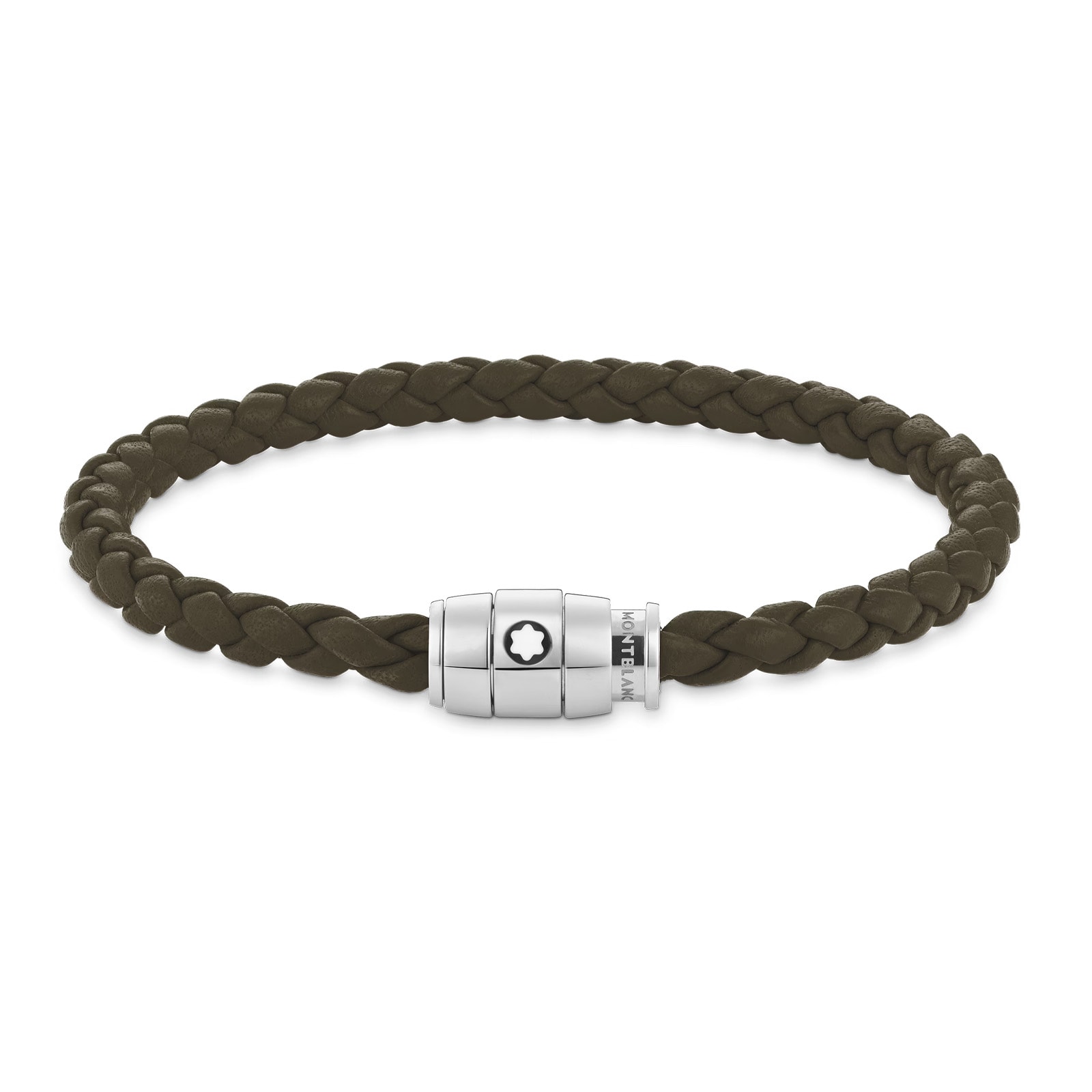 3 Rings3 pcs · from 355.51 €
Models
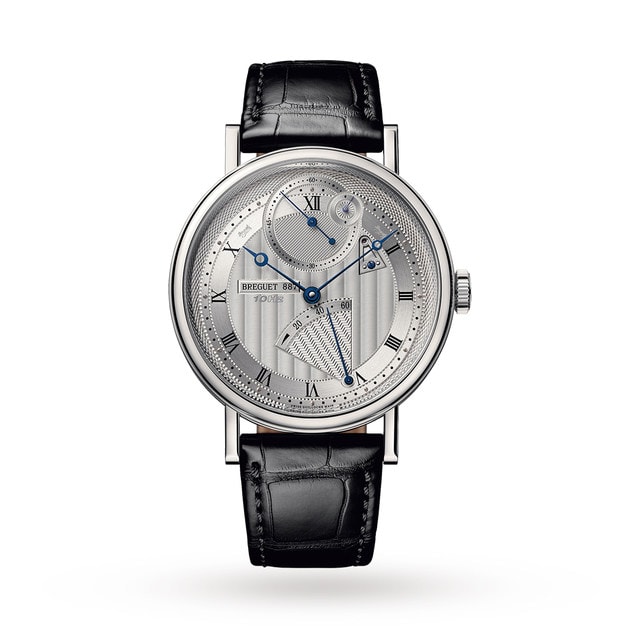 Classique12 pcs · from 9 558.00 €
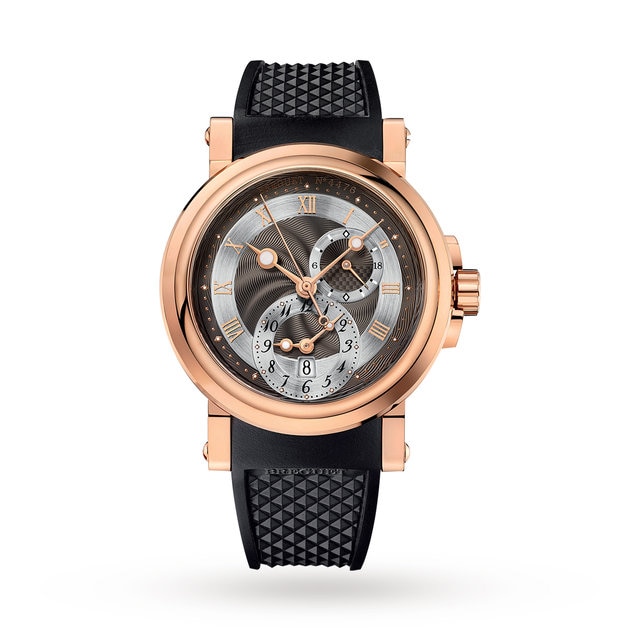 Marine8 pcs · from 12 738.00 €
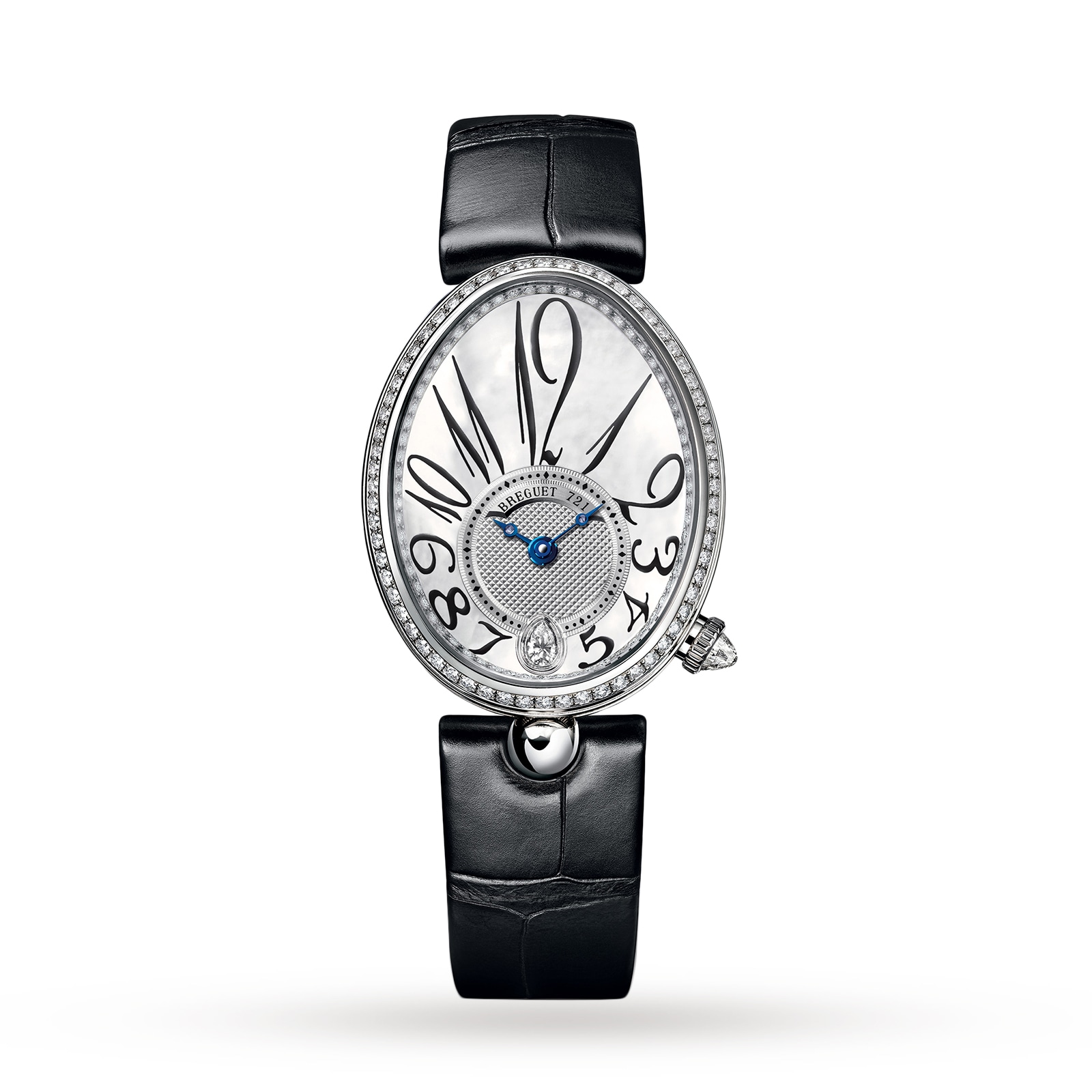 Reine de6 pcs · from 21 948.00 €
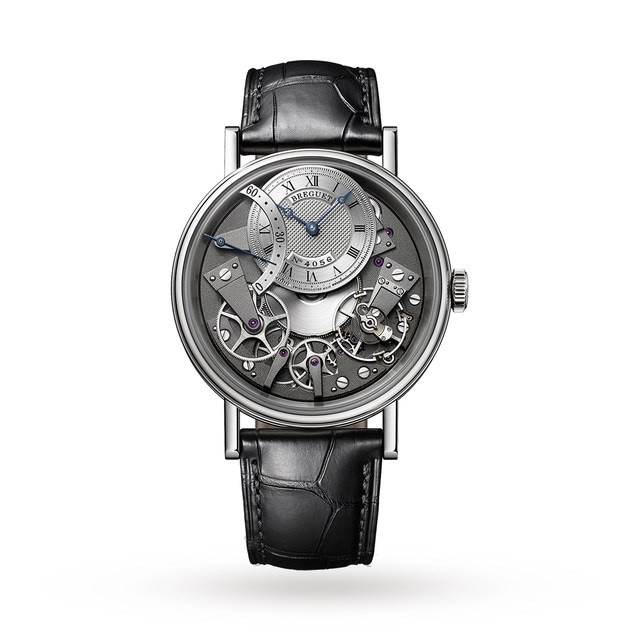 Tradition3 pcs · from 44 510.29 €
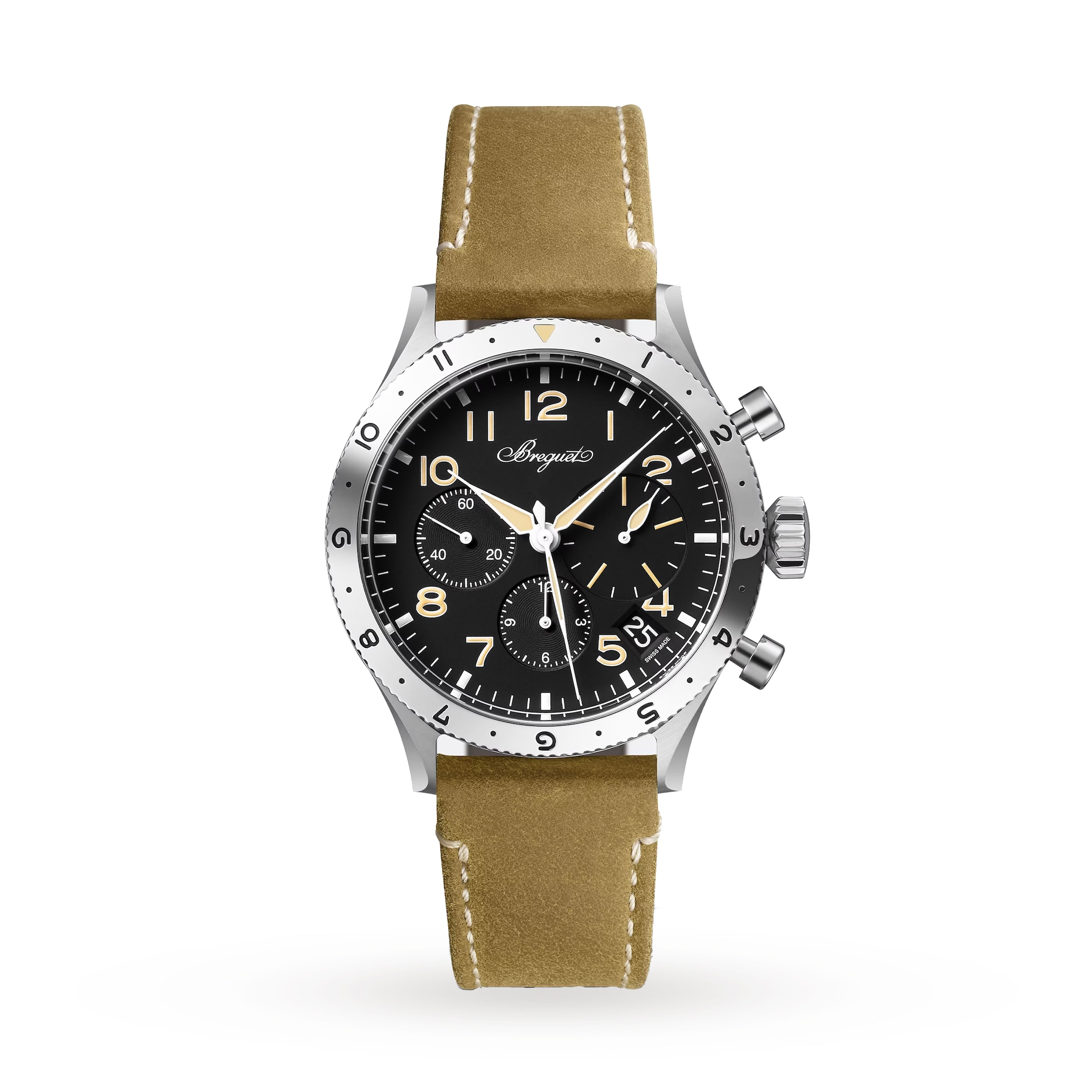 Type XX3 pcs · from 6 372.00 €
Models
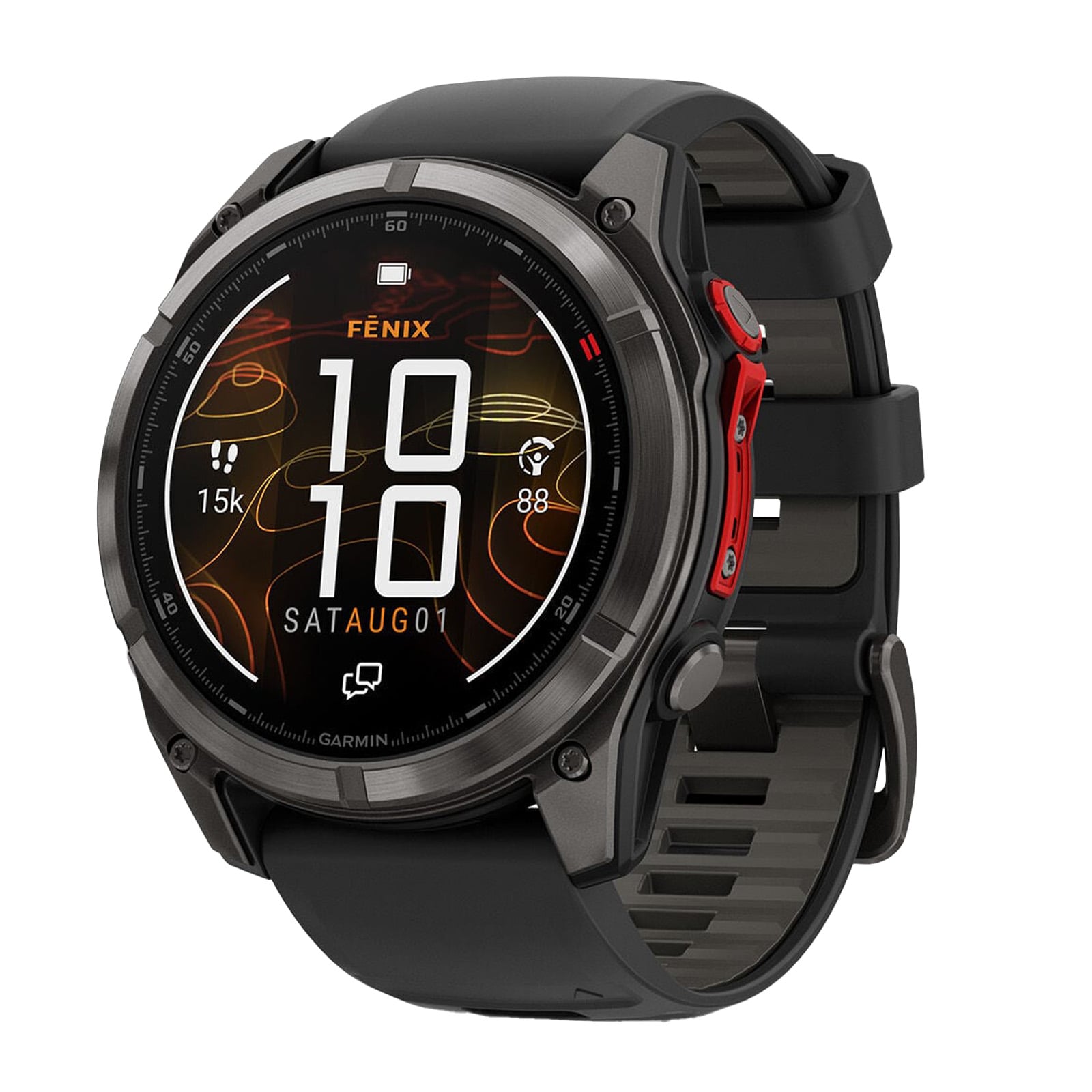 Fēnix®18 pcs · from 1 107.78 €
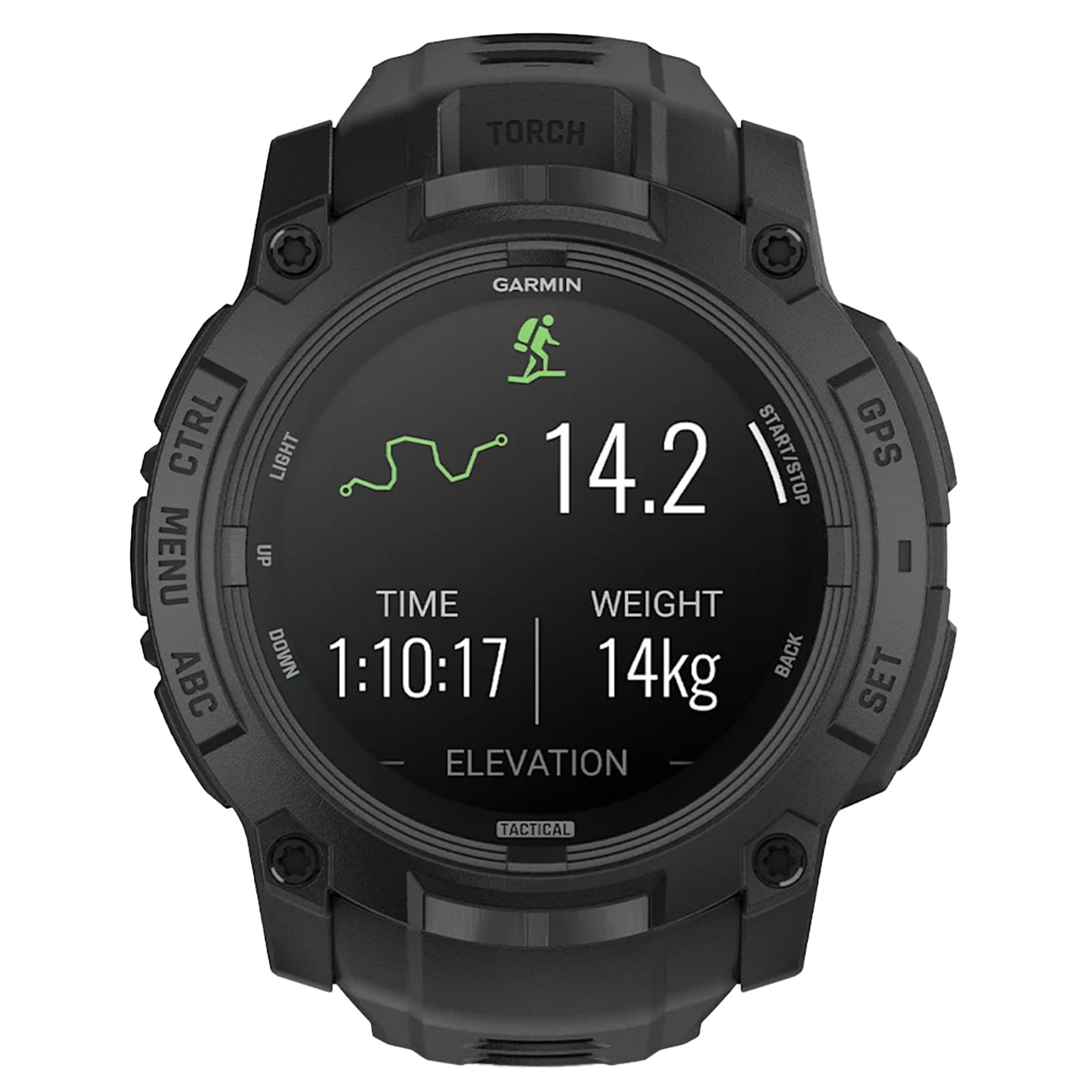 Instinct7 pcs · from 425.19 €
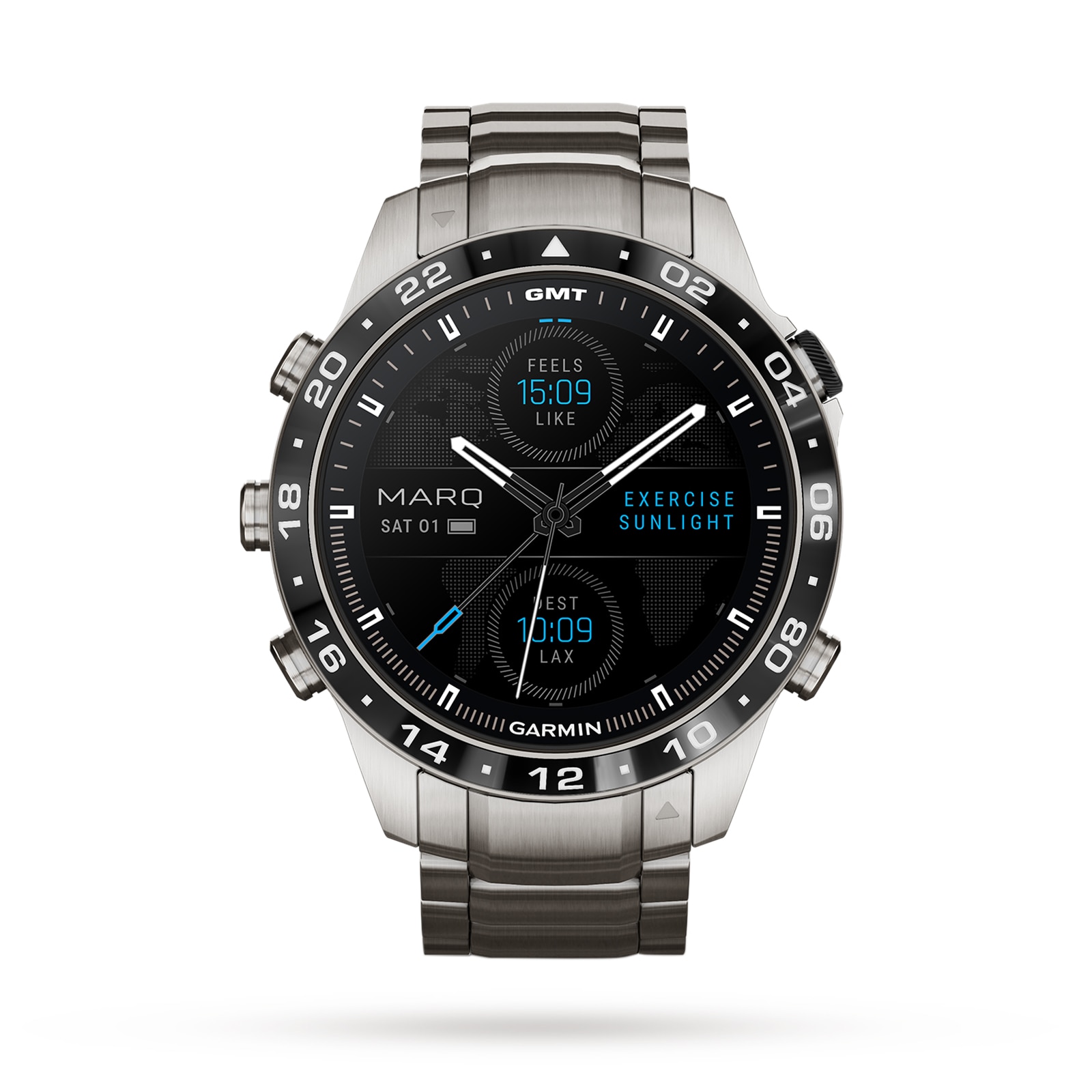 Marq Gen5 pcs · from 2 273.86 €
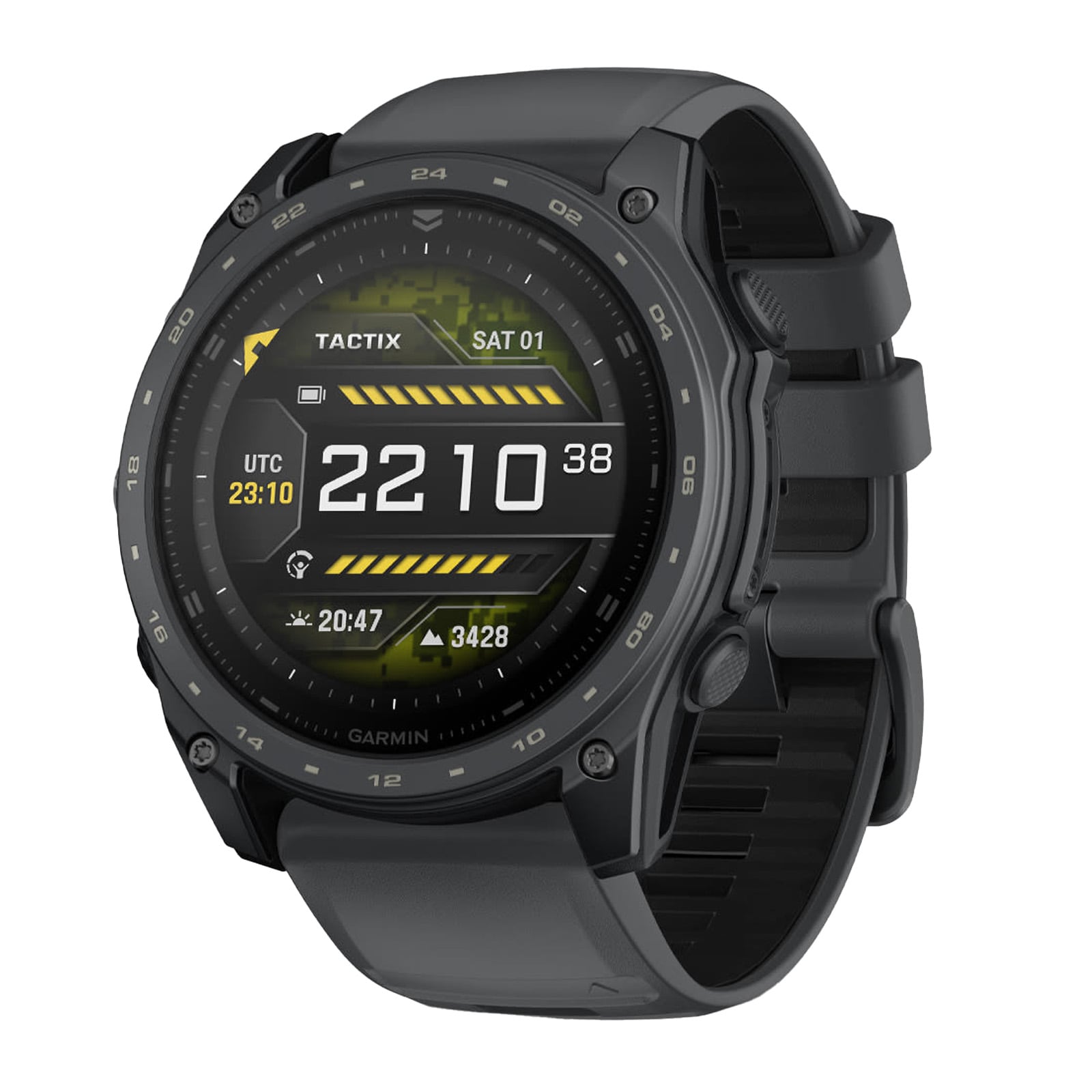 Tactix5 pcs · from 1 222.95 €
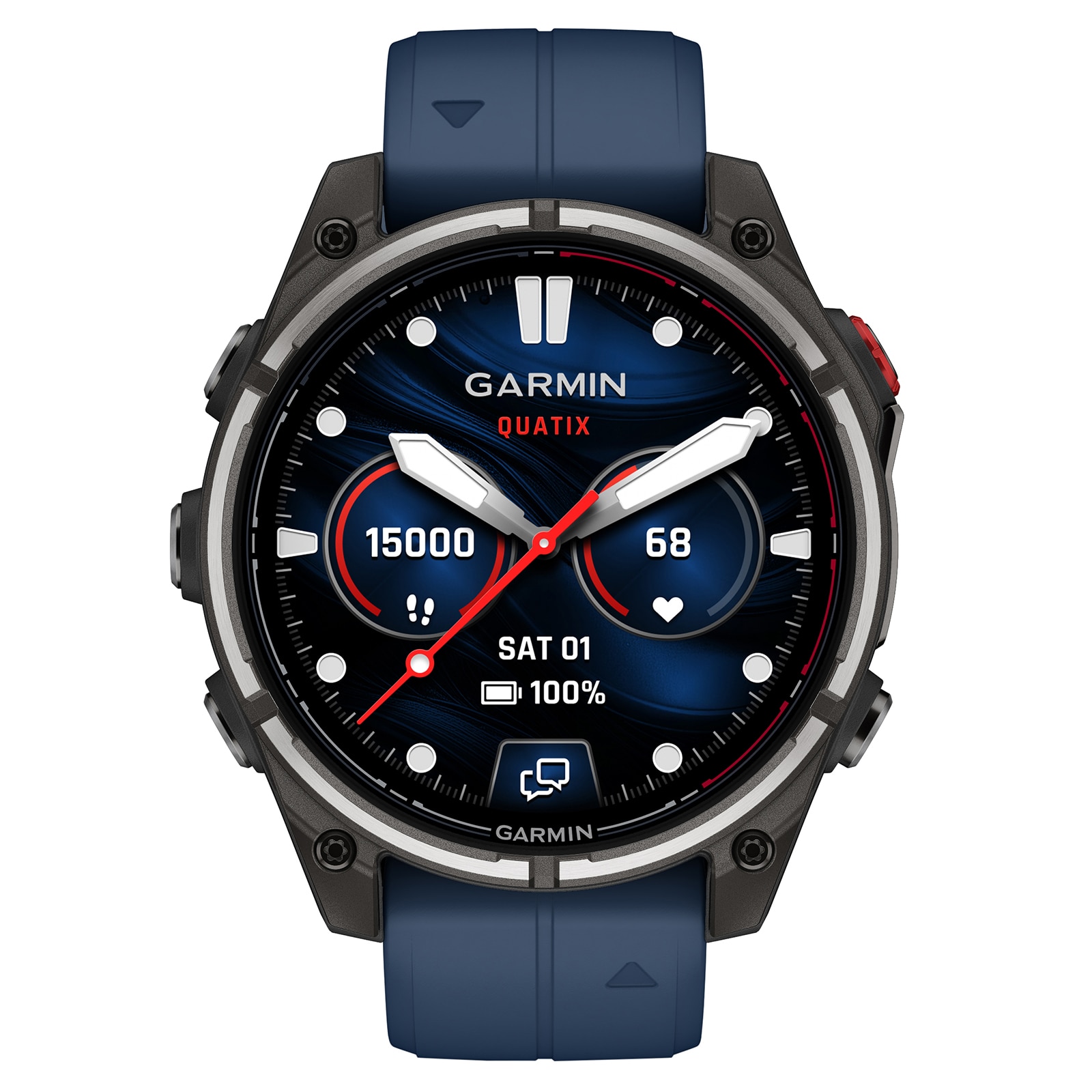 Quatix3 pcs · from 1 349.53 €
Models
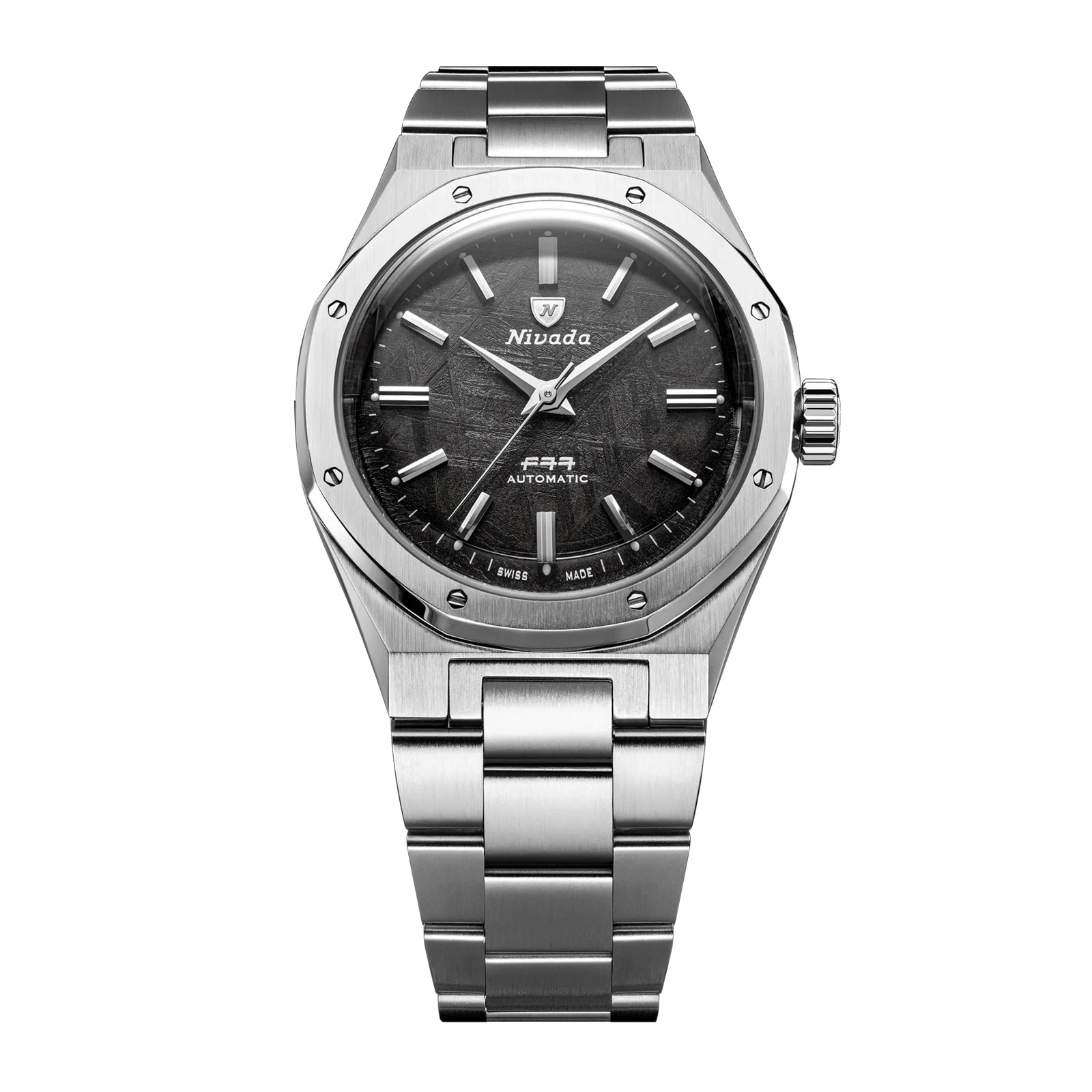 F778 pcs · from 1 464.72 €
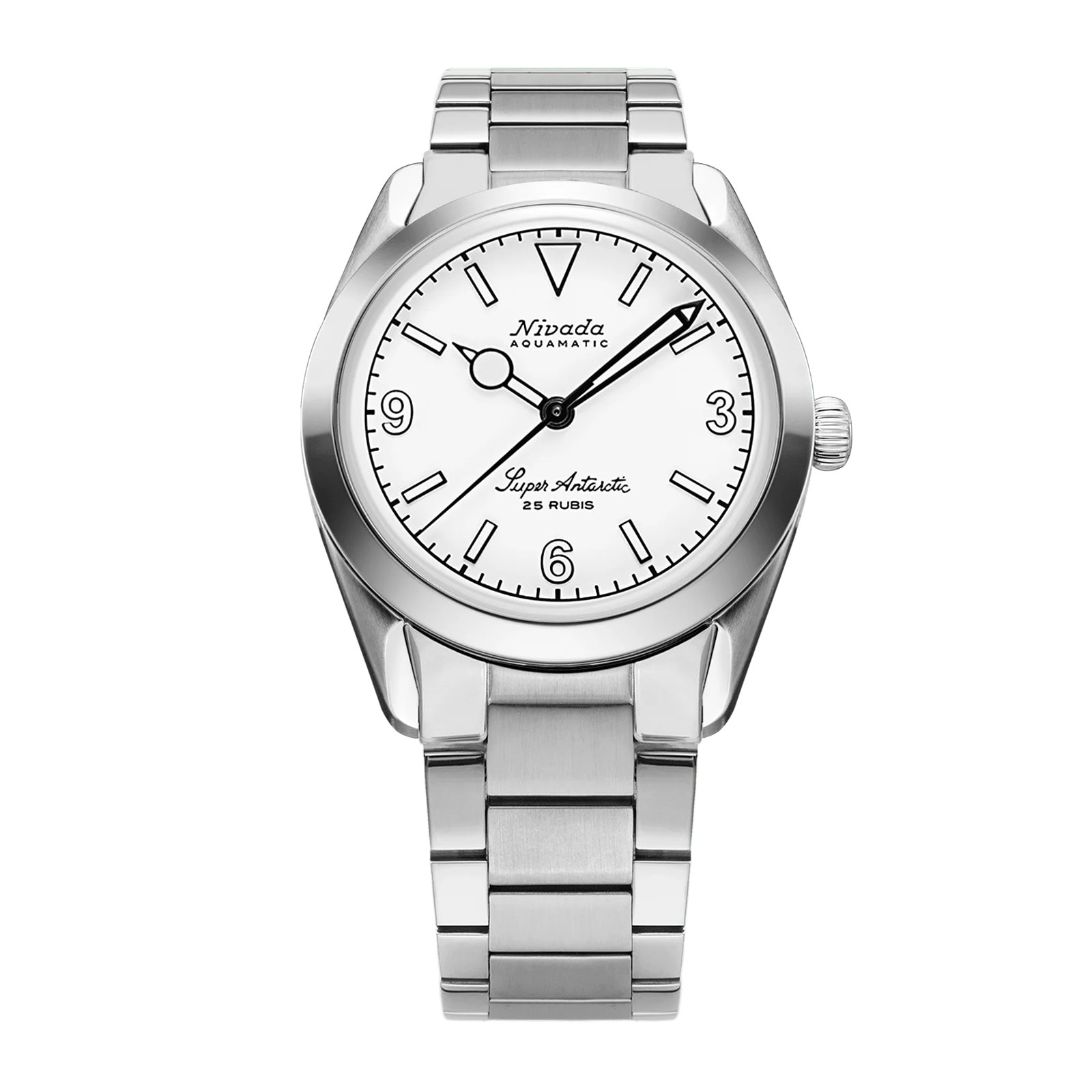 Super Antarctic6 pcs · from 1 222.97 €
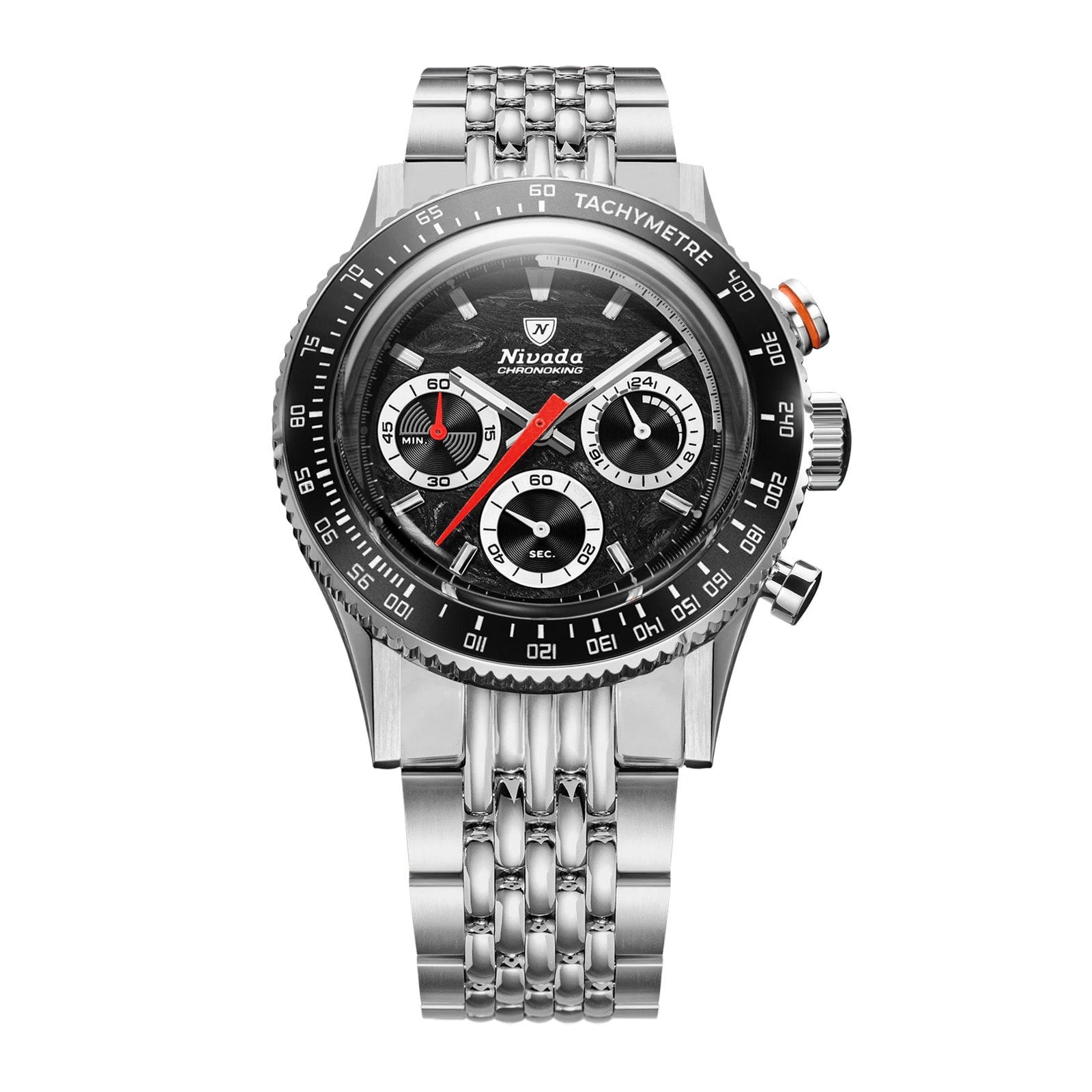 Chronoking Mecaquartz5 pcs · from 796.35 €
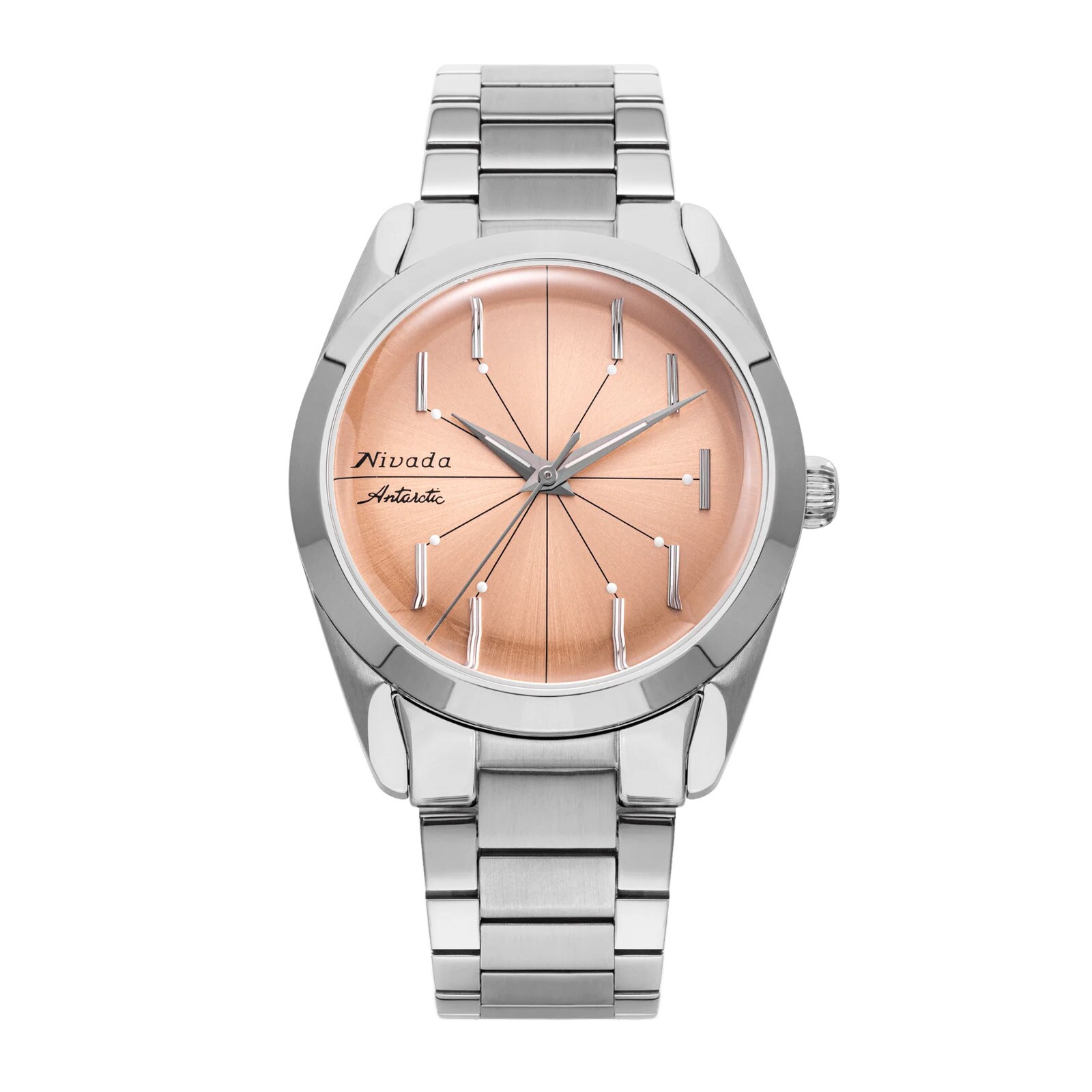 Antarctic Spider3 pcs · from 1 222.97 €
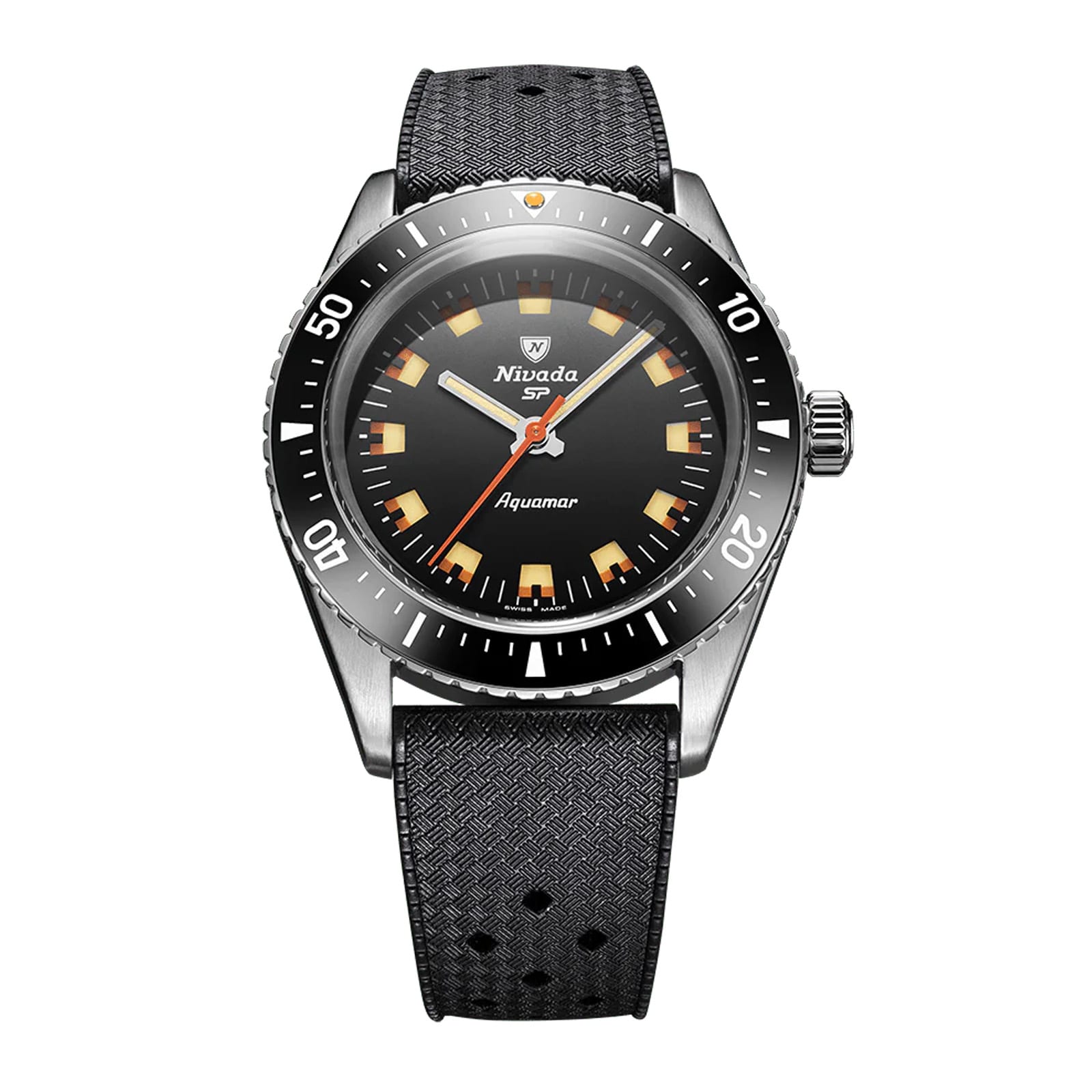 Aquamar3 pcs · from 1 400.72 €
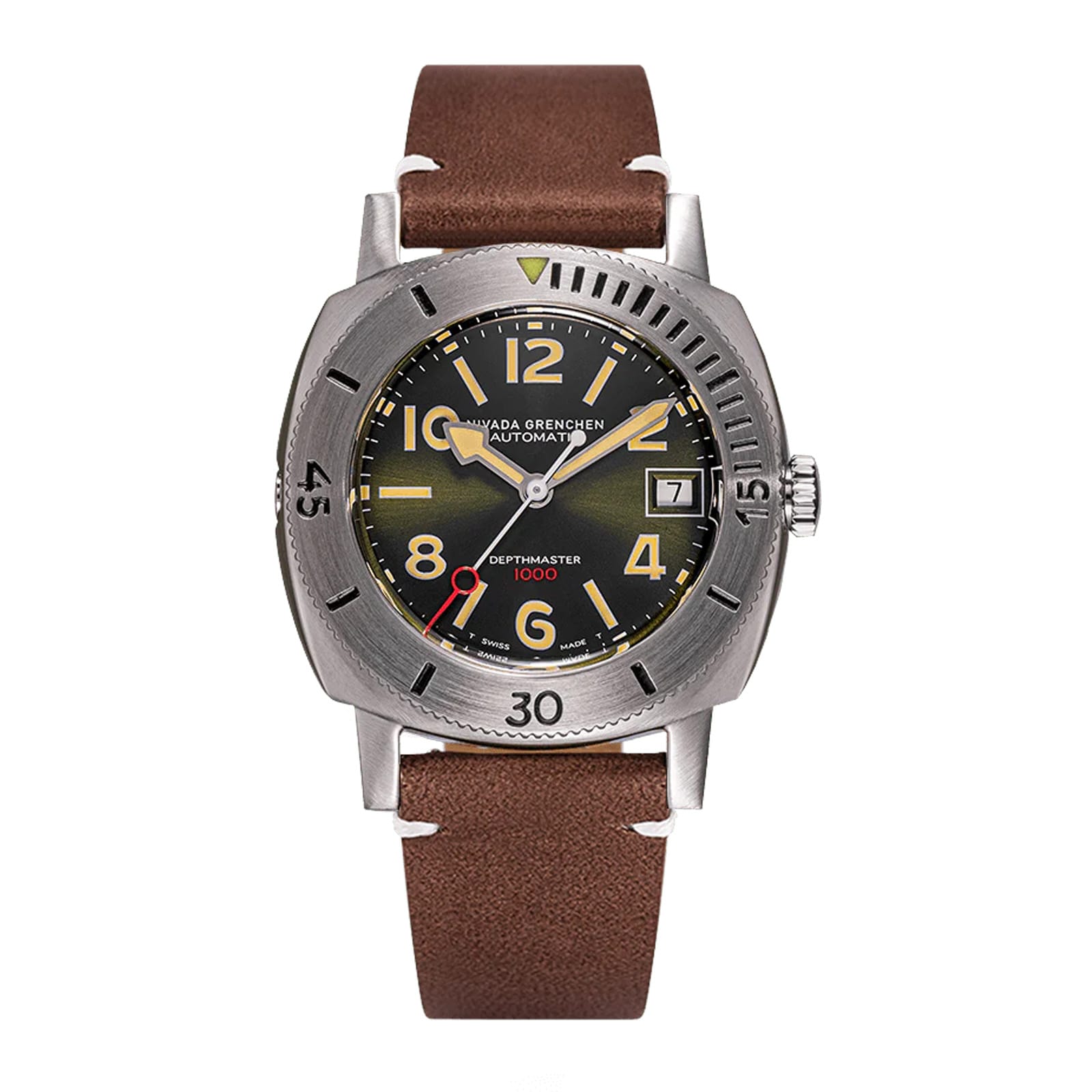 Depthmaster3 pcs · from 1 400.72 €
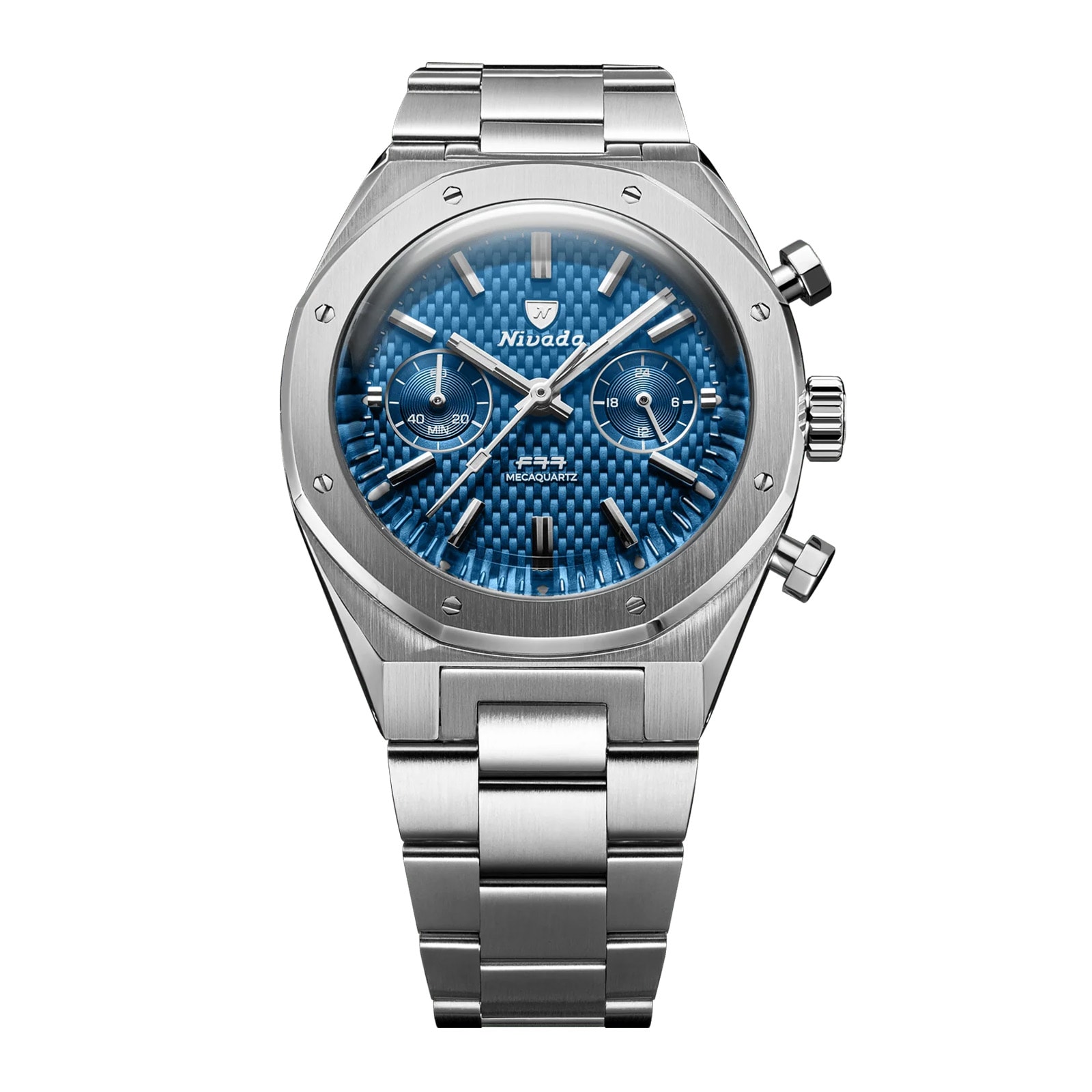 F77 Chrono3 pcs · from 974.11 €
Models
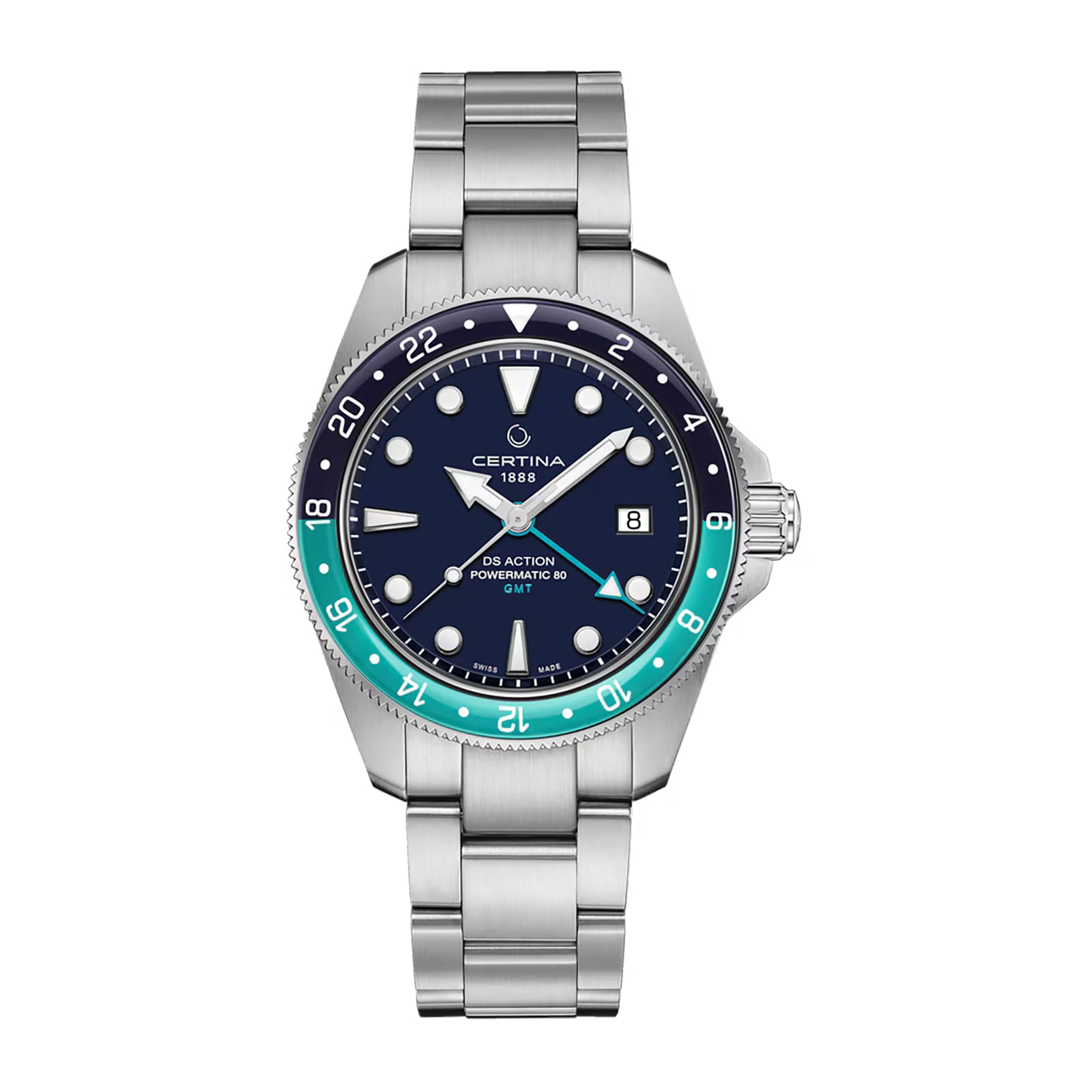 DS Action17 pcs · from 604.37 €
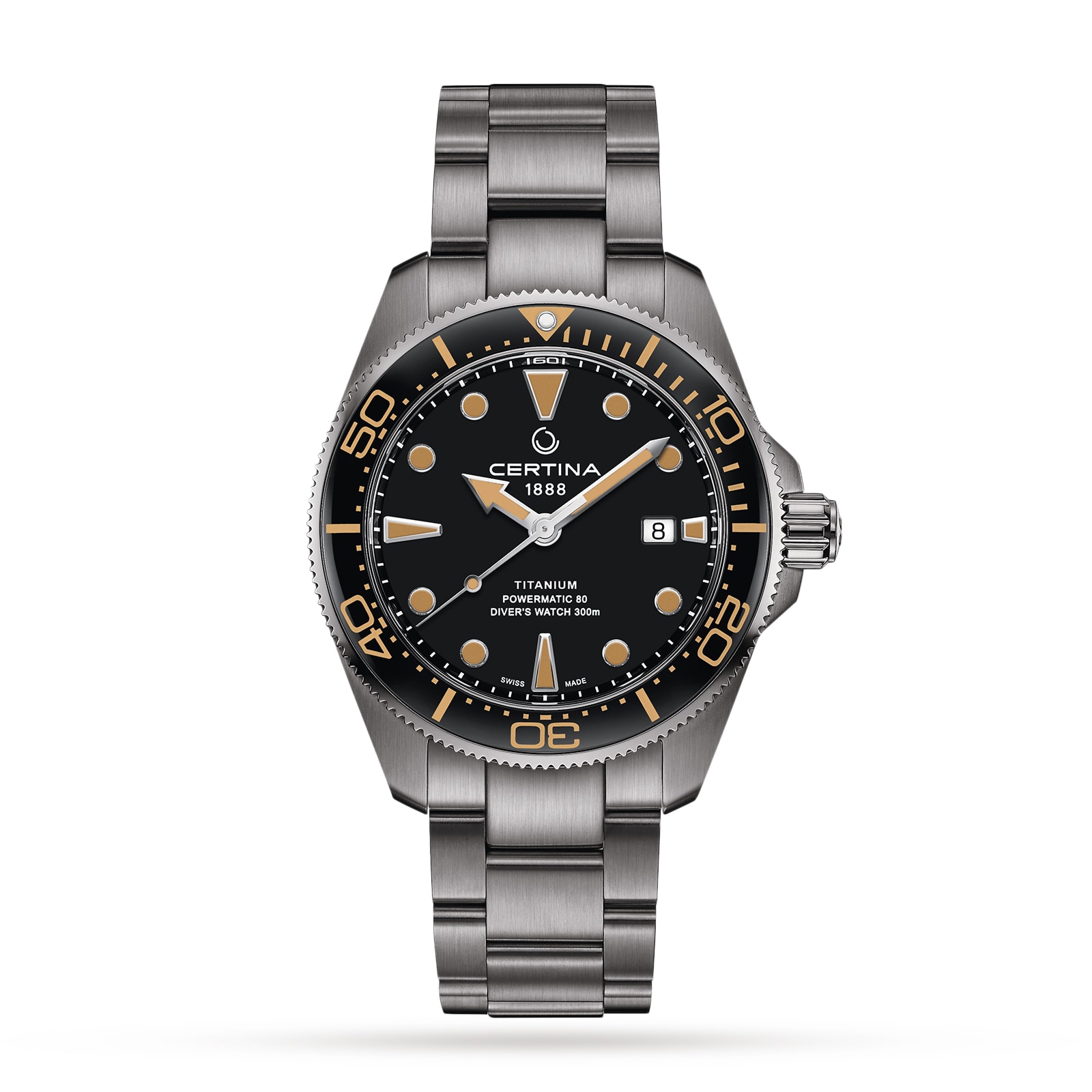 Aqua DS7 pcs · from 1 030.99 €
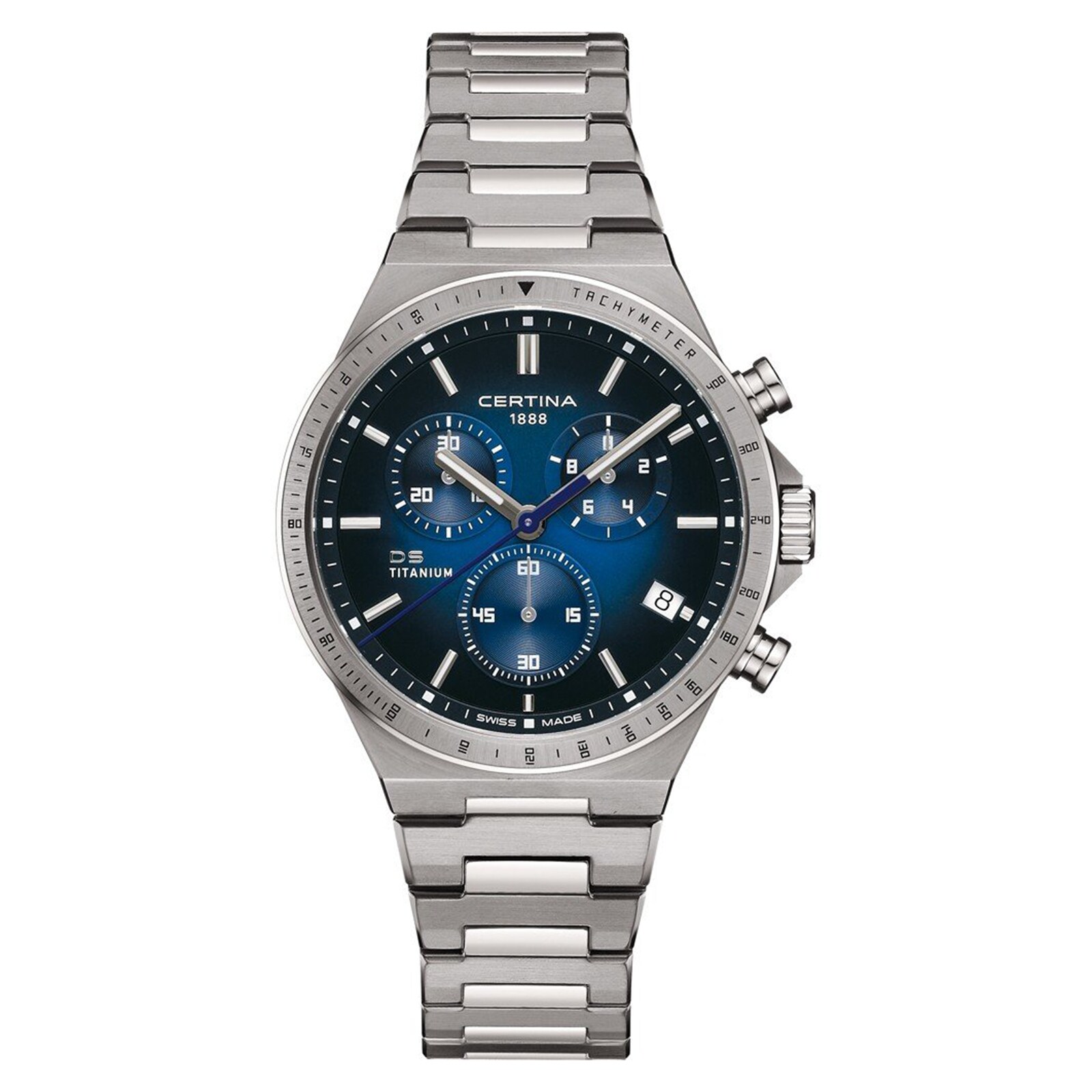 DS-74 pcs · from 618.59 €
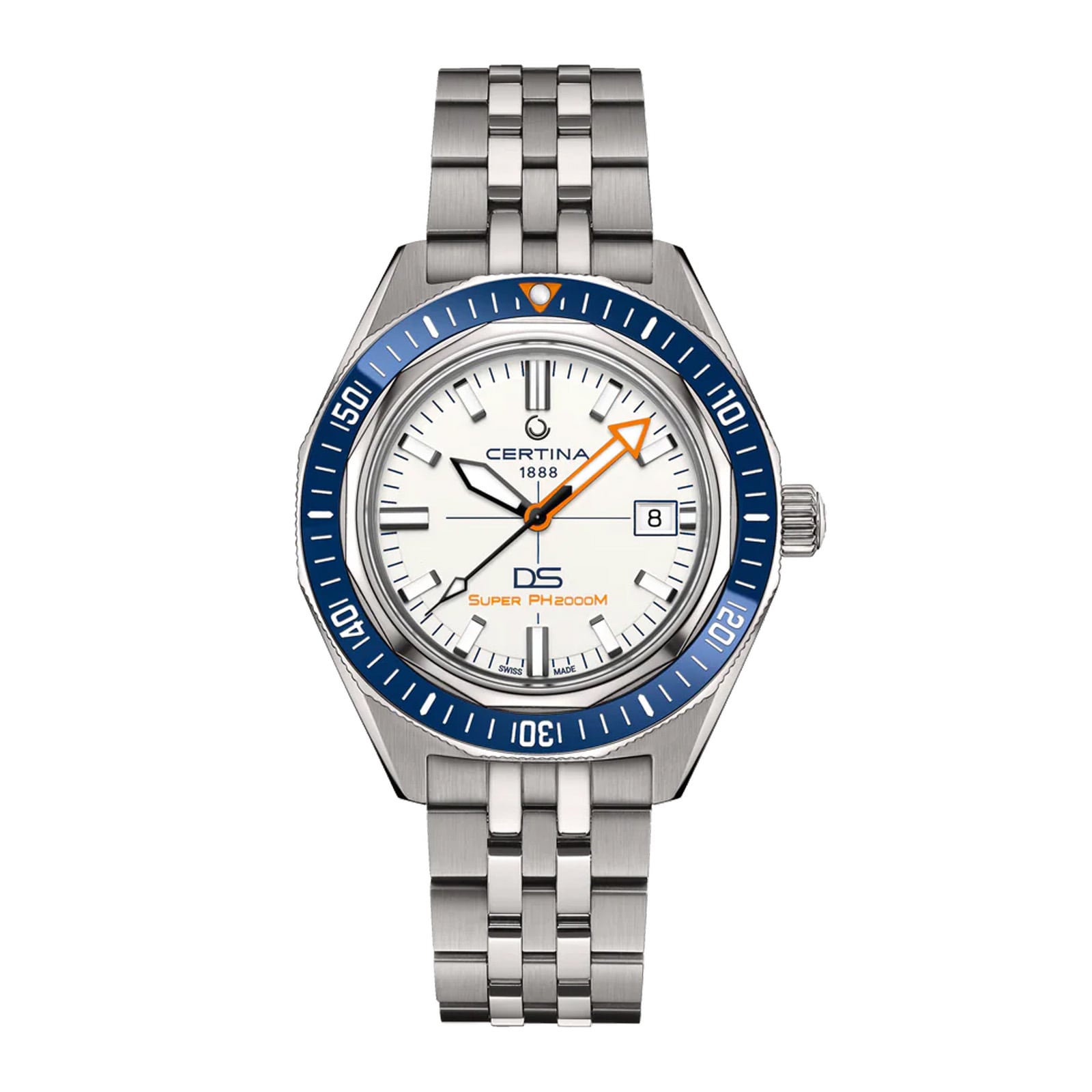 DS Super3 pcs · from 1 294.07 €
Models
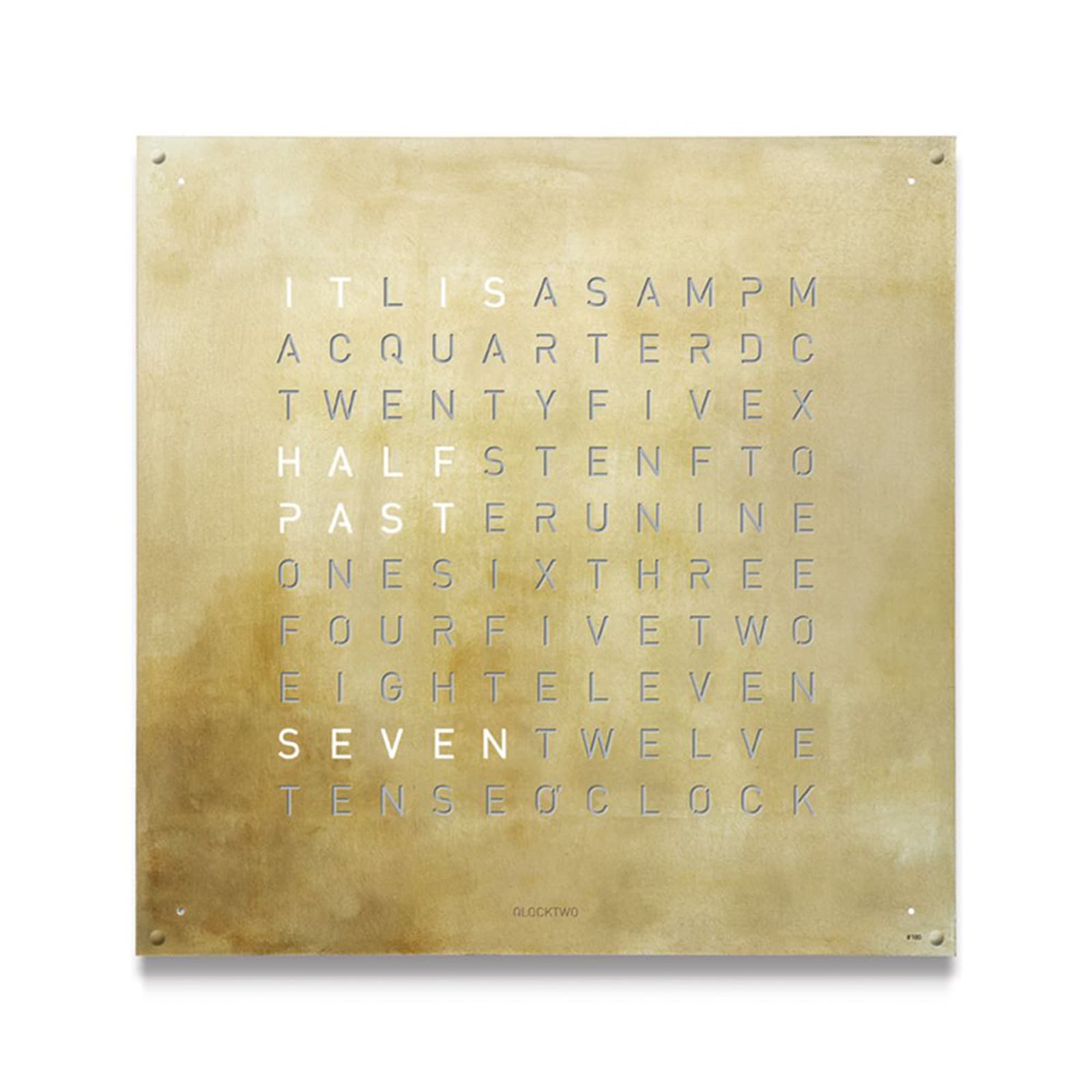 Earth9 pcs · from 241.75 €
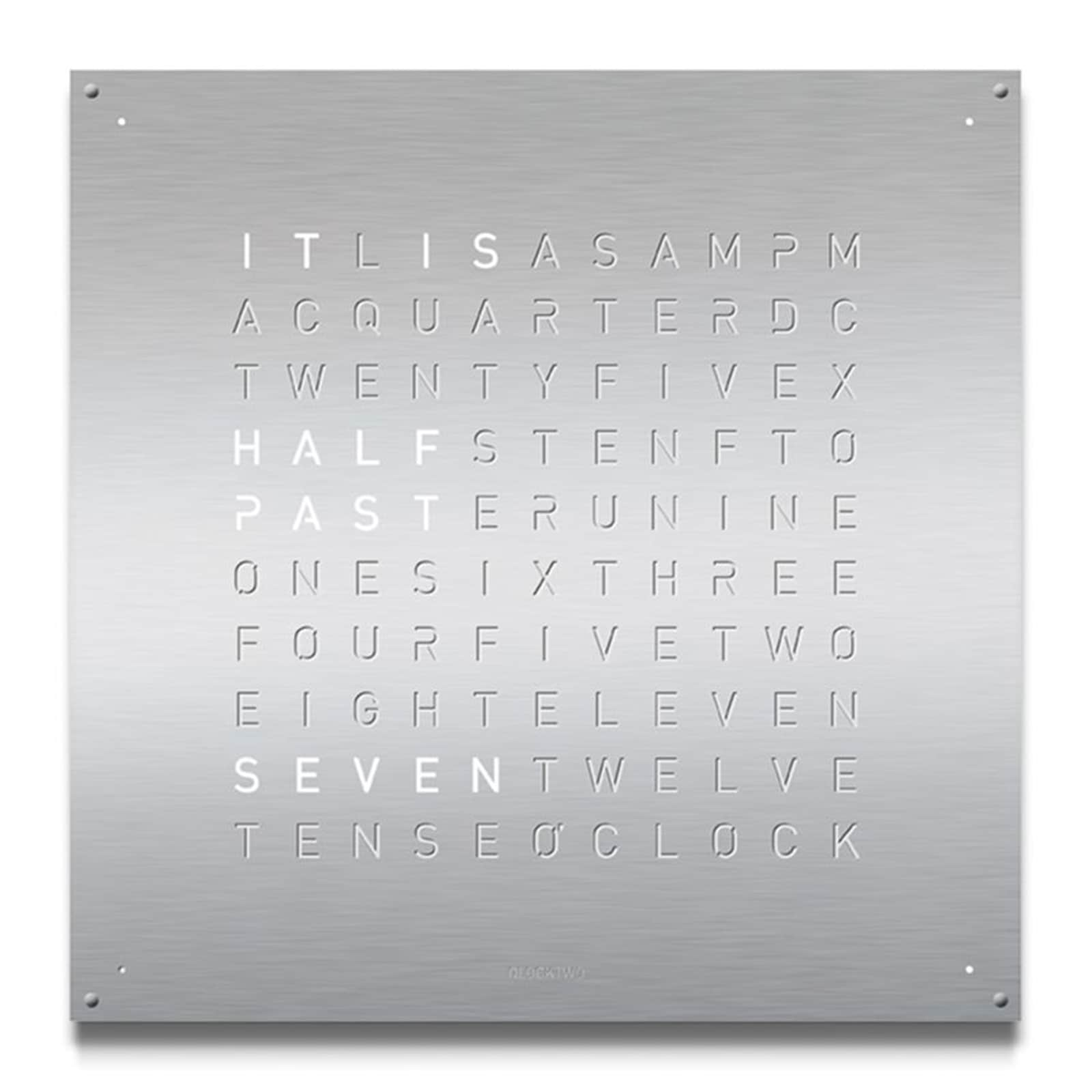 Large Stainless5 pcs · from 9 101.15 €
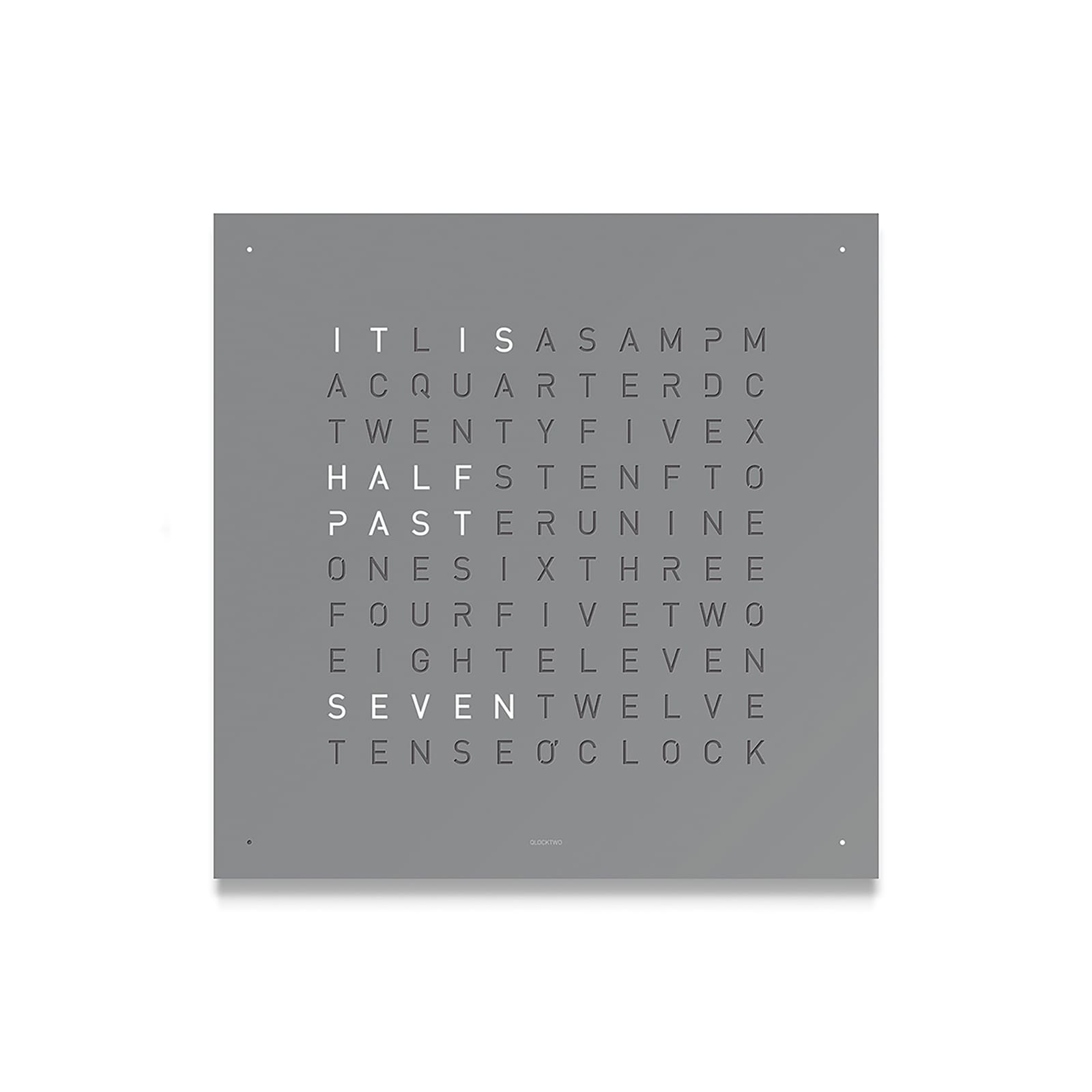 Classic Stainless5 pcs · from 1 592.70 €
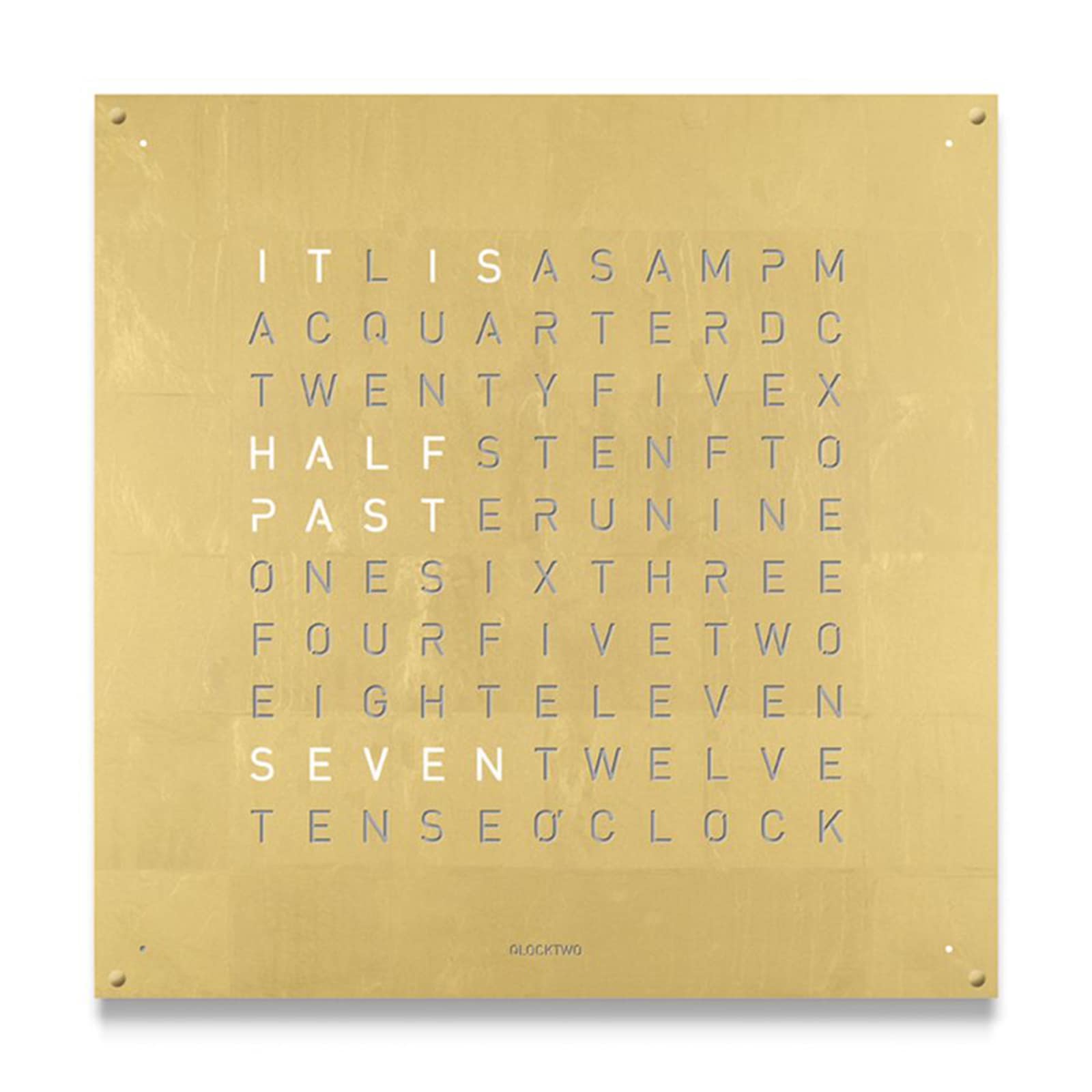 Large Creator's4 pcs · from 9 058.48 €
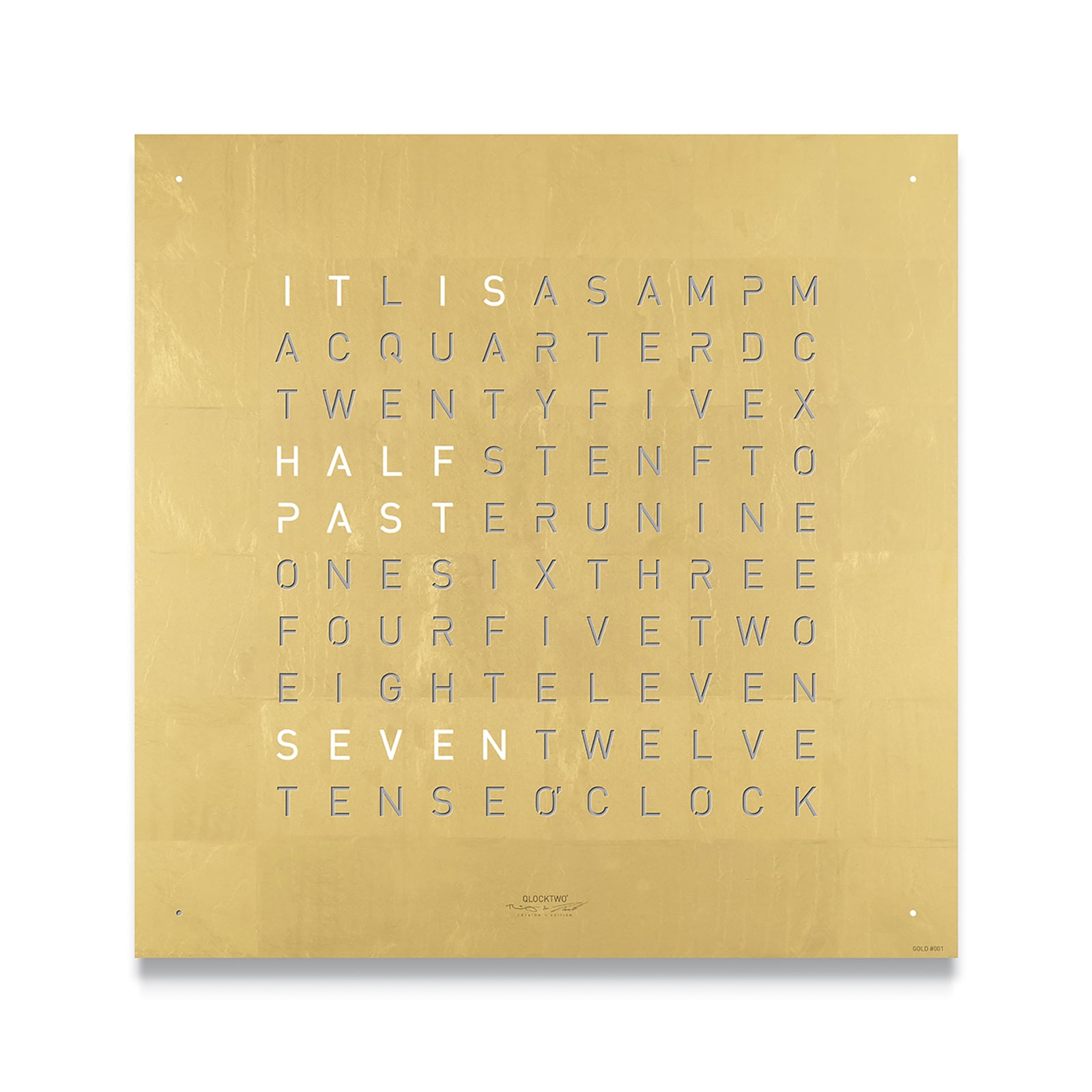 Classic Creator's4 pcs · from 3 057.42 €
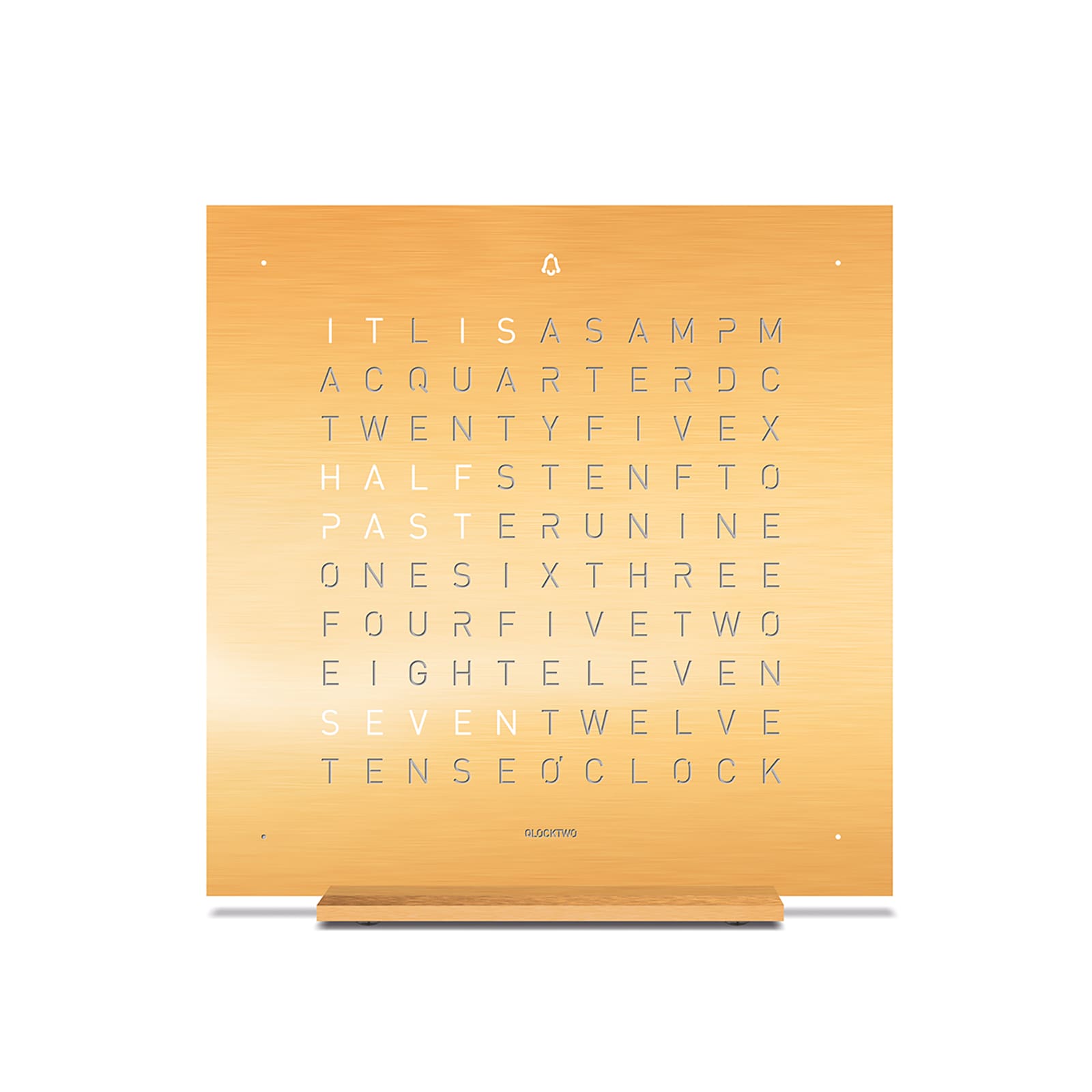 Touch Creator's4 pcs · from 995.44 €
Seiko Presage 'Japanese Zen Gardens' (new condition) pairs a 41.8 mm case in stainless steel with a stainless steel bracelet.
luxwatch-104992
Delivery
View all delivery pricesDelivery price to be confirmed
Delivery across Europe in 5–10 business days.
Out of stock. You can still add it to the cart — we will confirm availability and delivery time.
We will confirm the delivery method and price for this item when confirming the order.
Shipped with postal operators (Omniva, DPD, Itella). The exact delivery price depends on the destination.
2-year warranty
On all products
Delivery across Europe
DHL, UPS, FedEx, GLS
Secure payment
SSL-encrypted
Returns on the supplier’s terms
This item comes from a partner. It can be returned only if the supplier accepts the return, on the supplier’s terms. We e-mail those terms before payment.
The story of this watch · Chapters: 4
I · This watch
Seiko Presage 'Japanese Zen Gardens' (new condition) pairs a 41.8 mm case in stainless steel with a stainless steel bracelet. It uses an automatic movement.
II · The manufacture
Kintaro Hattori opened his watch and clock shop in Tokyo in 1881. The Seikosha factory followed in 1892, beginning with wall clocks. The Laurel wristwatch of 1913 moved that manufacturing experience onto the wrist. In 1924, a wristwatch carried the Seiko name for the first time. The Quartz Astron introduced quartz regulation to the range in 1969. Spring Drive arrived in 1999, combining mainspring power with electronic regulation. The Astron GPS Solar of 2012 added satellite time reception to solar power. Today Seiko Watch Corporation develops and manufactures watches within Seiko Group, based in Japan.
III · Ownership
An automatic watch winds itself while worn. Left off the wrist for a couple of days it stops: wind it with the crown, then set the time and the date.
Have the movement serviced every few years by the brand's own service or an authorised watchmaker.
No reviews yet — be the first!
Related products and size variants from this category.
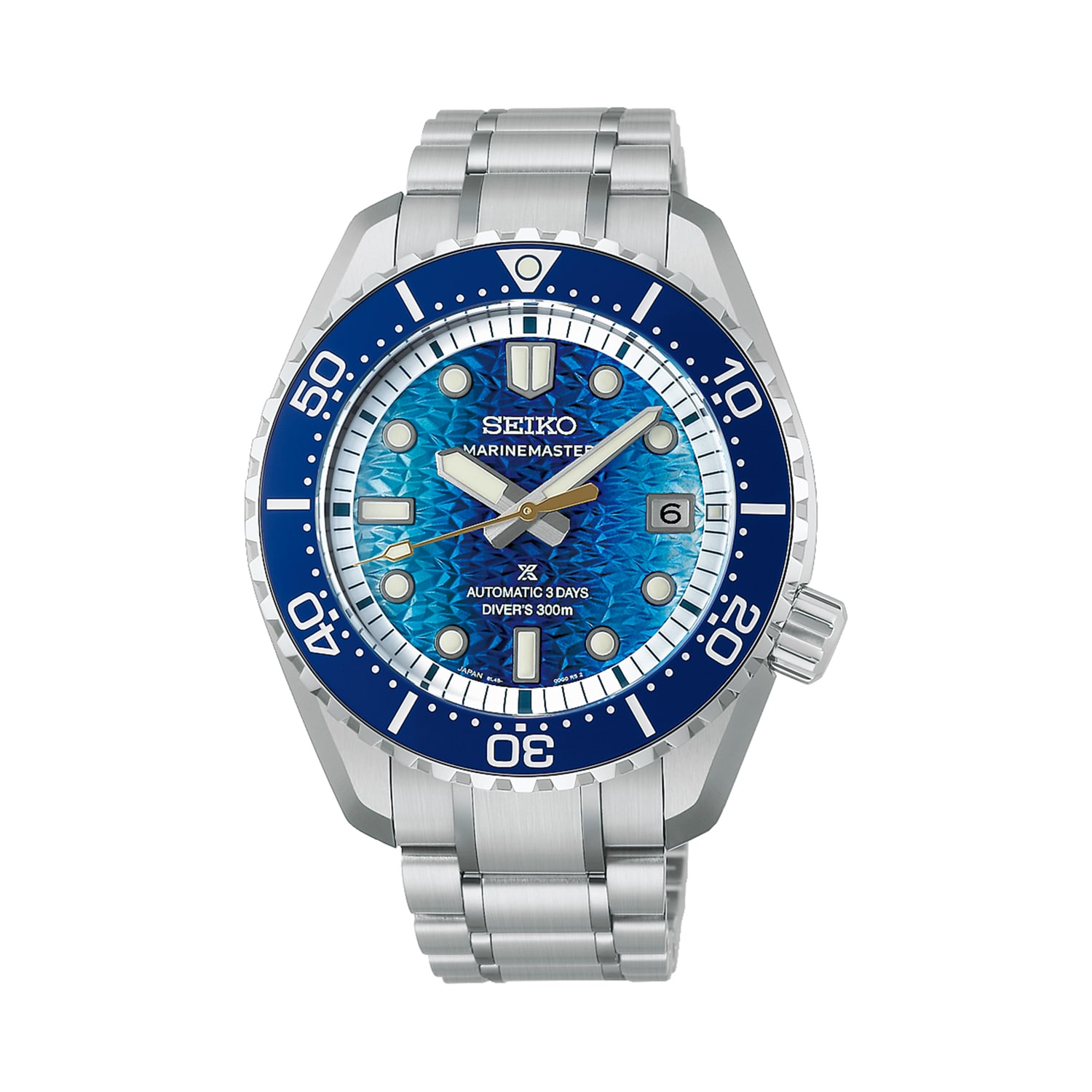
Seiko Prospex Marinemaster Jamstec Limited Edition 1968 Heritage Reinterpretation, 42 mm, Stainless steel
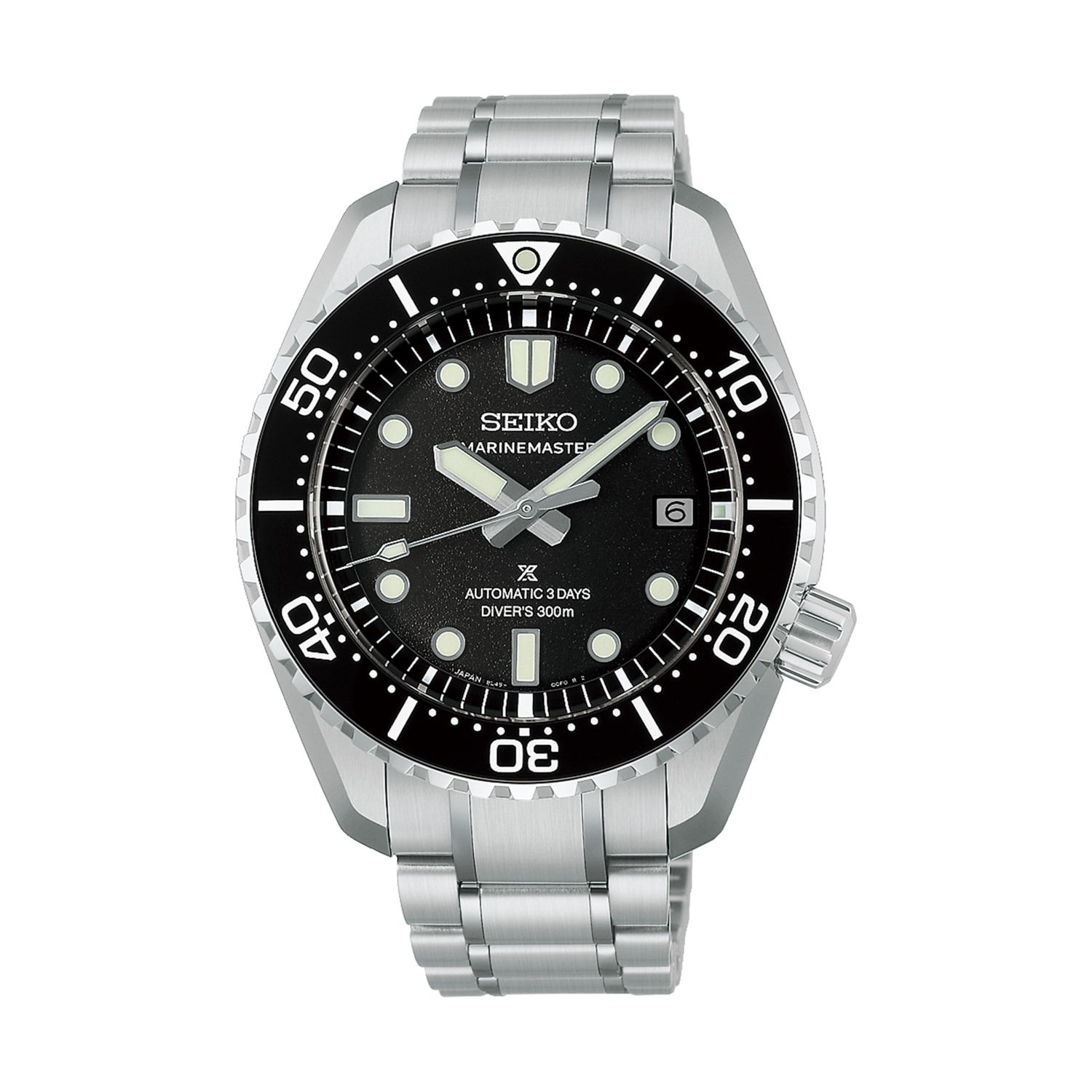
Seiko Prospex Marinemaster 1968 Heritage Reinterpretation, 42 mm, Stainless steel
Seiko Prospex King Seiko Vanac 'Tokyo Sunrise', 41 mm, Stainless steel
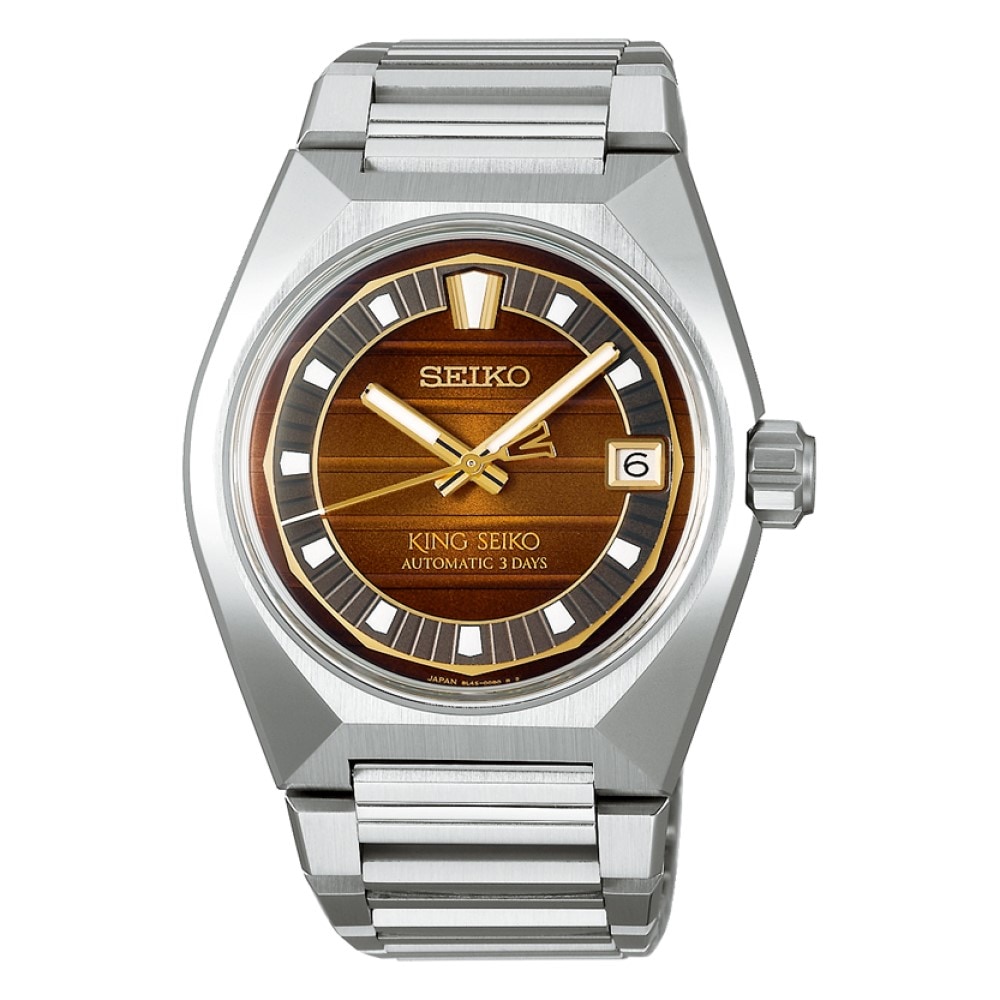
Seiko Prospex King Seiko Vanac 'Tokyo Horizon' Limited Edition, 41 mm, Stainless steel